



The Oak Ridge Office of Environmental Management processed 62 canisters of uranium-233 for safe transportation and disposal during the fiscal year that recently ended, surpassing its 50-canister goal as crews advance the highest priority cleanup project at Oak Ridge National Laboratory.
Office of Environmental Management
November 3, 2026 Estimated Read Time min
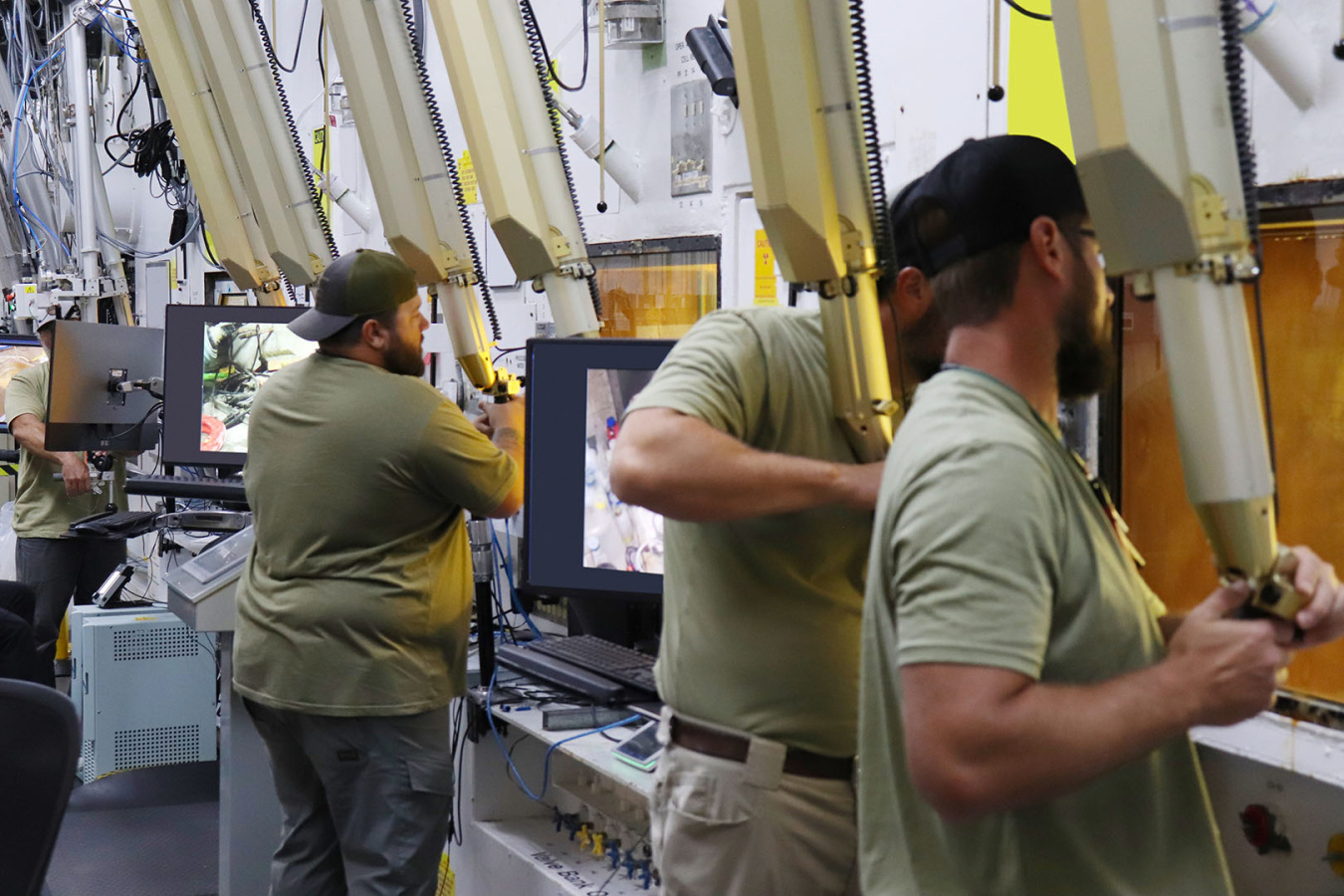
Workers process uranium-233 material in heavily shielded rooms called hot cells.
OAK RIDGE, Tenn. — The Oak Ridge Office of Environmental Management (OREM) processed 62 canisters of uranium-233 for safe transportation and disposal during the fiscal year that recently ended, surpassing its 50-canister goal as crews advance the highest priority cleanup project at Oak Ridge National Laboratory (ORNL).
“Despite the technical challenges that are part of processing this special nuclear material, the Isotek team consistently finds solutions, efficiencies and workarounds to be able to deliver significant progress annually on the overall mission,” said Sarah Schaefer, project manager for contractor Isotek.
Isotek is working to eliminate the nation’s inventory of uranium-233, which has remained in storage at ORNL for decades. The material was created in the 1950s and 1960s for potential use in nuclear reactors but proved unviable.
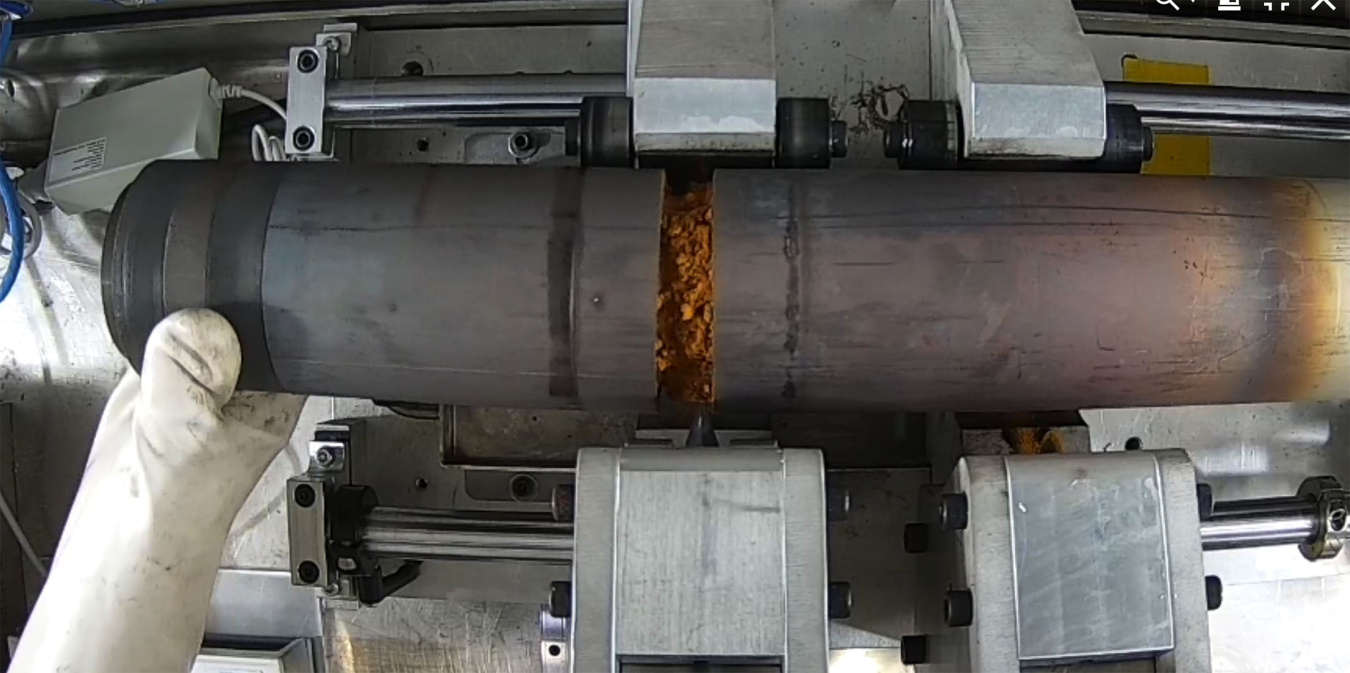
Crews segment a canister containing uranium-233 in a glovebox before transferring it for processing. A glovebox protects personnel from hazards.
As processing has progressed, it has presented more challenges. A portion of the remaining inventory exceeds limits allowed in the processing facility. Isotek designed an innovative solution to segment the canisters in the storage facility before moving them for processing, saving the project $175 million and preventing delays.
Additionally, some of the material is higher in transuranic activity — meaning it has radioactive isotopes heavier than uranium on the periodic table — requiring additional downblending before it can be shipped for disposal.
“We’ve adapted our approach to transuranic material by incorporating additional sampling and detailed technical reviews to better understand the waste stream, support processing decisions and maintain compliance with waste acceptance criteria,” Isotek Process Manager Shanna Veilleux said. “The goal is to make informed, defensible decisions without compromising safety or operational reliability.”
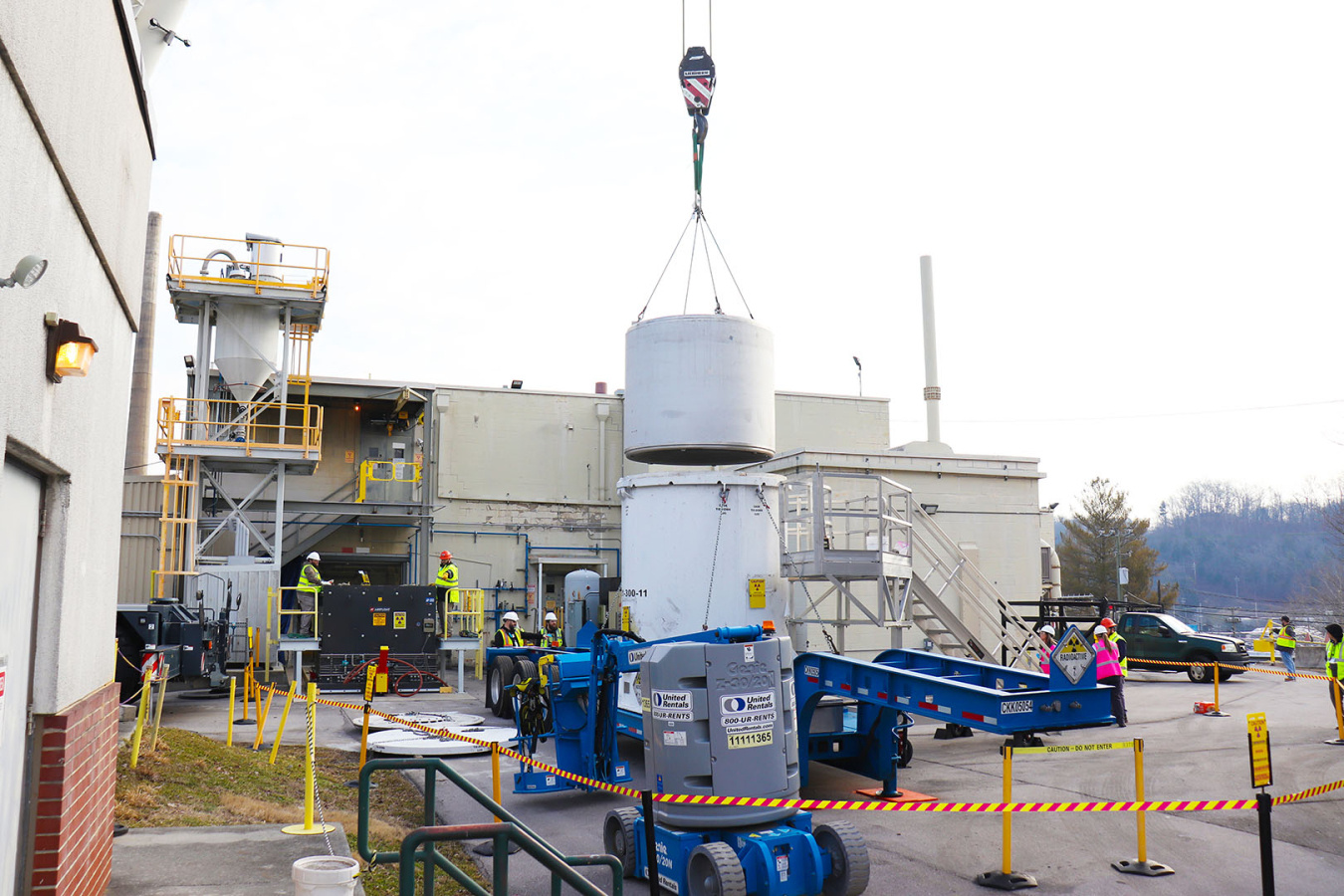
Crews move a tank of solidified, downblended uranium-233 into a shipping cask so it can be relocated for disposal.
To date, Isotek has processed and disposed of over 78% of the original uranium-233 inventory stored at ORNL. Workers have transported over 700,000 pounds of processed solidified waste for disposal.
Isotek is also extracting an extremely rare medical isotope, thorium-229, from the material. The isotope is being used to develop targeted cancer treatments currently in clinical trials. Crews have extracted over 24 grams of thorium-229, boosting the world’s supply by more than 2,000%.
OREM and Isotek recently installed a new analytical laboratory that will accelerate uranium-233 waste disposition and increase thorium-229 isotope deliveries.
-Contributor: John Gray
To receive the latest news and updates about the Office of Environmental Management, submit your e-mail address.