



More Power from the Plants We Already Have: EDF Support of Nuclear Uprates, Explained
America needs more power, and it needs it fast. Manufacturing, artificial intelligence, and other growing industries are increasing demand for affordable, reliable electricity. Building new power plants is essential, but so is making better use of the ones already operating.
That's why the U.S. Department of Energy's (DOE) Office of Energy Dominance Financing (EDF) is financing projects that increase electricity generation capacity and extend the operational life of existing nuclear plants. The latest financing for Constellation builds on EDF's work with Southern Company and Vistra.
Here's what you need to know about nuclear uprates and why DOE is supporting them across the country:
A nuclear power uprate increases the amount of electricity an existing reactor can produce. Depending on the plant, operators may replace turbines, generators, pumps, or other equipment, or make additional changes that allow the reactor to generate more power.
Because uprates make use of an established plant, workforce, and grid connection, they can often add electricity faster than building an entirely new facility. Each requires review and approval by the independent Nuclear Regulatory Commission (NRC).
The NRC initially licenses nuclear reactors to operate for up to 40 years. An initial license renewal (ILR) extends that license by 20 years, allowing operation for up to 60 years. As of October 2026, the NRC has approved ILRs for 90 of America’s 94 operating reactors.
A subsequent license renewal (SLR) is another 20-year extension, potentially allowing operation for up to 80 years. The NRC has approved SLRs for 25 reactors at 13 plant sites.
Neither extension is automatic. Operators must demonstrate that they can safely manage the effects of aging and continue meeting applicable NRC requirements.
Uprates add generating capacity; license renewals help preserve the capacity already on the grid. Financing both allows DOE to address immediate electricity demand and longer-term reliability.
America needs to build new generating capacity without losing the reliable power it already has. Nuclear plants are major infrastructure assets supported by trained workforces, decades of operating experience, and established transmission connections. Upgrading them can deliver more electricity on a shorter timeline than constructing an entirely new plant.
This work directly advances President Trump's executive order Reinvigorating the Nuclear Industrial Base, which calls for DOE to facilitate 5 gigawatts of power uprates at existing reactors by 2030.
It also supports full utilization of the nuclear fleet. DOE is supporting efforts to return retired nuclear plants to service, including Palisades in Michigan, Crane Clean Energy Center in Pennsylvania, and Duane Arnold in Iowa. These projects restore valuable generating infrastructure. Uprates and license renewals expand on this by preserving existing nuclear assets, extending their useful lives, and increasing the reliable electricity they deliver to the grid.
DOE is pursuing all these paths, alongside new nuclear construction, because America needs additional electricity now and for decades to come.
EDF is supporting a growing portfolio of uprates, license renewals, and related modernization investments across the country:
Southern Company: Georgia & Alabama
In February 2026, EDF closed loans totaling $26.5 billion to Georgia Power and Alabama Power. The loans finance a broad portfolio of energy projects, including nuclear investments at Vogtle and Hatch in Georgia and Farley in Alabama. Uprates of six reactors are expected to add approximately 345 megawatts (MW), alongside license renewal work. The $26.5 billion supports many nonnuclear projects as well; it is not solely a nuclear uprate loan.
Vistra: Pennsylvania & Ohio
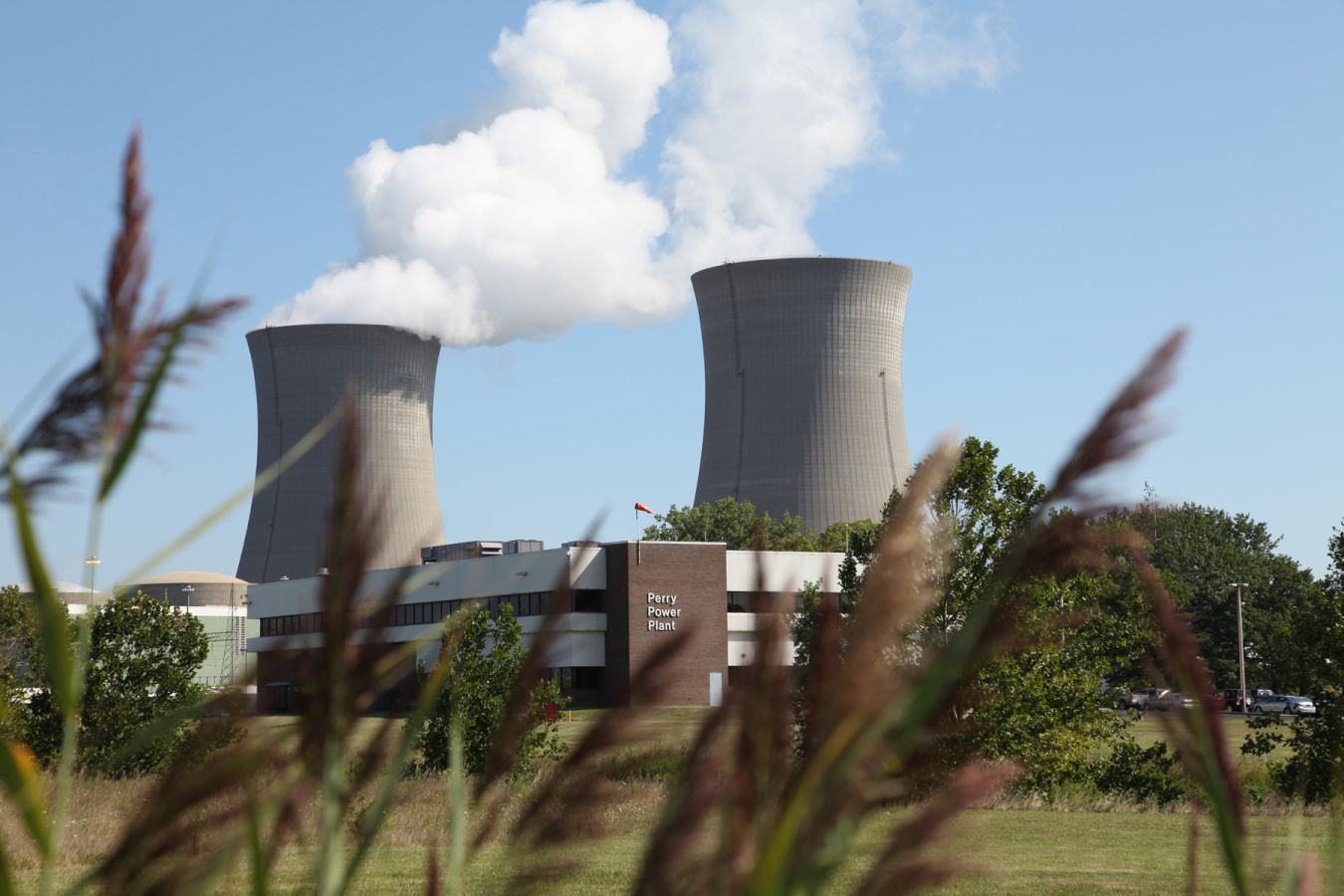
In October 2026, EDF announced a conditional commitment of up to $4.2 billion to finance uprates and modernization at Beaver Valley in Pennsylvania and Davis-Besse and Perry in Ohio. The projects are expected to add 433 MW while supporting the continued operation of nearly 4 gigawatts (GW) of existing nuclear power. The commitment also includes an option for potential future uprates at Comanche Peak in Texas.
Constellation: Illinois, Pennsylvania, & Maryland
EDF announced a conditional loan commitment of up to $5 billion to support construction and equipment investments across Constellation's nuclear fleet. The uprates are expected to add approximately 1,100 MW of reliable nuclear capacity—enough to power more than 930,000 homes. The projects include work at Braidwood, Byron, Clinton, Dresden, LaSalle, and Quad Cities in Illinois; Limerick in Pennsylvania; and Calvert Cliffs in Maryland.
Because financing the construction of a project and purchasing its generation are two different things.
In October 2026, Google and Constellation announced a 20-year power purchase agreement (PPA) supporting 890 MW of new nuclear capacity across 11 reactor units. Many of the facilities covered by that agreement are also part of the EDF-financed construction effort.
Constellation must pay for equipment and construction before those upgrades produce additional electricity. EDF helps finance that upfront capital investment. Google, through its PPA, commits to purchasing future electricity under agreed commercial terms. The PPA is an offtake agreement: it helps establish that there will be a buyer for the added power and revenue to support the investment.
That matters to taxpayers, too. When EDF evaluates a loan, it assesses the borrower's ability to repay. A long-term agreement with a creditworthy electricity purchaser strengthens EDF's underwriting by providing greater certainty about future revenue and reducing a source of financial risk.
This approach is consistent with President Trump's Ratepayer Protection Pledge, which emphasizes that large technology companies should bear the costs associated with meeting their growing electricity needs. Long-term power purchase agreements help support that objective by providing revenue for the new generation, while EDF financing supports the upfront construction investment.
In other words, private-sector electricity commitments do not duplicate the federal loan. They complement the construction financing and help support repayment.
The projects are not simply redirecting existing nuclear electricity to technology companies. Uprates increase generating capacity. Constellation's agreement with Google, for example, is designed to add new electricity to the regional PJM grid, which also serves homes, small businesses, and manufacturers.
More dependable supply helps the grid meet growing demand and can reduce upward pressure on electricity costs, though the effect on individual bills varies by market and project. These investments also support skilled nuclear jobs, construction work, local communities, and the continued availability of existing generating capacity.
EDF reviews budgets, construction plans, and repayment prospects before committing financing. It considers long-term customer contracts where relevant, and it monitors loans after closing. Borrowers remain responsible for repayment with interest; those obligations do not eliminate credit risk, making rigorous oversight essential.
EDF's evaluation also considers the borrower's financial strength and experience executing similar projects. In Constellation's case, its investment-grade credit profile, strong balance sheet, and history of successfully completing nuclear uprates provide additional support for the proposed financing.
Separately, the NRC—not DOE's lending office—regulates nuclear safety. Proposed uprates and license renewals must satisfy applicable NRC reviews and approvals. Federal financing does not bypass those requirements.
The objective is straightforward: strengthen America's electricity supply by building new nuclear generation, restarting retired reactors, and protecting and expanding the capacity of the plants already serving American communities.
This was last updated .