



Building on the successful removal of 497 converters from the C-333 Process Building earlier this year, workers effectively segmented the first fissile converter from the second of four former uranium enrichment facilities undergoing deactivation at the U.S. Department of Energy’s Paducah Site.
Office of Environmental Management
October 6, 2026 Estimated Read Time min
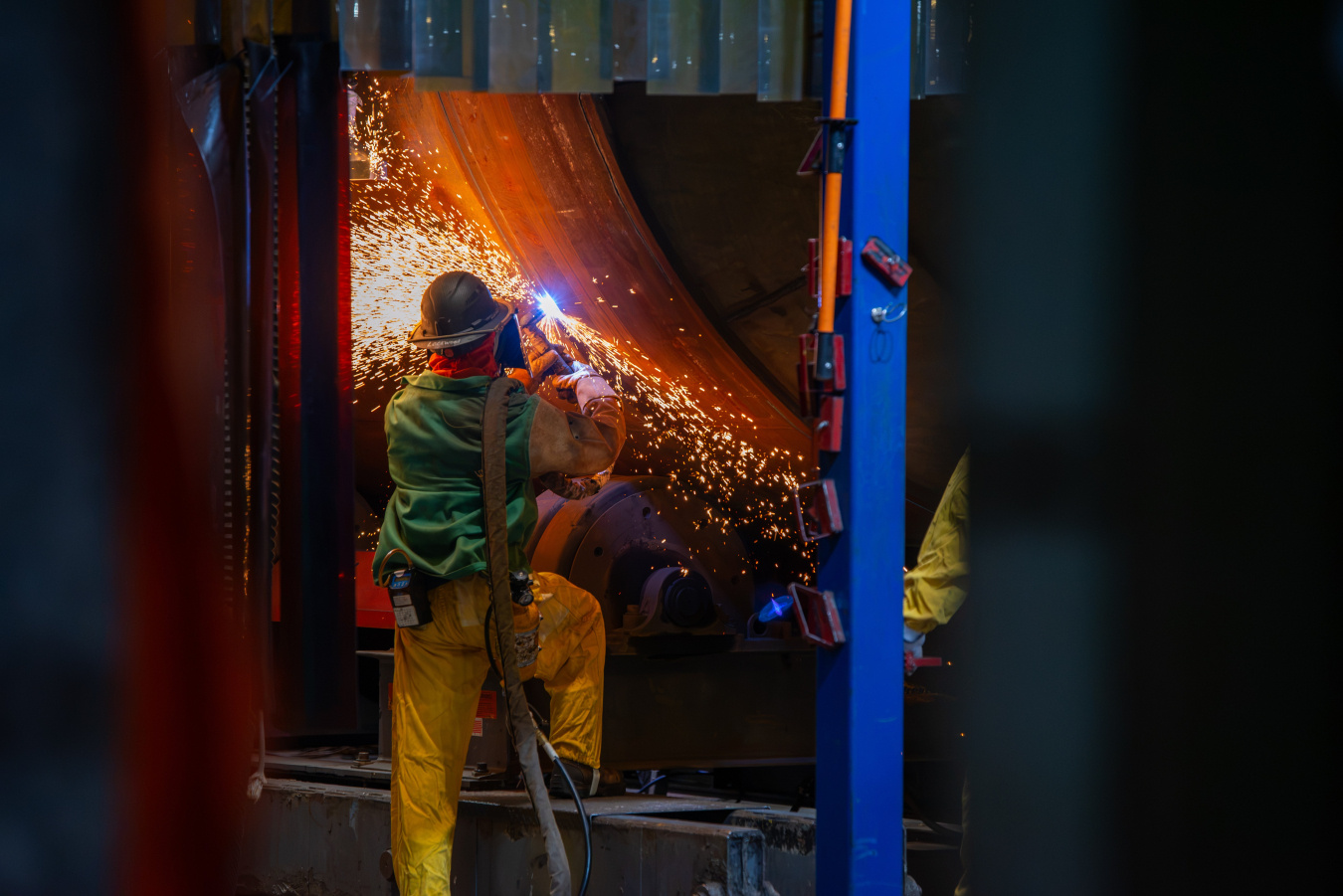
A crew member safely segments a converter from the Paducah C-337 Process Building, one of the first pieces of process gas equipment removed from its installed location in the facility since fissile operations recently began.
PADUCAH, Ky. — Building on the successful removal of 497 converters from the C-333 Process Building earlier this year, workers effectively segmented the first fissile converter from the second of four former uranium enrichment facilities undergoing deactivation at the U.S. Department of Energy’s (DOE) Paducah Site.
The milestone showcases growing cleanup momentum as crews tackle the segmentation of close to 500 fissile converters in the C-337 Process Building. Each converter is nearly two times the size of a standard cement mixer drum. The converters served as the workhorse in legacy uranium enrichment operations. Segmentation is a process in which team members remove, cut and downsize a converter.
"Reaching this point in the C-337 Process Building demonstrates the skill and dedication of the workforce," Paducah Site Federal Project Director William Wessel said. "Safely initiating the segmentation of fissile converters along with the removal of certain process gas equipment from their installed location moves us one step closer to fulfilling our cleanup mission and positioning the site for future opportunities."
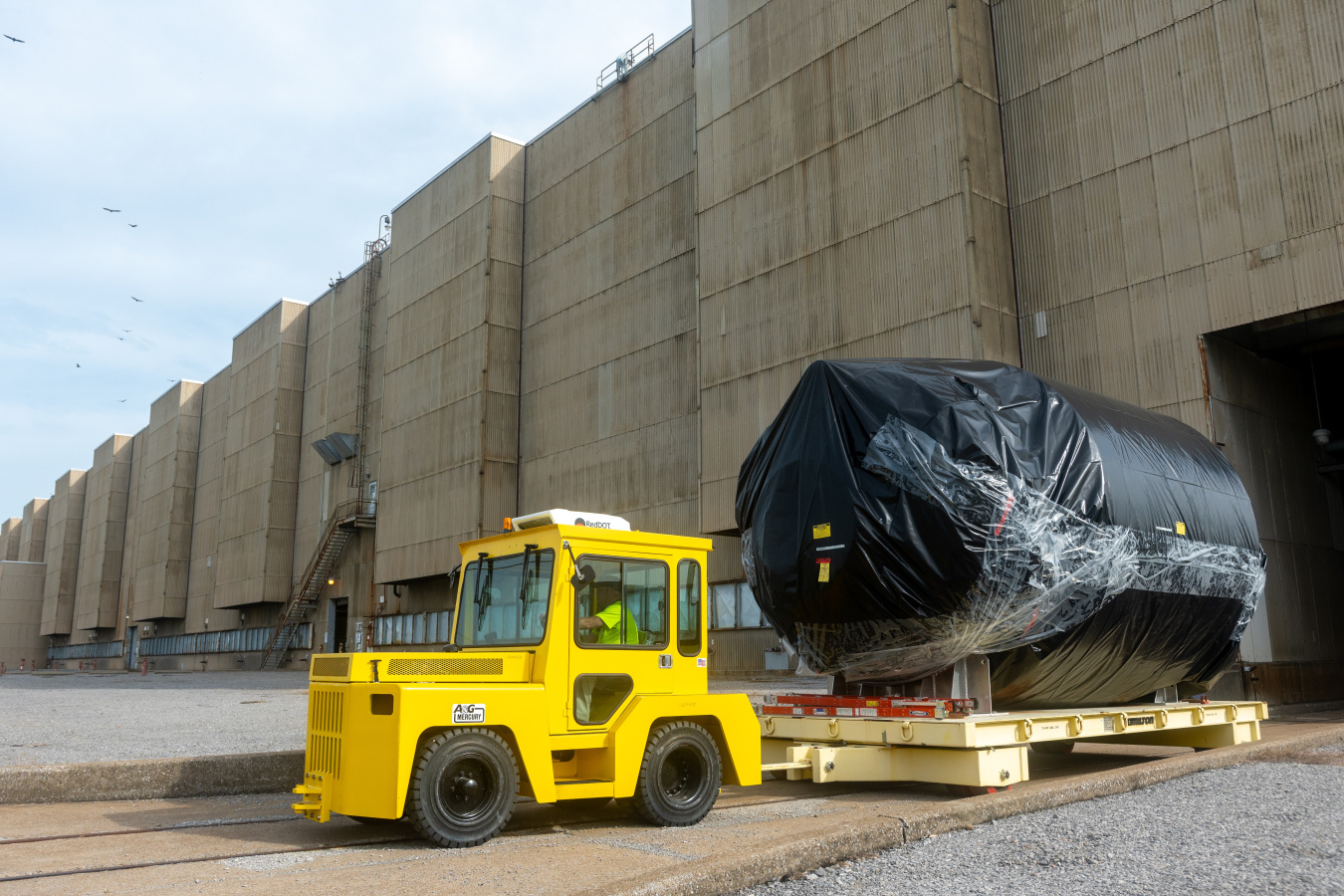
A converter is towed from the Paducah C-337 Process Building for segmentation, a process in which it will be cut and downsized. Nearly 500 converters will be removed and segmented from the facility to prepare for demolition.
Unlike nonfissile equipment contained in C-333, handling fissile components in C-337 introduces greater complexity. It requires enhanced monitoring, strict containment, specialized safety measures to prevent accidental reactions and highly trained workers. Experienced personnel help bridge generational knowledge while building on lessons learned from the C-333 deactivation.
The Paducah team’s deactivation work also benefited from cross-site collaboration. Representatives from the cleanup contractor at the Portsmouth Site in Ohio shared expertise as they deactivate the third and final process building at Portsmouth.
Deactivation of C-337 is key to implementing the site’s Decision 2029 holistic cleanup strategy. Preparing massive facilities more than 1 million square feet in size for demolition paves the way for eventual reindustrialization and economic development at the Paducah Site.
Four Rivers Nuclear Partnership (FRNP), the Paducah Site deactivation and remediation contractor, is tasked with deactivating C-337.
“The team continues to adapt innovative technologies and new, proven field methods to execute complex deactivation safely and efficiently,” FRNP Program Manager Myrna Redfield said. “Every converter segmented from the C-337 Process Building brings the site one step closer to the overall cleanup goals.”
-Contributors: Nick Henley, Dylan Nichols
To receive the latest news and updates about the Office of Environmental Management, submit your e-mail address.