



One of the best ways to learn about opportunities through FEMP DOE Scholars is through the eyes of a past participant. Learn how Leonna Deans built the technical skills and connections that launched her career as a utility engineer.
Federal Energy Management Program
September 17, 2026 Estimated Read Time min
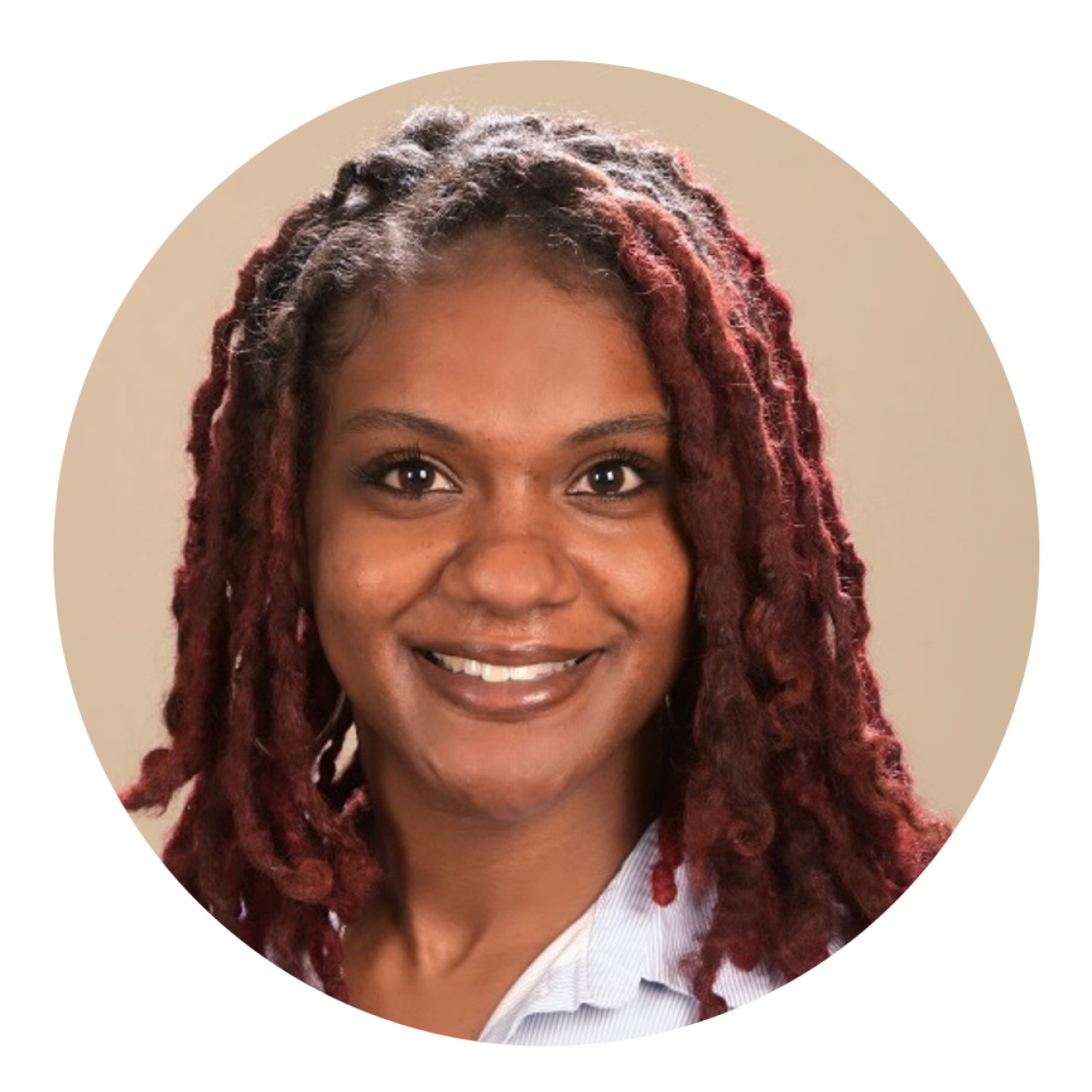
As a FEMP DOE Scholar, Leonna Deans enjoyed working on feasibility assessments and interagency coordination, experience that helped launch her career as a D.C.-based utility engineer. Photo from Leonna Deans
It isn’t always obvious how a childhood interest can become a lifelong career. But as a kid growing up in Georgia, Leonna Deans always had an interest in figuring out how things worked.
“My mom would bring a new TV or DVD player home—or just something that needed to be put together—and I wanted to be the one to put it together,” Deans said. “I didn’t know back then that I wanted to be an engineer, I just knew I was interested in technology.”
Deans realized she could develop her interests further at Virginia State University, where she graduated with a bachelor’s degree in electrical and electronics engineering and technology. After graduation, a friend of the family inspired Deans with his “great experience” in the Federal Energy Management Program (FEMP) U.S. Department of Energy (DOE) Scholars Program.
The FEMP DOE Scholars Program is a three-month internship that introduces students or recent college graduates to the Department and to other federal agencies’ missions and functions. The program supports FEMP’s mission to build and sustain a capable federal energy and water management workforce, giving participants hands-on exposure to how federal facilities and fleets operate.
Encouraged by her friend’s positive experience in the program, Deans applied in 2017 and was accepted into the summer internship. From there, Deans traded her childhood curiosity about how things worked for actual experience with the systems that keep federal facilities powered. She now works in Washington, D.C., in the energy field for Pepco, a subsidiary of Exelon, and was recently promoted to supervisor.
FEMP caught up with Deans to learn how her DOE Scholars experience helped launch her career in energy systems engineering.
This interview has been edited for length and clarity.
FEMP: What kind of work did you do during your Scholars internship?
Deans: Another Scholars intern and I were assigned to FEMP and coordinated with NASA interns on a FEMP technical feasibility report, where I handled the sections evaluating microgrid options to strengthen energy resilience at NASA facilities. It helped me understand the type of technical assistance FEMP provides to federal agencies to help meet their energy goals.
I also worked on updating FEMP’s Customer Agency Workbook, an internal tracking system documenting FEMP’s engagement with energy management departments across federal agencies. Keeping it current helps FEMP consult the right people early in project planning, reducing delays and coordination gaps, and gives leadership a resource for connecting with agency counterparts and understanding their energy data.
FEMP: What else did you learn during those three months?
Deans: I learned a lot from the different trips that I took with my fellow Scholars interns, which our Scholar supervisor led every week. We went to the U.S. Capitol building, the Smithsonian’s National Museum of African American History and Culture, and various prominent federal buildings in Washington, D.C., to learn how DOE is working with these different facilities and agencies. I left with a lot of knowledge about the cool stuff that DOE does with all these buildings around the city. It gave me a bigger-picture understanding of how federal energy work connects to the city and the people it serves.
FEMP: How did your Scholars experience help you make decisions once it was over?
Deans: It was a big stepping stone for me because I was fresh out of college and didn’t have a job yet, and I was wondering what I was going to do next. I gave myself the goal to have a job by the last day of the internship, and on my last day I had an offer from ART Engineering, which is a contractor for the Potomac Electric Power Company (Pepco), a D.C. utility. I was a contractor for two years and then transitioned to work at Pepco, where I am now a senior engineer.
FEMP: As a senior engineer at Pepco, what does your role entail?
Deans: It’s like being an engineer, a designer, a project manager, and a customer service representative all in one. Senior engineers are responsible for the blueprint of how to feed power to new buildings and homes, or upgrade existing services to a higher voltage. They are responsible for drawing the designs, coming up with the calculations, going out and doing fieldwork in the community, and communicating with developers and general contractors. We are also responsible for checking and approving all the designs, project-related documents, and calculations that are submitted by our contractors and internal designers. No projects move forward without engineer approval!
FEMP: Do you have any advice for folks who are thinking of applying to be a DOE Scholar?
Deans: The FEMP DOE Scholars Program was a life-changer for me. You never know who you’ll meet and what type of opportunities can come your way by being a part of the program. I learned a lot, I think it’s a great program, and anybody who’s interested should go for it.
From performing feasibility assessments to connecting with agency partners across government, Deans’ internship reflects exactly what the FEMP DOE Scholars Program aims for: giving talented young professionals the foundation to become the nation’s next generation of energy leaders.
Stay tuned for a future application period for the next FEMP DOE Scholars cohort—and learn more about Scholar opportunities with other DOE offices.