



In a first, the Oak Ridge Office of Environmental Management and cleanup contractor United Cleanup Oak Ridge have conducted demolition on two facilities at the Y-12 National Security Complex in a single fiscal year.
Office of Environmental Management
September 15, 2026 Estimated Read Time min
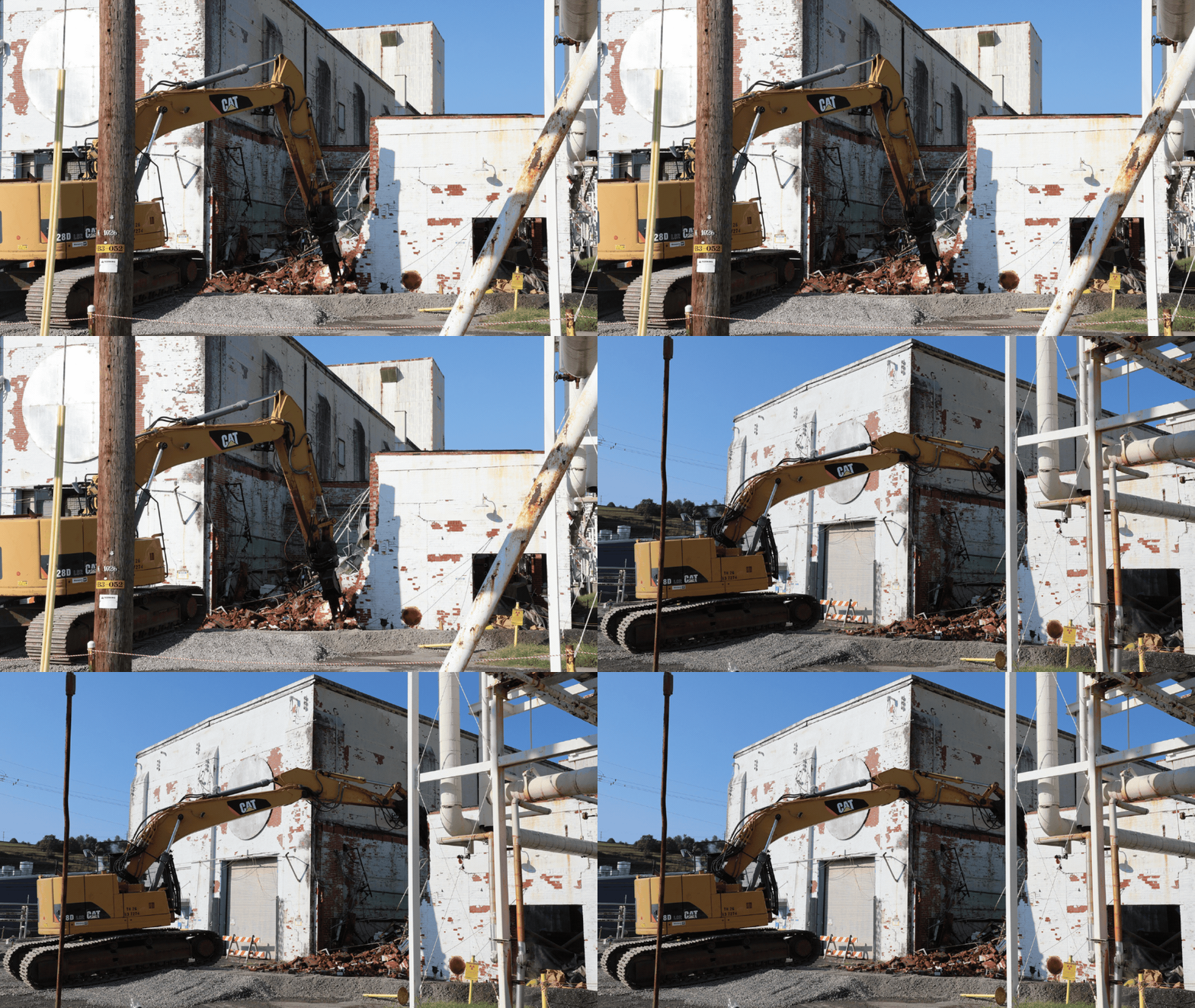
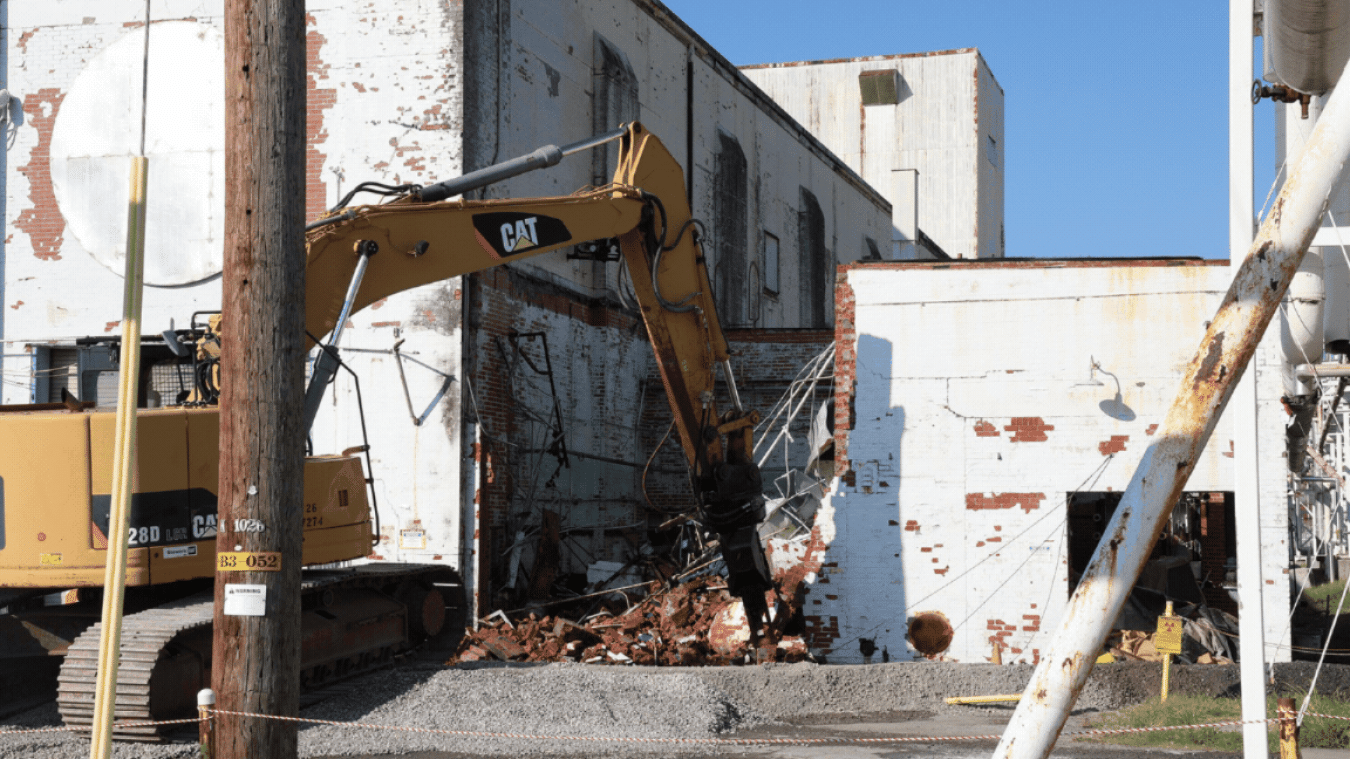
Crews recently began demolishing the Old Steam Plant, the Oak Ridge Office of Environmental Management’s latest project to remove aging infrastructure to enable modernization at the Y-12 National Security Complex.
OAK RIDGE, Tenn. — In a first, the Oak Ridge Office of Environmental Management (OREM) and cleanup contractor United Cleanup Oak Ridge (UCOR) have conducted demolition on two facilities at the Y-12 National Security Complex in a single fiscal year.
This project continues to transform and modernize Y-12, highlighting the impact of thoughtful planning and sequencing.
“Every excess facility we remove changes the Y-12 skyline for the National Nuclear Security Administration,” said Erik Olds, OREM manager. “We are reducing risks, eliminating congestion and creating valuable space to support national security capabilities our nation will depend on well into the future.”
UCOR recently began demolishing the 13,000-square-foot Old Steam Plant, also known as Building 9401-1. Crews transitioned to this project after completing the teardown of Alpha-2, a former Manhattan Project-era uranium enrichment facility that spanned 2.5 acres of land at Y-12, earlier this year. The fiscal year ends Sept. 30.
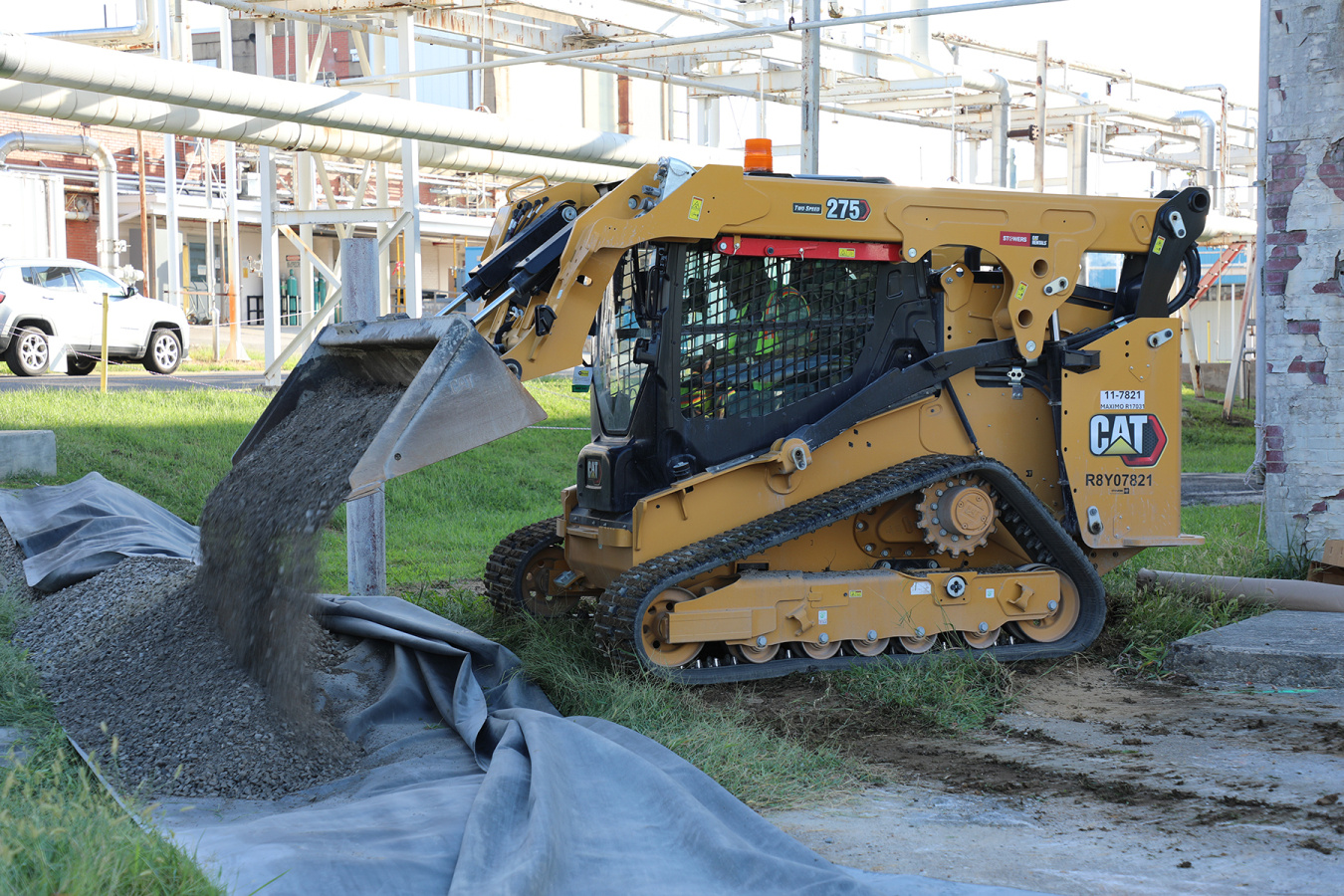
Workers install a berm to protect the surrounding site during demolition activities at the Old Steam Plant at the Y-12 National Security Complex.
Built in 1943, the Old Steam Plant supported Y-12 operations for decades, including uranium enrichment support activities and fuels testing. After workers finished deactivating the facility in 2021, it continued to be used for maintenance and storage.
Teardown of the building was designated a “flywheel project” — a strategically timed effort positioned between larger cleanup campaigns to maintain workforce momentum and make efficient use of available resources. As teams demolish the plant and advance progress at Y-12, others are deactivating other structures.
“Taking down two facilities at Y-12 in a single fiscal year demonstrates the momentum UCOR has established and our commitment to finishing what we start,” said UCOR President and Program Manager Jim Blankenhorn. “We are strategically sequencing this work so the expertise and resources we have built can continue moving the cleanup mission forward, positioning our workforce for the larger challenges ahead.”
Each excess facility removal eliminates costs associated with maintaining aging buildings.
Since major cleanup began at Y-12 in 2020, OREM and UCOR have completed demolition of Alpha 2, the former Criticality Experiment Laboratory and the former Biology Complex. Together, these projects have eliminated hazards and cleared more than 20 acres of land for reuse.
Cleanup momentum is building toward even bigger efforts.
Following demolition of the Old Steam Plant, teams will shift to Beta 1, a 210,000-square-foot former Manhattan Project uranium enrichment facility. Crews will complete mobilization and site preparations necessary to begin demolition early next year.
Work is also continuing at other major Y-12 facilities. Crews are making progress to enable full-scale deactivation at two other massive Manhattan Project-era uranium enrichments buildings, including the 315,000-square-foot Beta 4 facility and 510,000-square-foot Alpha 4 facility.
-Contributor: Ryan Getsi
To receive the latest news and updates about the Office of Environmental Management, submit your e-mail address.