



U.S. Department of Energy leaders traveled to South Korea and Japan to deliver a message: nations should look to the United States for affordable, reliable, and secure energy, and a dependable long-term partner.
Hydrocarbons and Geothermal Energy Office
September 14, 2026 Estimated Read Time min
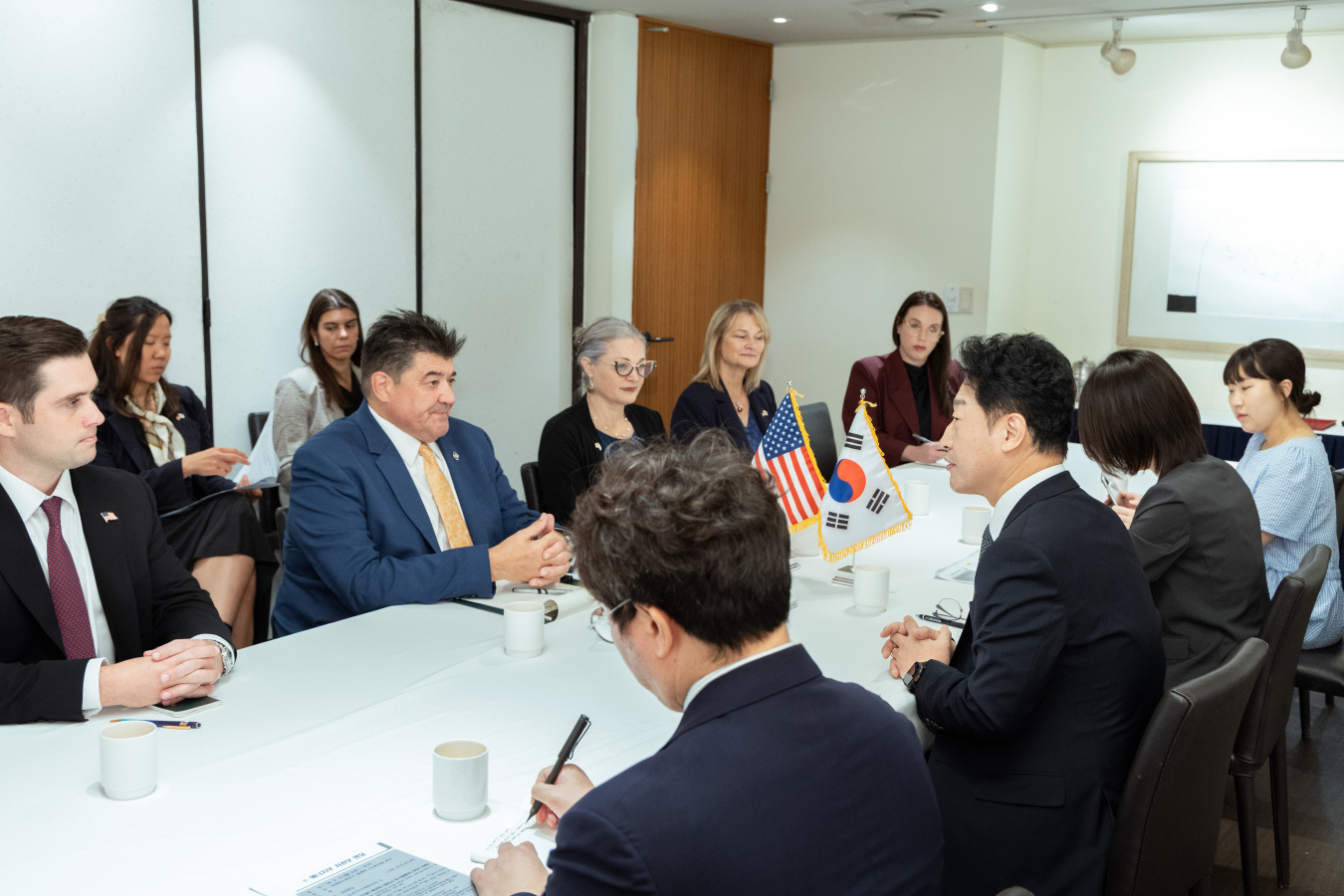
When U.S. Department of Energy leaders traveled to South Korea and Japan August 31–September 4, one message connected every meeting, roundtable, and industry discussion: when nations are looking for affordable, reliable, and secure energy, and a dependable long-term partner, they should continue to look to the United States.
The timing could hardly be more consequential.
Energy demand is rising as advanced manufacturing, artificial intelligence, data centers, electrification, and growing cooling needs place new demands on power systems worldwide. In Japan alone, data centers are projected to account for more than half of the country’s power-demand growth through 2030.
Meeting that demand will require more than energy resources. It will require resilient supply chains, investment, infrastructure, innovation, and trusted relationships.
America can deliver on all of them.
That was the message Acting Assistant Secretary for Hydrocarbons and Geothermal Energy Curt Coccodrilli brought to government and industry leaders in South Korea and Japan.
A Partnership Built for the Energy Demands Ahead
The United States brings abundant coal, oil, natural gas, and geothermal resources; world-class producers; transparent and efficient markets; advanced technologies; and a proven record as a dependable supplier.
South Korea and Japan bring complementary strengths as global leaders in engineering, manufacturing, financing, shipbuilding, steelmaking, technology, and project development.
Together, those capabilities create opportunities to strengthen energy security, expand trade and investment, support industrial growth, and build more resilient Indo-Pacific supply chains.
In South Korea, DOE leaders built on recent engagement with government and industry representatives, including participants in the Montana Coal Summit. In Japan, Coccodrilli delivered a keynote address at the 35th Clean Coal Day International Symposium and joined government, utility, steel, coal, technology, and financial-sector leaders to discuss expanded cooperation.
Coal was an important part of those conversations, and for good reason.
In 2025, coal remained the world’s single largest source of electricity, accounting for roughly 34% of global generation. U.S. thermal coal can contribute to reliable power generation and fuel diversity, while American metallurgical coal supports steel, shipbuilding, automotive, infrastructure, and manufacturing industries.
But the opportunity is much bigger than coal.
Japan became the first international customer for U.S. liquefied natural gas (LNG) more than half a century ago. That relationship continues: in 2025, exports of U.S. LNG to Japan totaled 223 billion cubic feet. Significant opportunities also lie ahead in geothermal energy, mining innovation, export infrastructure, advanced power technologies, and industrial supply chains.
America Is Investing at Home and Inviting Partners In
The United States isn’t simply talking about its energy future. We’re investing in it.
Over the past year, DOE’s Hydrocarbons and Geothermal Energy Office released more than $1 billion in new funding opportunities and project selections to strengthen America’s coal fleet and critical infrastructure, expand oil and natural gas production, advance produced-water technologies, accelerate next-generation geothermal development, and strengthen the energy workforce.
That includes up to $425 million supporting projects involving 13 U.S. coal plants; up to $75 million for the West Gateway Terminal Project in Oakland, California, to expand coal-export capacity; and a $171.5 million geothermal funding opportunity, the largest in DOE history.
For international partners, those investments represent an invitation: purchase American energy, invest in American projects, and build the next generation of energy infrastructure and technology with us.
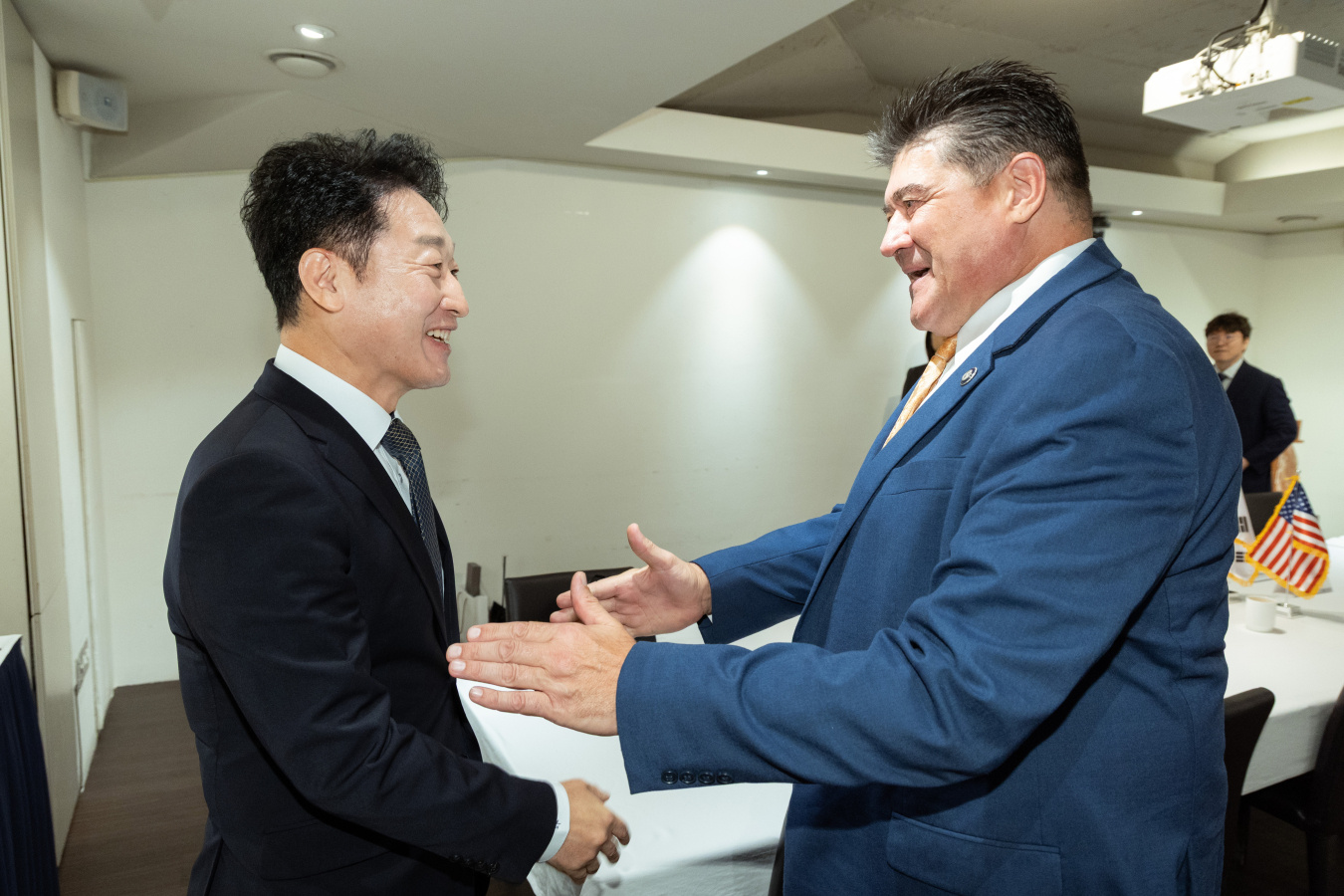
The goal of our visit was to turn conversations into projects, investment, trade, and commercial agreements, creating markets for American producers, technology providers, and workers while helping our allies strengthen their energy security and supply chains.
America has the resources. America has the technology. And America is ready to be a stable supplier and long-term partner.
For South Korea, Japan, and other nations confronting a new era of energy demand, the message is simple:
Let’s build what comes next. Together.