



The Lab-Embedded Entrepreneurship Program helps entrepreneurs bring their inventions to market by connecting them with world-class scientists and facilities at the U.S. National Laboratories.
Office of Critical Minerals and Energy Innovation
July 2, 2026 Estimated Read Time min
The U.S. Department of Energy’s (DOE) Office of Critical Minerals and Energy Innovation (CMEI) strives to build a globally competitive U.S. manufacturing base, resilient energy systems, and secure domestic supply chains. Cultivating partnerships with private companies is a major component of this strategy. The Lab-Embedded Entrepreneurship Program (LEEP), managed by the Office of Technology Commercialization with support from CMEI, helps entrepreneurs bring their inventions to market by connecting them with world-class scientists and facilities at the U.S. National Laboratories.
Founded in 2015, LEEP facilitates the development of the most promising innovations in energy and manufacturing, with an emphasis on technologies that enhance affordability, energy security, and domestic manufacturing competitiveness. LEEP entrepreneurs enter a two-year partnership with DOE National Laboratories that offers them the resources and flexibility to build their companies and develop their technologies simultaneously. Since its inception over 10 years ago, LEEP has launched 200 companies that have created more than 3,900 American jobs and raised approximately $6 billion in follow-on funding.
As CMEI expands public-private partnerships across its portfolio, LEEP alumni continue to showcase the benefits of collaboration with DOE. Some examples include:
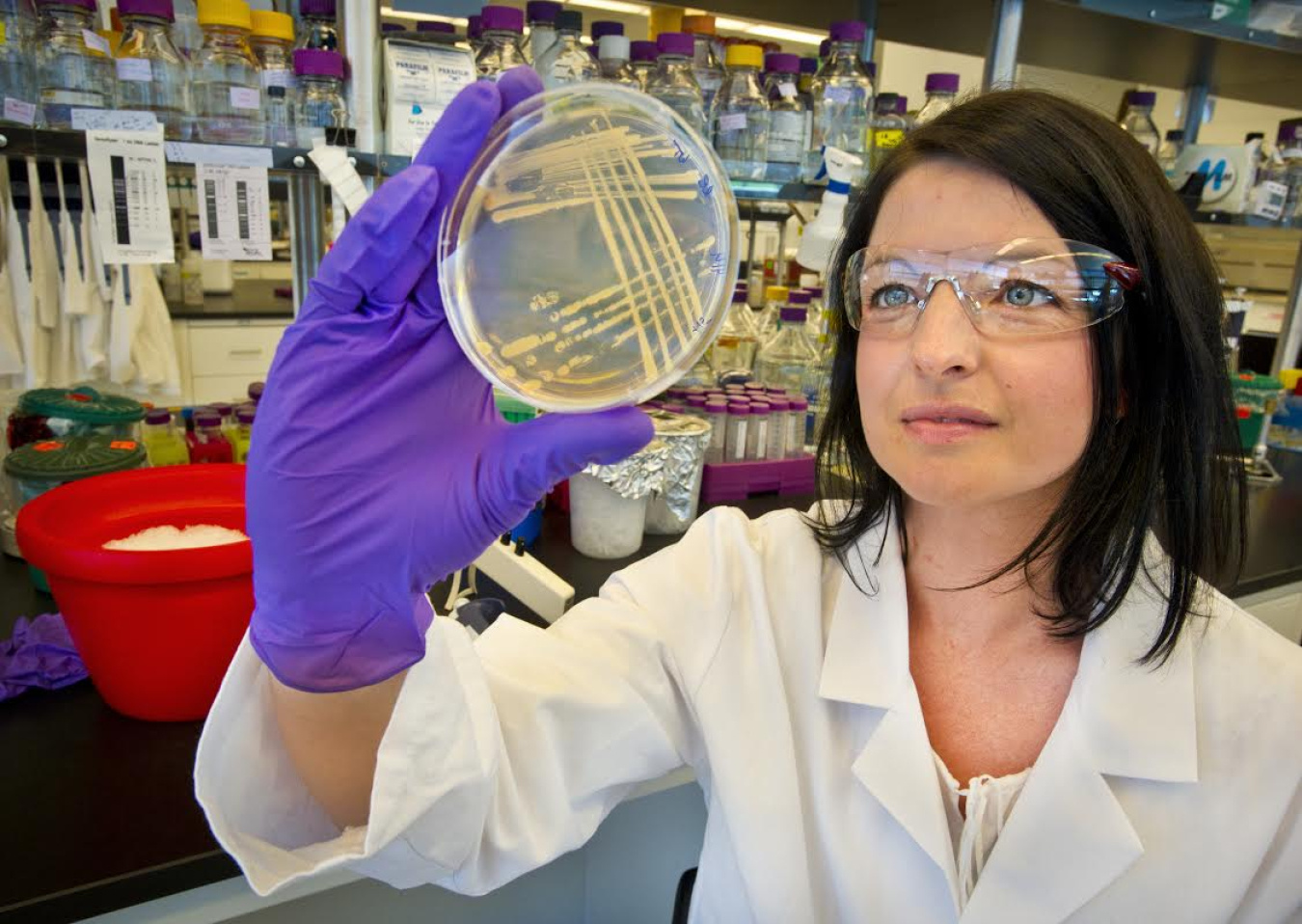
Extracting Critical Materials from the Source
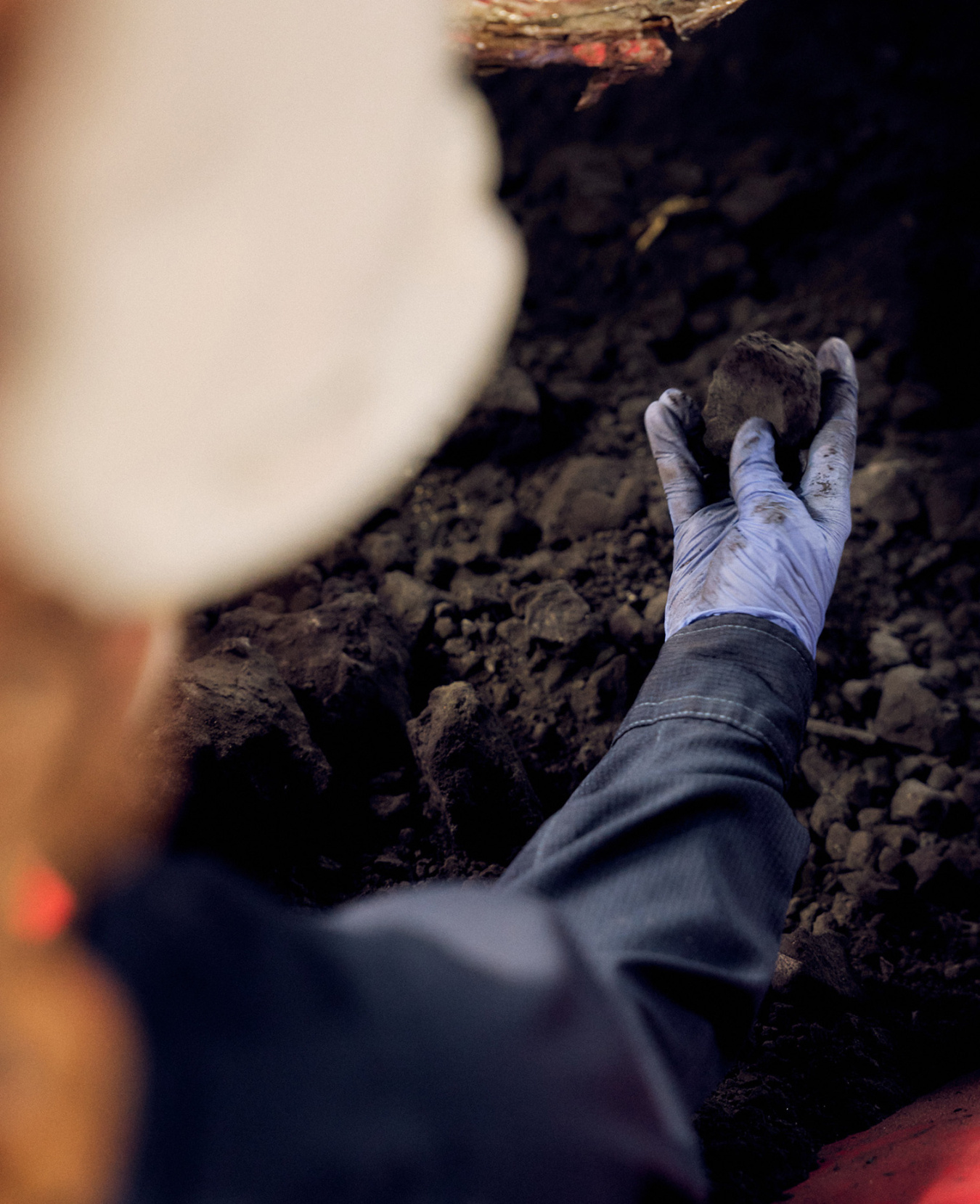
Nth Cycle, part of the 2018 Innovation Crossroads cohort at Oak Ridge National Laboratory, uses innovative methods to refine domestic critical materials. The company developed the OYSTER® , a modular system that integrates three standard industrial processes into a single architecture that helps bypass the cost, complexity, and waste of traditional mid-stream processing. In 2024, Nth Cycle launched the first-ever U.S. facility for refining high-purity nickel mixed hydroxide product (MHP) from black mass in Fairfield, Ohio.
In March 2026, Nth Cycle signed a landmark $1.1 billion offtake agreement with Trafigura, who will purchase Nth Cycle’s high-purity nickel MHP and battery-grade lithium carbonate. Nth Cycle is establishing new operations in South Carolina and the Netherlands to support this production.
Two months later, Nth Cycle announced a partnership with Ionic Rare Earths, a fully integrated rare earth supply chain developer, to establish end-to-end rare earth refining operations in the U.S. and abroad.
“Partnering with LEEP and DOE has given us the opportunity to scale our operations as we developed our modular refining platform that works to unlock critical mineral supply chains in the United States,” said Megan O’Connor, Co-Founder and CEO of Nth Cycle. “We are thankful for the partnership of DOE, CMEI, and LEEP as we work to build a new age of domestic critical minerals supply chains."
Real-Time Quality Inspection for 3D Printing
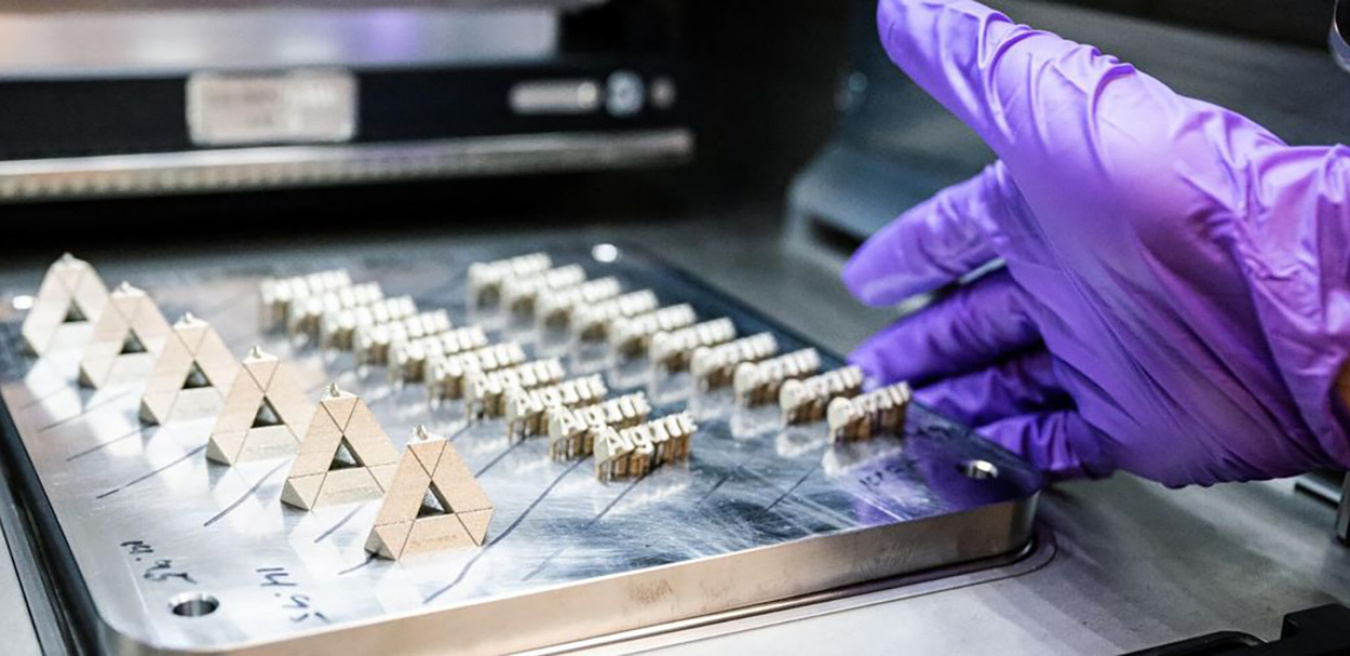
Phase3D is a software company and former LEEP cohort member under Argonne National Laboratory’s Chain Reaction Innovations. The company develops software that brings real-time analytics to 3D printing, also called “additive manufacturing.” Phase3D’s Fringe Inspection technology addresses the gap in in-process quality assurance by generating real-time, layer-by-layer heightmap data. This lets operators catch issues as they happen and improve manufacturing yield through consistent, high-quality part production.
These innovations have already caught the attention of investors. In June 2026, Phase3D secured $2.9 million in its latest funding round.
“This funding is a strong vote of confidence in our mission to make additive manufacturing trustworthy enough for the most critical industries,” said Niall O’Dowd, Founder and CEO of Phase3D. “Our goal is a future where parts come off the printer born qualified, without the need for expensive post-print inspection. This round lets us accelerate toward that vision and bring real-time quality assurance to manufacturers who can’t afford to get it wrong.”
Strengthening the Critical Material Supply Chain
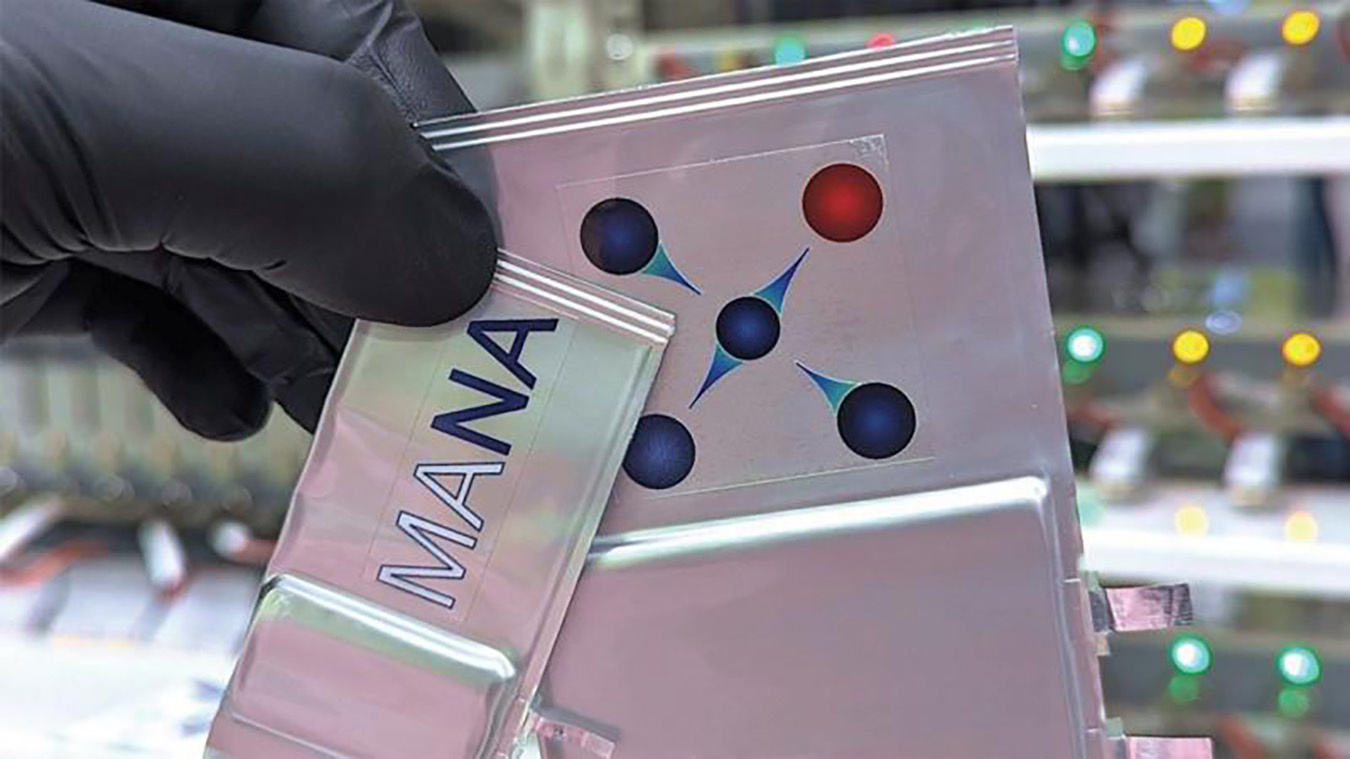
Mana Battery, which was part of the 2024 cohort under the National Laboratory of the Rockies’ West Gate, is advancing the use of sodium-ion batteries as an alternative or replacement for lithium-ion batteries, thereby reducing America’s demand for lithium.
“Public-private partnerships are a driving force behind American energy innovation,” said Tyler Evans, Co-Founder and CEO of Mana Battery. “Mana’s relationships with LEEP, the National Laboratories, and others have helped accelerate our roadmap as a domestic supplier of leading sodium-ion battery technology. Ultimately, this builds a more resilient, Made-in-America energy future."
Greater use of sodium-ion batteries, which are assembled from domestically abundant and affordable raw materials, lessens reliance on the scarcer minerals needed to produce lithium-ion batteries and makes them easier to commercially scale. Mana Battery’s innovative, “anode-free” sodium battery cells can also endure high temperatures and corrosion, making them ideal for grid storage, backup data center power, and a wide range of nuclear energy and defense applications.
Mana Battery raised $6.5 million in grant funding between May 2025 and May 2026, with the goal of scaling and proving market demand over the next 12–18 months. In June 2026, Mana Battery co-founded the American Battery Leadership Coalition (ABLC), an industry group working to advance the commercial viability of sodium-ion batteries across the entire domestic battery supply chain.
Two-Way Benefits
Partnerships between the public and private sectors are valuable tools for ensuring the American public shares in the successes of American enterprise. Innovations that create jobs, reinforce our energy independence, promote affordability, and strengthen our energy security to the benefit of every American. By helping entrepreneurs overcome the challenges of early-stage technology development, LEEP amplifies their contributions to our shared prosperity.