



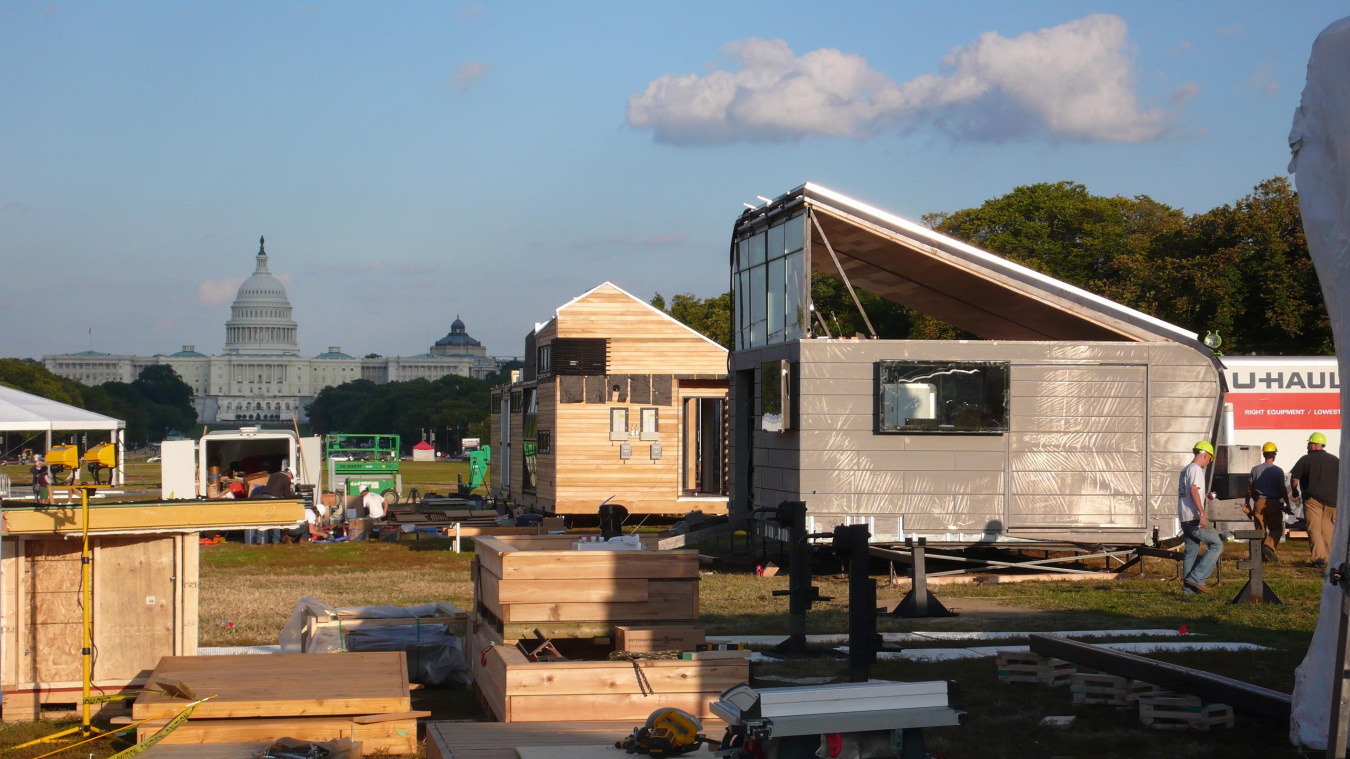
Students participating in U.S. Department of Energy BuildingsNEXT™ events have pushed the boundaries of architecture and engineering since the competition began in 2002 as the Solar Decathlon®.
Below are some examples of how student teams have integrated innovative technologies and systems into their building designs. Explore student deliverables for a deeper look into the 500+ buildings designed and built over multiple decades of competition.
Smart Homes
Home Automation and Smart Home Technology
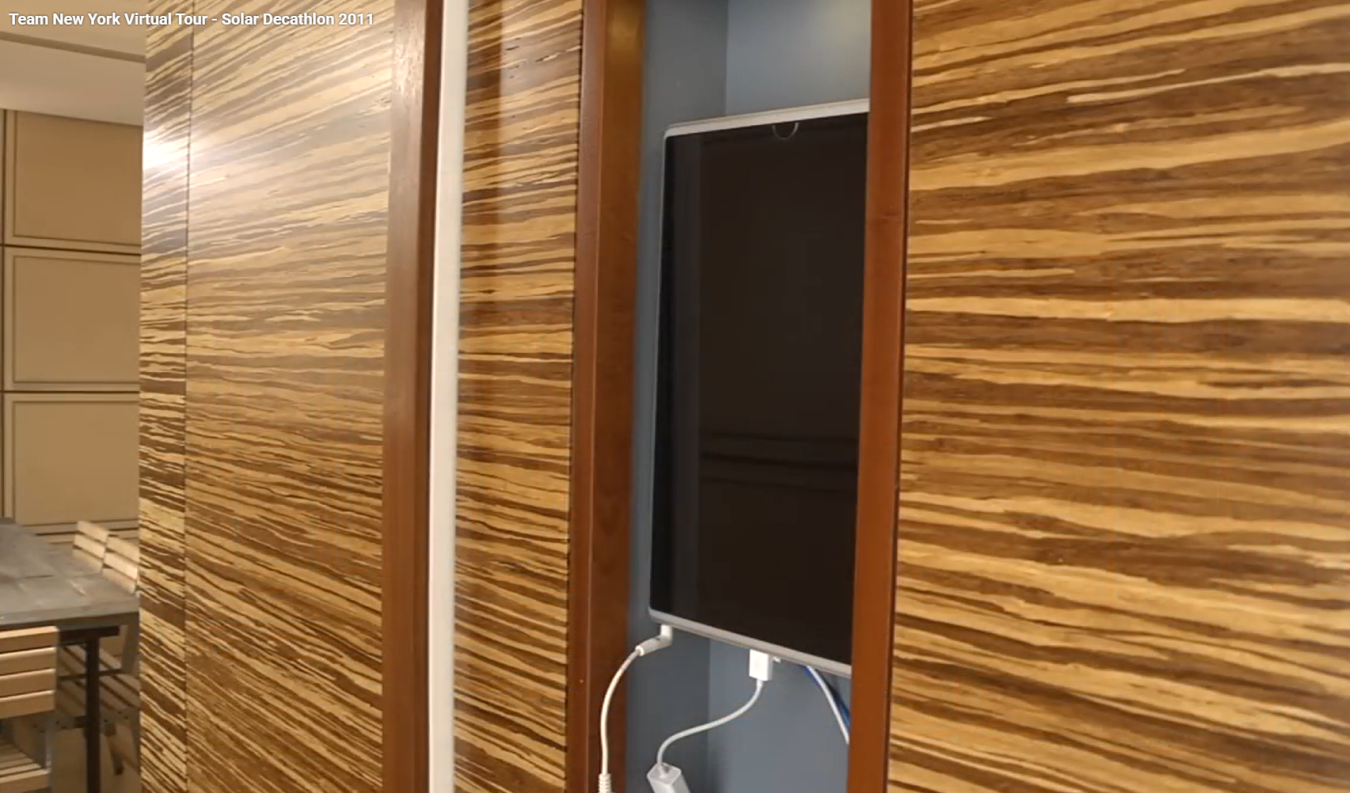
Student teams developed internet-connected home control systems and student-designed touchscreens long before their broad market adoption. As early as 2005—before tablets and smartphones existed—teams demonstrated the future of interactive technologies.
In 2005, for example, Cornell University showcased a house that not only monitored indoor air quality with carbon dioxide sensors—another technology that has since developed significantly—but also demonstrated an automatic, computerized control system for an energy recovery ventilator and touch screen control for all of the home’s heating, ventilation, and air conditioning (HVAC) systems.
Not to be outdone, a New York Institute of Technology 2005 team foreshadowed our connected futures by using handheld devices to control some systems and provide a multimedia animation of its house.
Also in 2005, a team from University of Texas at Austin developed for their house a proprietary communications system that included a touchscreen LCD panel and computer with custom programming done by students that controlled HVAC, lighting, and other building technologies.
Industrialized Construction
Structural 3D Printing
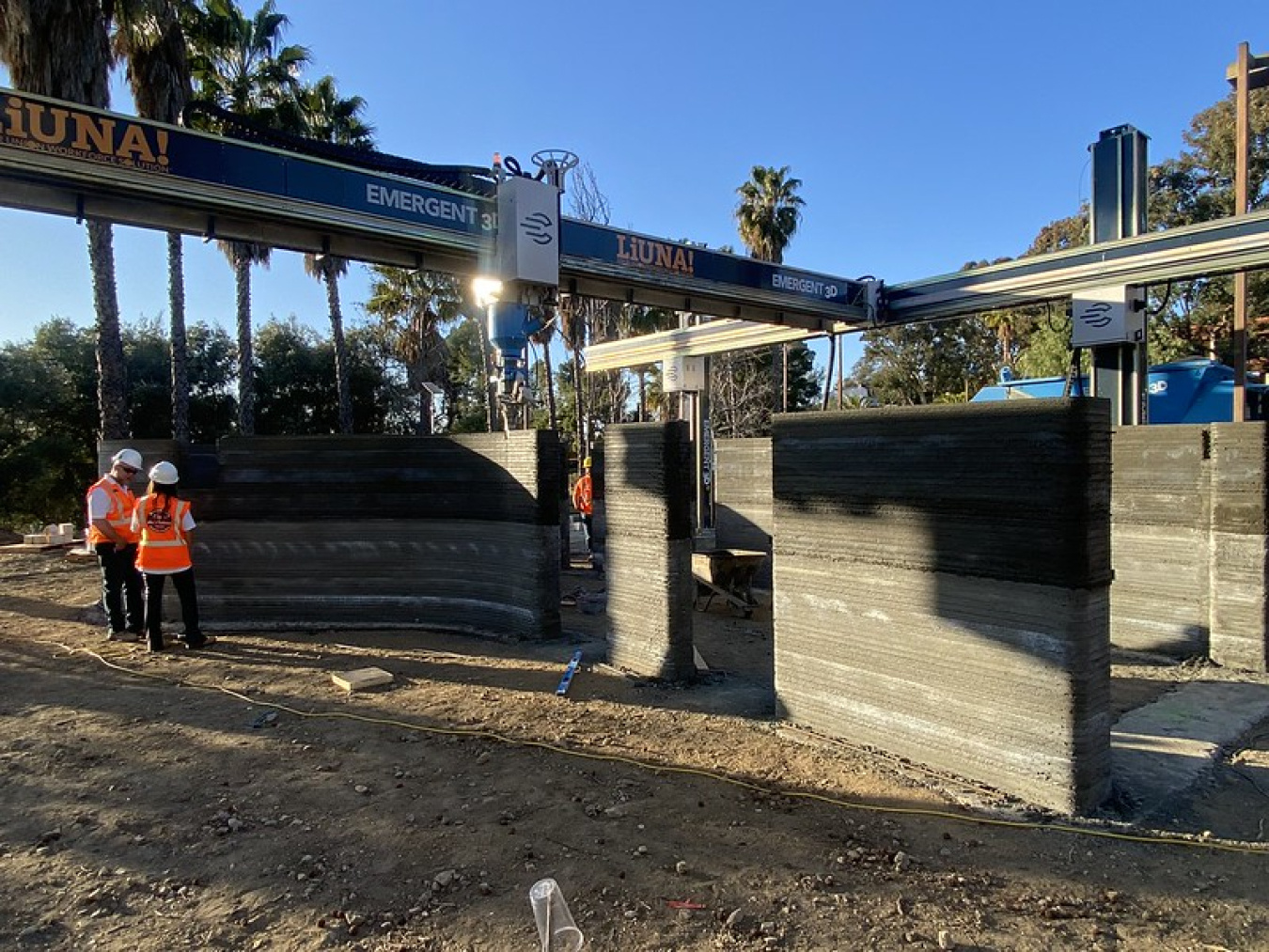
The Woodbury University entry for the 2023 Build Challenge featured a new construction technique—3D printing using concrete. The 425-square-foot design revolved around using emerging technology to create smart buildings that help solve housing affordability concerns in California.
The team partnered with Emergent, a construction firm based in Redding, California, to test the 3D printing wall technology, making the building the first 3D-printed house in Los Angeles. The concrete mixture contained a higher percentage of fly ash to increase durability, and the precision of the 3D printing process meant that no concrete was wasted, unlike traditional construction processes. The 3D printing process took only three days and allowed for curved walls and other architectural innovations.
Modular Construction
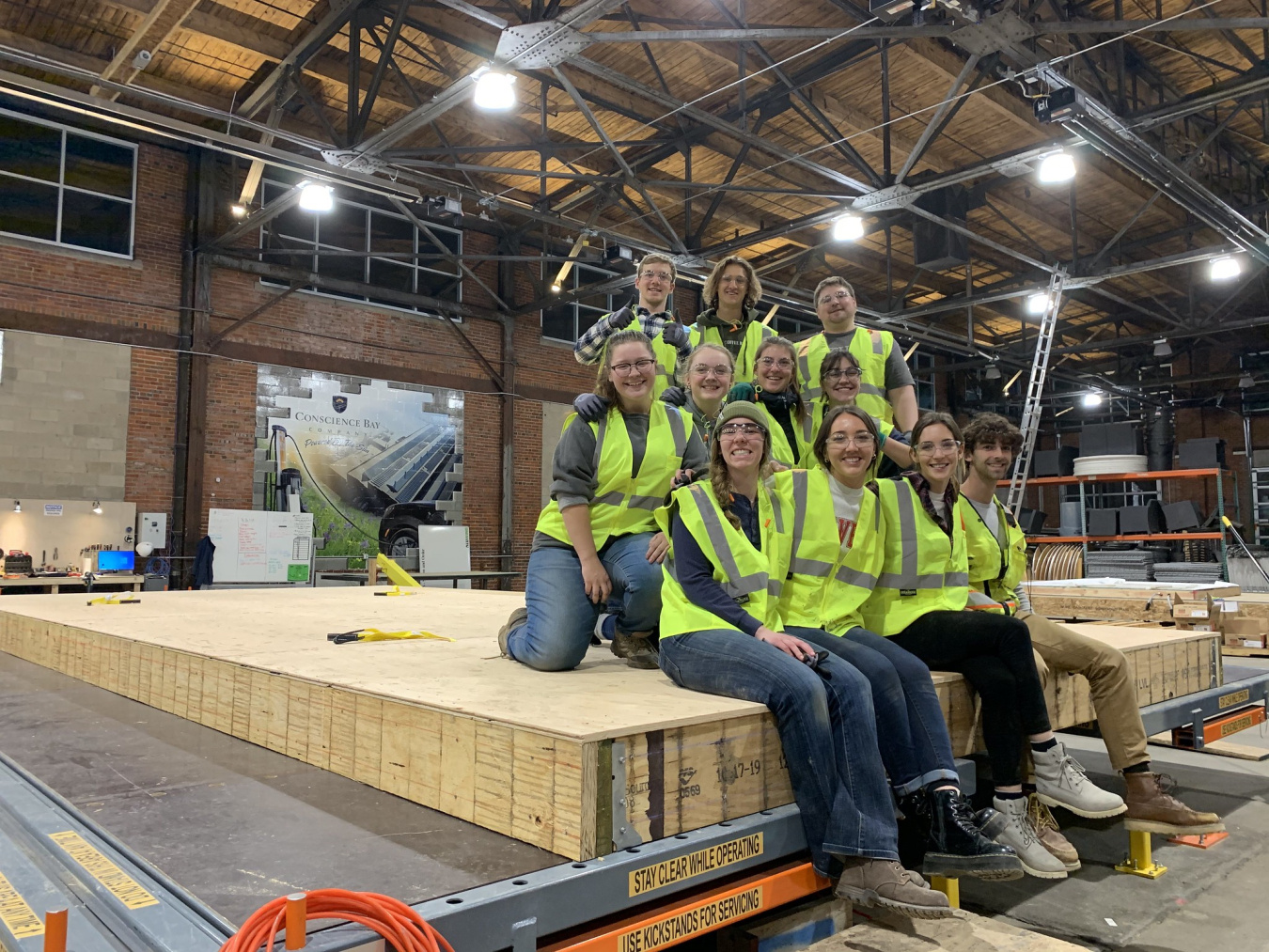
Teams have leveraged the benefits of high-quality modular construction since the early 2000s. Those benefits include lower costs, fewer wasted materials, fewer delays due to weather on-site, quicker construction timelines, and more.
In the 2025 BuildingsNEXT Showcase, the Georgia Institute of Technology team collaborated with a manufactured housing factory to adapt existing processes—such as identifying improvements to the wall, floor, and roof assemblies—to yield energy and cost savings for the end user. The approach demonstrated a potential cost savings of $23/square foot for modular construction versus site-built construction in the Atlanta market.
Replicability and ease of transport have been two main reasons Build Challenge teams across a variety of competition years have focused on improving the engineering of modular builds.
- The winners of the 2020 Build Challenge, the University of Colorado Boulder, designed for offsite construction to solve mountain town housing shortages and cost issues.
- In the 2011 competition, the team representing Old Dominion University and Hampton University designed a house that could be manufactured in an industrial plant as three modules. The design focused on improving comfort of the building and reducing energy use and upfront construction costs. The kitchen, bathroom, and sunspace were built in one module, the bedroom in a second, and the living room in the third.
Advanced Building Science
High-Performance Military Housing
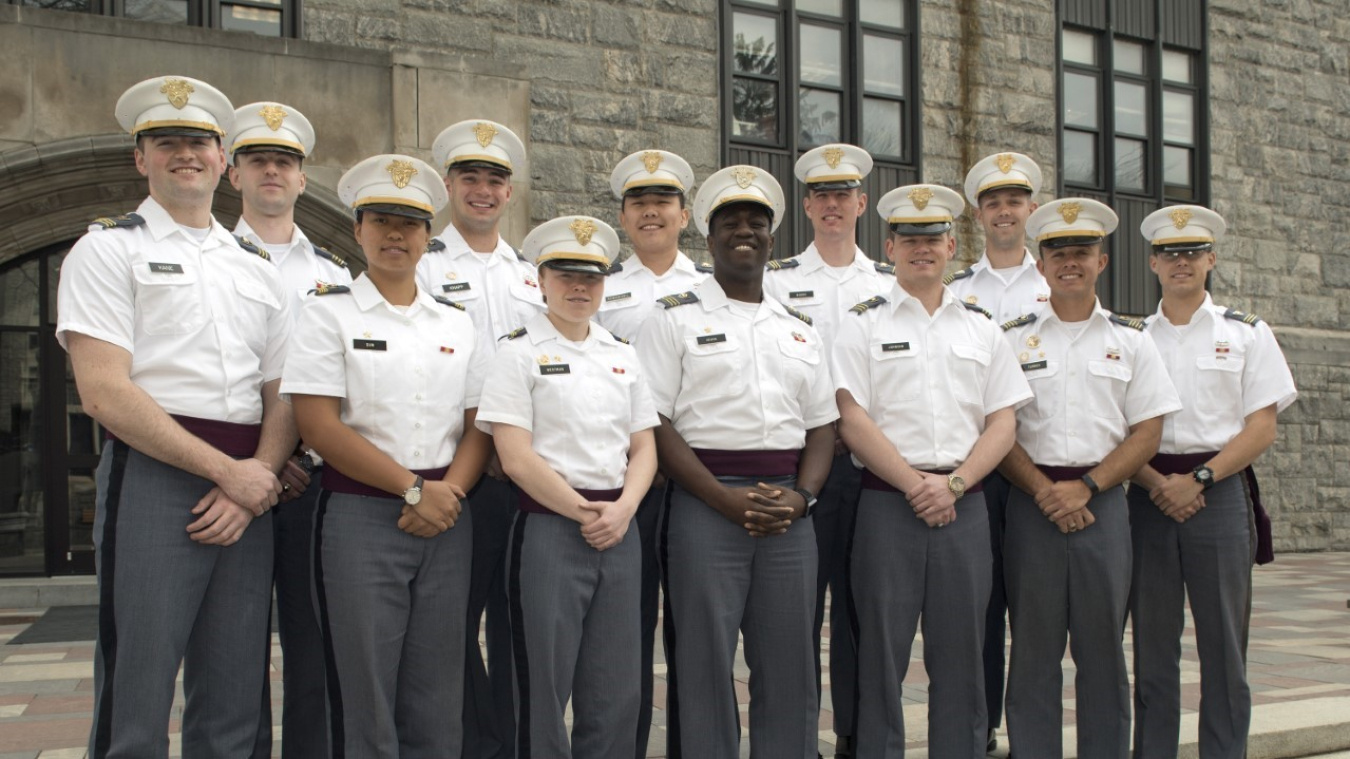
For the 2019 Design Challenge, a U.S. Military Academy at West Point team recognized a need to improve the costs and health impacts associated with military housing for their “All-American Abode” project designed for Fort Bragg, North Carolina. The team took advantage of advanced building design approaches such as structural insulated panels—prefabricated exterior wall panels with rigid foam insulation sandwiched between two boards—that provided better insulation, quicker assembly, and were locally sourced.
The All-American Abode also integrated a new lighting model, automatic control of housing systems, and sensors to increase the energy performance and quality of life within the home.
Natural Disaster Preparedness and Recovery
Earthquake Resilience
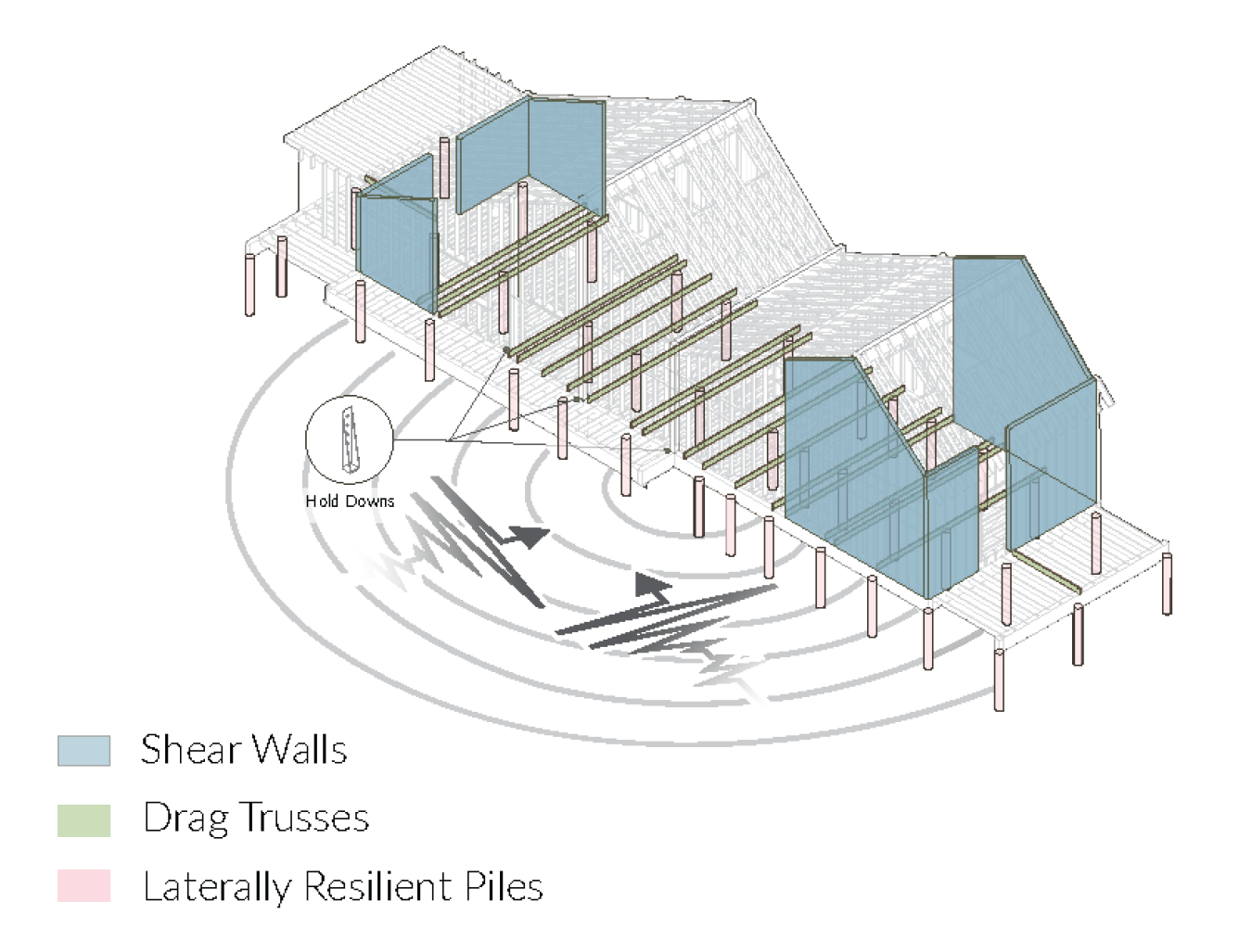
Located near the boundary of two tectonic plates, Vancouver is highly susceptible to seismic activities, which informed the University of British Columbia’s design and construction for the 2023 Build Challenge. The structure used a system of strategically placed rigid shear walls—walls that resist sideways forces from earthquakes and wind—composed of lumber studs arranged flush against a sheet of plywood. Additionally, the team used foundation structural supports called screw piles that are driven deep into the ground and enhanced these with engineered wood frameworks to go beyond what was required by building codes to ensure earthquake resilience. Compared with traditional home design, the engineered design called for an additional four piles to better handle earthquake stresses.
Hurricane Resilience
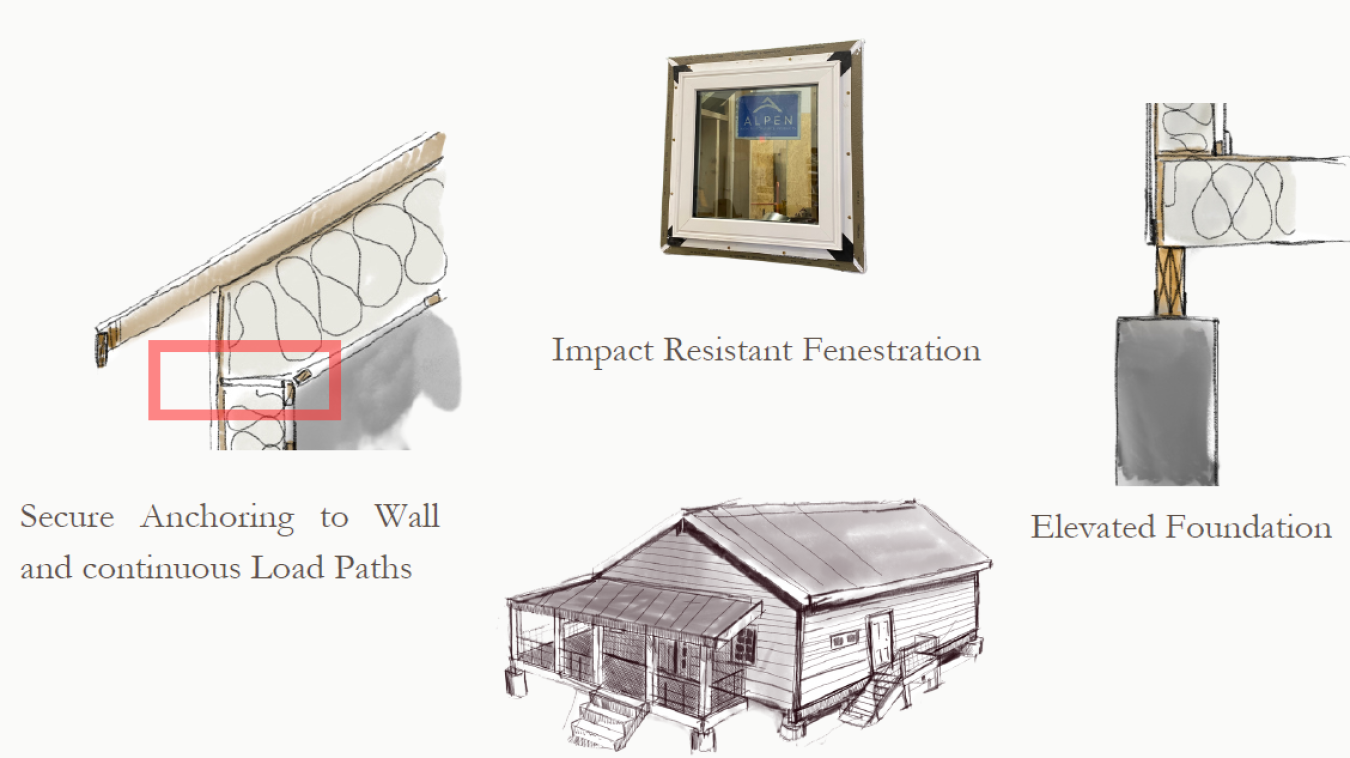
The Appalachian State University team for the 2025 BuildingsNEXT Showcase used hurricane-resilient design approaches to rebuild after Hurricane Helene, which generated 130-mile-per-hour winds. To counter such wind forces and flooding, the team used structural designs that transfer wind loads into the ground, impact-resistant windows, and elevated foundations. The team also turned to offsite construction for cost efficiency over traditional building methods to make recovery faster and more affordable.
Advanced Lighting Technologies
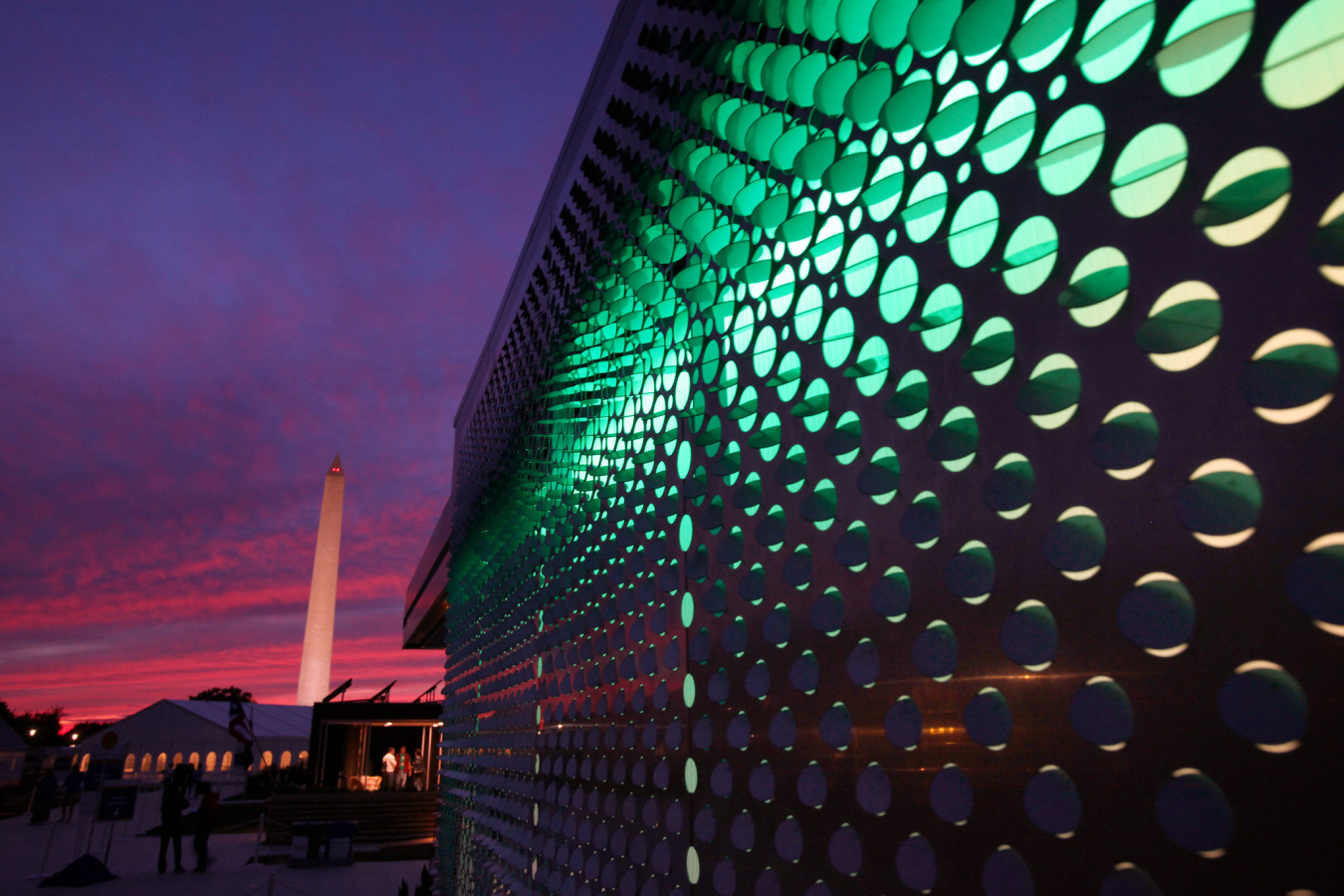
Multiple teams used advanced lighting techniques as early as the 2005 event, including Florida International University, the University of Texas at Austin, Virginia Tech, and Carnegie Mellon University. In the Virginia Tech house, color-changing lights designed to last longer and save consumers money were placed on the bottom of polycarbonate walls, illuminating the entire wall surface as pictured.
By 2009, several teams were already demonstrating advanced lighting solutions throughout their houses and exhibiting them publicly.