




The U.S. Department of Energy (DOE) Office of Inspector General (IG) performed an audit during the period of June 2013 through October 2014 to determine if the DOE Office of Legacy Management (LM) has effectively managed its existing Uranium Mill Tailings Radiation Control Act of 1978 (UMTRCA) Title II sites.
UMTRCA Title II covers commercially owned and operated uranium-ore mill sites that were regulated and under active license by the U.S. Nuclear Regulatory Commission (NRC) when the act was passed. Title II mill owners are responsible for cleanup of any onsite radioactive waste remaining from processing operations.
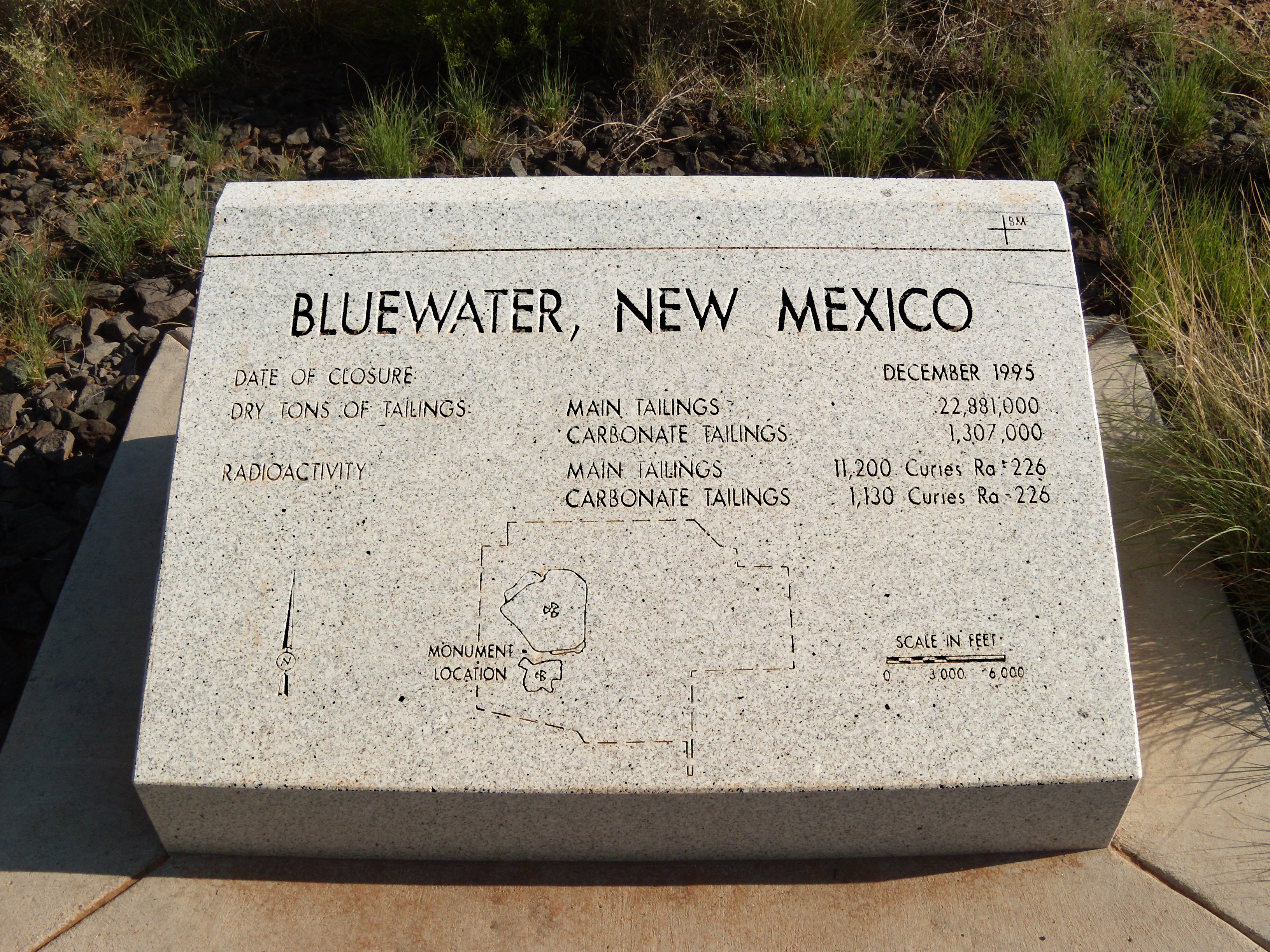
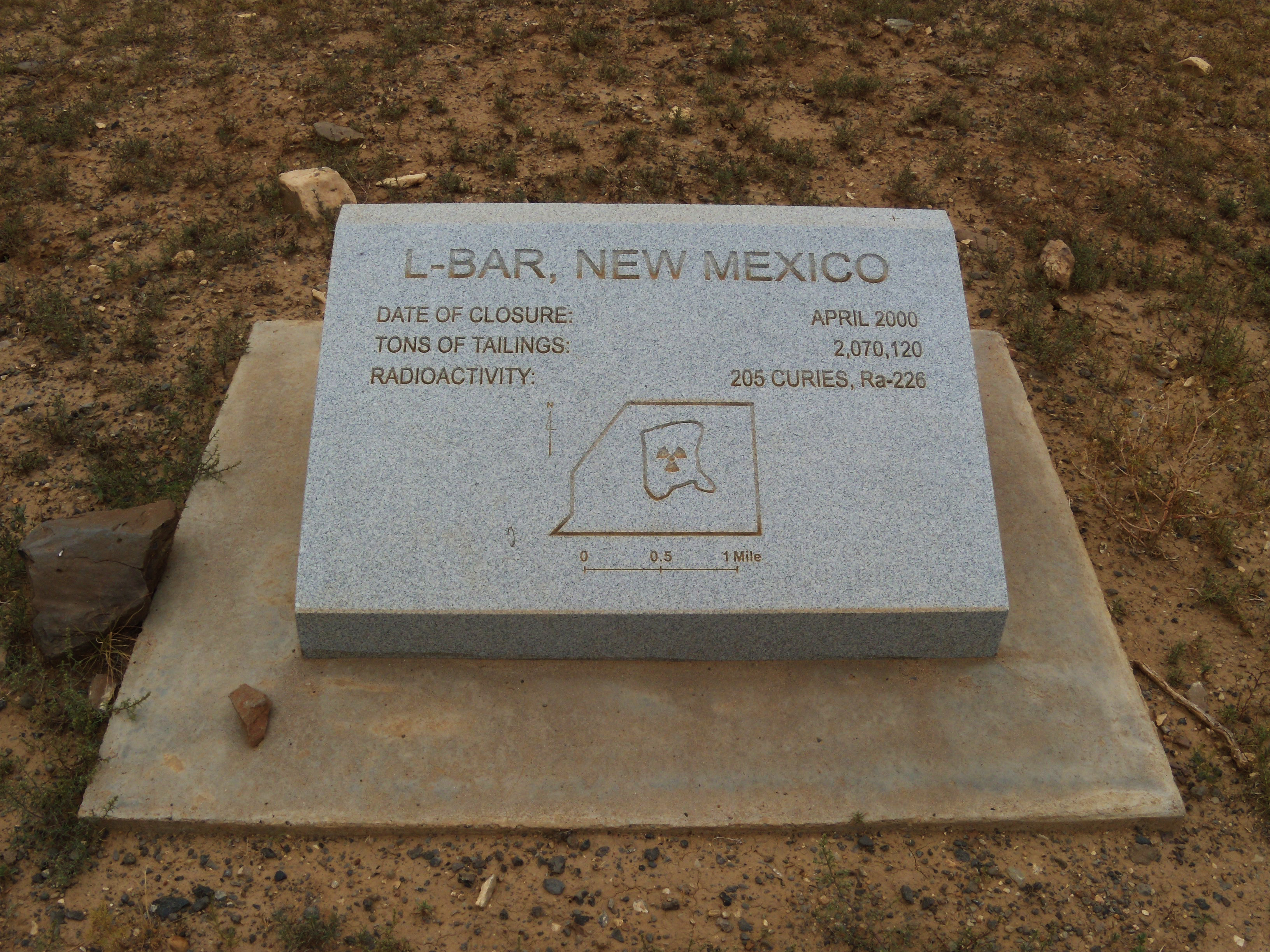
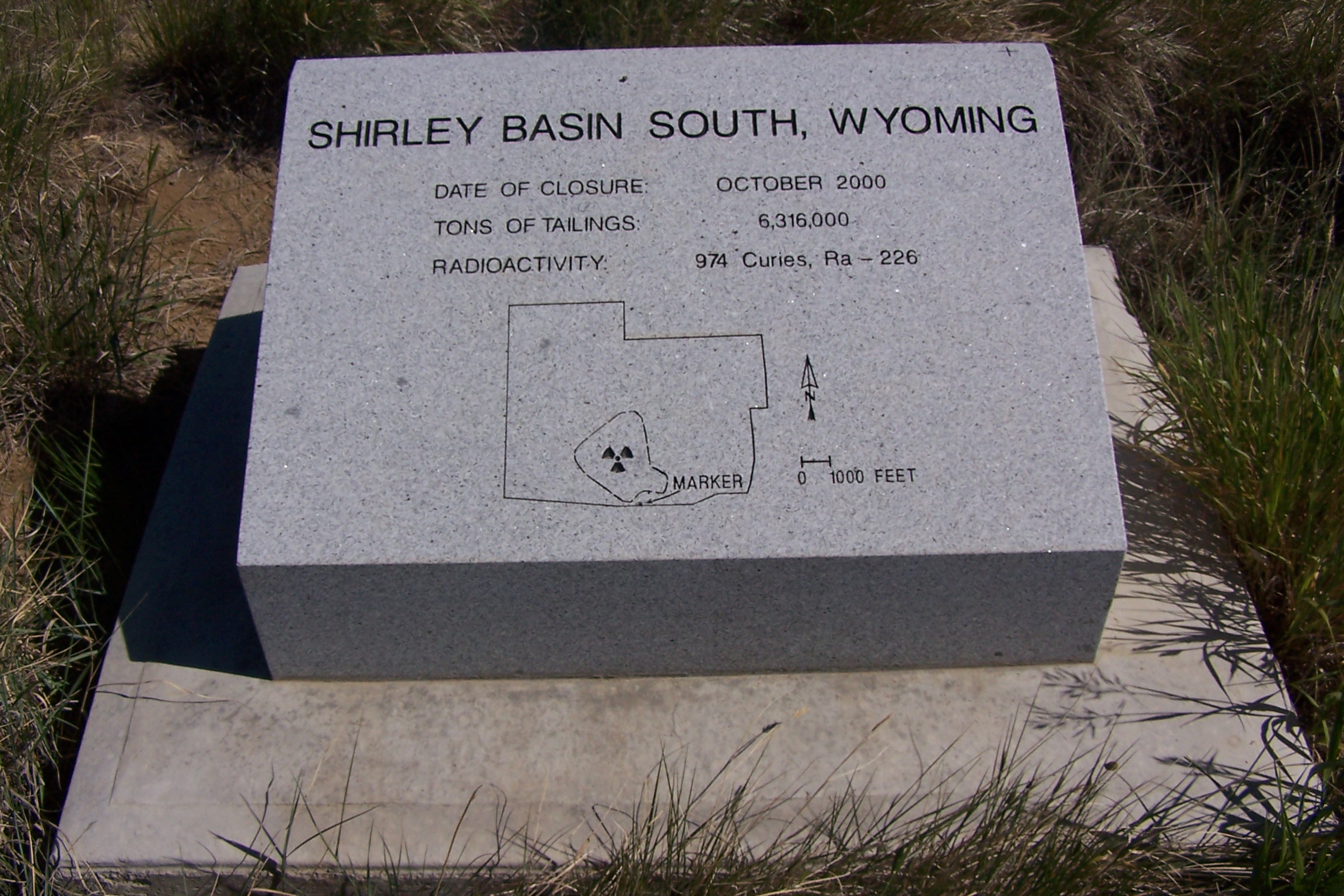
After NRC has approved cleanup and reclamation, the mill owner’s license is terminated and long-term surveillance and maintenance responsibilities are transferred to either LM or the host state, under an NRC general license. To date, no state has assumed custody of any Title II site. LM currently manages six Title II sites: Bluewater and L-Bar, New Mexico; Edgemont, South Dakota; Maybell West, Colorado; Sherwood, Washington; and Shirley Basin South, Wyoming. LM anticipates managing 21 additional Title II sites, as each license is terminated.
Before terminating a license, NRC assesses a long-term surveillance charge (LTSC) to each mill owner, which is paid to the U.S. Treasury to cover the cost of long-term surveillance and maintenance. Upon termination of the mill owner’s license, LM, as the final steward, uses appropriated funds to perform long-term custodial activities at the sites.
UMTRCA does not provide a mechanism for cost recovery from former mill owners after license termination. LTSCs, as determined by NRC, for sites currently in LM’s inventory, were based on the assumption of passive surveillance and maintenance before LM and NRC gained experience with transferred Title II sites. For several sites, the inadequacy of LTSCs to cover surveillance and maintenance costs provides valuable lessons learned for ensuring future LTSCs are representative. IG did not make any formal recommendations because of LM’s ongoing negotiations with NRC to resolve the LTSC deficiencies outlined in the IG report. However, IG suggested that LM continue working with NRC regarding the cost of activities to be included in LTSCs.
Recognizing these challenges, LM has addressed the issues associated with site transfers and long-term costs. However, additional work is needed. LTSCs should cover costs for land stewardship that ensures radiological health and safety and include pre-transfer costs incurred by LM. NRC is addressing LM’s concerns by developing new guidelines for assessing LTSCs. LM will continue to work toward resolving remaining LTSC deficiencies.
For a copy of the report please refer to
http://energy.gov/ig/downloads/audit-report-oas-l-15-02.
Image
|
| Bluewater, New Mexico, Disposal Site. |
Image
|
| L-Bar, New Mexico, Disposal Site. |
Image
|
| Shirley Basin South, Wyoming, Disposal Site. |