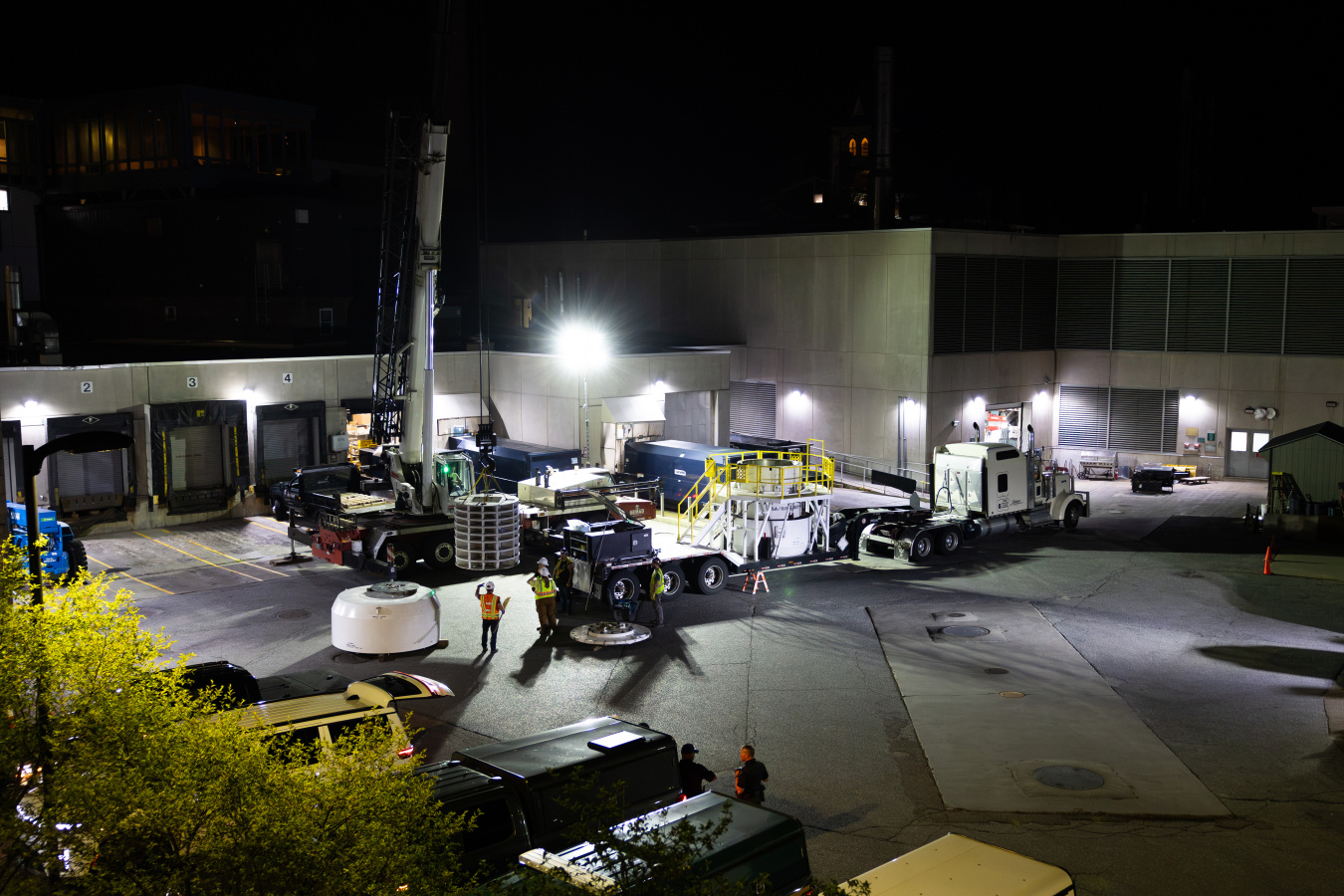
In another major Trump Administration national security win, Vermont joins the growing list of states cleared of radioactive cesium. NNSA continues to lead national efforts to remove radiological devices to eliminate their risk and keep Americans safe.
National Nuclear Security Administration
September 10, 2026 Estimated Read Time min
97 Percent of the Targeted Devices Using This Radioactive Element Have Now Been Eliminated or Contracted for Removal across the United States
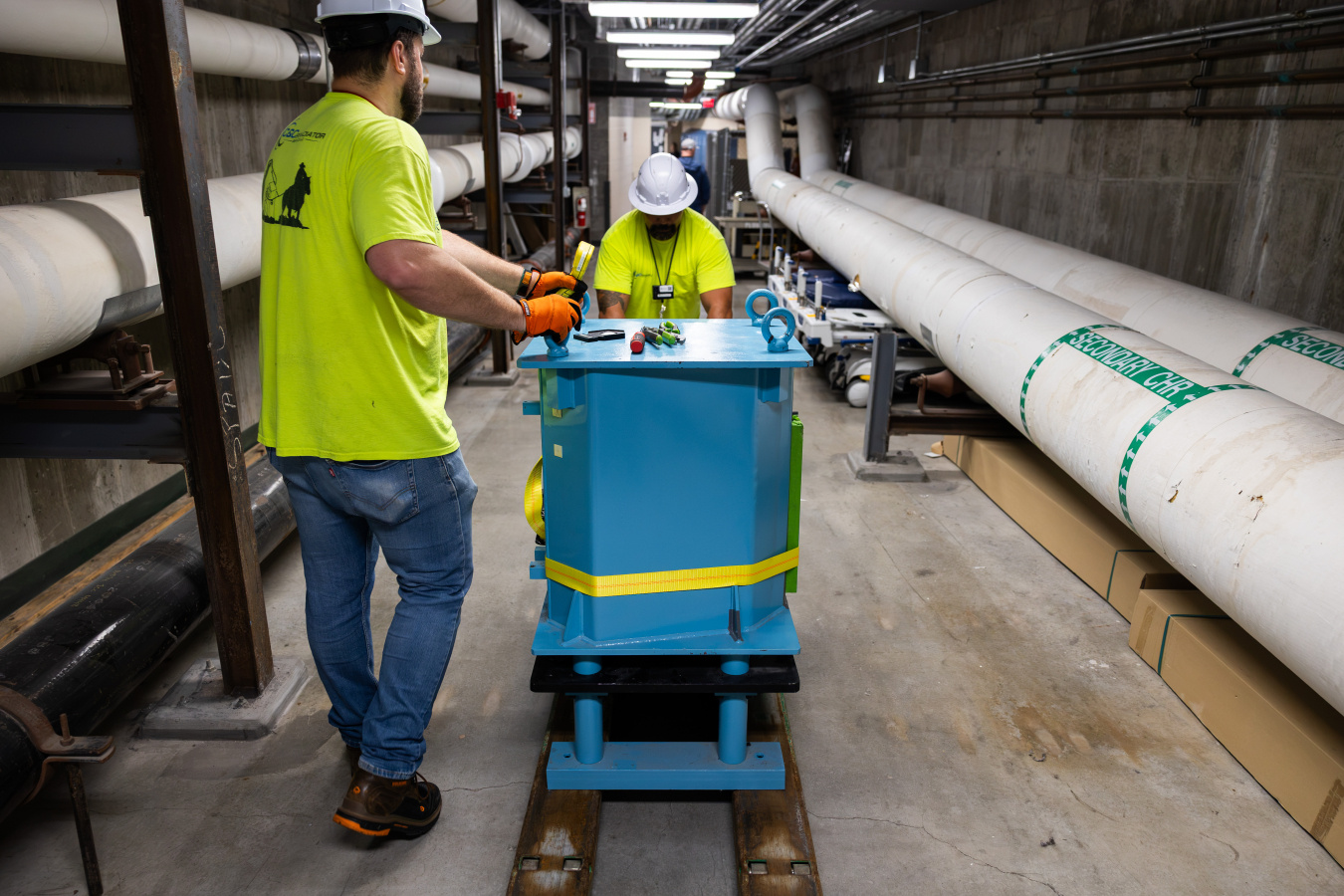
WASHINGTON – The National Nuclear Security Administration (NNSA) has successfully removed all high-risk cesium from Vermont, marking a critical milestone for national security. Vermont is now the 15th U.S. state or territory to be declared free of high-risk quantities of cesium-137, underscoring the broad reach of NNSA’s radiological security initiatives.
Cesium-137 is a radioactive isotope commonly used in medical and industrial applications, including treating blood for transfusions. However, this material poses significant security risks if used by malicious actors, as it can be weaponized to create a radiological dispersal device, commonly known as a “dirty bomb,” with potentially devastating consequences to public safety and national security.
“The safe removal of high-risk cesium from Vermont marks another milestone in safeguarding the United States under the leadership of President Trump” said Matthew Napoli, NNSA Deputy Administrator for Defense Nuclear Nonproliferation. “Each successful state cleanout is a testament to NNSA’s unique capabilities and our unwavering commitment our national security agenda to secure high-risk radioactive material, eliminate threats, and protect the American homeland.”
This operation marks the third high-risk radioactive material cleanout completed by NNSA in the United States in 2026, following successful cleanouts in North Dakota and South Carolina. With this achievement, Vermont joins Alaska, Arizona, Delaware, Idaho, Iowa, Kansas, Nevada, New Mexico, North Dakota, Oklahoma, Puerto Rico, South Carolina, South Dakota, and Wyoming in eliminating this risk from their communities.
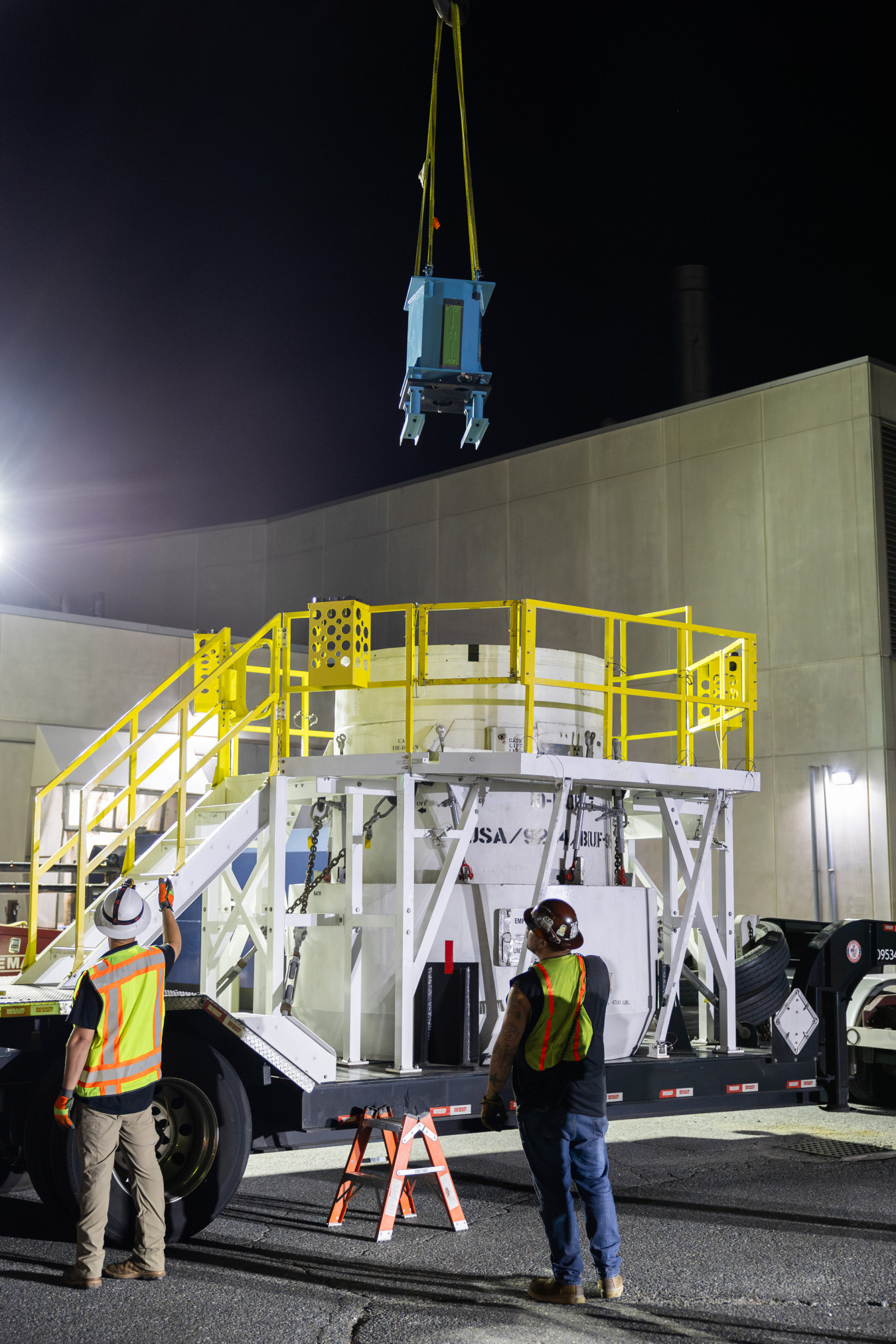
In July, a team from Idaho National Laboratory safely removed a self-shielded cesium irradiator from the University of Vermont (UVM) in Burlington, Vermont as part of NNSA’s Cesium Irradiator Replacement Project (CIRP). This voluntary program encourages users of cesium irradiators to upgrade to safer, advanced technologies, reducing the risk of high-risk radioactive materials nationwide.
“The removal of all high-risk radioactive material marks a proud moment for Vermont and a major win for national security,” said Dr. William Irwin, Vermont’s Radiation Control Program Director. “Working with the NNSA gave us the support and expertise needed to take meaningful action to protect our community and our country.”
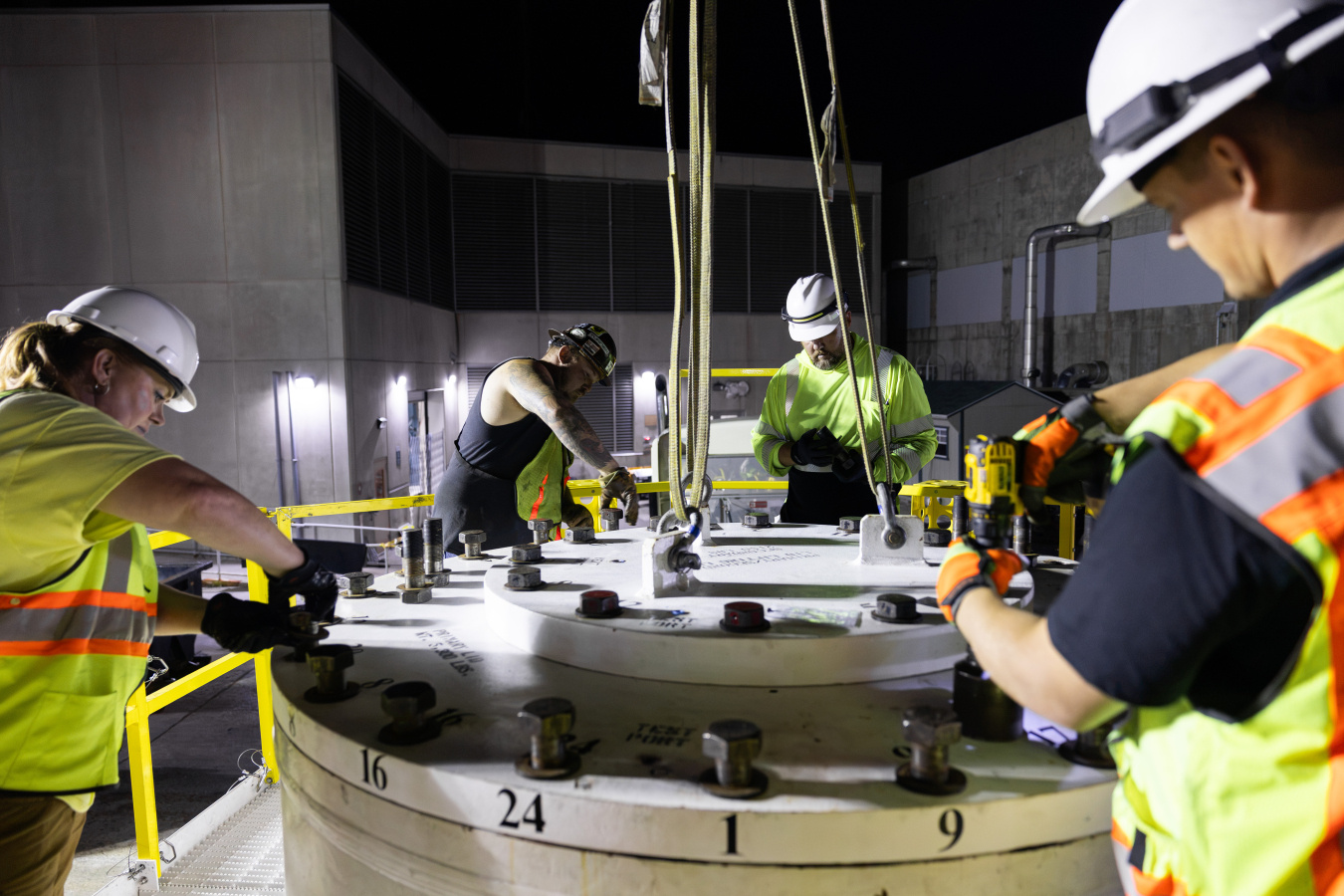
“Our team at University of Vermont Medical Center is grateful for NNSA’s support and expertise through the process of removing the cesium irradiator, allowing us to switch to more modern technology,” said Stephen Leffler, MD, President at UVM Medical Center and Chief Executive Officer of UVM Health. “We were able to safely remove radioactive material from our campus, protecting our patients, staff and community while continuing our ability to provide cutting-edge care.”
To date, 97 percent of the cesium-137-based blood irradiators in the United States have been eliminated or contracted for removal through CIRP, demonstrating the program’s success in mitigating radiological threats.
NNSA’s Office of Radiological Security enhances U.S. and global security through a two-pronged approach of eliminating risk by removing high-activity radioactive material and preventing adversaries from acquiring this material through strong industry, law enforcement, and government partnerships. These efforts safeguard American interests and promote a safer and more secure America.