



The Phoenix Ascent Exercise 2026 (PAX-26) was a two-day exercise that tested DOE/NNSA's emergency management structures, validated operating procedures, and evaluated its ability to sustain mission-essential functions during national emergencies.
National Nuclear Security Administration
September 28, 2026 Estimated Read Time min

Every September, communities across the United States participate in National Preparedness Month. This is a time to focus on how to handle unexpected emergencies, like severe storms, floods, or power outages. While families and businesses use this month to update their emergency kits, map out evacuation routes, and establish communication plans, the Department of Energy (DOE) and the National Nuclear Security Administration (NNSA) are doing the same on a larger scale.
Just days before the start of National Preparedness Month, on August 25–26, 2026, NNSA’s Office of Emergency Management facilitated an exercise involving personnel across DOE and NNSA. The Phoenix Ascent Exercise 2026 (PAX-26) was a two-day exercise that tested the Department’s emergency management structures, validated operating procedures, and evaluated its ability to sustain mission-essential functions during national emergencies.
During the exercise, DOE/NNSA officials reacted to simulated emergencies that required close coordination with teams across the country. Participants shared information, made tough decisions under pressure, and took immediate actions to effectively respond. For example, the exercise tested the field response between the Y-12 National Security Complex, Oak Ridge National Laboratory, and Oak Ridge Office of Environmental Management in East Tennessee. All three sites shared data with each other, Headquarters, and the Tennessee Emergency Management Agency for a coordinated response. This field-level cooperation allowed senior leadership to gather real-time situational awareness. Senior leaders then collaborated to unify Headquarters’ actions in Washington D.C., ensuring Federal resources and decision-makers supported local responders.
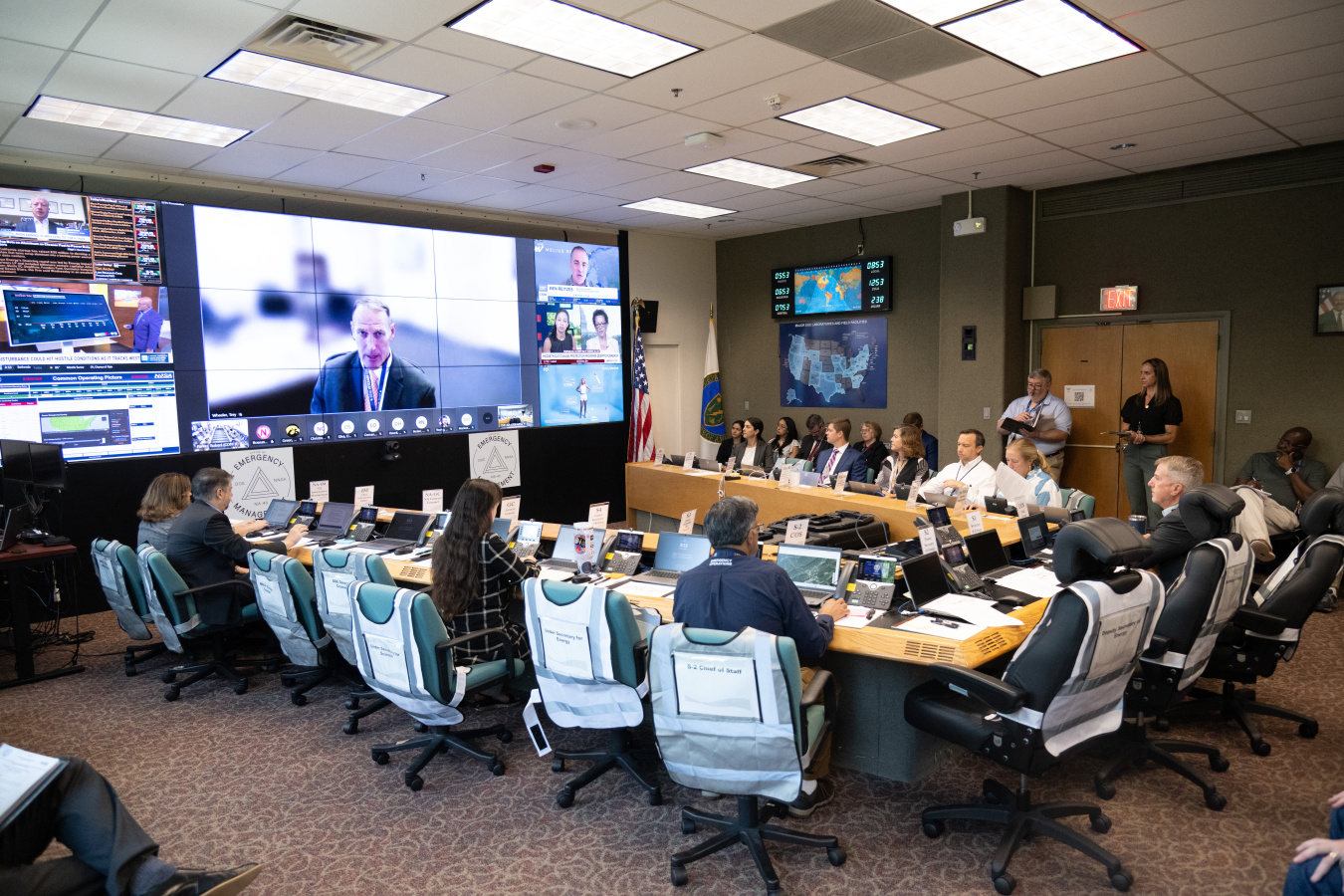
Why is this exercise so important? DOE performs some of the most critical responsibilities in the country. The Department preserves the safety and security of the nation’s nuclear weapons, helps protect the national power grid, and runs advanced national laboratories. If a major emergency occurs, DOE must respond and work as a team with great efficiency. PAX-26 was a practice run to make sure that the people, technologies, and plans that support our national functions remain ready.
Just as families need to run through a fire escape plan at home, DOE must regularly rehearse its emergency response structures and plans. This exercise highlighted an important lesson: preparedness is not just an occasional practice, it’s a necessary habit.