



U.S. nuclear plants are licensed for 40 years. Some have received 20-year extensions not once but twice, extending their lifespans to 80 years.
August 5, 2026 Estimated Read Time min
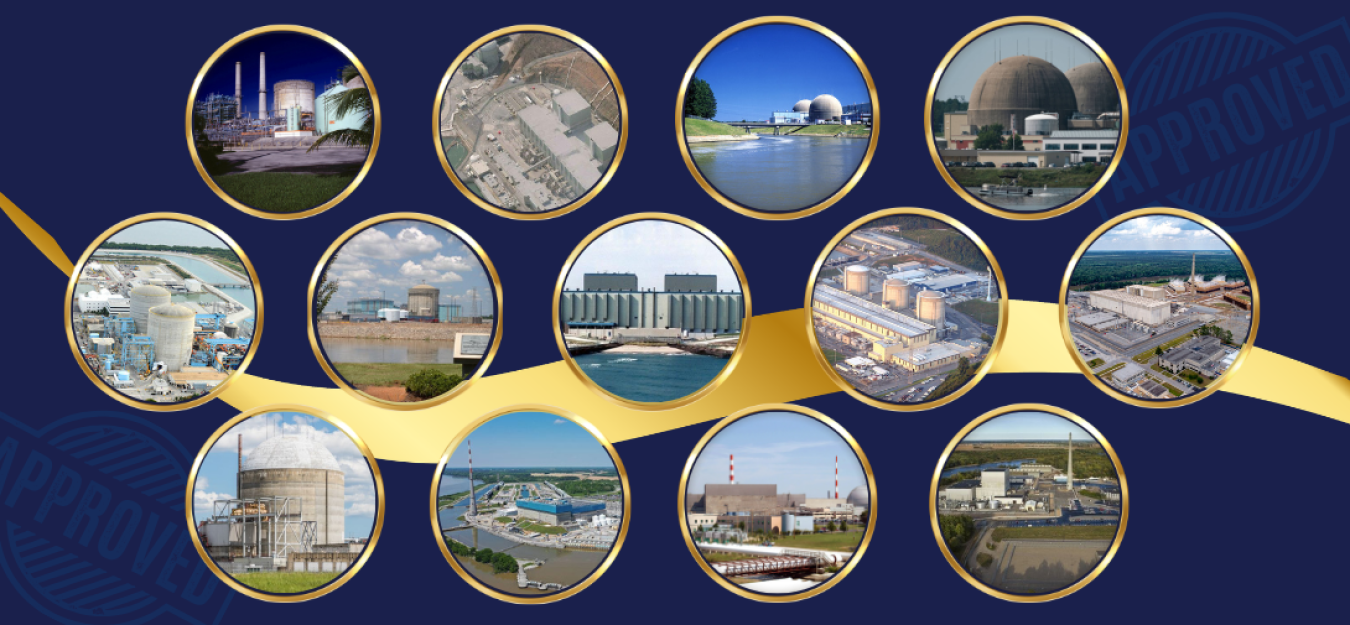
Nuclear energy is part of the fabric of America.
The United States has been a global leader in nuclear power generation for decades. The nation's 94 commercial reactors — more than any other nation on earth — have been generating reliable, affordable energy for American homes and businesses since the late 1960s. And they're still going strong.
U.S. nuclear power plants are initially licensed for 40 years, but the U.S. Nuclear Regulatory Commission (NRC) can extend reactor licenses by 20 years at a time.
Nearly all of the country’s commercial nuclear reactors have received an extension to their original licenses — but a select group have been renewed not once but twice, safely extending their lifespans to 80 years.
Meet the 80 Club.
As of June 2026, 13 nuclear plants (25 reactors in total) across the United States have received second license renewals:
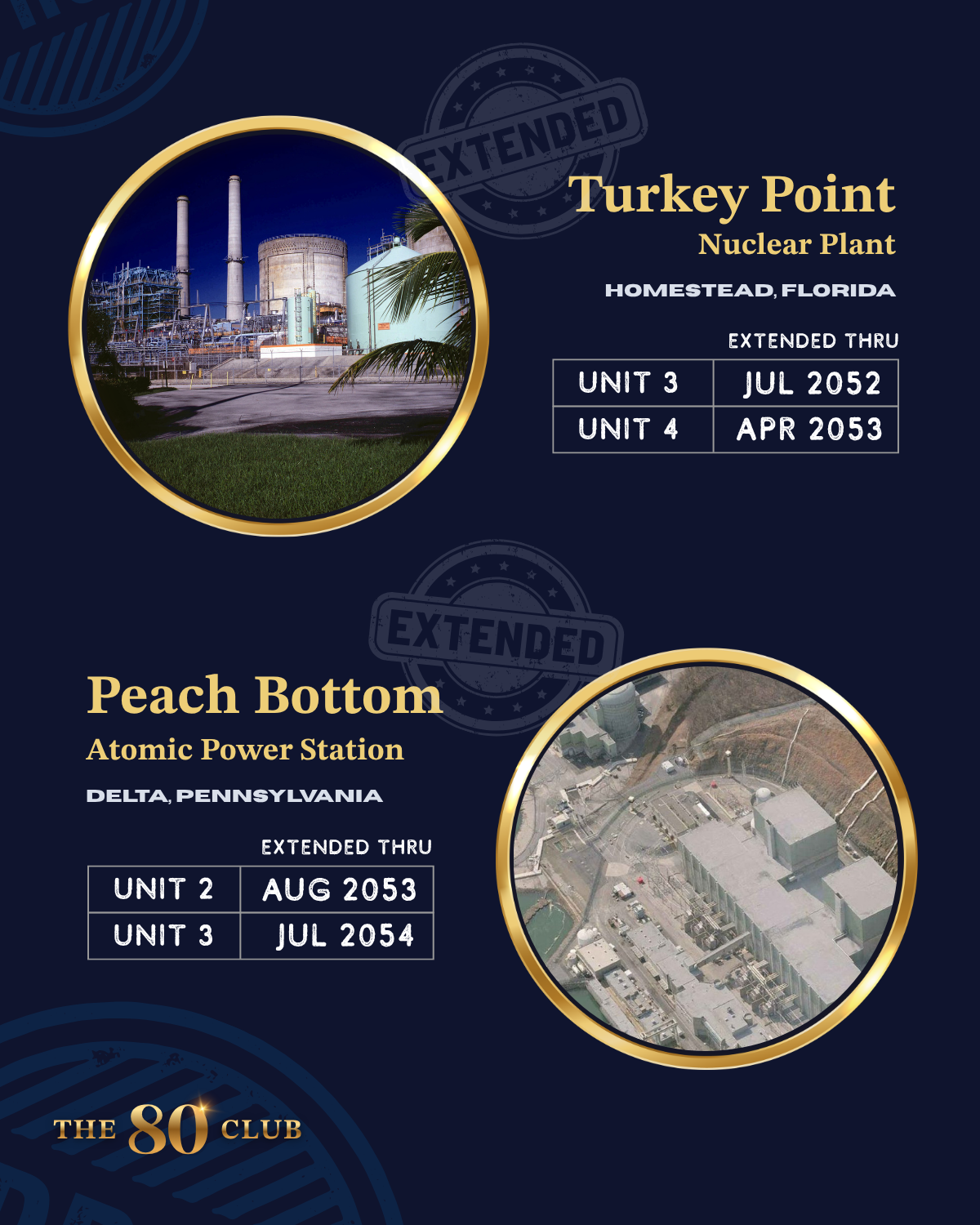
Homestead, Florida (near Miami)
- Unit 3: 837 MWe; Commercial Service: 11/02/1972
- Unit 4: 821 MWe; Commercial Service: 06/21/1973
Delta, Pennsylvania (near Harrisburg)
- Unit 2: 1300 MWe; Commercial Service: 02/18/1974
- Unit 3: 1331 MWe; Commercial Service: 09/01/1974
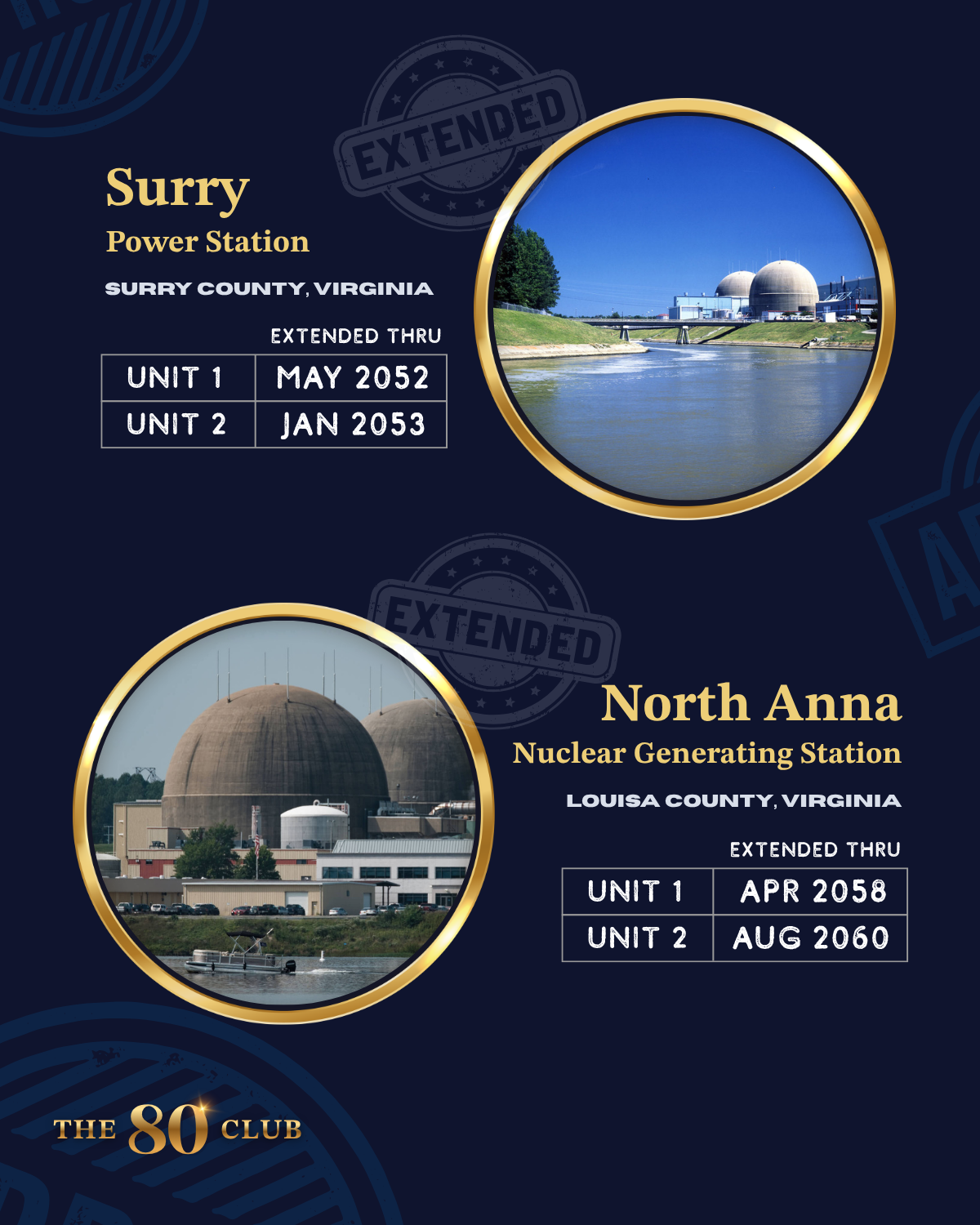
Surry, Virginia
- Unit 1: 838 MWe; Commercial Service: 07/04/1972
- Unit 2: 838 MWe; Commercial Service: 03/10/1973
Louisa, Virginia (near Richmond)
- Unit 1: 948 MWe; Commercial Service: 17/04/1978
- Unit 2: 944 MWe; Commercial Service: 08/25/1980
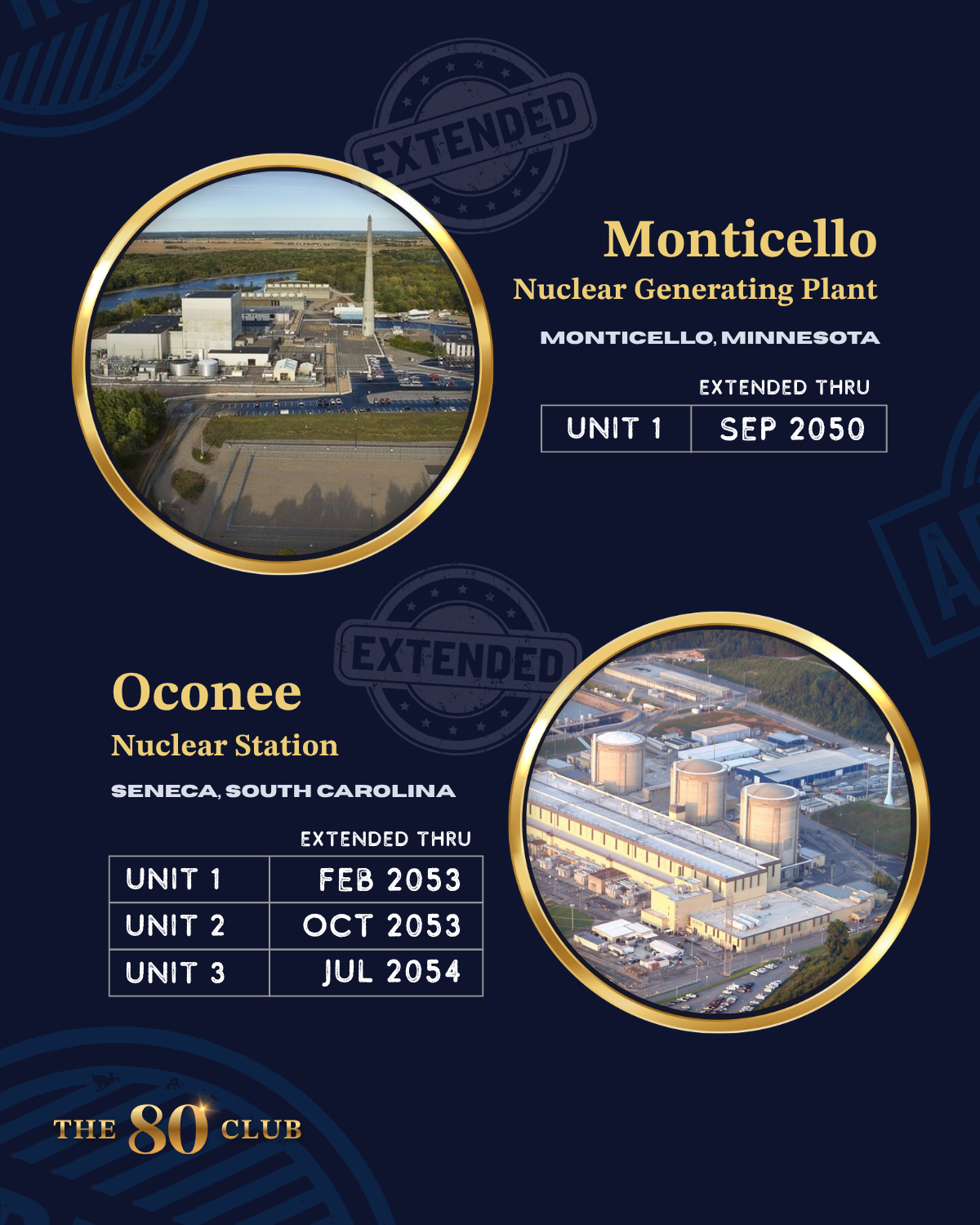
Monticello, Minnesota (near Minneapolis)
- Unit 1: 628 MWe; Commercial Service: 03/05/1971
Seneca, South Carolina
- Unit 1: 847 MWe; Commercial Service: 05/06/1973
- Unit 2: 848 MWe; Commercial Service: 12/05/1973
- Unit 3: 859 MWe; Commercial Service: 09/18/1974
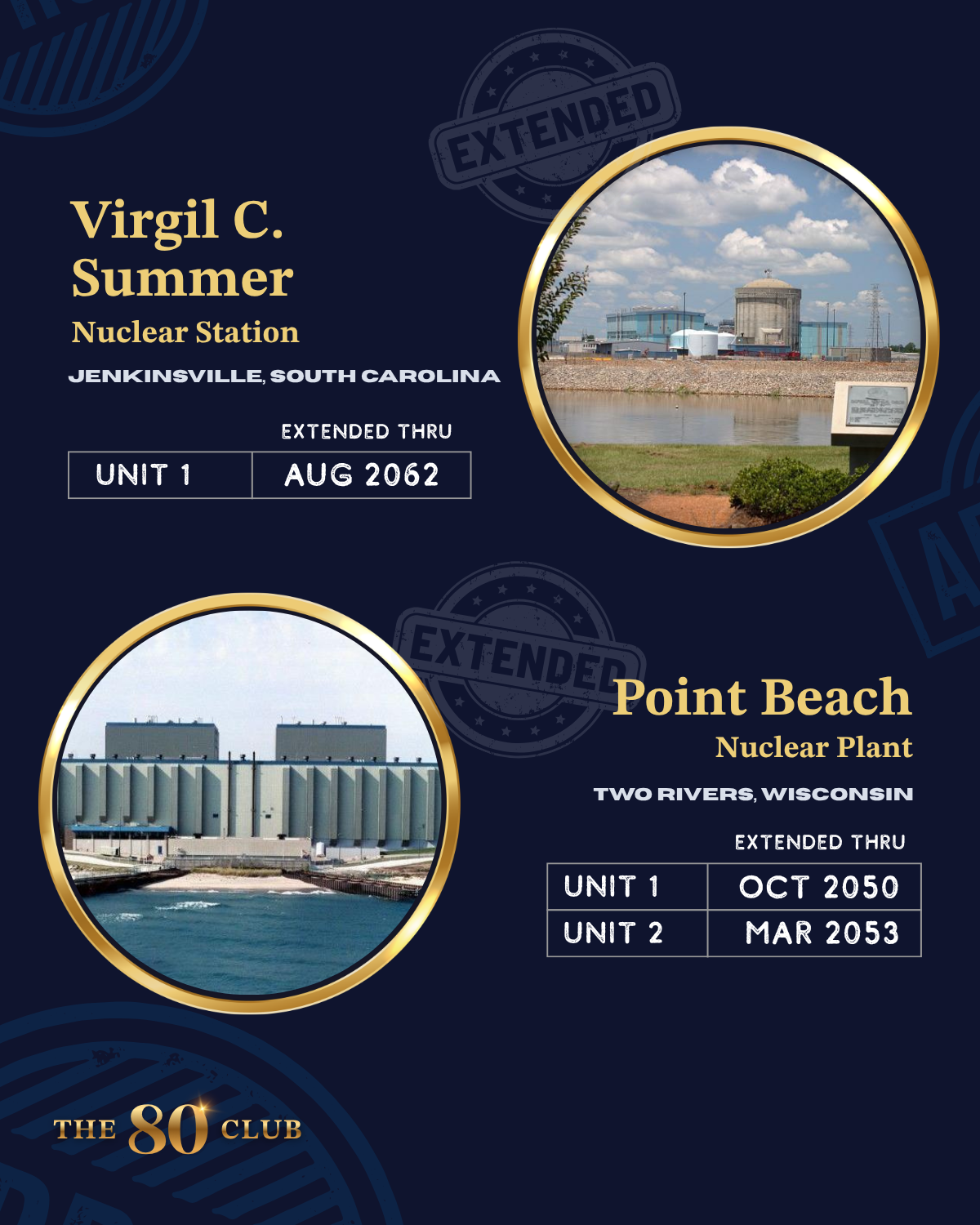
Jenkinsville, South Carolina (near Columbia)
- Unit 1: 973 MWe; Commercial Service: 11/16/1982
Two Rivers, Wisconsin
- Unit 1: 591 MWe; Commercial Service: 11/06/1970
- Unit 2: 591 MWe; Commercial Service: 08/02/1972
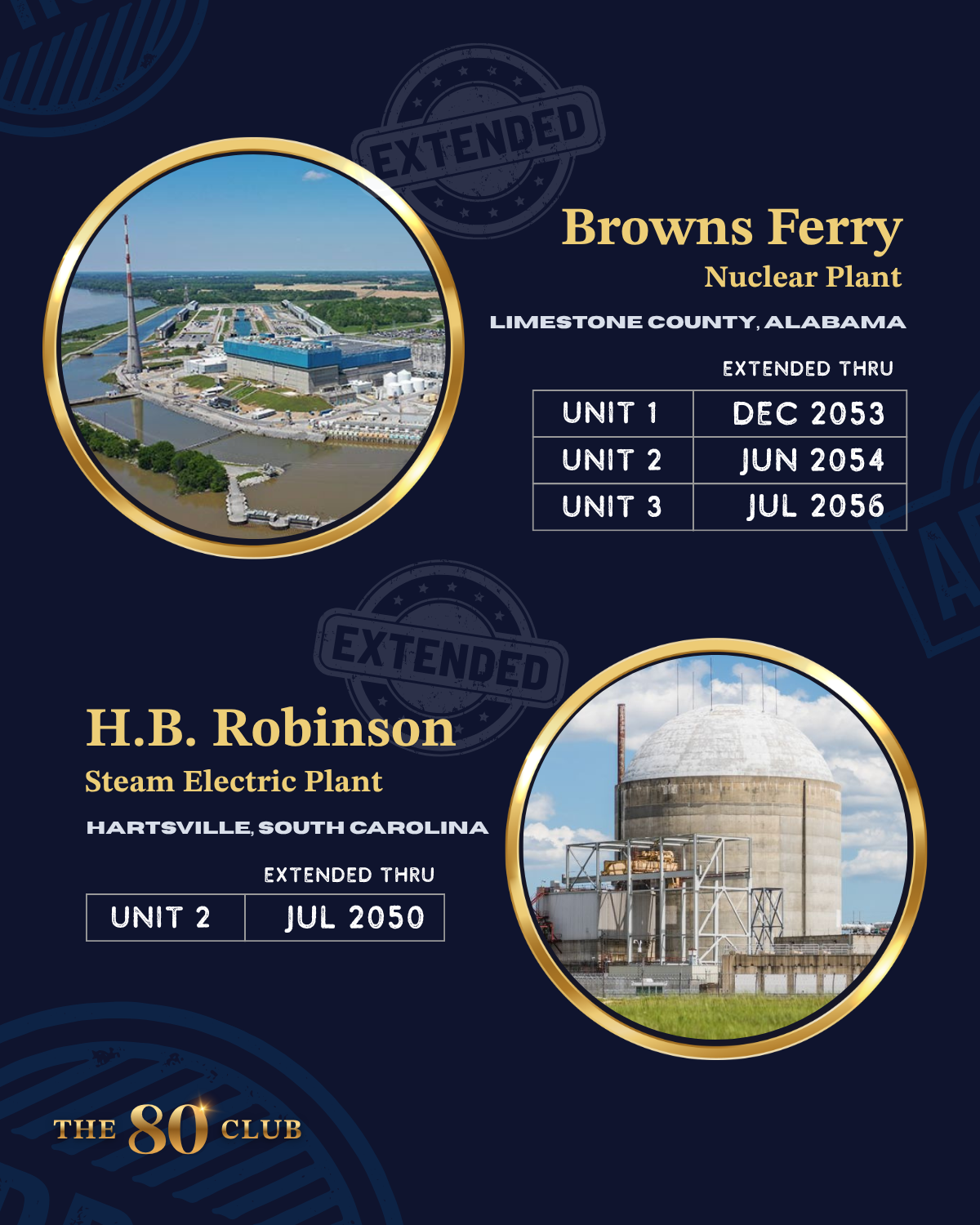
Limestone County, Alabama
- Unit 1: 1200 MWe; Commercial Service: 10/15/1973
- Unit 2: 1200 MWe; Commercial Service: 08/28/1974
- Unit 3: 1210 MWe; Commercial Service: 09/12/1976
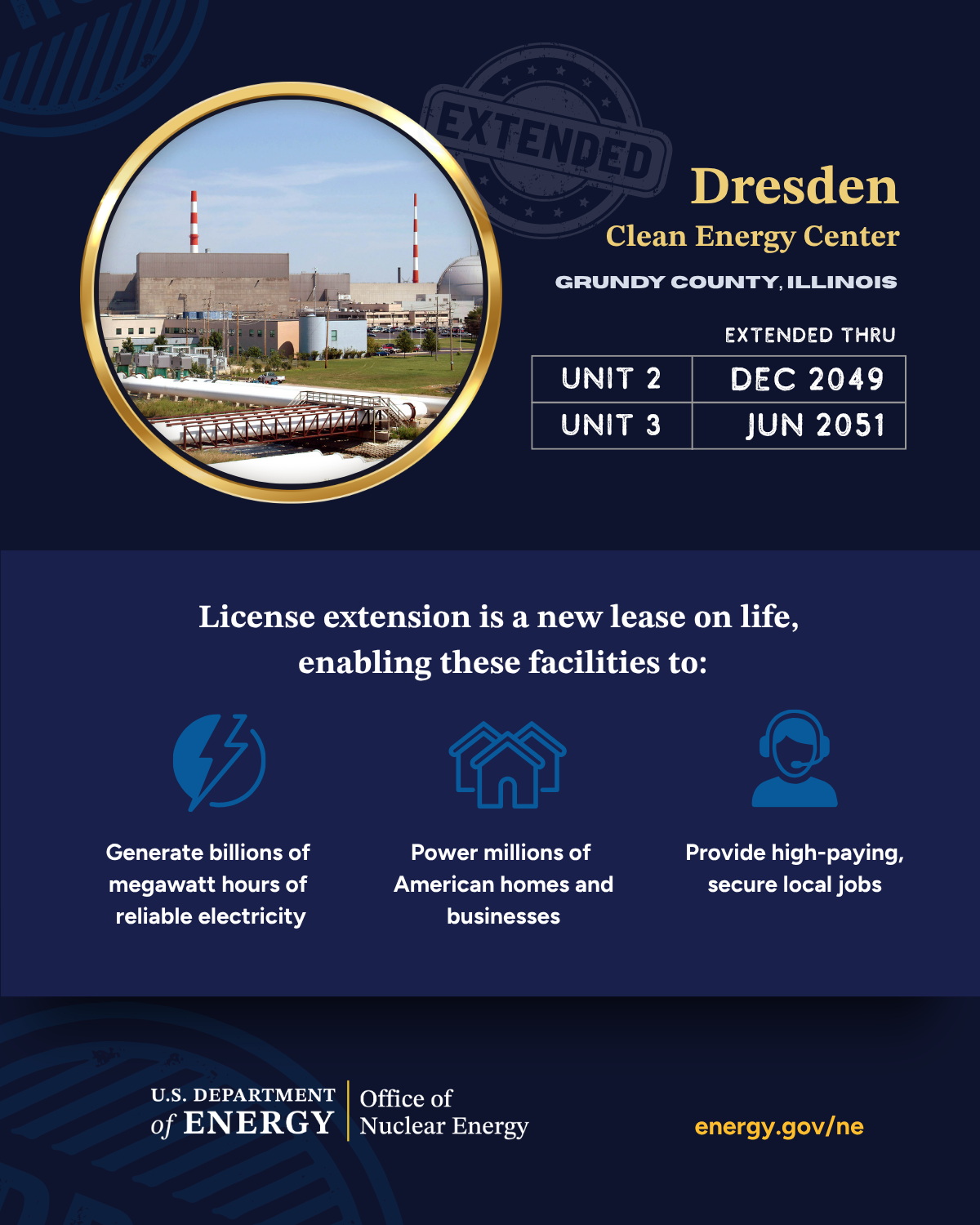
Grundy County, Illinois (near Chicago)
- Unit 2: 894 MWe; Commercial Service: 04/13/1970
- Unit 3: 879 MWe; Commercial Service: 07/22/1971
Hartsville, South Carolina (near Columbia)
- Unit 2: 741 MWe; Commercial Service: 09/26/1970
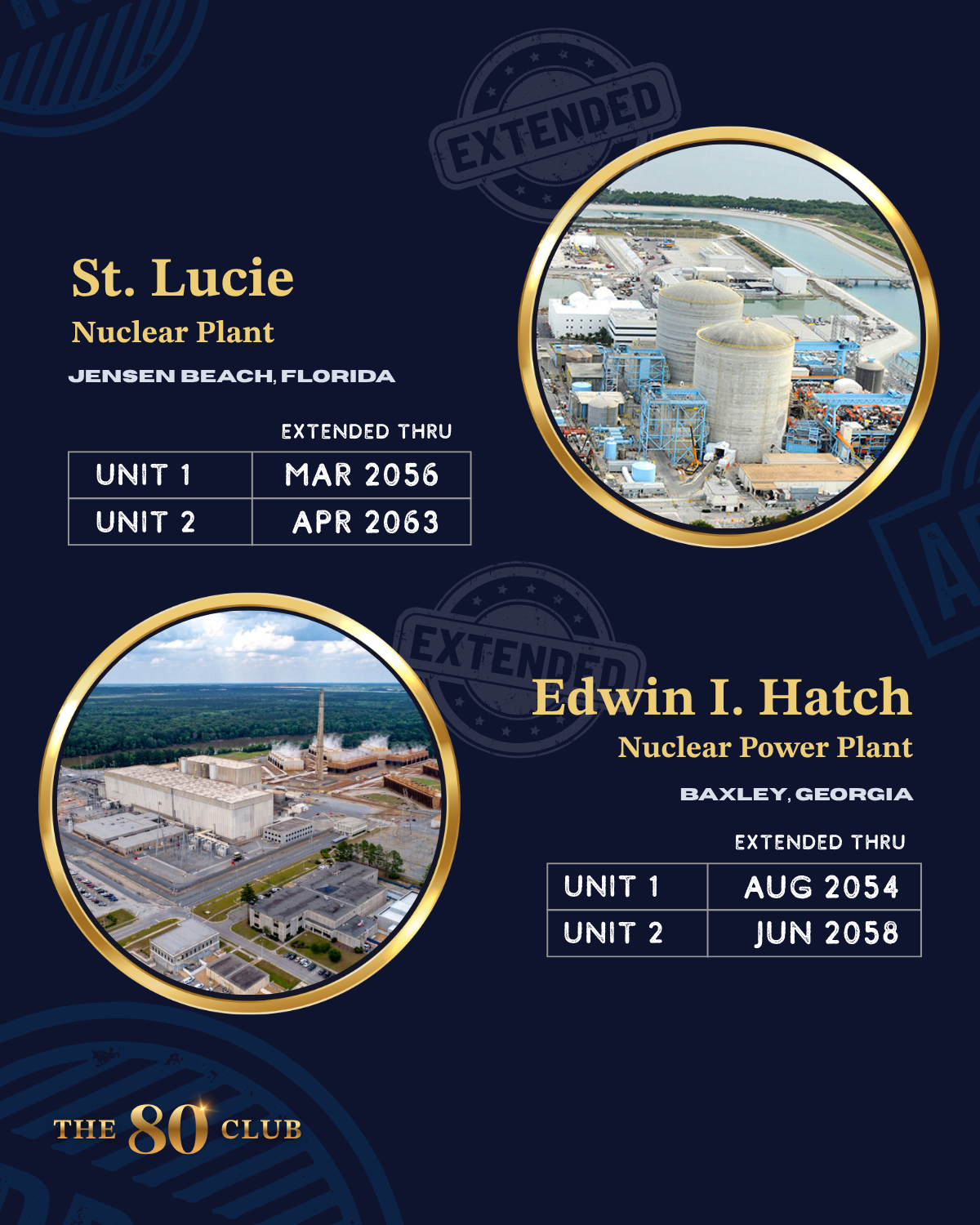
Jensen Beach, Florida
- Unit 1: 981 MWe; Commercial Service: 05/07/1976
- Unit 2: 987 MWe; Commercial Service: 06/13/1983
Baxley, Georgia
- Unit 1: 876 MWe; Commercial Service: 11/11/1974
- Unit 2: 883 MWe; Commercial Service: 09/22/1978
Golden Years
Nuclear energy is known for its high capacity factor (basically, how much of the time a reactor is operating at full power), so nuclear plants operate 24/7 all year long, only stopping for periodic refueling and maintenance.
In 2025, America’s nuclear power fleet generated power a whopping 91% of the time.
Over an 80-year lifespan, a single 1,000-megawatt reactor operating at 91% capacity factor could produce around 638 million megawatt-hours of electricity. That’s enough to power the equivalent of nearly 740,000 U.S. homes per year for eight decades!
And remember, many U.S. nuclear plants have two, three, or even four reactors operating simultaneously. That’s a truly staggering amount of power in a small package.
A Bright Future
Collectively, nuclear power in the United States has generated somewhere in the neighborhood of 40 billion megawatt-hours since its inception.
Our nuclear power plants have been there for us for decades, keeping the lights on and our economy humming 24 hours a day, 7 days a week, 365 days a year.
But nuclear energy isn’t just America’s past. It’s also our future.
While we continue to extend the safe operation of our trusted nuclear power fleet, we are also upgrading our existing nuclear infrastructure, bringing retired nuclear plants back online, and laying the groundwork for a new generation of reactor deployment.
The U.S. Department of Energy’s UPRISE initiative is facilitating “uprates” at some of the nuclear plants in the 80 Club, which will boost their power output and efficiency even further in the years to come.
The golden age of nuclear energy is here, and it’s standing on the shoulders of giants.