



Crews led by U.S. Department of Energy contractor Central Plateau Cleanup Company have safely isolated and stabilized contaminated gloveboxes at the Waste Receiving and Processing facility, a key risk-reduction project on the Hanford Site.
Office of Environmental Management
October 13, 2026 Estimated Read Time min
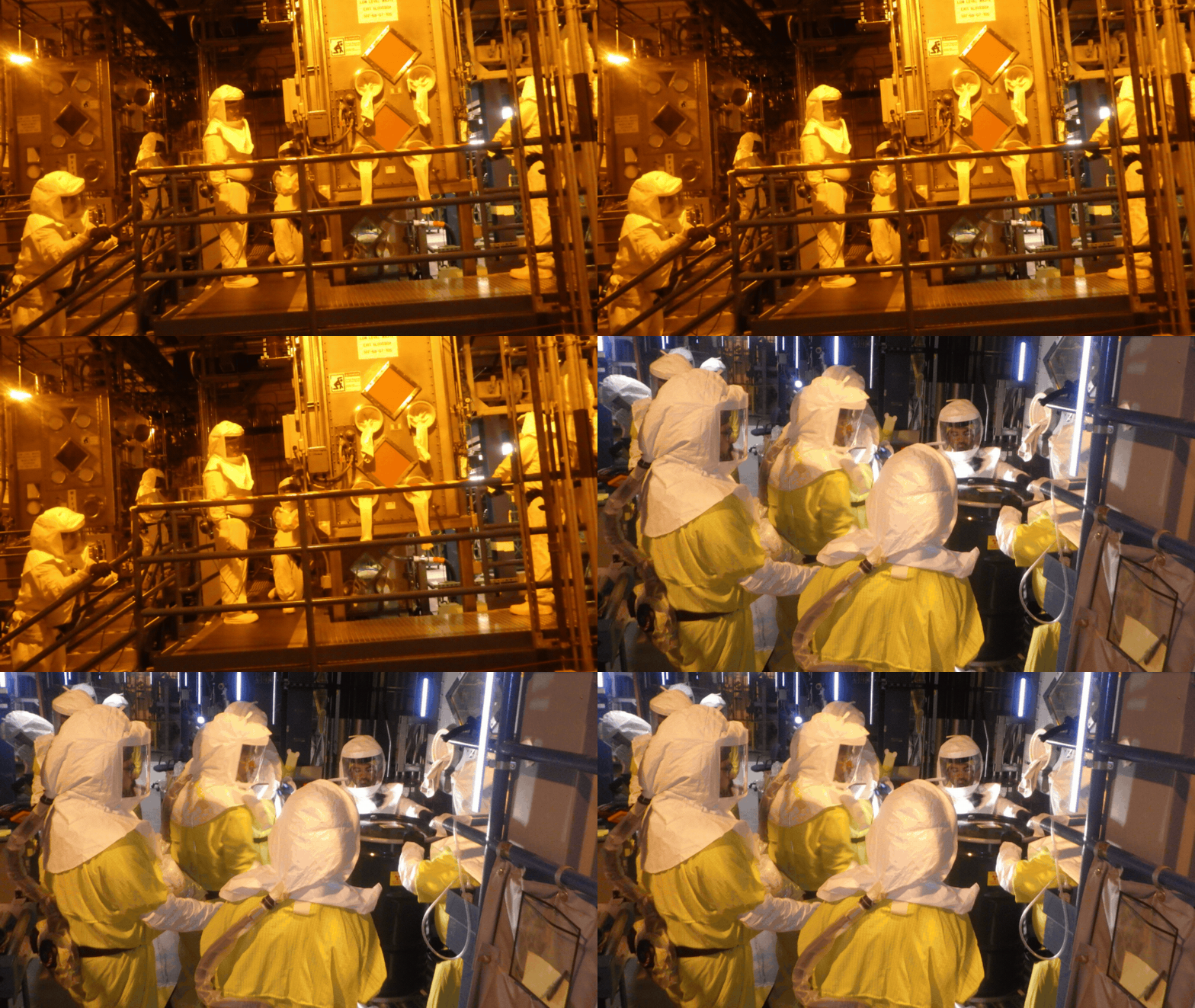
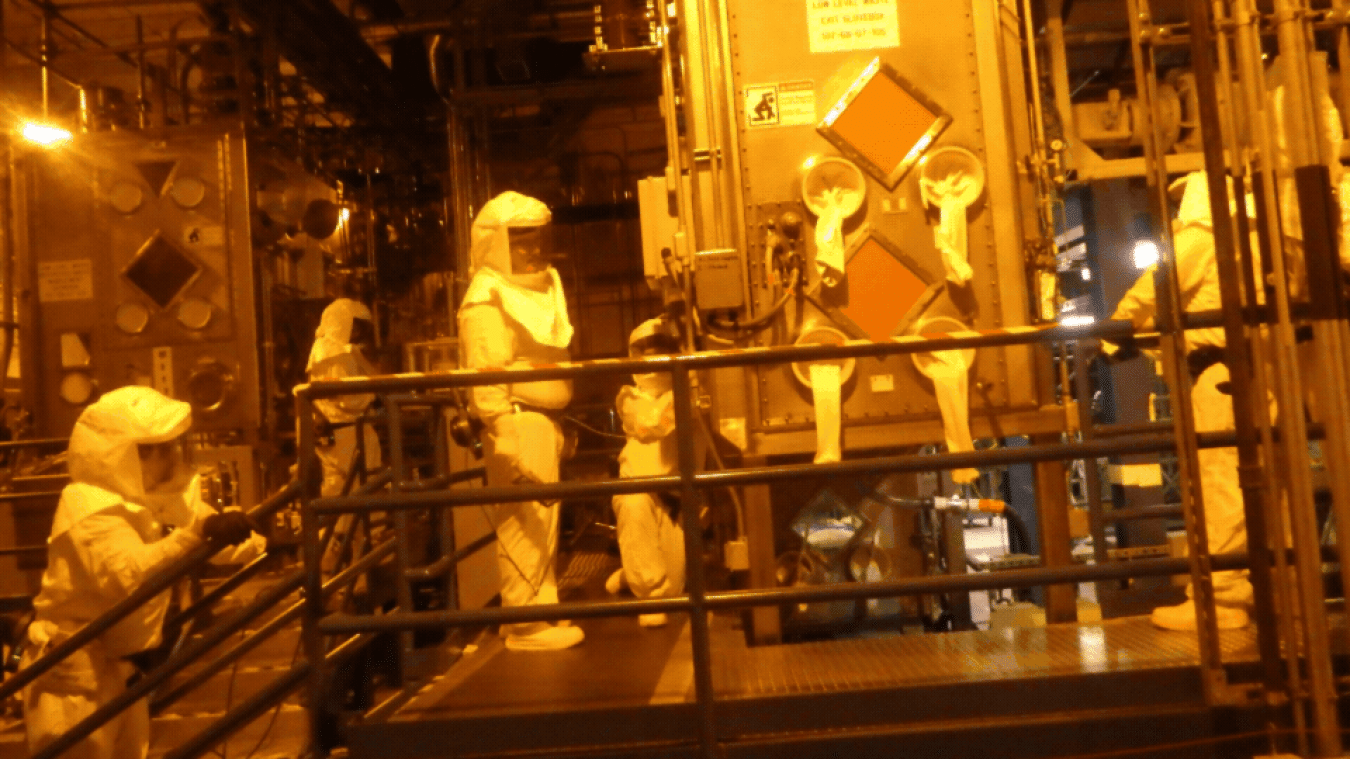
Crews at the Hanford Site recently completed a significant risk-reduction project by safely isolating and stabilizing contaminated gloveboxes at the Waste Receiving and Processing facility. The effort will save millions of dollars annually by reducing surveillance and maintenance costs.
RICHLAND, Wash. — Crews led by U.S. Department of Energy (DOE) contractor Central Plateau Cleanup Company (CPCCo) have safely isolated and stabilized contaminated gloveboxes at the Waste Receiving and Processing facility (WRAP), a key risk-reduction project on the Hanford Site.
The work is expected to save about $8 million annually by reducing surveillance and maintenance activities.
The accomplishment was the result of close coordination between CPCCo and fellow contractors Hanford Mission Integration Solutions (HMIS) and Hanford Tank Waste Operations & Closure (H2C). CPCCo crews carried out the field activities, while H2C and HMIS provided specialized personnel and resources that helped the team keep work moving safely and efficiently.
“This project shows what can be achieved when our One Hanford teams work together toward a common cleanup goal,” said Scott Green, acting assistant manager for river and plateau at the DOE Office of Environmental Management Hanford Field Office. “By reducing risk and lowering long-term costs, this integrated team is helping position the site for continued progress across the cleanup mission.”
WRAP processed low-level and transuranic waste from Hanford’s burial grounds for safe disposal for more than a decade, and has not been operating for several years. During operations, the facility’s 12 stainless-steel, lead-lined gloveboxes allowed workers to perform processing activities without exposing them to chemical and radiological hazards. The gloveboxes vary in size, with some as big as a camping trailer.
Stabilizing the legacy gloveboxes and associated equipment marks an important step in preparing the facility for its next phase of deactivation while ensuring hazards are safely addressed.
Beyond the immediate risk reduction, the stabilization project also frees up resources that can now be focused on other cleanup work.
“This project reflects Hanford’s broader commitment to innovation, efficiency and partnership in moving the cleanup mission forward,” said Jeffrey Wilhelm, a CPCCo project manager. “Working side by side with H2C and HMIS brought experience, flexibility and a strong safety focus to every phase of the job.”
To receive the latest news and updates about the Office of Environmental Management, submit your e-mail address.