



First Senate-confirmed EM leader in more than six years drives record results, launches bold vision for nuclear renaissance
Office of Environmental Management
October 20, 2026 Estimated Read Time min
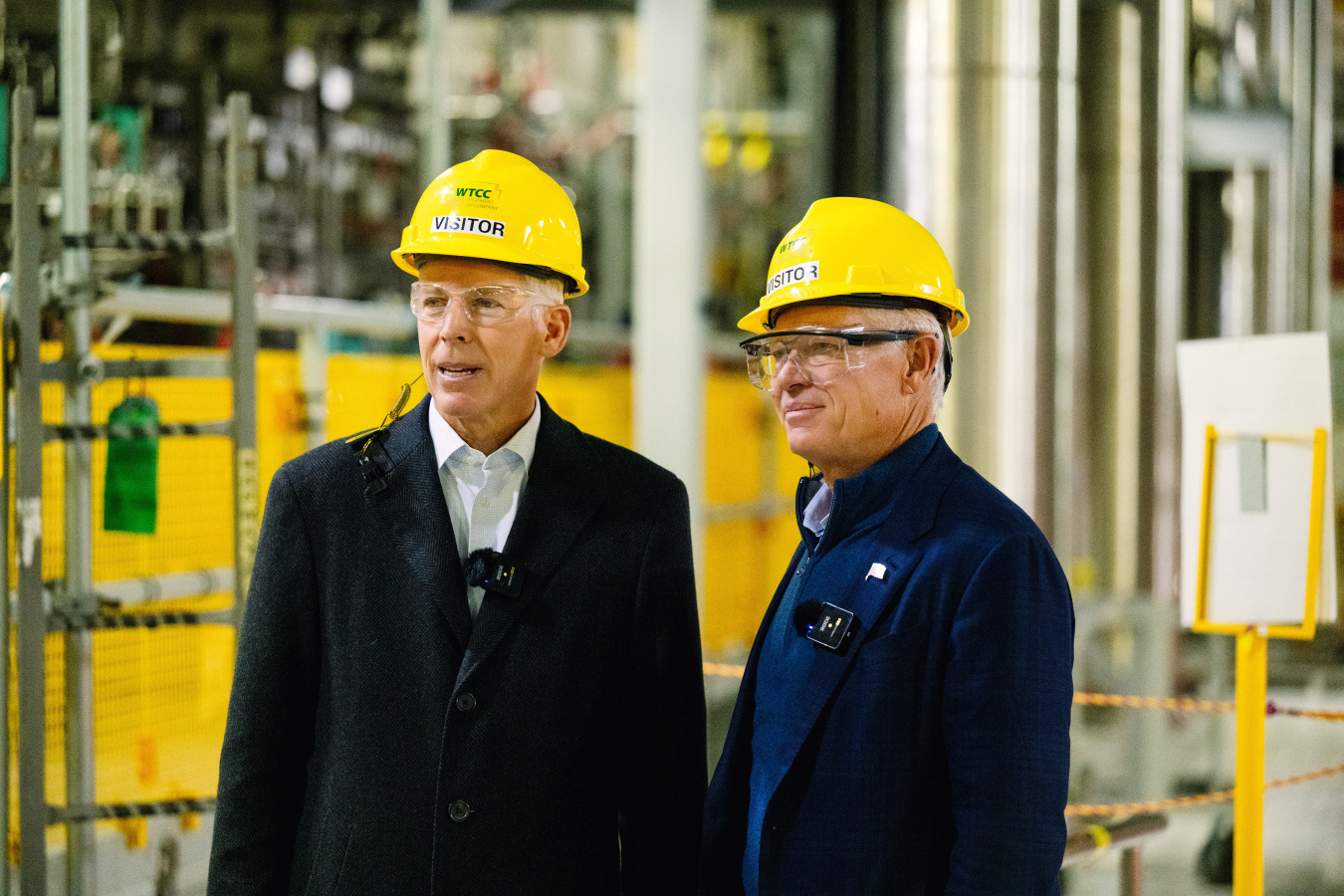
Energy Secretary Chris Wright, left, tours the Waste Treatment Plant at the Hanford Site with Assistant Secretary for Environmental Management Tim Walsh in December 2025.
First Senate-confirmed EM leader in more than six years drives record results, launches bold vision for nuclear renaissance
WASHINGTON, D.C. — One year after Assistant Secretary for Environmental Management Tim Walsh was sworn in as the first Senate-confirmed leader for the U.S. Department of Energy's Office of Environmental Management (EM) in more than six years, the cleanup team has achieved a string of historic cleanup milestones, record private investment and a bold new strategic vision highlighting a program being transformed.
Walsh was confirmed by the Senate on Oct. 7, 2025, and sworn in later that month. He entered the role with a military background, engineering and construction career experience and a direct charge from Energy Secretary Chris Wright: clean up faster, work smarter and position EM sites to drive American energy dominance.
"We aren't just managing the past; we are powering the future," Walsh said at the Waste Management Symposia in March. He outlined a bold strategic framework to complete cleanup across all 15 EM sites, reduce costs and convert former Cold War weapons production facilities into centers for nuclear energy, advanced computing infrastructure and advanced manufacturing.
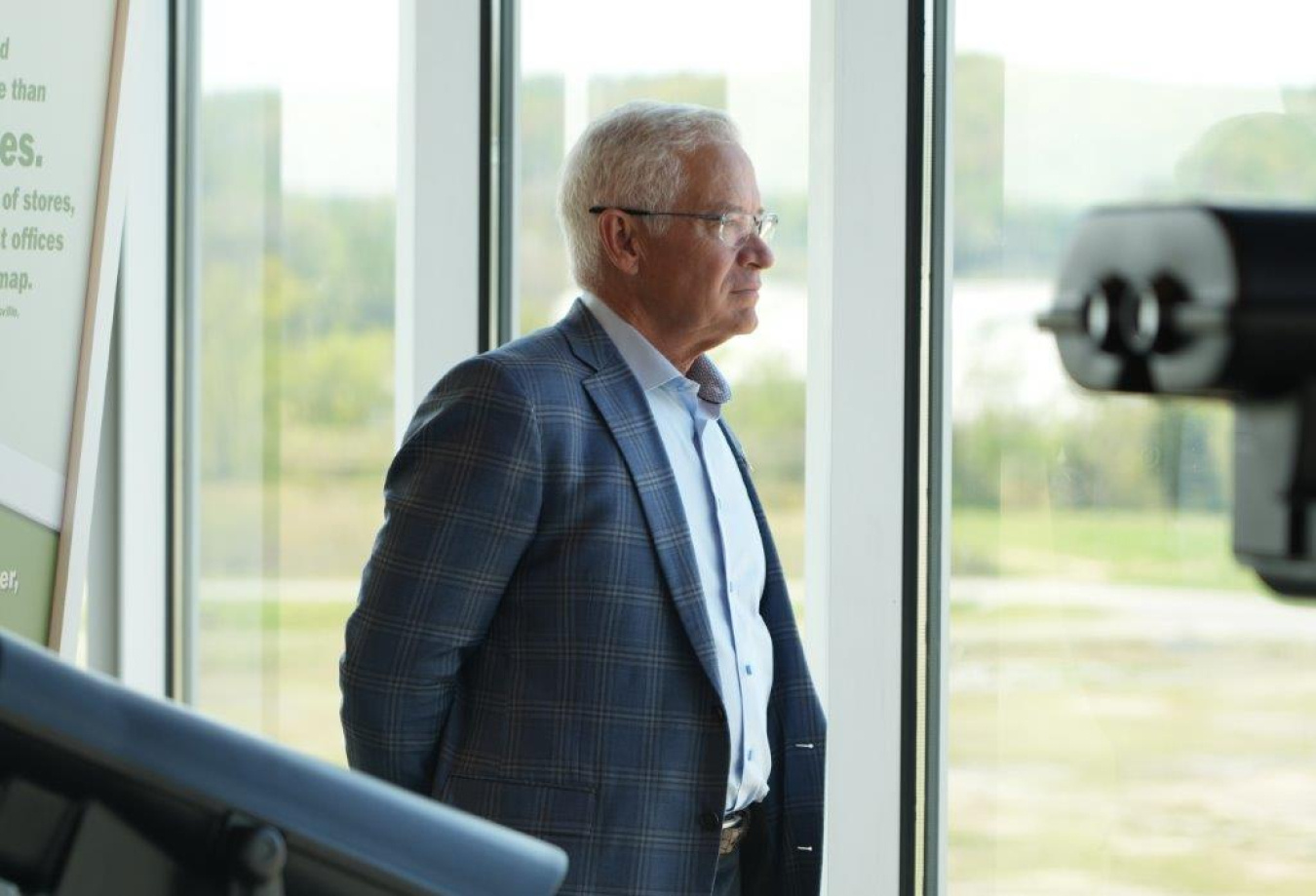
Assistant Secretary for Environmental Management Tim Walsh stands stories above the K-25 building’s 44-acre footprint from the observation deck in the K-25 Interpretive Center at Oak Ridge in April this year. The building was the largest in the world when it was constructed, and it was one of five former uranium enrichment buildings demolished at the site.
The results of the past year have been significant. At the Moab Site in Utah, EM removed the final ton of radioactive uranium tailings this year, completing the transfer of a cumulative 17 million tons safely away from the Colorado River. At the Hanford Site in Washington state, EM solidified tank waste in glass for the first time, meeting a key legal milestone at the nation's largest nuclear cleanup project.
In Idaho, crews completed 40 transfers of used nuclear fuel bundles to modern storage vaults months ahead of schedule. In New Mexico, the Waste Isolation Pilot Plant finished commissioning a new large-scale ventilation system one year early and $10 million under budget.
The economic impact of EM's work is also accelerating, with $650 billion in private investment announced at American Energy Hubs across the Portsmouth, Ohio; Paducah, Kentucky; and Oak Ridge, Tennessee, sites. New reactors, enrichment facilities and the nation's first privately funded commercial nuclear fuel recycling facility are being constructed on land EM spent years making safe.
At Oak Ridge, land remediated by EM has attracted more than two dozen businesses, with more than $10 billion in capital investment announced. Former EM land will provide much needed capabilities across the nuclear fuel cycle including: enrichment, fuel fabrication, reactor designs, power generation and fuel recycling.
Through a partnership with Brookfield and NextEra Energy, the Paducah Site is being transformed to power the future in one of the largest investments in Kentucky history. The companies announced a $100 billion privately funded high-performance computing campus and energy project that will create jobs and repurpose land at the former enrichment site into a hub for innovation and affordable energy generation.
The American Energy Hub at the Portsmouth Site has changed the trajectory of the region. Earlier this year, SoftBank and SB Energy announced a $33 billion investment that will bring 10 gigawatts of new power generation, the world’s most powerful computing campus and new utility infrastructure to Ohio.
Walsh has harnessed this momentum. This year, EM and the Office of Nuclear Energy issued requests for applications seeking private-sector partners to build and operate used nuclear fuel recycling facilities at the Idaho National Laboratory Site. The requests drew strong commercial interest. Closing the nuclear fuel cycle reduces long-term waste and drives down the cost of nuclear energy for American consumers.
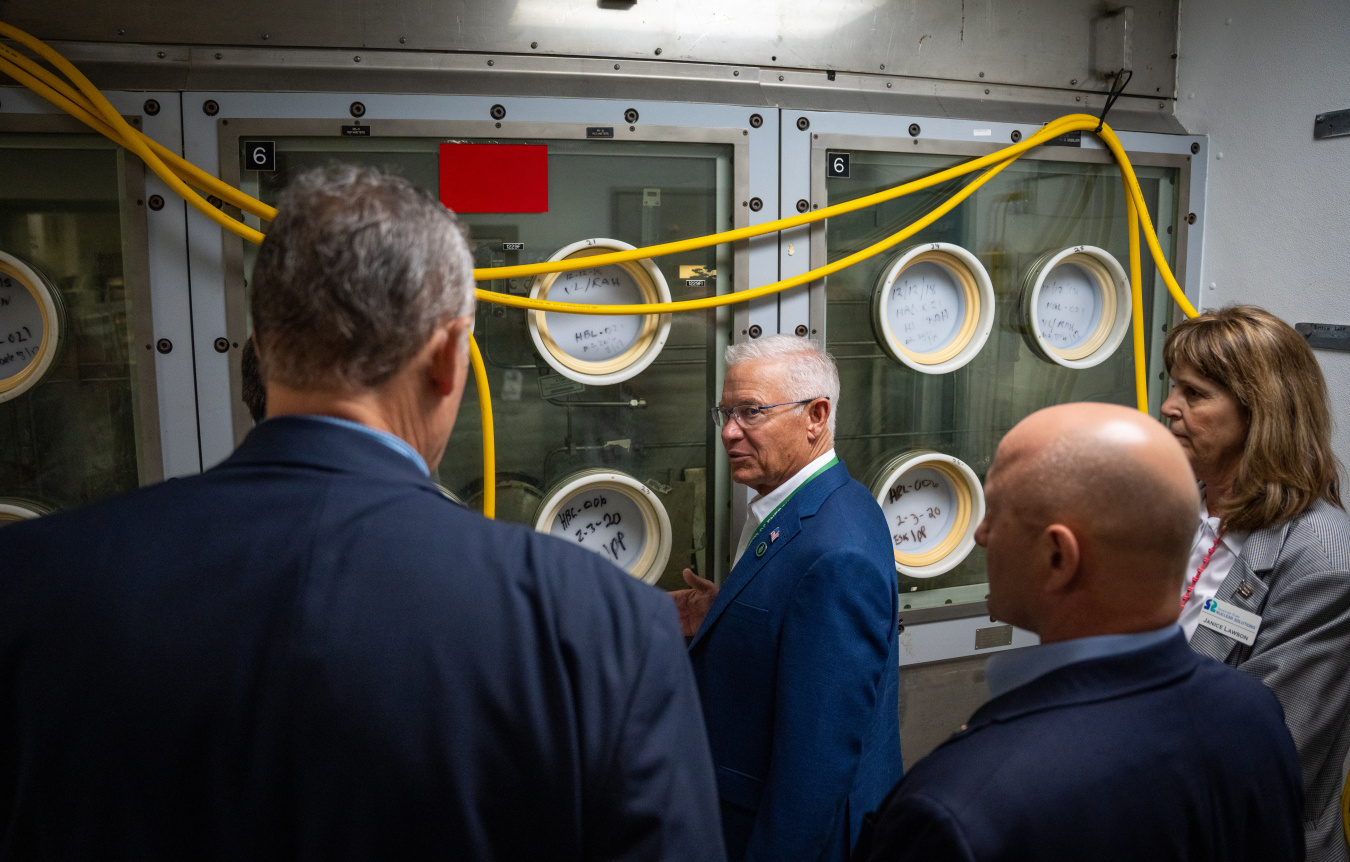
Assistant Secretary of Environmental Management Tim Walsh, second from left, views gloveboxes in HB-Line during his visit to Savannah River Site earlier this year. The U.S. Department of Energy Office of Environmental Management (EM) has announced the decision to restart operations there to strengthen the domestic nuclear industrial base and deliver fuel the country needs to power advanced reactors. Also pictured, from left, are EM Principal Deputy Assistant Secretary Joel Bradburne; EM Chief Operating Officer David Brunnert; and Savannah River Nuclear Solutions Environmental Management Operations Senior Vice President Janice Lawson.
At Paducah, EM partnered with the U.S. Environmental Protection Agency and state of Kentucky on a streamlined approach that reduced regulatory decision points by 90%. EM is also leasing Paducah Site land for a new private-sector domestic uranium enrichment facility.
Safety has remained a foundation throughout. The Savannah River Site liquid waste construction workforce has surpassed 40 million safe work hours since 1998. Paducah crews exceeded 4 million safe work hours without a lost-workday accident, earning the National Safety Council's Million Work Hours Award.
"The work happening at EM sites today is a commitment to the communities and the nation these sites have served for decades," Walsh said. "We are cleaning up the past, powering the future and making energy more affordable for every American."
Additional information about EM's accomplishments and strategic vision is available here.
-Contributor: Kyle Hendrix
To receive the latest news and updates about the Office of Environmental Management, submit your e-mail address.