



The Integrated Waste Treatment Unit is deploying new equipment to eliminate the cost of disposing of a byproduct of radioactive liquid waste cleanup at the Idaho National Laboratory Site.
Office of Environmental Management
September 15, 2026 Estimated Read Time min
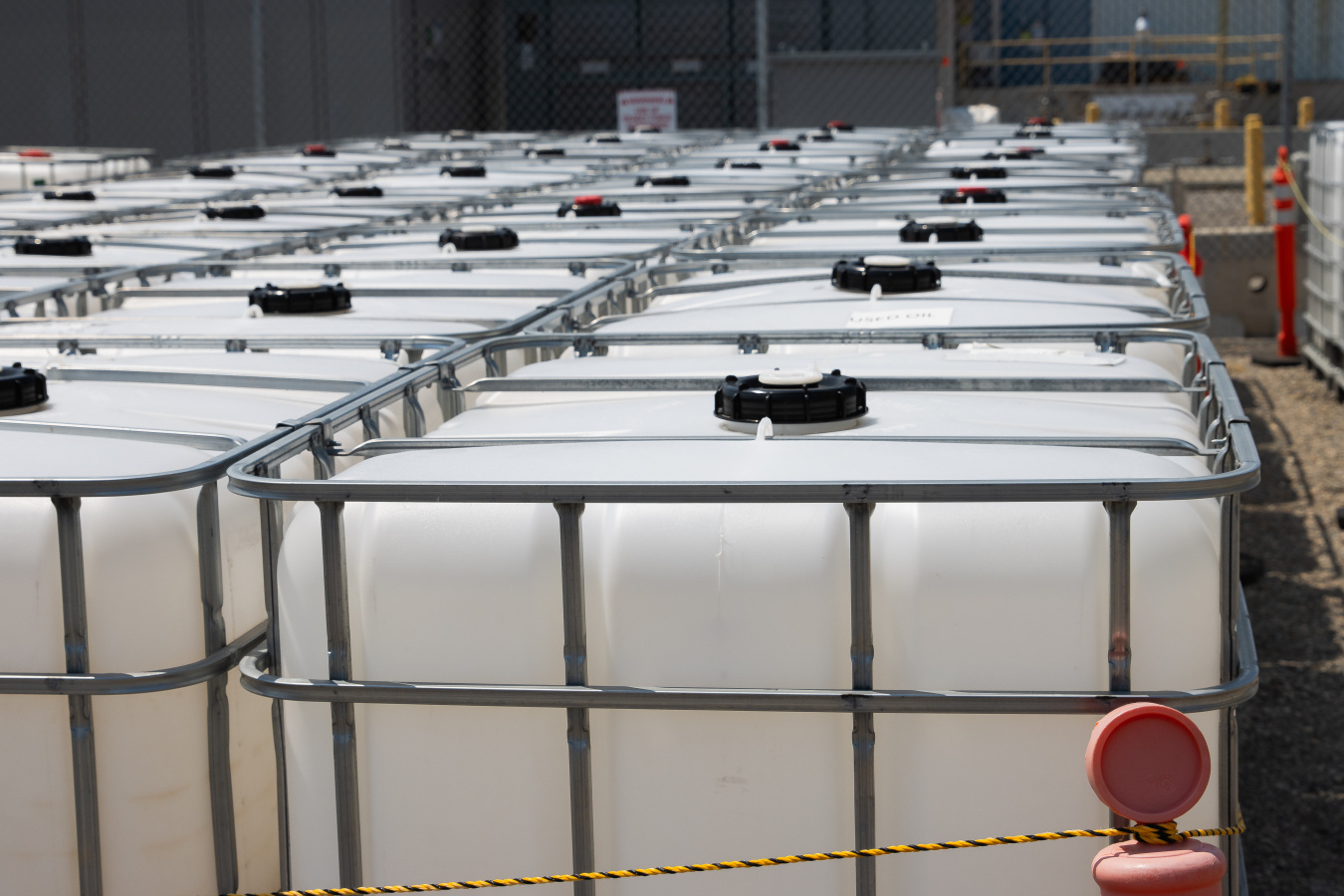
Crews collect and store condensate in 250-gallon totes before it is processed through the condensate evaporator. The Idaho Cleanup Project previously shipped the totes offsite for disposal.
IDAHO FALLS, Idaho — The Integrated Waste Treatment Unit (IWTU) is deploying new equipment to eliminate the cost of disposing of a byproduct of radioactive liquid waste cleanup at the Idaho National Laboratory (INL) Site.
Idaho Cleanup Project (ICP) and contractor Idaho Environmental Coalition (IEC) constructed an onsite nitrogen gas generation plant to provide a reliable source of the inert gas and ensure steady operations at IWTU.
Generating nitrogen creates a significant amount of condensate, and the collection, shipment and offsite disposal of it was costly, according to IEC IWTU Senior Operations Manager Jarred Chaney.
“We would collect condensate from the nitrogen plant in 250-gallon totes and produced 240 of these totes through multiple liquid sodium-bearing waste processing runs,” said Chaney. “Shipping nearly 200 of the totes cost the IWTU project just under $1 million.”
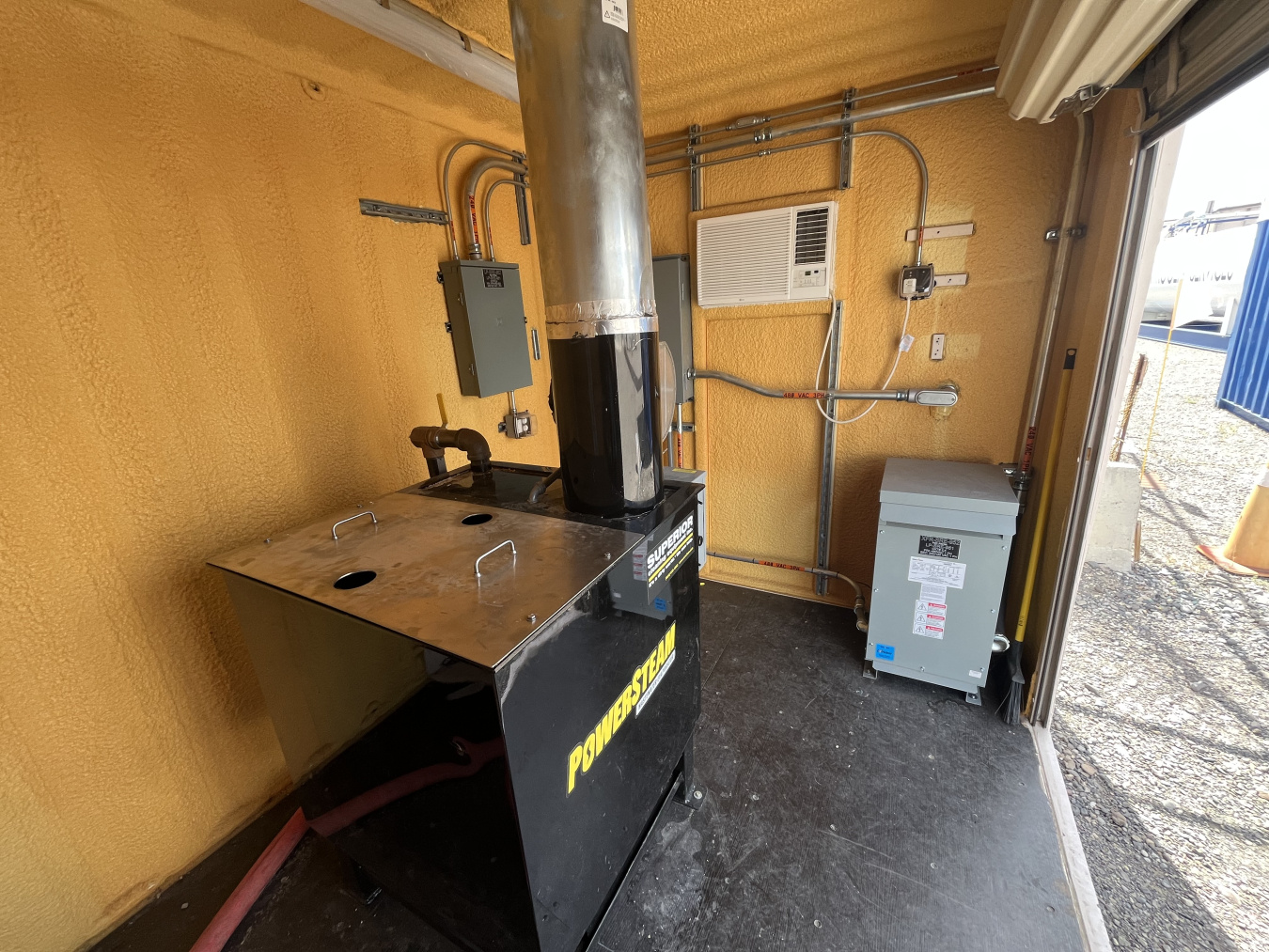
New equipment known as a condensate evaporator reduces the cost of managing, shipping and disposing of a byproduct generated by the nitrogen plant at the Integrated Waste Treatment Unit.
IWTU engineers and the project environmental lead explored opportunities to more effectively manage the condensate and acquired a condensate evaporator for the nitrogen plant.
To date, the evaporator has processed over 6,000 gallons of collected condensate, saving nearly $100,000, Chaney estimates.
“Shipping and disposal of the condensate would have been a recurring cost over the life of our project,” said Chaney. “Though a small victory, this effort is underscored by a greater commitment to continual improvement and finding a way to do things more effectively and efficiently.”
The ICP built IWTU to process 900,000 gallons of a radioactive liquid waste stored in underground tanks on the INL Site, converting the liquid to a more stable granular solid. Liquid waste treatment at the IWTU is expected to take three to seven years to complete, accounting for planned maintenance of the facility.
-Contributor: Carter Harrison
To receive the latest news and updates about the Office of Environmental Management, submit your e-mail address.