



A third-year electrical engineering student at Idaho State University returned to the Idaho Cleanup Project for a second consecutive summer internship. August 18, 2026
Office of Environmental Management
August 18, 2026 Estimated Read Time min
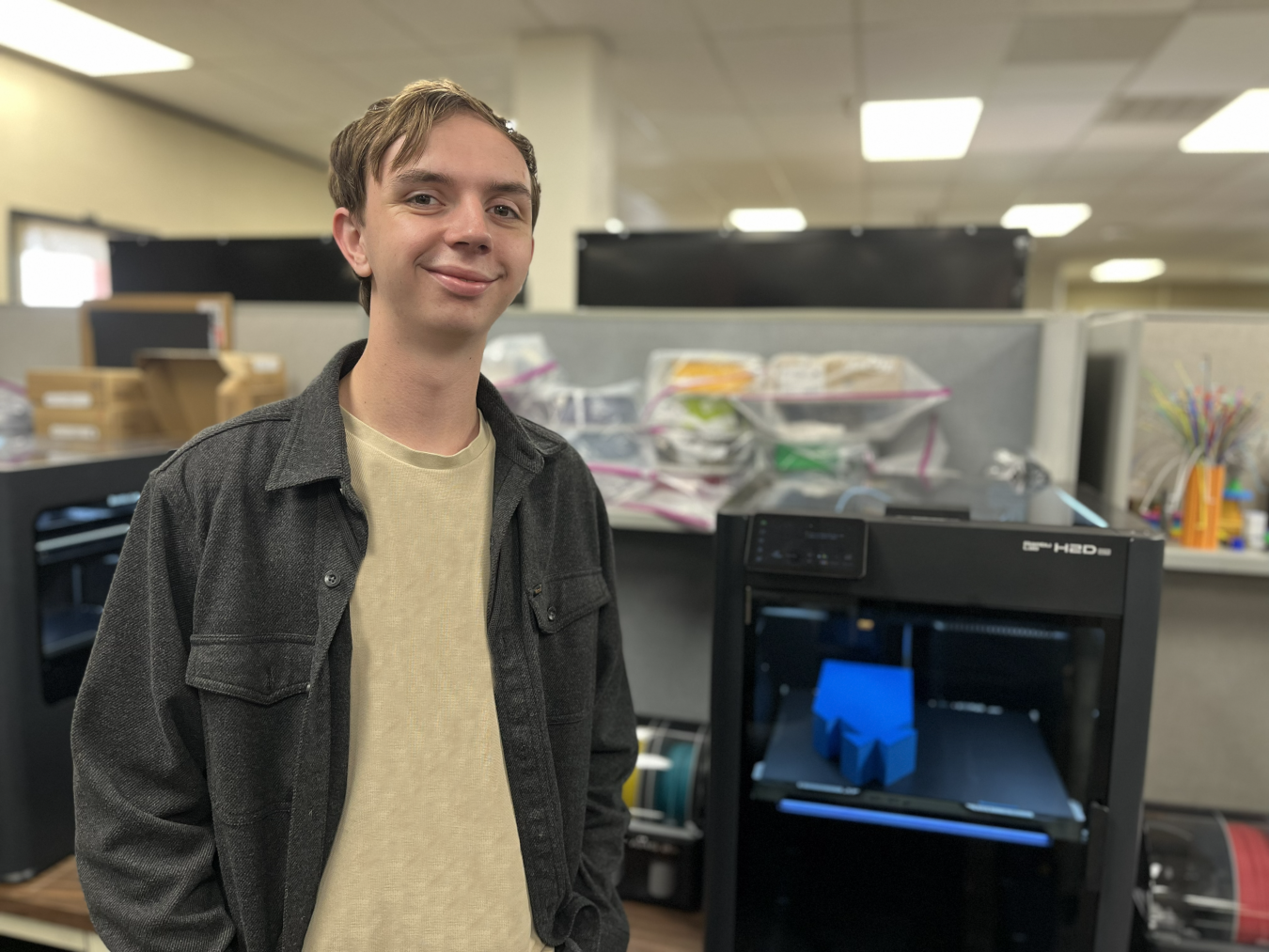
Intern Isaac Ryner watches a 3D print finish as part of his summer project, where he learned and applied new 3D modeling techniques.
IDAHO FALLS, Idaho — A third-year electrical engineering student at Idaho State University returned to the Idaho Cleanup Project (ICP) for a second consecutive summer internship, where he applied coding and taught himself 3D modeling software to design a prototype for a critical effort to retrieve 4,400 cubic meters of legacy waste and prepare it for disposal.
Isaac Ryner, an intern with ICP cleanup contractor Idaho Environmental Coalition, supported the Calcine Disposition Project. He developed and designed robotic systems, advanced engineering tools and other equipment to safely retrieve the calcinated waste stored onsite inside concrete vaults for decades.
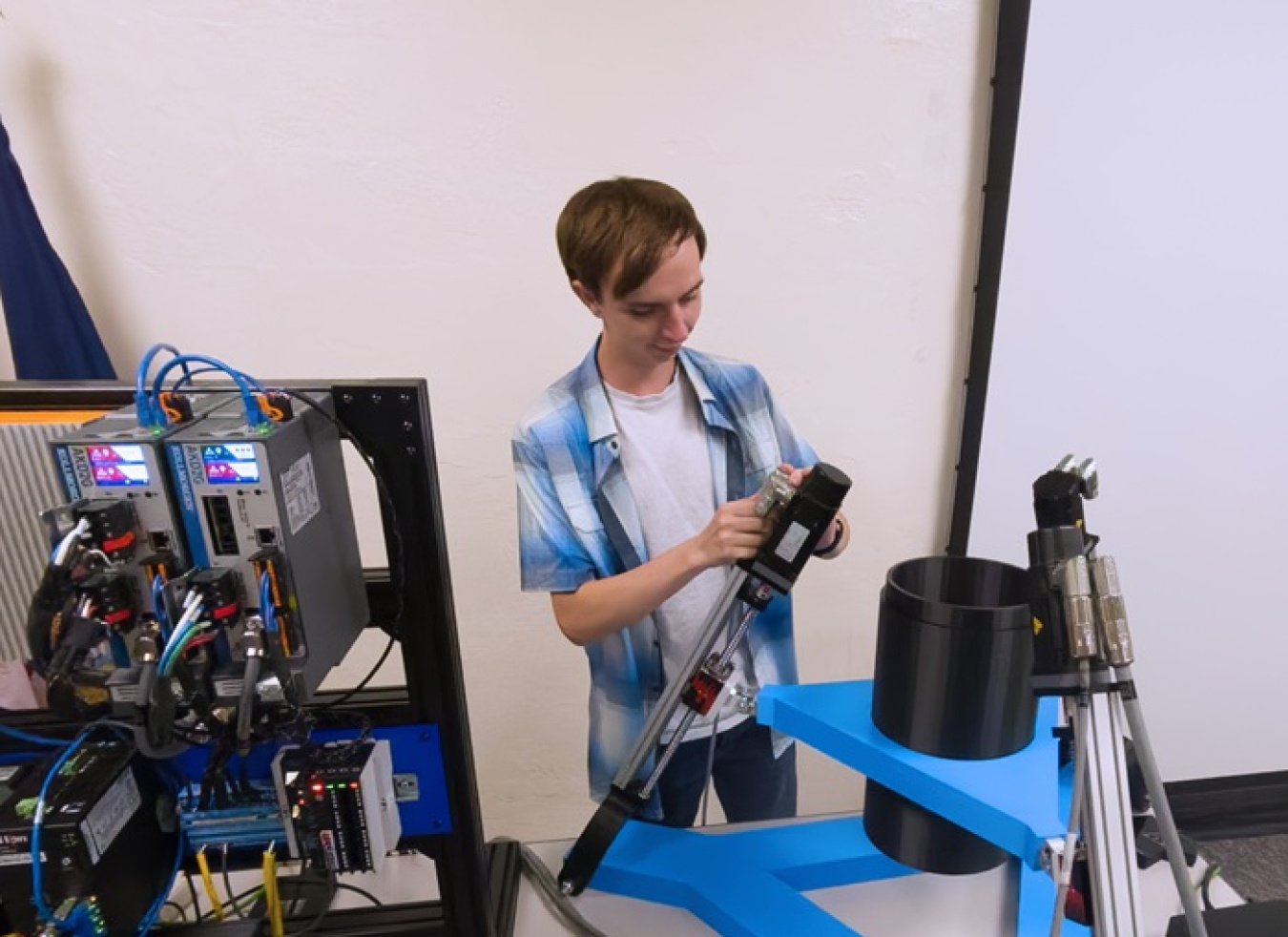
Idaho Environmental Coalition intern Isaac Ryner assembles a mock-up system to support the Idaho Cleanup Project’s calcine waste retrieval and disposal effort.
His return to the ICP reflects how meaningful technical projects build confidence and strengthen interest in U.S. Department of Energy Office of Environmental Management (EM) career paths. Returning students often become strong candidates for the future workforce because they see how their contributions advance cleanup progress.
Project team members support student interns while benefiting from their fresh perspectives.
“Isaac shows a level of curiosity and commitment that strengthens our team. The enthusiasm Isaac brings makes a positive impact, and the work completed this summer demonstrates the value of investing in young professionals who want to support the EM mission,” said Edward Harlow, Ryner’s mentor.
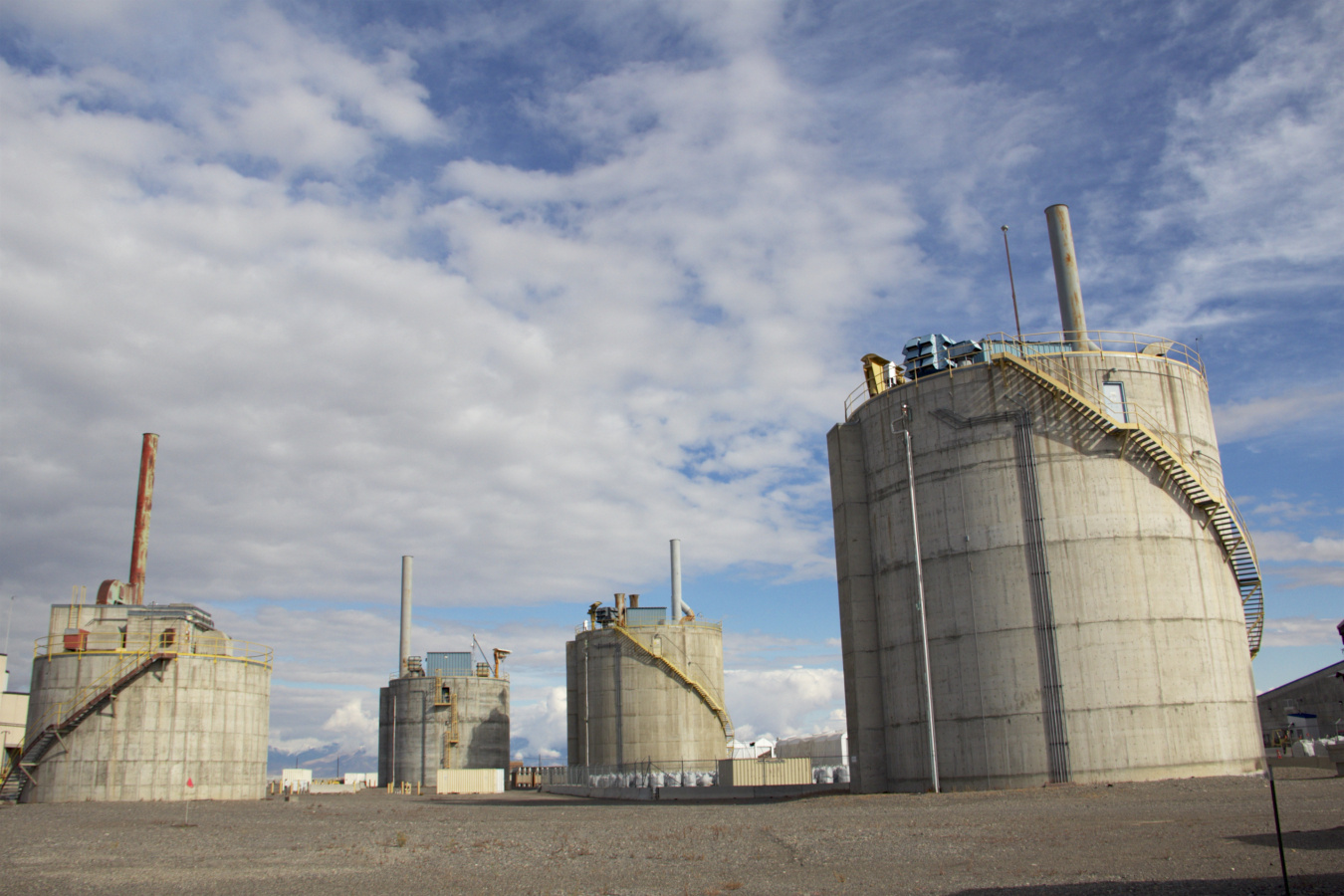
The Idaho Cleanup Project's Calcine Disposition Project team is developing the most effective techniques to retrieve the granular waste from these large, stainless steel bins encased in six concrete vaults called bin sets.
Ryner designed and programmed a mock-up system to evaluate the project’s access riser positioner, which will position a pipe against the calcine bin so a robot designed to travel down that pipe can weld it to the bin for waste retrieval.
Ryner learned the 3D modeling software to design a prototype of the positioner. After modeling the prototype components, including a mounting platform, he spent several days 3D printing and revising the pieces, producing 23 printed parts that assemble into a complete demonstration model. The experience allowed him to apply classroom learning directly to a cleanup challenge.
During his first year supporting the calcine project, Ryner helped engineers integrate a physical control system with a robotic interface used for remote handling. He mapped control inputs, reformatted communication data and refined movement programming to make robotic operation more intuitive, work that is essential to future calcine retrieval activities.
-Contributor: Ryan Christensen
To receive the latest news and updates about the Office of Environmental Management, submit your e-mail address.