



The Idaho Cleanup Project is implementing an established, cost-effective process to evaluate potential per- and polyfluoroalkyl substances sites at the Idaho National Laboratory.
Office of Environmental Management
October 20, 2026 Estimated Read Time min
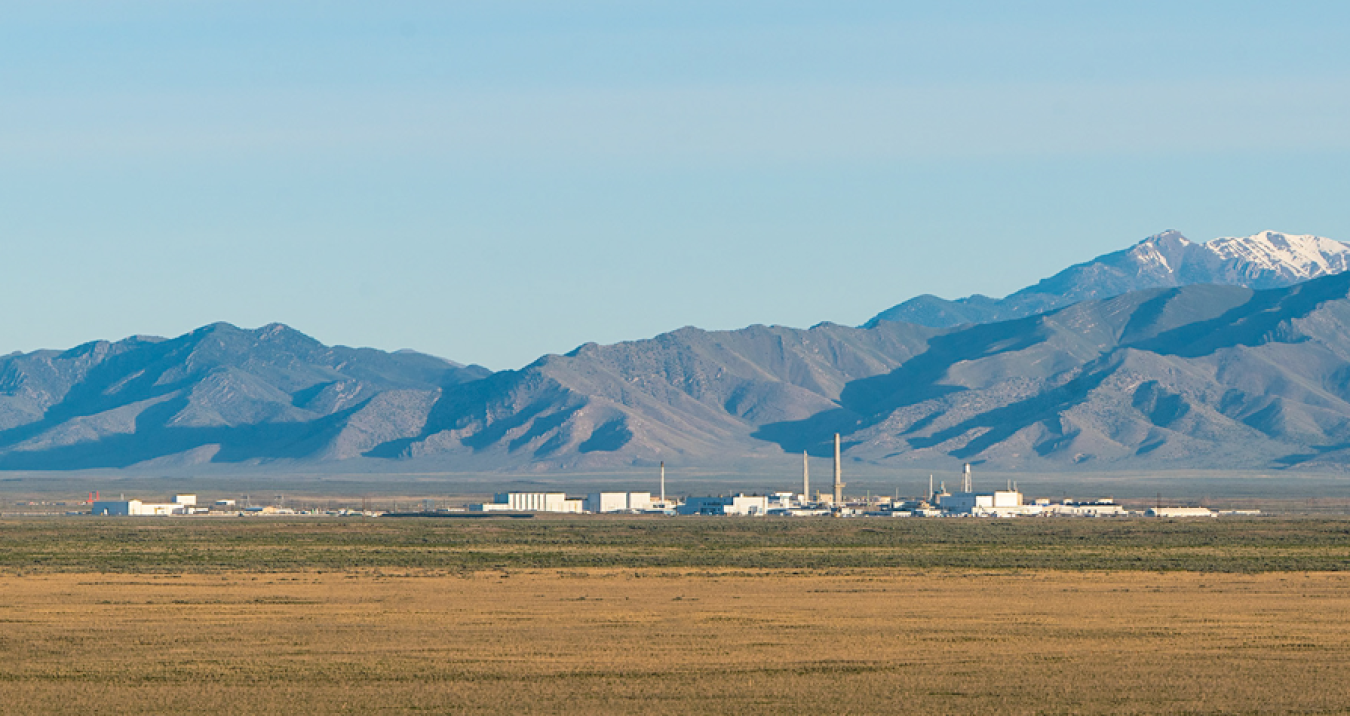
The Idaho Nuclear Technology and Engineering Center, one of several facilities managed by Idaho Cleanup Project contractor Idaho Environmental Coalition.
IDAHO FALLS, Idaho — The Idaho Cleanup Project (ICP) is implementing an established, cost-effective process to evaluate potential per- and polyfluoroalkyl substances (PFAS) sites at the Idaho National Laboratory (INL).
PFAS are widely used, long-lasting chemicals that break down slowly over time. The U.S. Department of Energy aims to protect human health and the environment and is committed to assessing and addressing the presence of PFAS at its sites.
In 2024, new U.S. Environmental Protection Agency (EPA) regulations designated certain PFAS constituents as Comprehensive Environmental Response, Compensation, and Liability Act (CERCLA) hazardous substances.
In response, ICP team members completed preliminary assessments for potential PFAS release sites at the INL. They evaluated for potential past releases and identified locations for further evaluation.
As PFAS were not regulated as a CERCLA hazardous substance when the INL Site Federal Facility Agreement and Consent Order was signed in 1991, they were not addressed as contaminants of concern in 25 subsequent INL Site records of decision. As a result, there was no clearly defined regulatory path to manage PFAS.
In 2008, officials established a streamlined process to address new potential and existing release sites under CERCLA called the New Site Identification (NSI) process. The ICP, EPA and Idaho Department of Environmental Quality (DEQ) agreed that the NSI process is the most effective way to evaluate and integrate PFAS into the INL Site CERCLA program.
“The NSI process provides several benefits,” said Chris Vilord, Environmental Programs senior manager for ICP cleanup contractor Idaho Environmental Coalition. “It is a cost-effective, transparent and phased decision-making process that already included public participation and the endorsement of regulatory agencies.”
The NSI process allows ICP to prioritize sites with a higher likelihood of impacts due to PFAS. The EPA and DEQ review and sign the evaluation results, and team members determine future actions.
In their evaluations, crews use available documentation or the results of past investigations and remedial actions. If additional sampling or investigation is needed, they work with EPA and DEQ to develop a field sampling plan. The crews document sampling results, subsequent risk assessments and additional remedial actions decided from the results.
"Use of this existing process will expedite the evaluation of PFAS on the INL site and reinforce our commitment to protect people and the environment,” said Vilord.
IEC recently submitted the first batch of evaluation results to EPA and DEQ for review.
-Contributor: Carter Harrison
To receive the latest news and updates about the Office of Environmental Management, submit your e-mail address.