



Idaho Cleanup Project crews recovered more than 200 feet of rail within a Cold War-era facility that will aid in future used nuclear fuel packaging and transportation efforts.
Office of Environmental Management
October 6, 2026 Estimated Read Time min
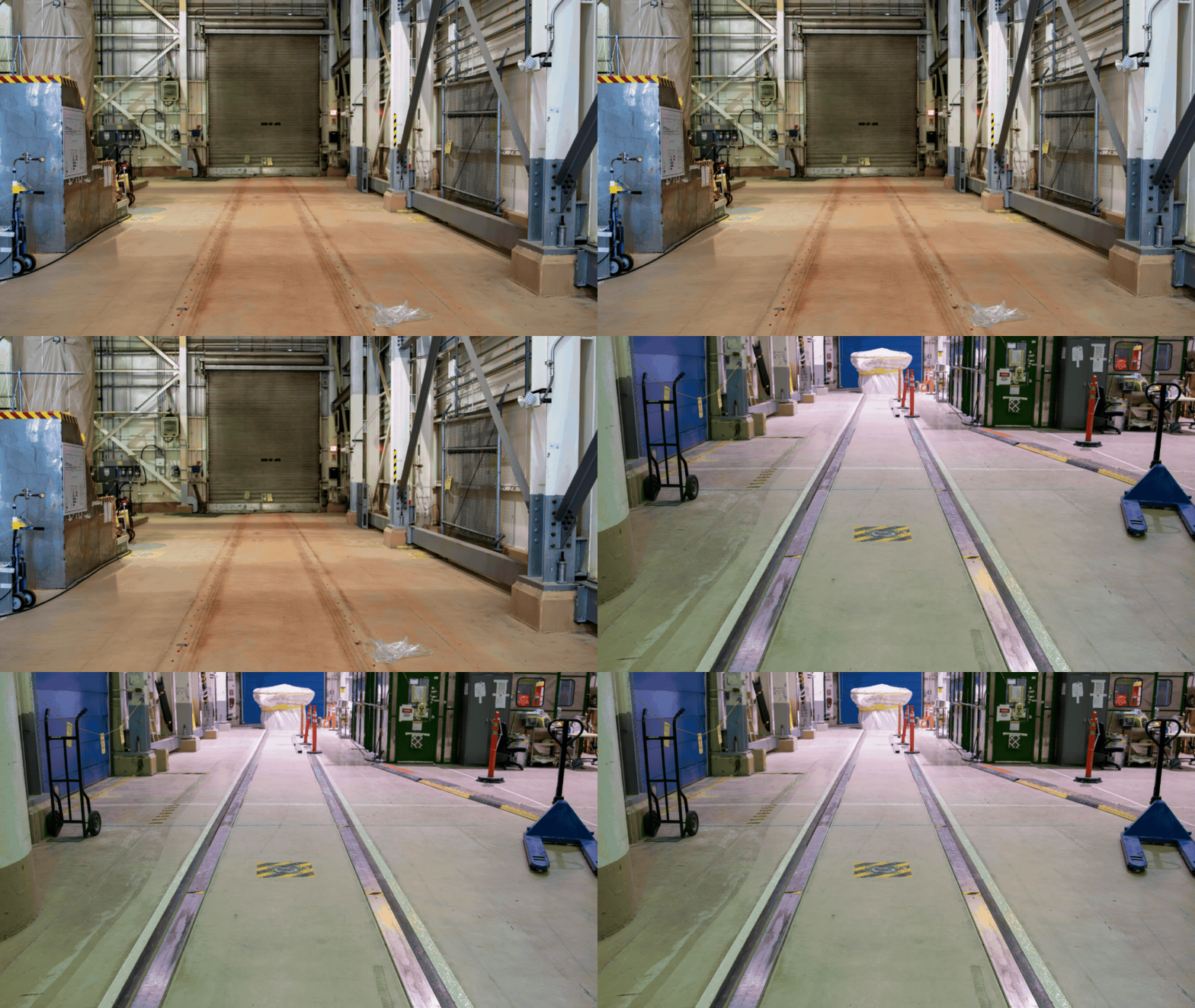
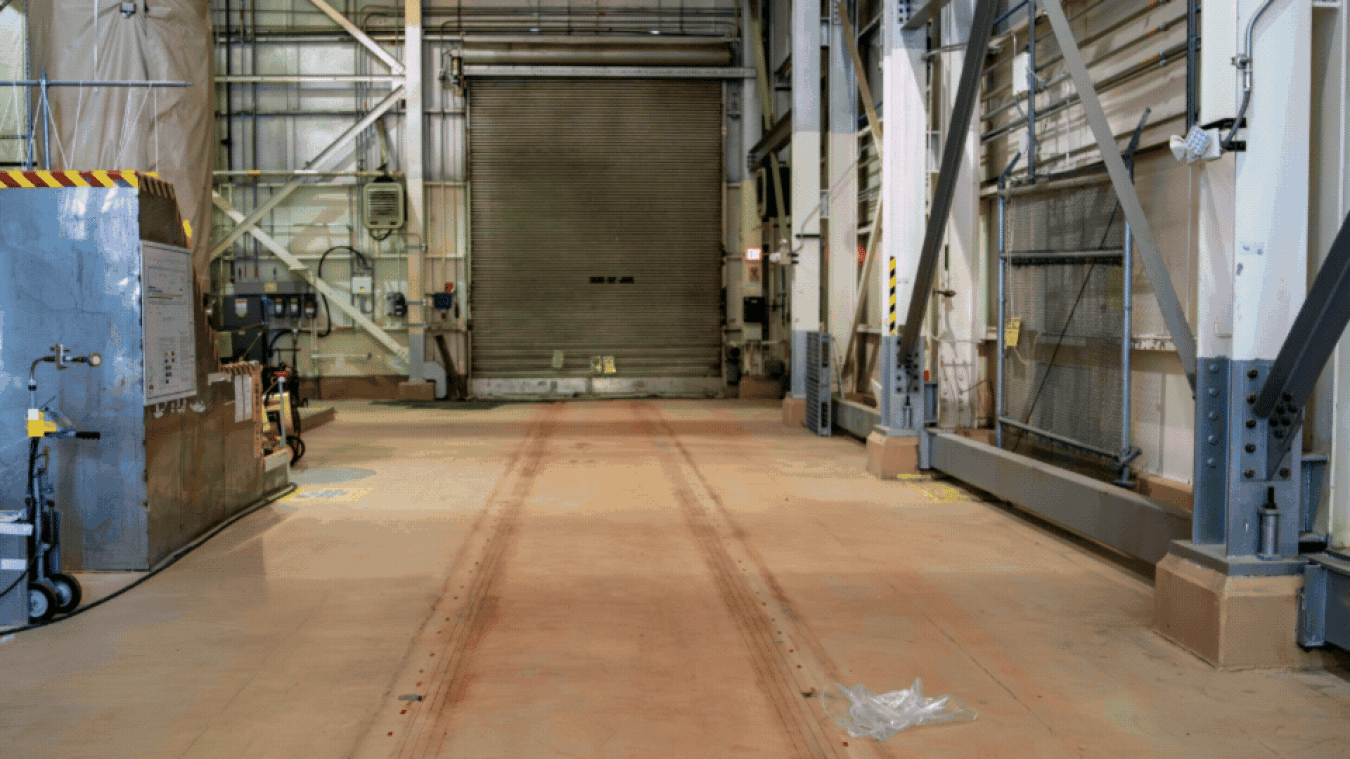
Crews are recovering historic rail infrastructure inside the Irradiated Fuel Storage Facility at the Idaho National Laboratory Site for use in getting used nuclear fuel “road ready” for future shipment out of state according to the Idaho Settlement Agreement.
IDAHO FALLS, Idaho — Idaho Cleanup Project crews recovered more than 200 feet of rail within a Cold War-era facility that will aid in future used nuclear fuel packaging and transportation efforts.
The rails, reclaimed from the Irradiated Fuel Storage Facility, are integral to the Idaho Cleanup Project’s Road Ready Demonstration Project. In that initiative, crews retrieve the fuel from storage at the facility and package it into a transportable “road ready” system, including U.S. Department of Energy (DOE) standard canisters. Next, they store the canisters in protective containers known as overpacks for eventual shipment and removal from Idaho when a disposal path is available.
Removing the used nuclear fuel from Idaho is being completed in accordance with an agreement between DOE and the state of Idaho. This work also extends the life of the Irradiated Fuel Storage Facility at the Idaho Nuclear Technology and Engineering Center, which stores fuel from the Idaho National Laboratory’s Advanced Test Reactor, a research reactor onsite.
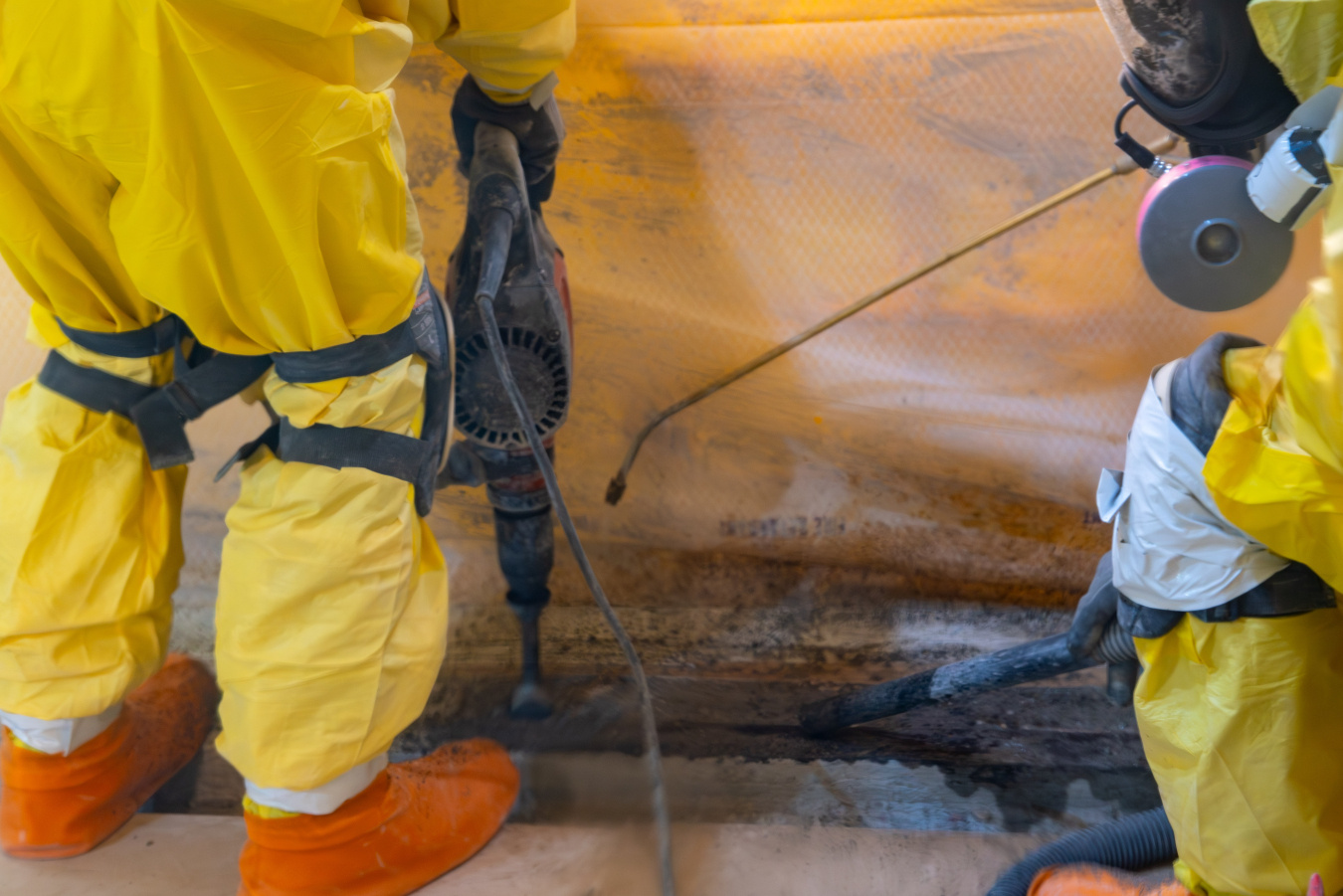
Personal protective equipment, containment tents and specialized tools allow workers to complete the rail recovery project safely and efficiently.
The rail will play an important role in moving fuel packages weighing as much as 120 tons, in tandem with a low-profile transport car, from the legacy facility’s storage area to a staging pad to be constructed nearby.
Since June, crews have carefully chipped away at the grouting over the rails, using specialized tools and personal protective equipment to safely complete the work. Tents constructed over work areas ensure no risk of contamination from potential hazards to the workforce, allowing other work inside the facility to continue seamlessly.
Used nuclear fuel packages historically moved to storage in the facility on rails, and restoring this infrastructure will prevent unnecessary wear and tear to the facility’s overhead crane.
-Contributor: Carter Harrison
To receive the latest news and updates about the Office of Environmental Management, submit your e-mail address.