


The Transportation Technologies Office (TTO) partners with researchers at the National Laboratories and industry to identify technologies and strategies that lower costs and increase vehicle performance.
With the large number of advanced powertrain configurations that could potentially provide these benefits, it is not feasible to build actual vehicles to evaluate all of their viability and performance characteristics. Instead, researchers rely on accurate, flexible simulation tools to build and test virtual vehicles. These models accurately predict vehicle and component performance, allowing manufacturers to identify innovations that improve quality, shorten development timelines and lower costs.
TTO has supported the development of modeling and simulation tools that are used throughout the vehicle industry.
Autonomie, developed in partnership with Argonne National Laboratory and General Motors, is a comprehensive plug-and-play software package for advanced vehicle modeling and design. Any vehicle manufacturer can use it to assess the impact of different battery technology developments and lightweighting scenarios on vehicle energy consumption and costs. These tools can be applied across all vehicles, and key outputs of vehicle fuel efficiency and costs have direct impact on transportation affordability. Currently, there are more than 375 organizations worldwide using Autonomie, spanning government agencies, the auto and energy industries, research institutions, universities, and public interest groups.
Future Automotive Systems Technology Simulator (FASTSim) is a simpler, faster model that requires fewer inputs compared to Autonomie. Developed at the National Laboratory of the Rockies, FASTSim allows researchers to quickly evaluate a large number of simple configurations for conventional, hybrid electric, plug-in hybrid electric, and all-electric vehicles.
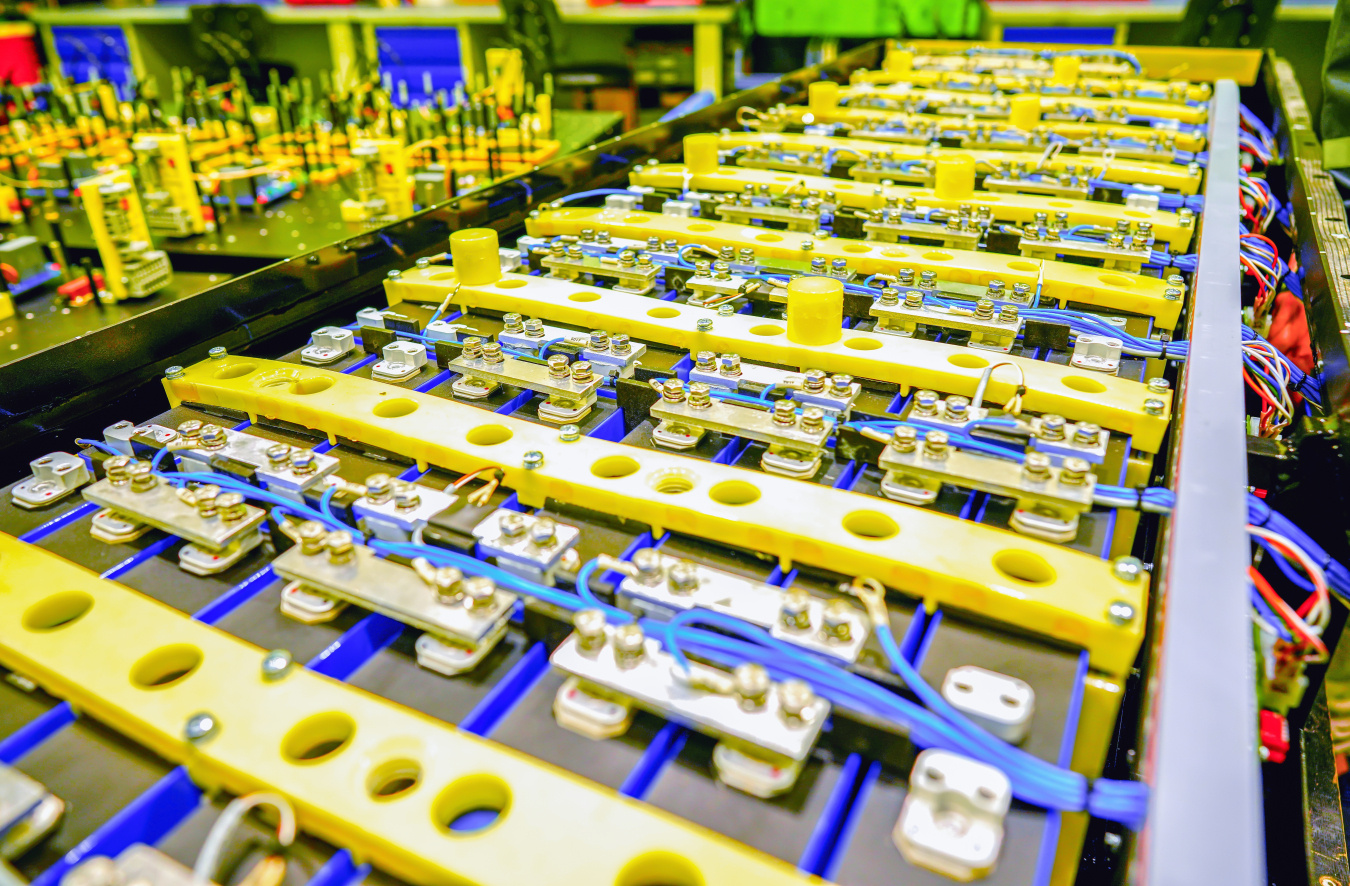
BatPaC: Battery Manufacturing Cost Estimation is a tool developed by Argonne National Laboratory that helps researchers and policy makers estimate the cost of manufacturing lithium-ion batteries. It also enables analysis of trade-offs that result from different user requirements related to power, energy, and charging, for example.
In addition to industry, the federal government uses these models to guide research, development, and policy. TTO closely couples its modeling work with its ongoing collection of laboratory and real-world data from actual components and vehicles. Data is also collected from industry consortiums like U.S. Drive, other government agencies, and public and private datasets to enhance modeling simulations and provide additional robust data to build upon. This benchmarking data feeds into these software models, increasing the accuracy of their calculations.
Subscribe for monthly updates, success stories, funding opportunities, and more!
This was last updated .