



RSS


End users may not notice big changes in OpenStudio 2.0.0, but the underlying development platform has been drastically revamped to make third-party ap
A study found 45% of homeowners indicated they plan to install smart systems or devices as part of their home renovation projects.
A home is intimately tied to the health and well-being of its residents.
Launched by Architecture 2030, the 2030 Districts program focuses on supporting major metropolitan areas in their endeavors to work towards the ambitious goal of advancing resilient, energy efficient planning and design. Each District is made up of par...
The returns on investment jump off the page like a 3D movie, ranging from 42% to a whopping 410%. They are the energy saving results from 10 pilot tenant space projects that are now serving as the basis for the recent launch of Urban Land Institute’s...
As a part of the Obama Administration's effort to cut energy waste in the nation's buildings and facilities, today the U.S. Department of Energy (DOE) and the National League of Cities launched the Better Buildings Zero Energy Districts Accelerator to ...
After previously discussing what building codes are, how they are developed, and how they are adopted, we now explore the final, and perhaps most important, stage of the building energy code cycle: compliance.
The United States and India have a long and successful strategic partnership in the energy sector.
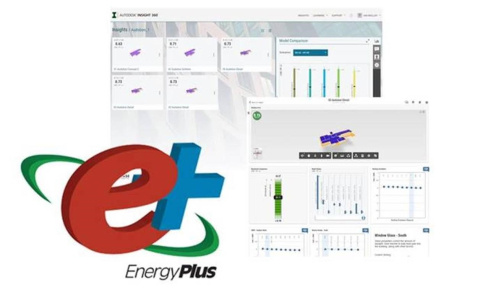
At Greenbuild, Autodesk unveils an upgrade to its Insight360 suite of tools that will allow architects to run annual EnergyPlus simulations.
Lighting Program Manager for EERE’s Building Technology Office, Jim Brodrick, sat down to discuss the 2016 Revolution…Now report that was relea...