



CESER hosts three-day summit to help secure the nation's critical energy infrastructure
Office of Cybersecurity, Energy Security, and Emergency Response
July 28, 2026 Estimated Read Time min
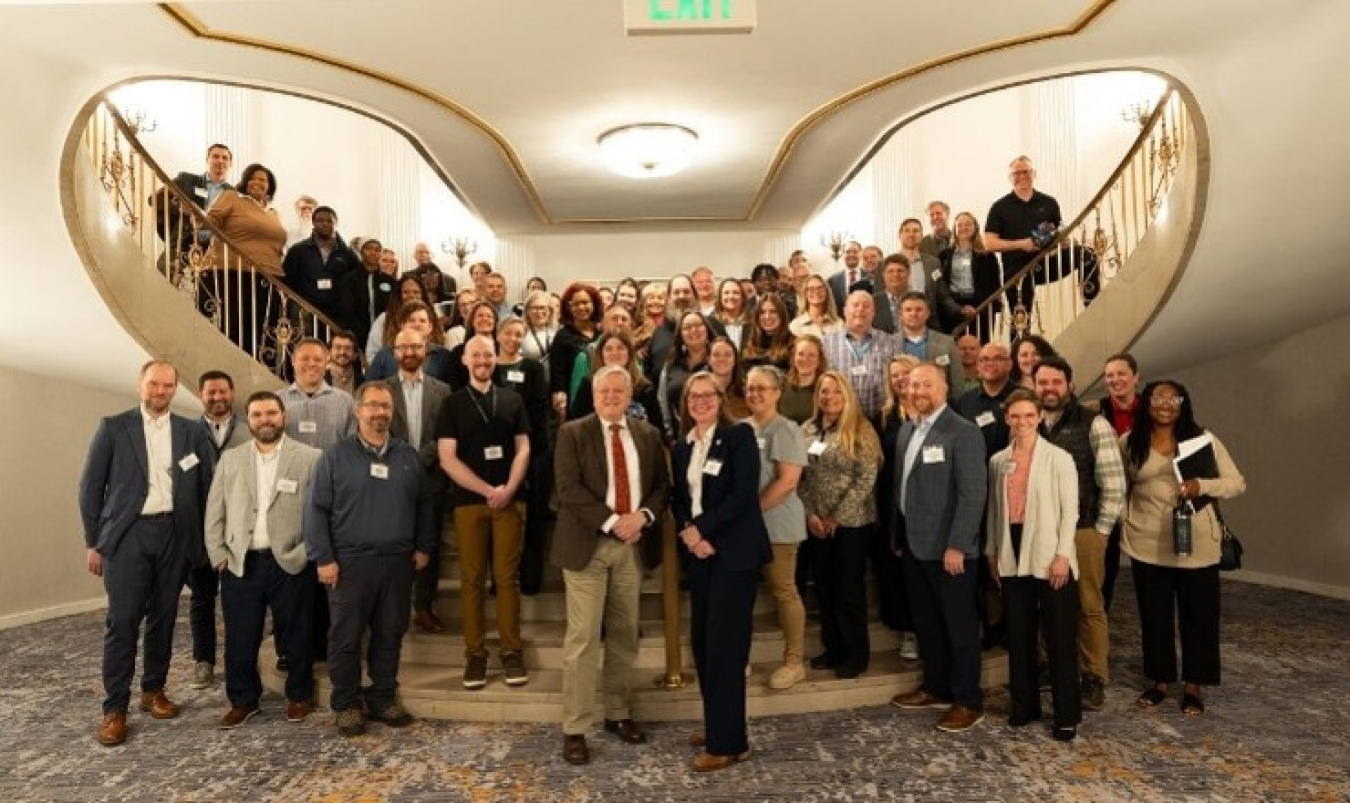
Collaboration is essential to defending the nation’s energy infrastructure from cyber threats. For the second year in a row, state and territory officials gathered at the Cybersecurity for Energy Resilience Summit (CyFERS) for three days of practical training, interactive exercises, and panel discussions. This year’s event, held in Milwaukee, Wisconsin, brought together nearly 120 state officials, utilities, federal agencies, national laboratories, and energy-sector organizations.
“Cyber threats do not stop at organizational, jurisdictional, or sector boundaries, and neither can our defenses,” said Deputy Director for Department of Energy’s (DOE) Office of Cybersecurity, Energy Security, and Emergency Response (CESER) Tim Kocher, who provided the opening keynote. “CyFERS brings together the leaders and partners needed to build a more coordinated, resilient energy security posture to better protect the systems communities depend on every day.”
DOE’s CESER and Pacific Northwest National Laboratory (PNNL) hosted CyFERS 2026 in partnership with the National Association of State Energy Officials (NASEO), National Association of Regulatory Utility Commissioners (NARUC), National Governors Association (NGA), and National Conference of State Legislatures (NCSL).
The 2026 summit built on the success of the inaugural CyFERS 2025 event in Salt Lake City. This year, the program moved from shared foundations to deeper, applied work on the cyber risks states face every day with more sector-specific content. Over the course of three days, CyFERS participants shifted from understanding the evolving cyber threat landscape to identifying practical ways states can strengthen preparedness, response, and long-term resilience.

The first day focused on utility cybersecurity operations and what states and partners can expect when a cyber incident occurs. The event also offered participants an opportunity to join sessions in graphical note taking by Wade Forbes of Red Tale Communications, and a Black Start Escape Room game by Idaho National Laboratory.
The second day broadened the conversation across the energy system, exploring oil and natural gas cybersecurity, cyber insurance and risk quantification, and the growing importance of supply chain and procurement practices. Breakout sessions allowed participants to dive deeper into emerging priorities, including cybersecurity for new generation technologies, request-for-proposal practices, cyber workforce development, and human-AI collaboration.
By the final day, the focus turned to applying lessons from the field and strengthening coordination across jurisdictions and sectors. Sessions on standards, legislation, information sharing, and cross-sector interdependence underscored the need for sustained collaboration before, during, and after a cyber event.
“In year two, we were able to go deeper,” said State, Local, Tribal, and Territorial Program Manager with DOE CESER Megan Levy. “From threat intelligence and incident response to procurement, workforce, and cross-sector coordination, participants walked away with practical ways to turn national cyber priorities into action that protects critical energy systems.”