Exercise Strengthens Energy Resilience and Proves the Value of Training on a Live Grid
Office of Cybersecurity, Energy Security, and Emergency Response
November 9, 2026 Estimated Read Time min
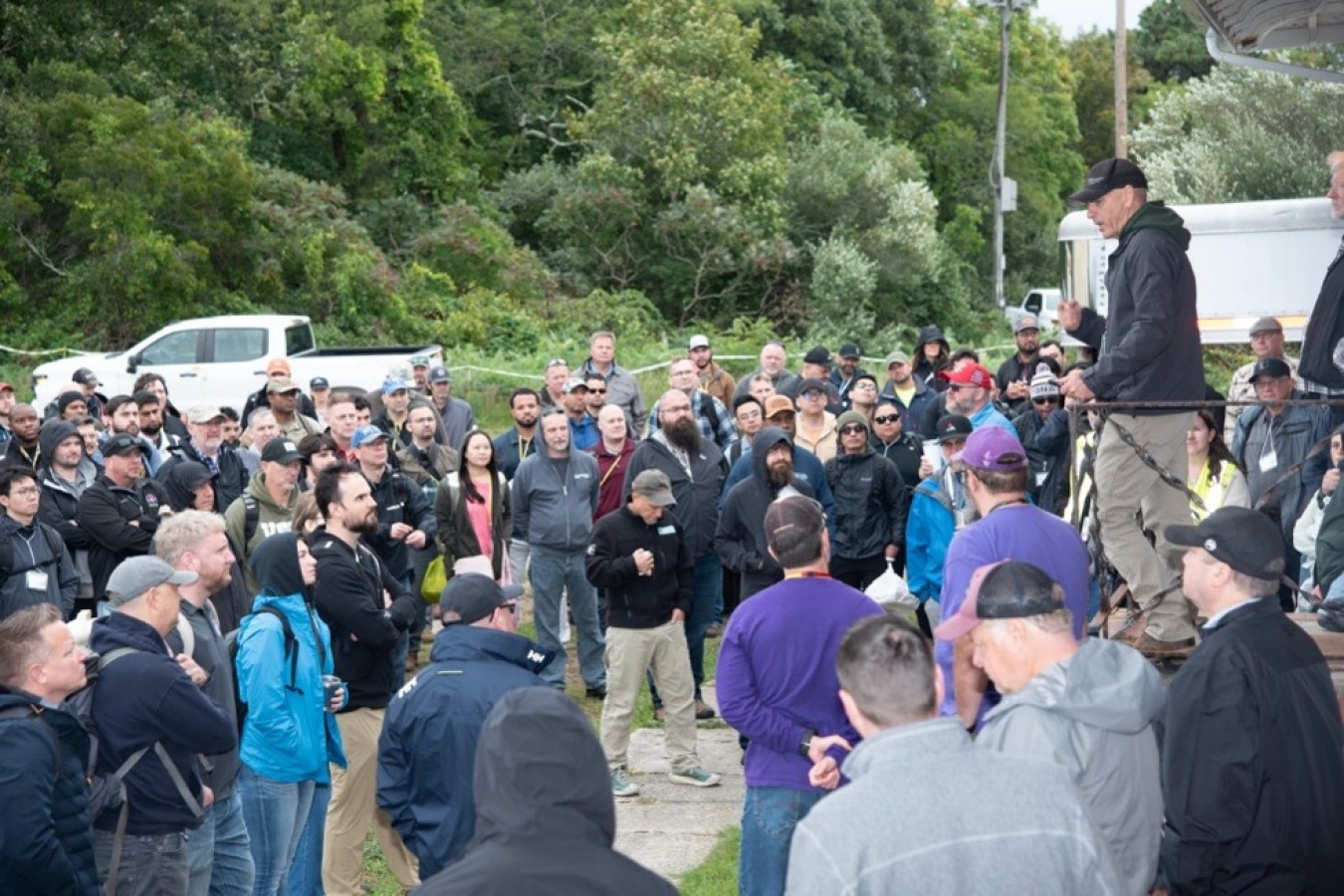
Liberty Eclipse, the Department of Energy's (DOE) annual full-scale exercise, recently brought utility partners, federal agencies, National Laboratories, and industry experts to Plum Island, New York, for an immersive test of the nation's energy resilience.
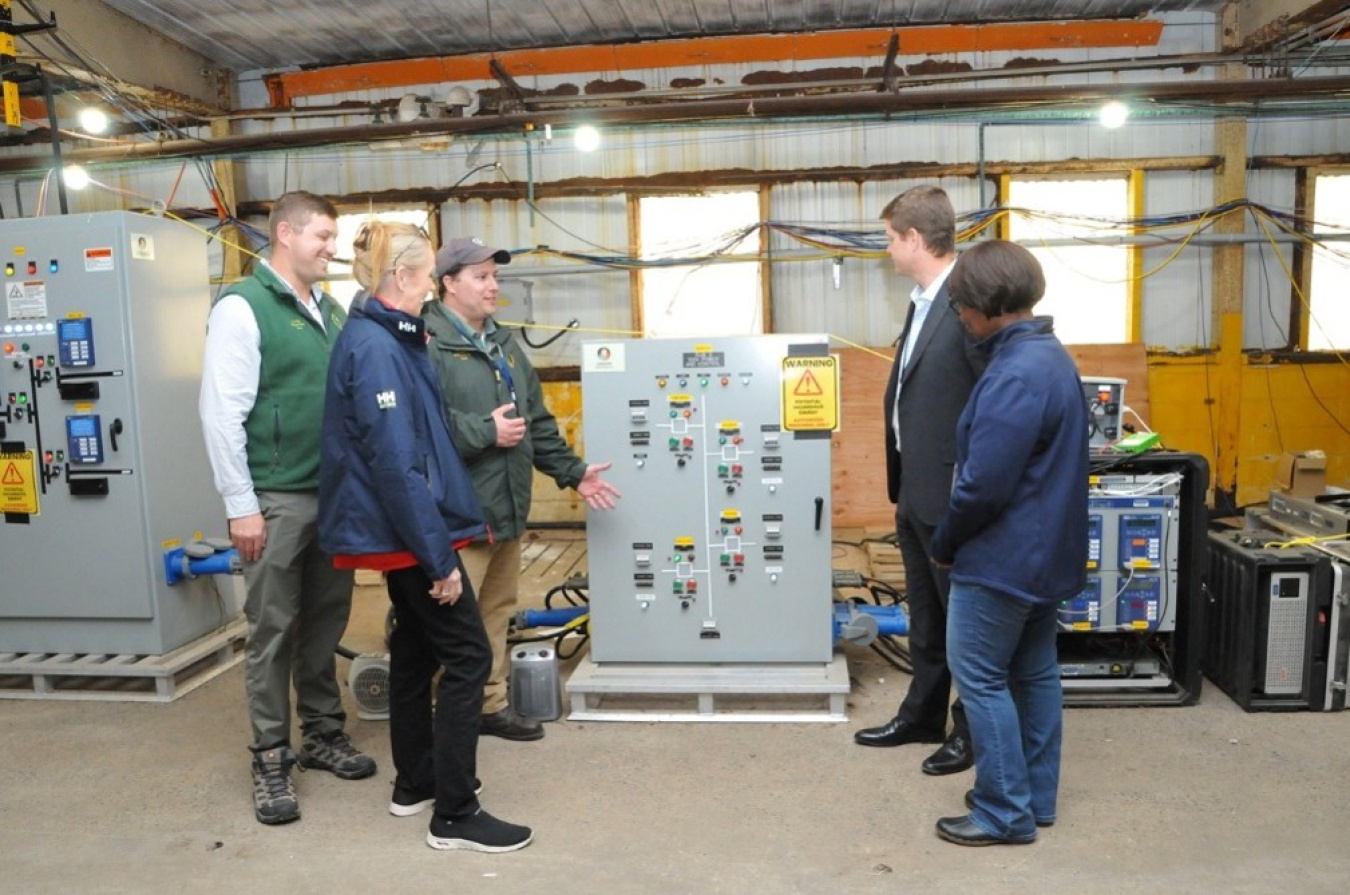
Sponsored by DOE's Office of Cybersecurity, Energy Security, and Emergency Response (CESER), Liberty Eclipse is built around a live, isolated power grid that can be attacked, defended, switched off and restored without touching mainland infrastructure. It functions as a realistic environment for operational technology (OT) and cybersecurity experts, federal partners, engineers, analysts, and utilities to practice incident response strategies.
For CESER leadership, Liberty Eclipse’s realism and partnership is what makes the exercise so impactful.
“Together we can build resilience.” said CESER Director Andrew McClure. “Collaborating with our partners in private industry through exercises like Liberty Eclipse remains essential to American energy dominance as we reinforce preparedness across the energy sector.”
Alexei Bulazel, Senior Director for Cyber at the White House National Security Council, said that Liberty Eclipse’s authenticity distinguishes it from conventional exercises.
“This isn't a simulation,” he said. “It's real power, and real consequences.”
Plum Island's standalone grid, he added, “offers a unique opportunity to experiment. It’s complex and brings opportunities to teach real techniques that can be used to harden and secure the power grid.”
That distinction between real power and simulated risk–typical of tabletop exercises–turns Liberty Eclipse from a training exercise into a proving ground. During the exercise, utilities worked in teams to not only discuss how they would respond to a ransomware attack on a substation or a compromised protective relay but actively manage it. Participants coordinated in real time across control rooms, hunt teams, and command structures, just as they would during an actual incident.
Pedro Allende, Undersecretary for Science and Technology at the Department of Homeland Security, emphasized how important real-world and real-time preparation is.
“There is no substitute for rehearsing and responding in real environments, not just tabletops,” he said. “When participants take these lessons back home, they're able to contribute far more meaningfully to their mission.”
Practicing the Hardest Part: Communication Under Pressure
Technical response is only half of the challenge during a cyber incident. The other half is communication, and Liberty Eclipse is designed to test both. Utility teams practiced relaying information to their own chains of command, coordinating with federal partners and making real-time decisions about what to escalate and when, all under the same uncertainty and time pressure they would face in an actual attack.
For many utilities, Liberty Eclipse identifies communications vulnerabilities that they can address before an actual crisis occurs.
Data That Travels Home with Every Participant
Every attack, response, and decision made during Liberty Eclipse generates something utilities rarely obtain in the field: structured data on how their own people, tools, and processes perform under stress.
Teams leave with concrete observations about where detection tools lagged, where response playbooks held up, and where coordination broke down between IT and OT staff members. Helping participants gain those insights is why CESER brings so many organizations together for a collaborative cyber incident response scenario.
The exercise also built upon several other CESER programs, including Rural and Municipal Utility Cybersecurity ACTShack, GriDNA, and Energy Threat Analysis Center operations, and tested how those tools and procedures hold up under the same live conditions utilities face during a real grid emergency.
A Lasting Return On A Short Investment
Over just one week, Liberty Eclipse provides industry partners, subject matter experts, and OT staffers with hardened playbooks, validated communication procedures, and relationships with federal partners and peer utilities that will prove vital when real incidents occur.
As cyber threats against the nation's energy infrastructure evolve daily, Liberty Eclipse remains one of the few places where defenders can test their readiness to keep power flowing for millions of Americans.
Learn more about the Liberty Eclipse program at energy.gov/ceser/liberty-eclipse.