



RSS


Each year, scientists with the Office of Science, at our national laboratories, and supported by the Office of Science at the nation’s colleges and universities, publish thousands of research findings in the scientific literature. About 200 of these are selected annually by their respective program areas in the Office of Science as publication highlights of special note.
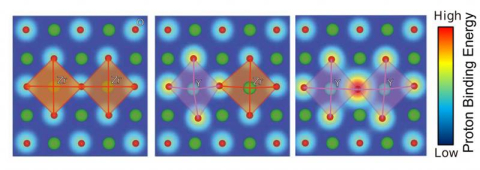
Researchers determine how to design better materials for energy storage.
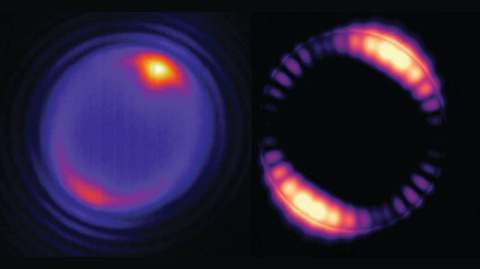
The right mix of crystals and light activate unique laser properties in 5-micron spheres of interest to computing and medical experts.
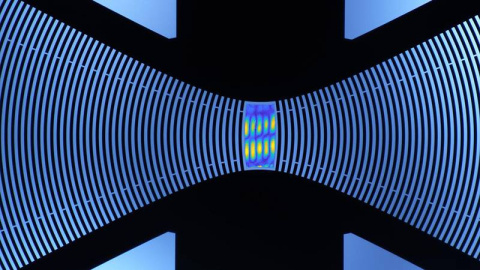
Towards connecting and manipulating quantum states of matter with sound waves.
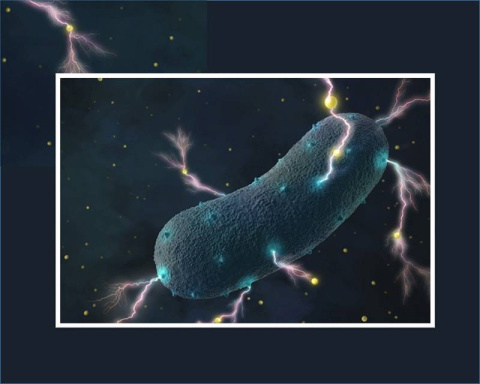
Scientists discovered that a common diarrhea-causing bacterium produces electricity & that hundreds of other bacterial species use this same process.
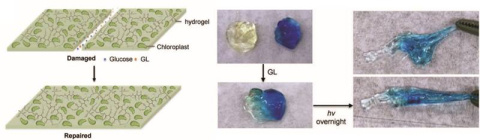
A new class of material absorbs and fixes atmospheric carbon dioxide to help it grow, get denser, and repair itself using sunlight.
Representative communities of reduced complexity provide new experimental context for investigating how soil microbial communities function.
A new computational method reliably predicts interactions that depend on neighboring organisms in an environment.
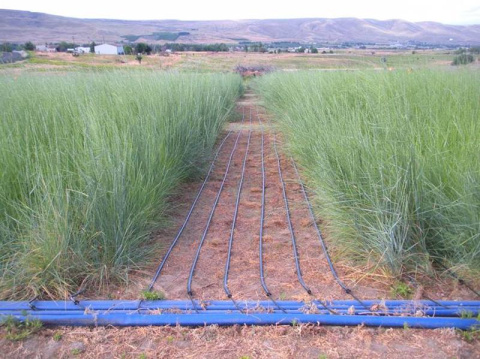
Researchers found that soil drying altered metabolic pathways within soil microbial communities.
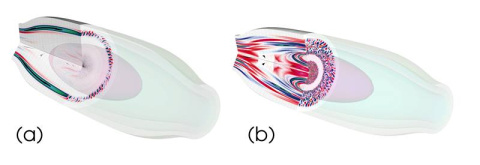
Developing computer models of the plasma in a unique device is helping a company take the next steps towards producing power.
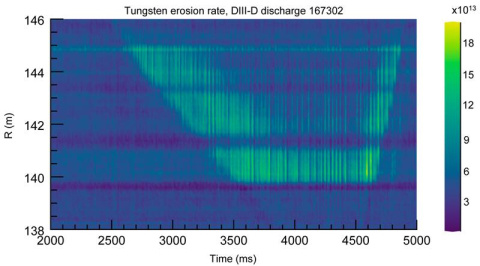
New high-resolution measurements of tokamaks’ tungsten walls may provide insight into how to better protect the armor material.