



X-ray synchrotron spectroscopy offers unique advantages over conventional materials characterization techniques, including higher detection

Secondary organic aerosols (SOA) are air pollutants implicated in serious health problems such as lung and heart disease. They are produced through
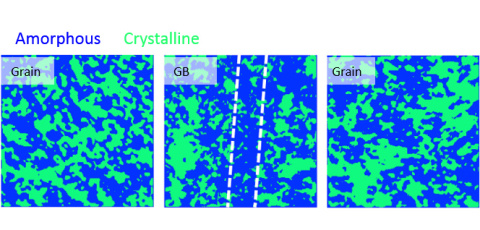
It was believed that the nanocrystalline materials with more grain boundaries would always have enhanced radiation resistance. These grain
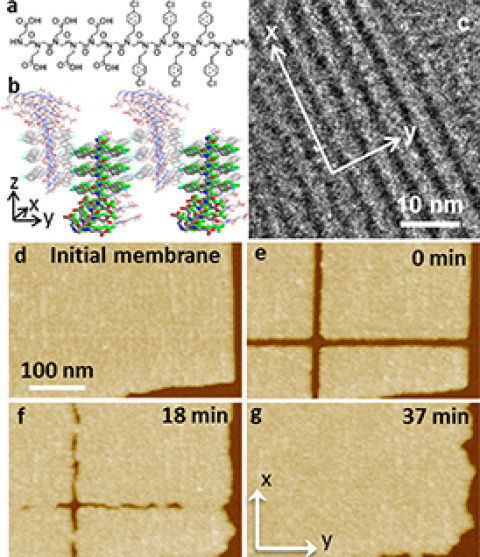
Two-dimensional (2D) materials are of increasing interest for use in filtration, sensing, and nanoelectronics because of their unique properties.

Artificial photosynthesis, which is the process of conversion of sunlight, carbon dioxide, and water into fuels, relies on chemically stable
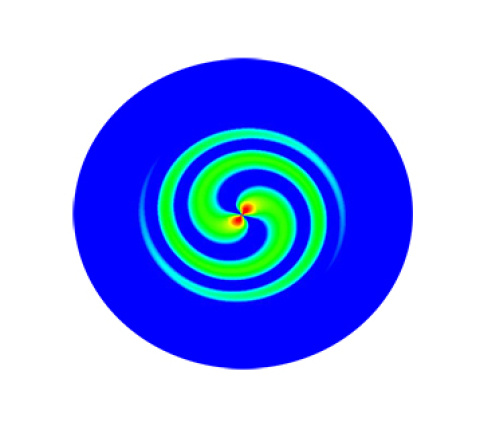
When interrogating matter with a laser pulse, the duration of the pulse plays a major role in determining the information that can be acquired. In
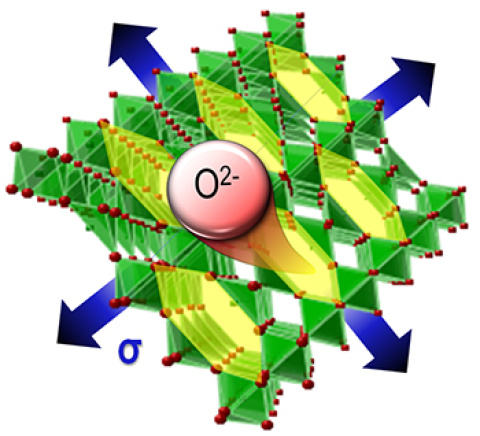
Stretching or compressing a material creates strain that can be a powerful tool to control oxygen vacancy concentration, as opposed to traditional
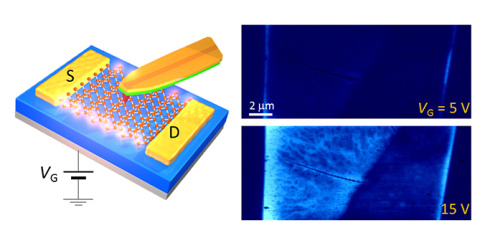
The understanding of microscopic properties of atomically thin materials, such as molybdenum disulfide (MoS2), is of fundamental
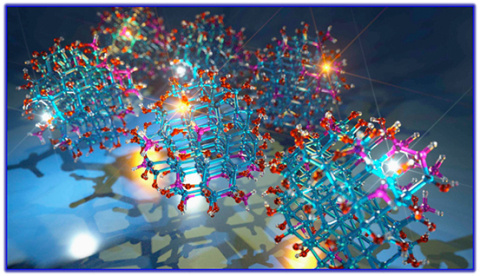
Blinking, or fluorescence intermittency, limits the usefulness of silicon nanoparticles for optoelectronic applications. Scientists have proposed
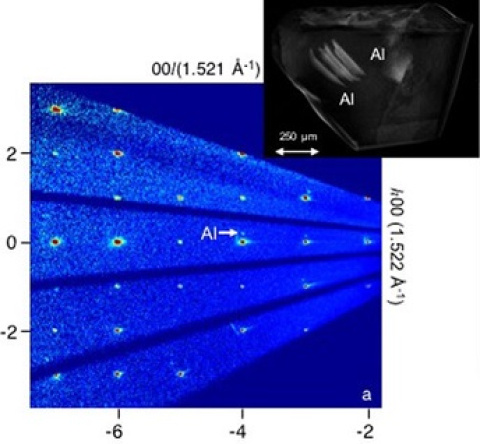
Departures from regularity—defects and imperfections—in materials are the key to their novel properties, and control over the type,