




A new way to grow narrow ribbons of graphene, a lightweight and strong structure made of a layer — just a single atom thick — of carbon
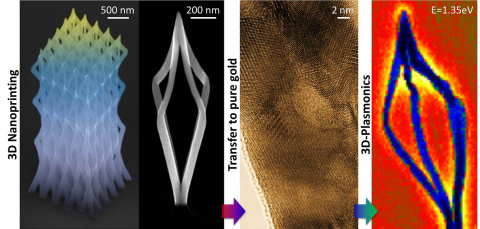
Structures on the scale of nanometers—much smaller than wavelengths of light—may improve transmission of plasmons, or small waves of
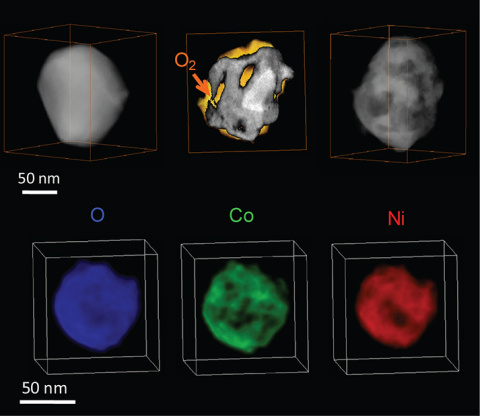
Because bimetallic catalysts are widely employed in batteries and fuel cells, a full understanding of their oxidation (electron loss) mechanisms is
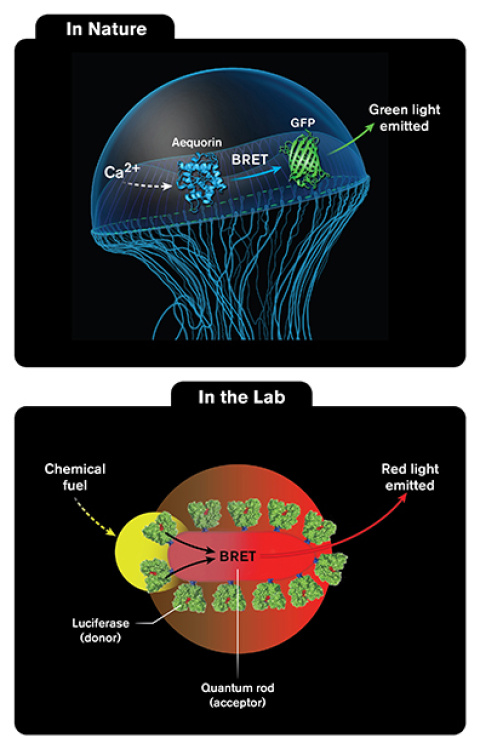
Improving the efficiency of nanoscale energy transfer in quantum dot or quantum rod based systems requires the ability to fine tune variables
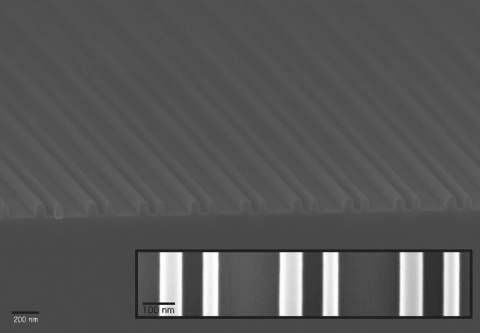
Scientists from mixed reality technology company Magic Leap Inc., working with researchers at the U.S. Department of Energy's Lawrence Berkeley
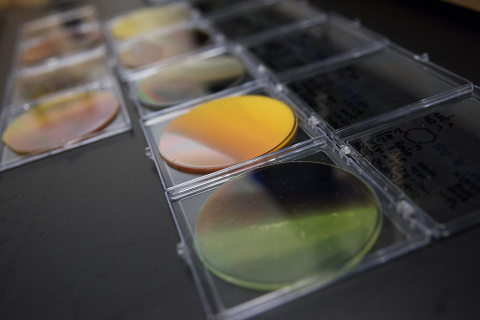
Pure hydrogen is highly flammable, making it an ideal fuel. If you could find a way to extract that hydrogen from water using sunlight, then, you
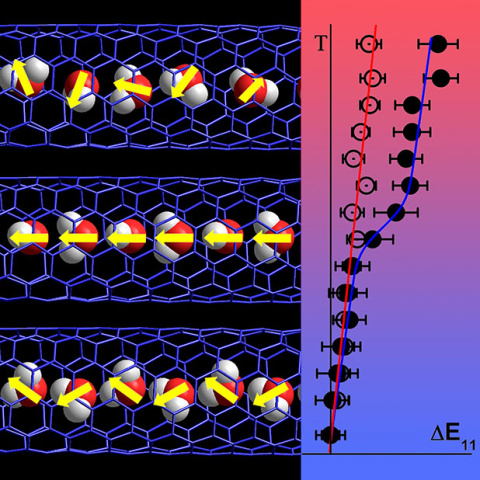
While scientists have known that molecules confined within single-walled nanotubes behave differently than their bulk counterparts, it has
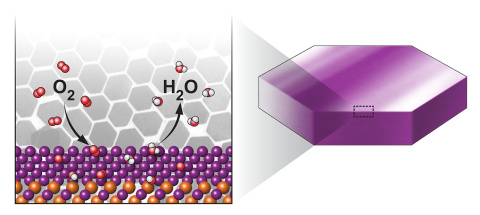
Electric vehicles powered by proton exchange membrane fuel cells, which use hydrogen gas as fuel and produce water as exhaust, have entered
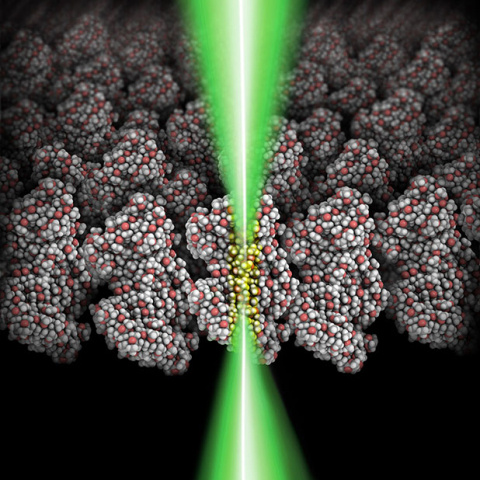
The ability to pattern materials at ever-smaller sizes — using electron-beam lithography, in which an electron-sensitive material is exposed
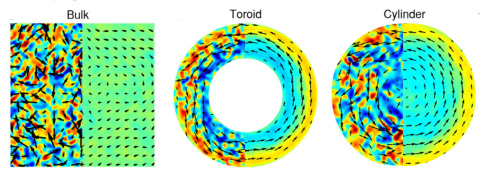
Many technologies require expensive external energy to move fluids. In contrast, cells and other microscopic biological materials move fluids using