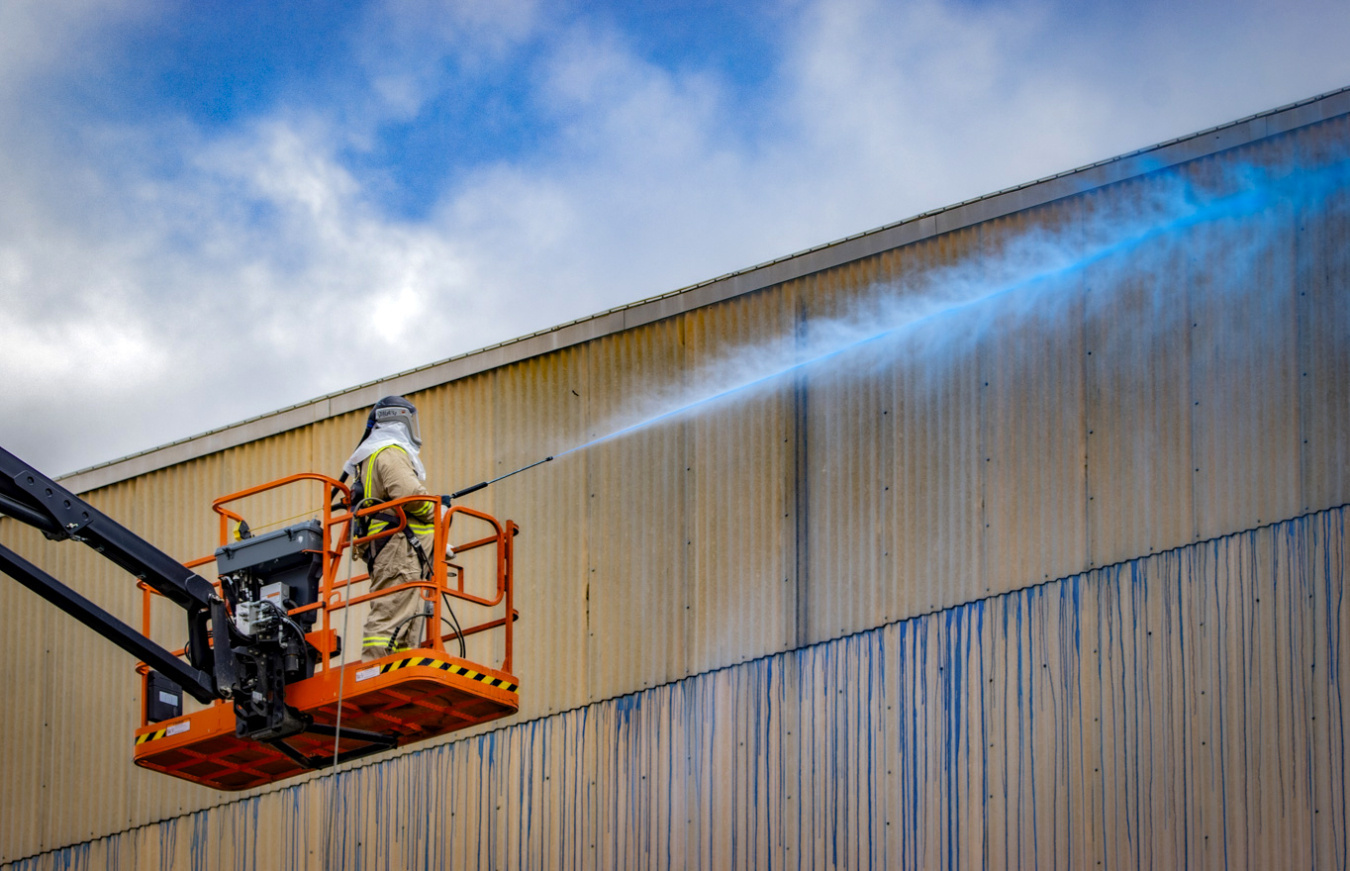
The Portsmouth Site, located in Piketon, Ohio, consisted of four main areas historically totaling more than 3,700 acres: the former gaseous diffusion plant, centrifuge facilities, depleted uranium hexafluoride conversion (DUF6) facility and On-Site Waste Disposal Facility (OSWDF). The largest of the three areas is the former gaseous diffusion plant, which consists of three main process buildings (X-333, X-330 and X-326) which housed the gaseous diffusion process equipment, as well as hundreds of supporting facilities. A seven-mile perimeter road contains the process buildings and over 400 structures and facilities.
The OSWDF is located northeast outside of the perimeter road and has a 300-acre footprint, including support facilities. More than 2,200 workers are employed at the site making it one of the largest employment drivers in the region. Currently, at the site, workers are continuing deactivation of the X-330 Process Building and are close to complete with deactivation at the X-333 Process Building.
PortsDemo - Environmental Monitoring
The safety of our workers, our community and the environment is DOE’s top priority. The Department has a robust environmental monitoring program that meets or exceeds state and national regulatory standards.

Portsmouth News
-
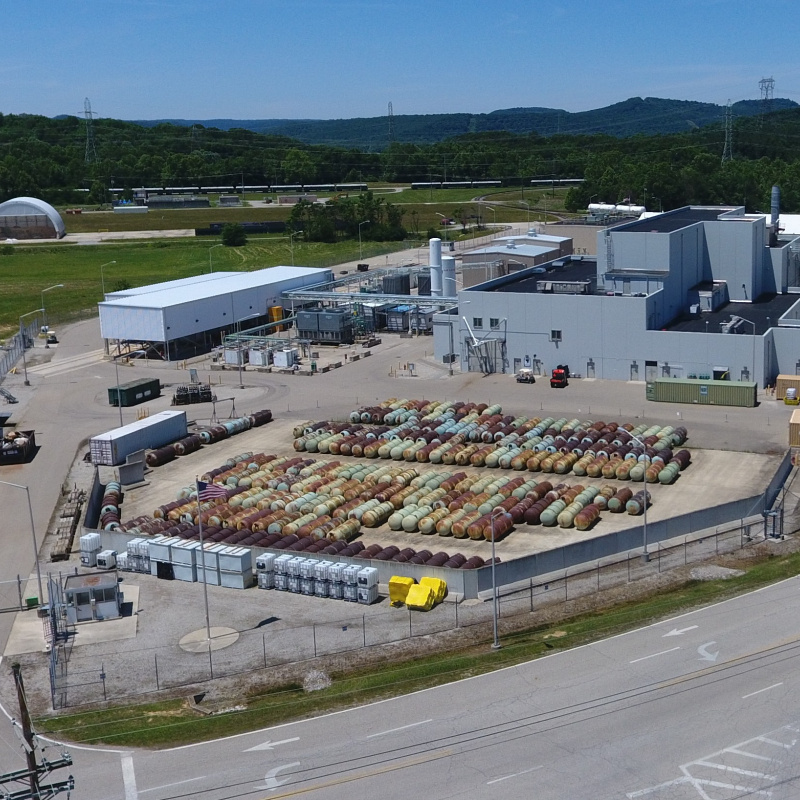 In the latest major cleanup achievement for the U.S. Department of Energy’s Portsmouth Site, crews converted depleted uranium hexafluoride from 4,500 legacy cylinders into safer, more stable chemical forms, representing more than 20% of the site’s cylinder inventory and marking progress toward reducing material left from decades of uranium enrichment.October 13, 2026
 -
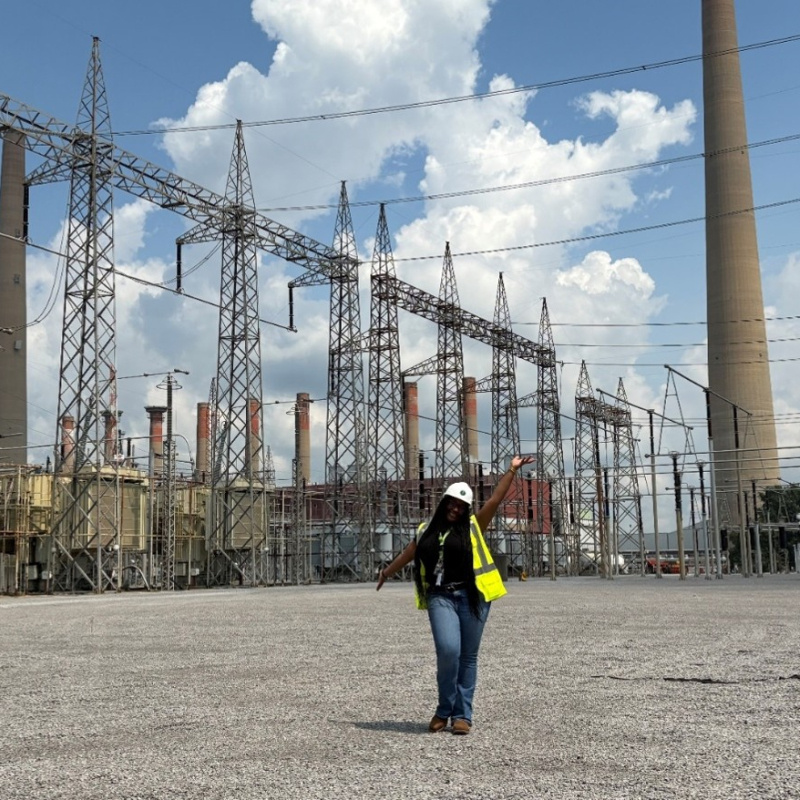 The U.S. Department of Energy’s Office of Environmental Management University Programs are building a workforce pipeline to help complete the legacy nuclear cleanup mission.October 6, 2026
 -
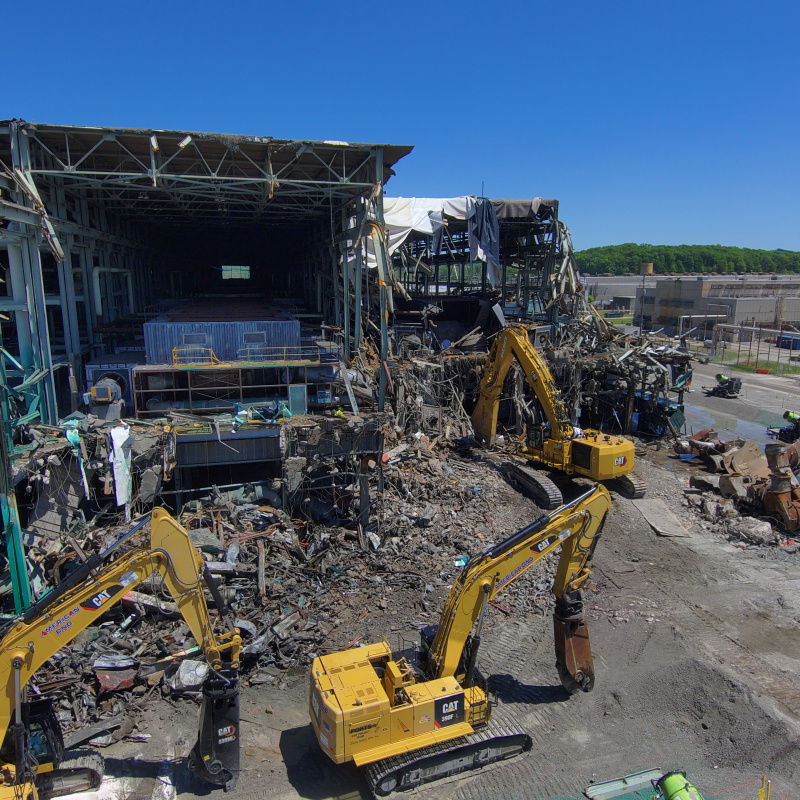 Cleanup teams recently created a new database to keep equipment organized, save money and stick to the schedule of safely and efficiently demolishing a 33-acre legacy uranium enrichment building at the Portsmouth Site.September 29, 2026