



Learn how nuclear plants store used nuclear fuel safely to protect workers, the public and the environment.
October 7, 2026 Estimated Read Time min
Inside a nuclear reactor, fission of uranium atoms in solid nuclear fuel provides the heat to create steam that nuclear power plants use to generate electricity.
When that fuel is removed, it is extremely hot and radioactive. Before anything else can be done with it, it needs to be stored somewhere to cool down.
So, where does it go?
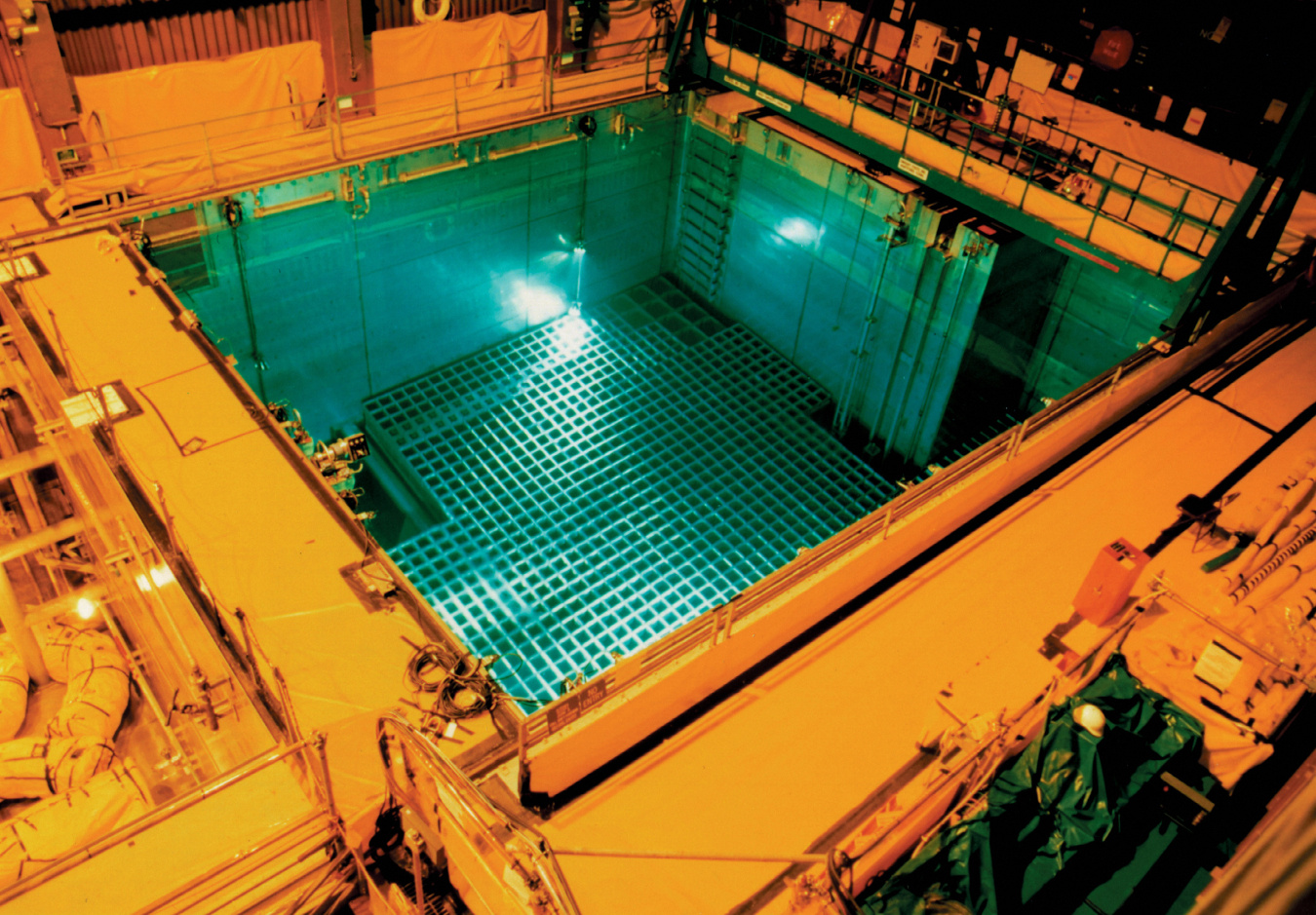
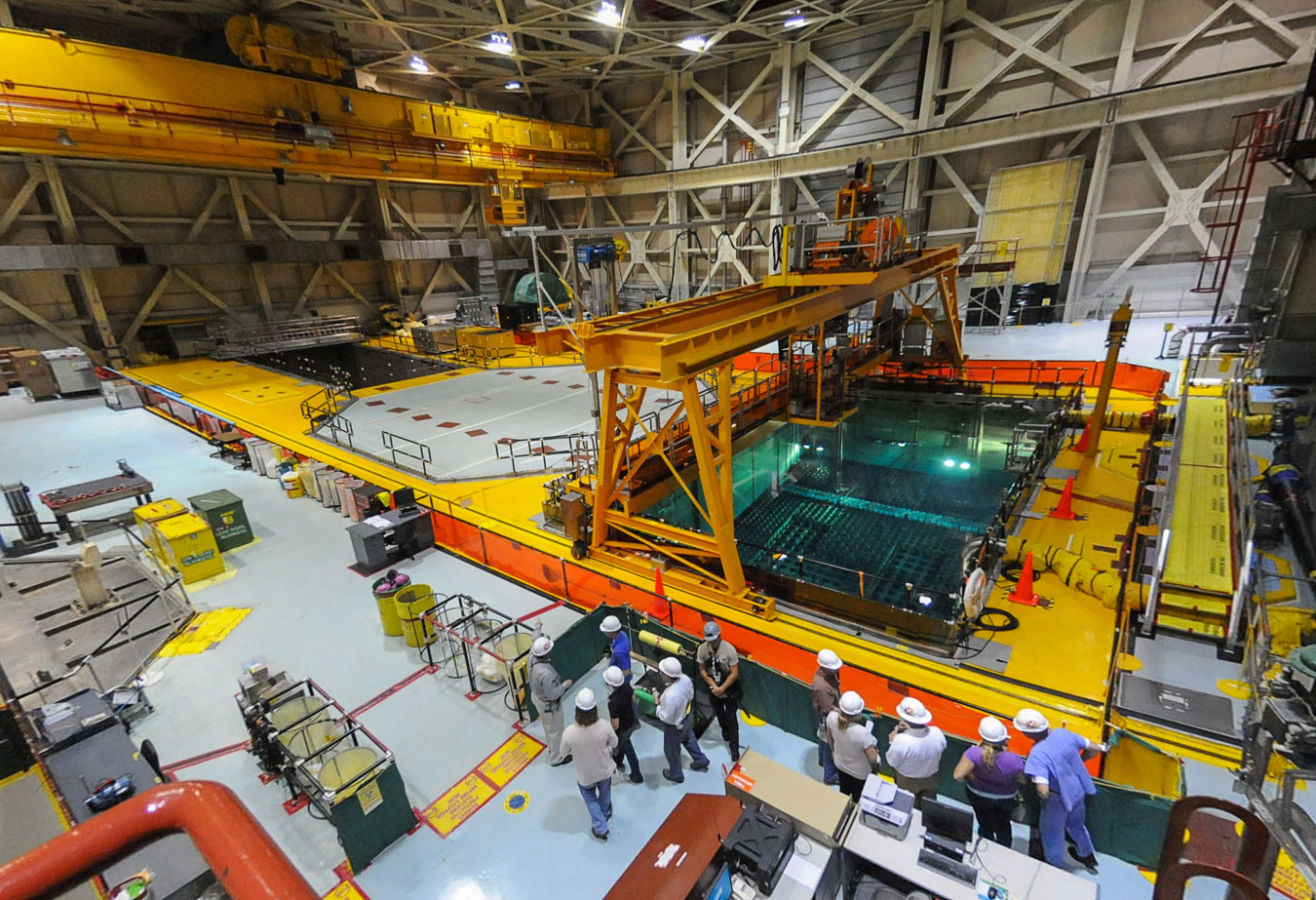
The first stop after fuel leaves the reactor is a water-filled pool on the nuclear power plant’s property called the spent fuel pool — also referred to as the used fuel pool, or “wet storage.”
Read on to learn how nuclear plants store used nuclear fuel safely to protect workers, the public and the environment.
Ready? Let’s dive in.
Hot Stuff
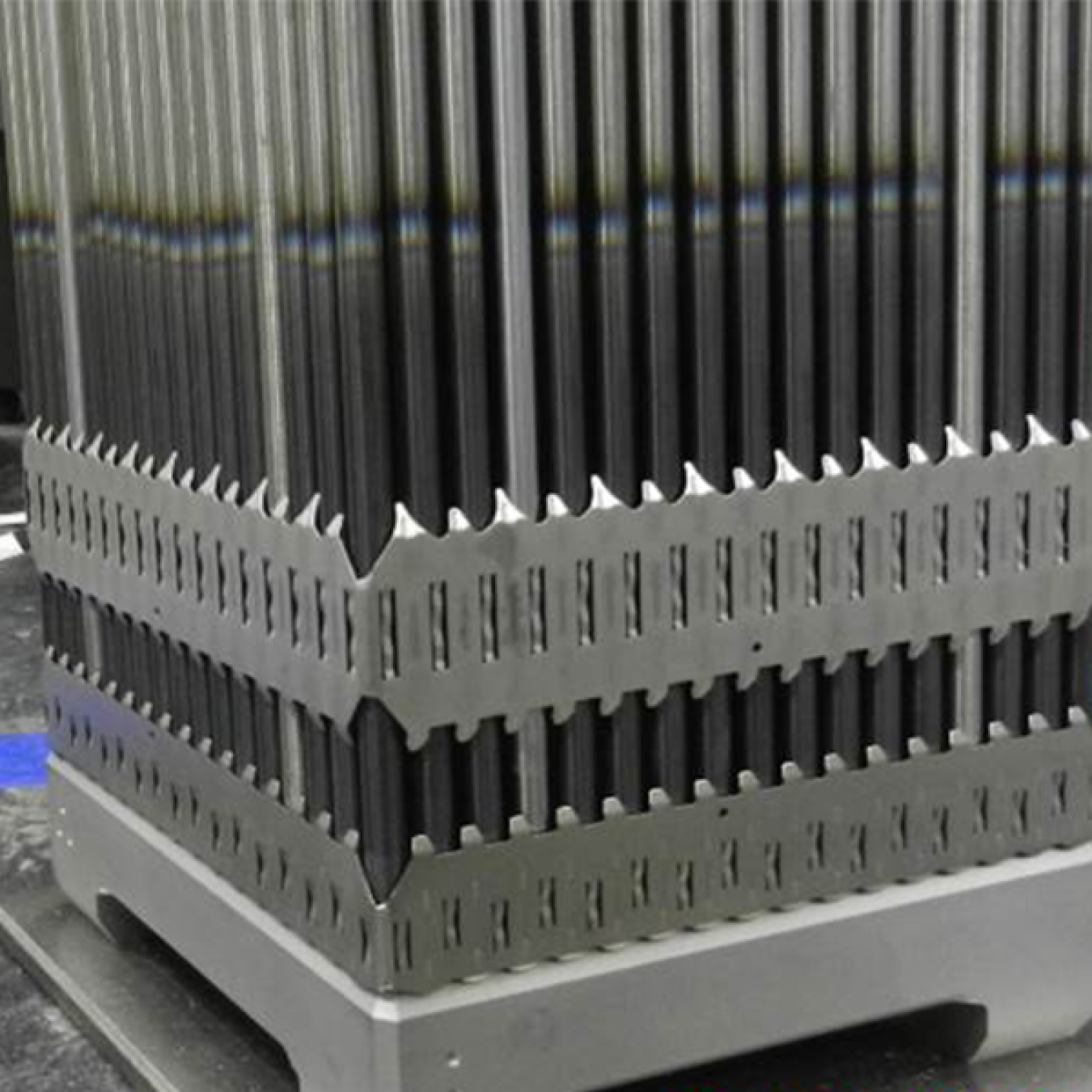
Today's nuclear fuel comes in the form of small solid ceramic pellets made of uranium oxide. These are packed into long, thin metal tubes called fuel rods, which are bundled into “fuel assemblies” or “fuel bundles.”
A commercial nuclear reactor may contain anywhere from 120 to over 700 fuel assemblies, depending on the design.
A fuel assembly typically spends between three to six years producing energy in a reactor before it is removed to make way for fresh fuel. The fuel pellets remain a solid before, during and after their time in the reactor.
Inside a reactor core, temperatures can reach around 600 degrees Fahrenheit.
Even after the reactor is shut down, the fuel rods remain very hot. Fuel pellets continue radioactive decay and generate heat, so the fuel assemblies must remain submerged in water for cooling for a period of time.
Underwater Voyage
From the reactor to the spent fuel pool, nuclear fuel never leaves the water.
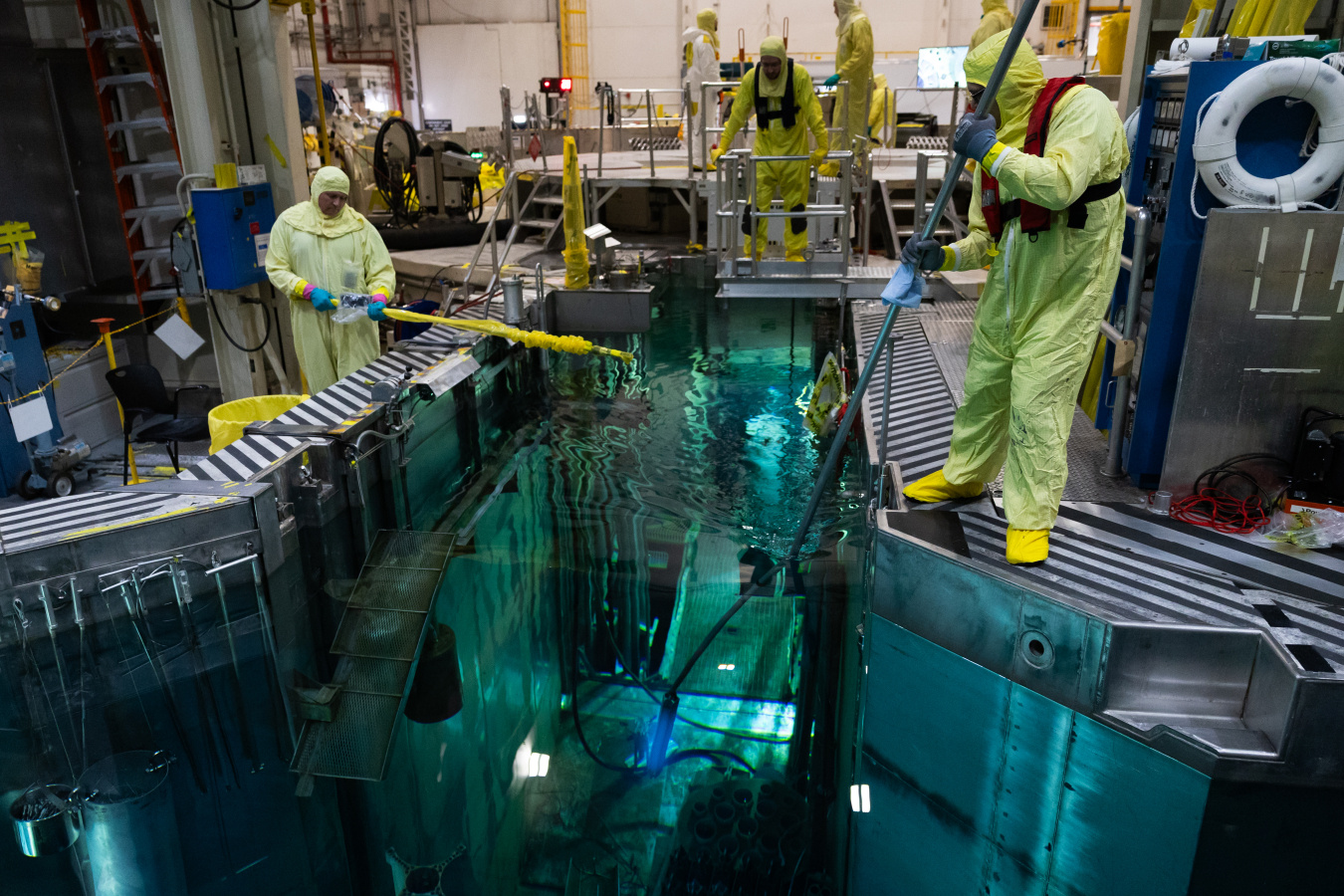
To keep workers safe, the space above the reactor is flooded with water before any fuel is removed. The used fuel assemblies are then moved from the reactor to the spent fuel pool through water-filled channels that run through the power plant.
The fuel may be moved with an overhead crane or on a motorized underwater cart depending on the design of the reactor.
Used Fuel, Spent Fuel, or Nuclear Waste?
Even though it’s common industry practice to refer to nuclear fuel that has been through a reactor as spent nuclear fuel, it isn’t really “spent” at all.
Less than five percent of the potential energy in nuclear fuel is extracted after five years of operation in a commercial reactor. A more accurate term is “used nuclear fuel.”
What about the term “nuclear waste”? When it comes to used nuclear fuel, it’s only waste if you waste it. Recycling used nuclear fuel could increase resource utilization by 95 percent and drastically cut down on the used nuclear fuel stored on site at the nation’s commercial nuclear power plants.
Strength in Depth
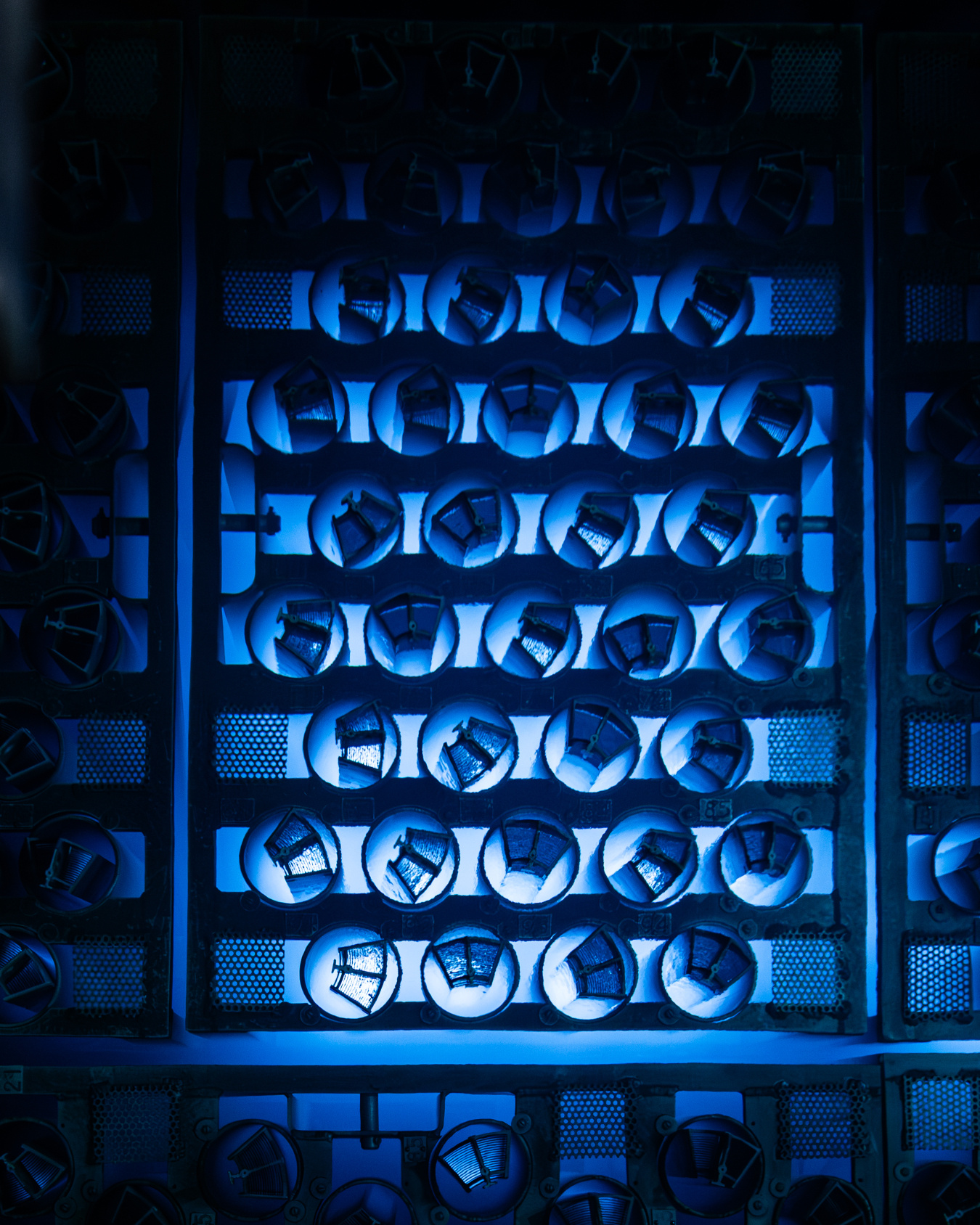
A typical spent fuel pool is at least 40 feet deep and lined with several feet of concrete and steel to prevent leaks.
Why keep used nuclear fuel in water? Water is a natural multitasker — it blocks radiation from the used fuel and absorbs its heat.
Spent fuel pools are built to withstand natural disasters like earthquakes and equipped with backup cooling systems that can operate during power outages.
Nuclear plant staff continuously monitor the pool’s water level, temperature, and radiation levels for safety. They also check for contaminants that may damage or corrode the used nuclear fuel rods.
The Cooldown Clock
Used nuclear fuel typically spends 5 to 10 years in a spent fuel pool.
During that time, radioactivity decreases and the fuel cools down. As the pools fill up with additional batches of fuel, older used nuclear fuel assemblies are transferred to “dry storage” in large concrete and steel casks.
Spent fuel pools are a necessary bridge between the nuclear reactor and longer-term used nuclear fuel storage solutions, including dry storage, recycling or disposal in deep geologic repositories.
Safely managing used nuclear fuel in wet storage — and beyond — is key to ensuring the future of nuclear energy.