



To celebrate National Hydropower Day, DOE's Hydropower and Hydrokinetic Office (H2O) is highlighting how the nation is working to keep our integral pieces of infrastructure strong so they and continue to provide key support to the grid.
Hydropower and Hydrokinetic Office
August 20, 2026 Estimated Read Time min
In 1881, Niagara Falls suddenly lit up at night. That’s because Charles Brush used the falls to power a generator that provided electricity for nighttime lighting, allowing visiting tourists to experience the hydrologic wonder like never before. That day, Niagara Falls became the first hydroelectric generating facility in the U.S.
In the 145 years since, hydropower has worked to meet American electricity needs. Hydropower started small—providing power to arc lamps, paper mills, and a few homes. Now, hydropower provides enormous benefits to the country’s grid and remains a reliable, domestic source of energy, accounting for 5.6% of total electricity generated in the United States.
To celebrate National Hydropower Day, the U.S. Department of Energy’s (DOE) Hydropower and Hydrokinetic Office (H2O) is highlighting how the nation is working to keep these integral pieces of infrastructure strong so they and continue to provide key support to the grid.
H2O funds hydroelectric incentives so that decades-old hydropower facilities can continue to operate efficiently and effectively for years to come. Earlier this year, DOE announced that it would resume negotiations on the 293 capital improvement projects across 33 states. The selected projects received over $430 million in Maintaining and Enhancing Hydroelectricity Incentive payments. Many of those projects have already invested in upgrades that improve dam safety, grid reliability, and energy affordability.
Here are a few hydropower projects that have used incentive payments to keep facilities up and running so that all Americans have access to reliable and affordable energy.
York Haven
York Haven, Pennsylvania
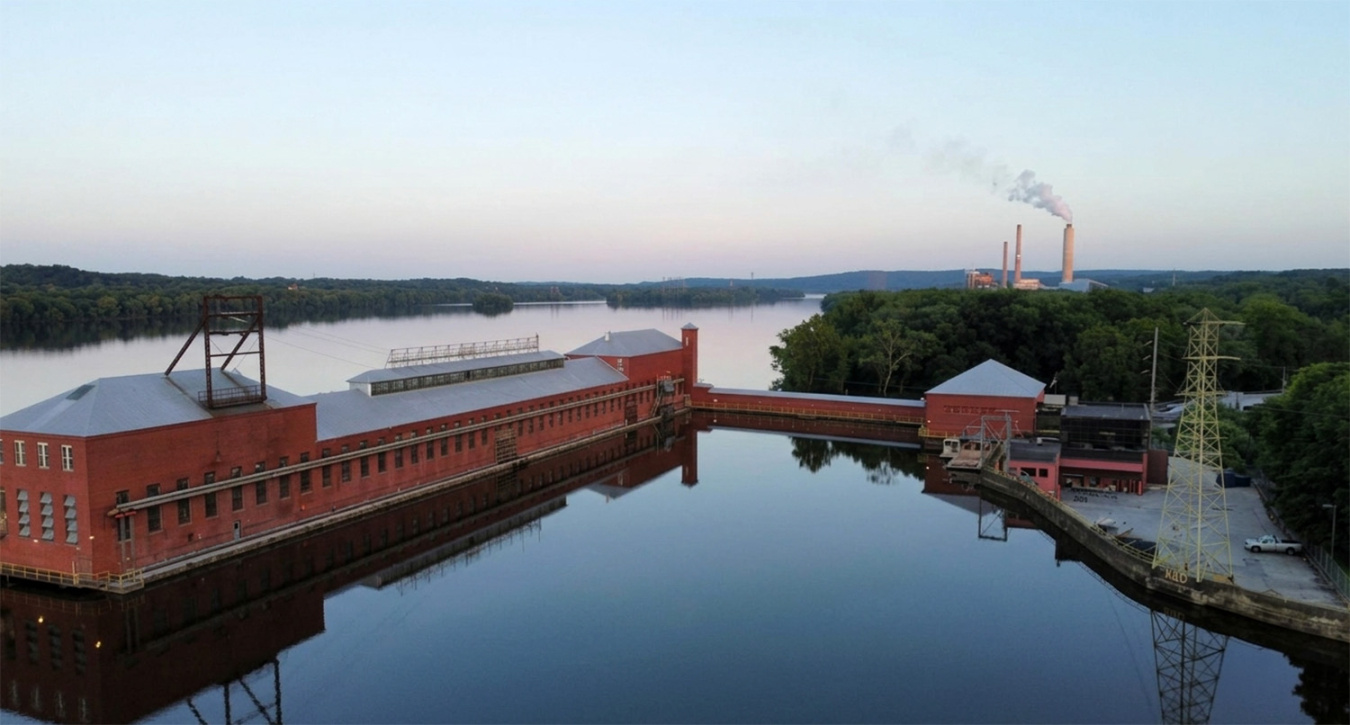
The York Haven Hydroelectric Project is one of the oldest operating hydropower projects in the U.S. The facility began generating power in 1904 and installed one of the first Kaplan turbines. This propeller-type turbine is designed to generate power from large volumes of slow-moving water, like the Susquehanna River where the dam is located.
However, those components eventually wear out and need to be replaced. That’s one reason why Eagle Creek Renewable Energy—owner of York Haven Hydroelectric Project—applied to receive funding through hydroelectric incentives. Using these funds, the company installed new Francis turbines and gearbox runners, which transmit power from the turbine to the generator. Together, these upgraded components more efficiently produce and transfer energy.
Eagle Creek Renewable Energy also used their incentive award for permitting assistance—allowing them to bring in experts who help navigate Federal Energy Regulatory Commission and state agency permitting requirements. Eagle Creek has also used these funds to improve dam safety by making a number of repairs to the dam.
The York Haven dam currently generates more than 19 megawatts of power and produces a long-term average generation of 135,485 MWh of electricity annually, which is enough to power over 13,000 homes.
Kern Canyon
Bakersfield, California
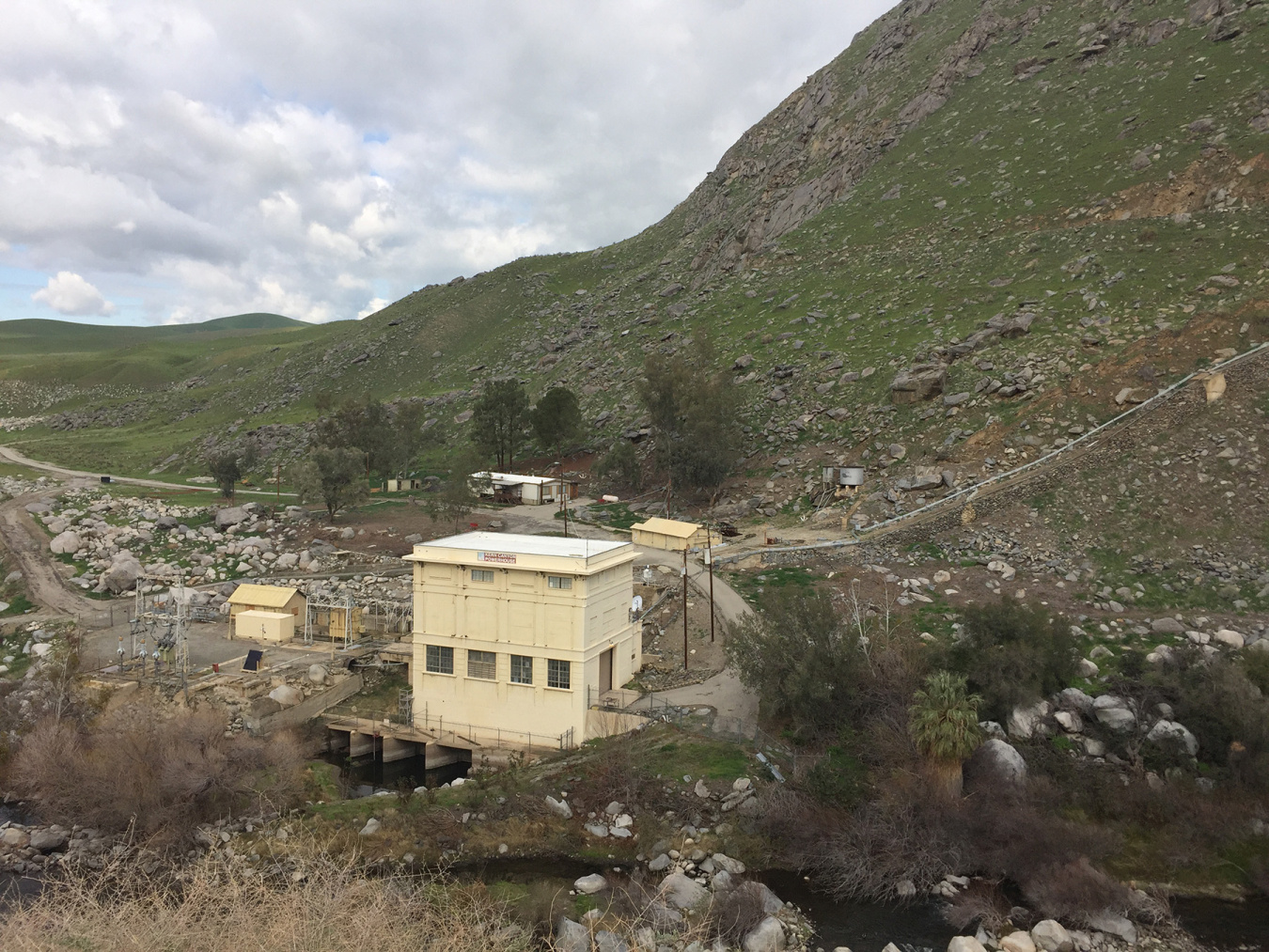
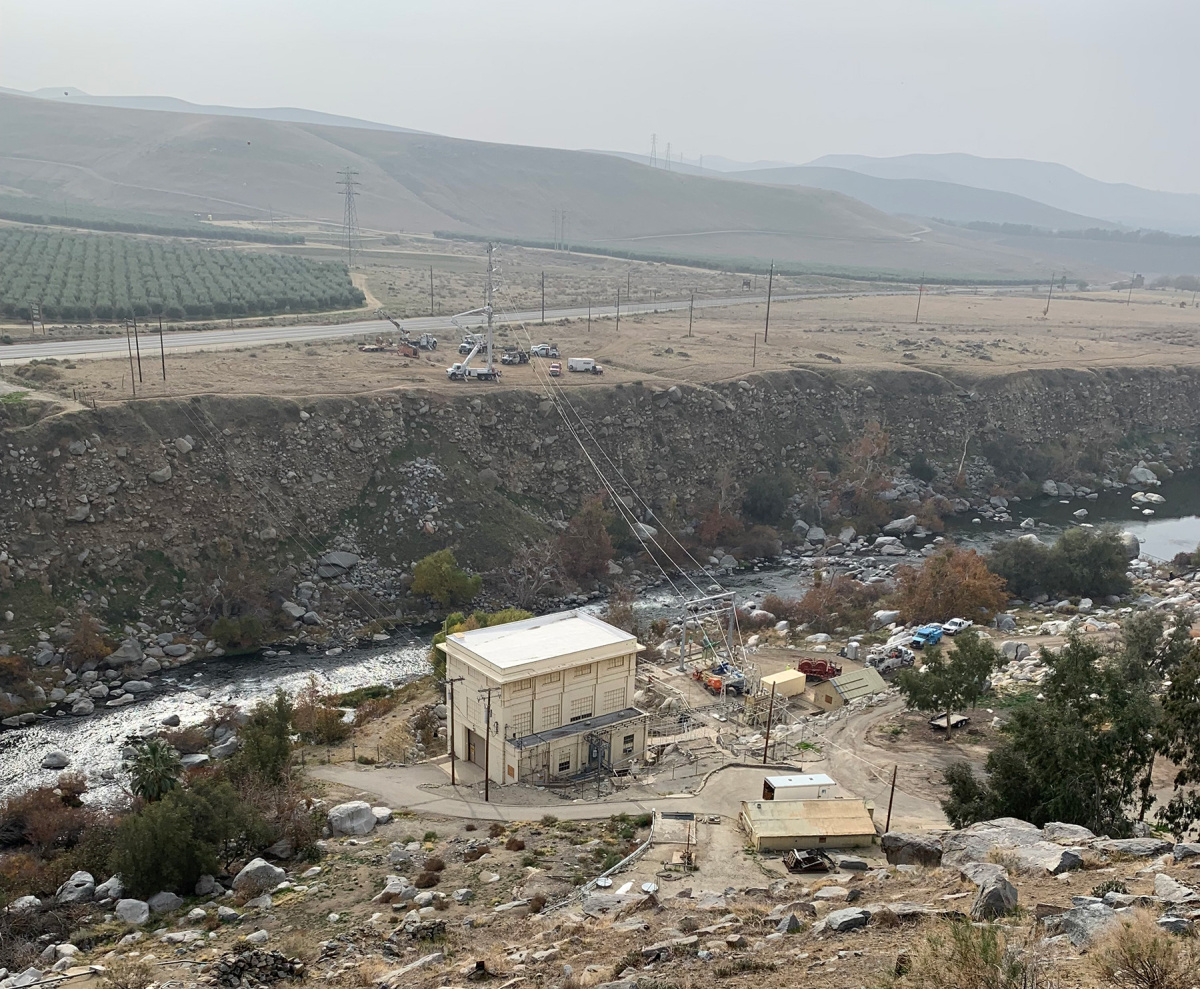
The Kern Canyon Hydro facility began generating electricity in 1921. Located on the Kern River, the project was originally constructed to provide electricity for street cars in Los Angeles, California—roughly 120 miles from the dam’s location.
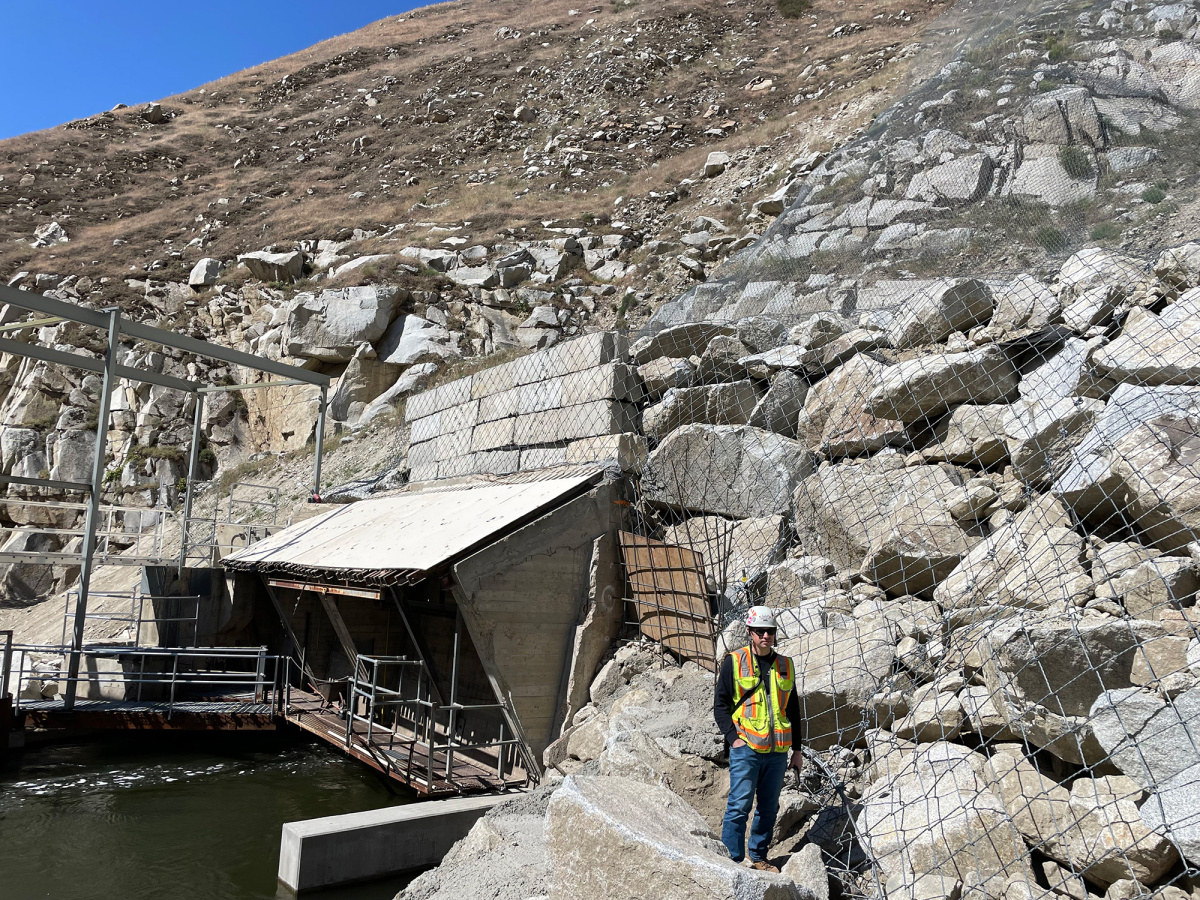
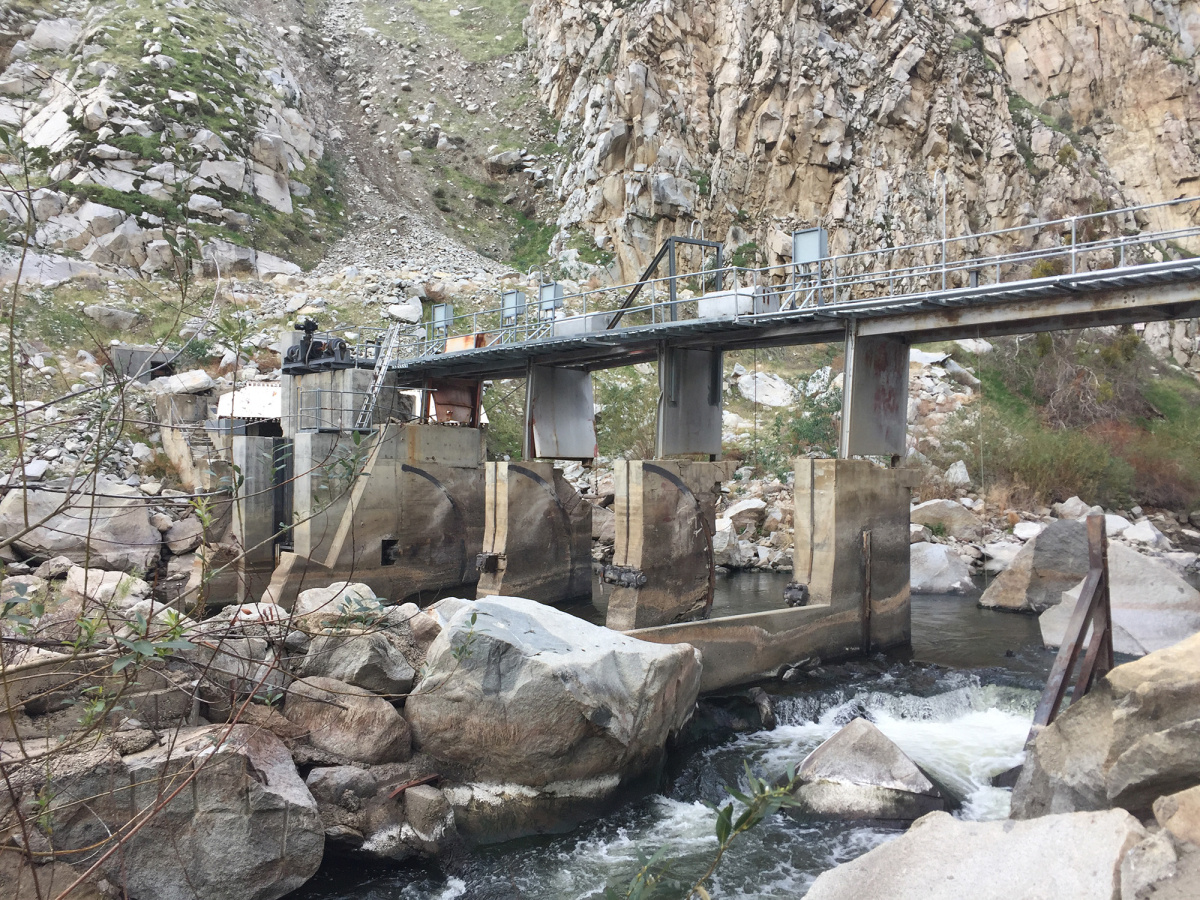
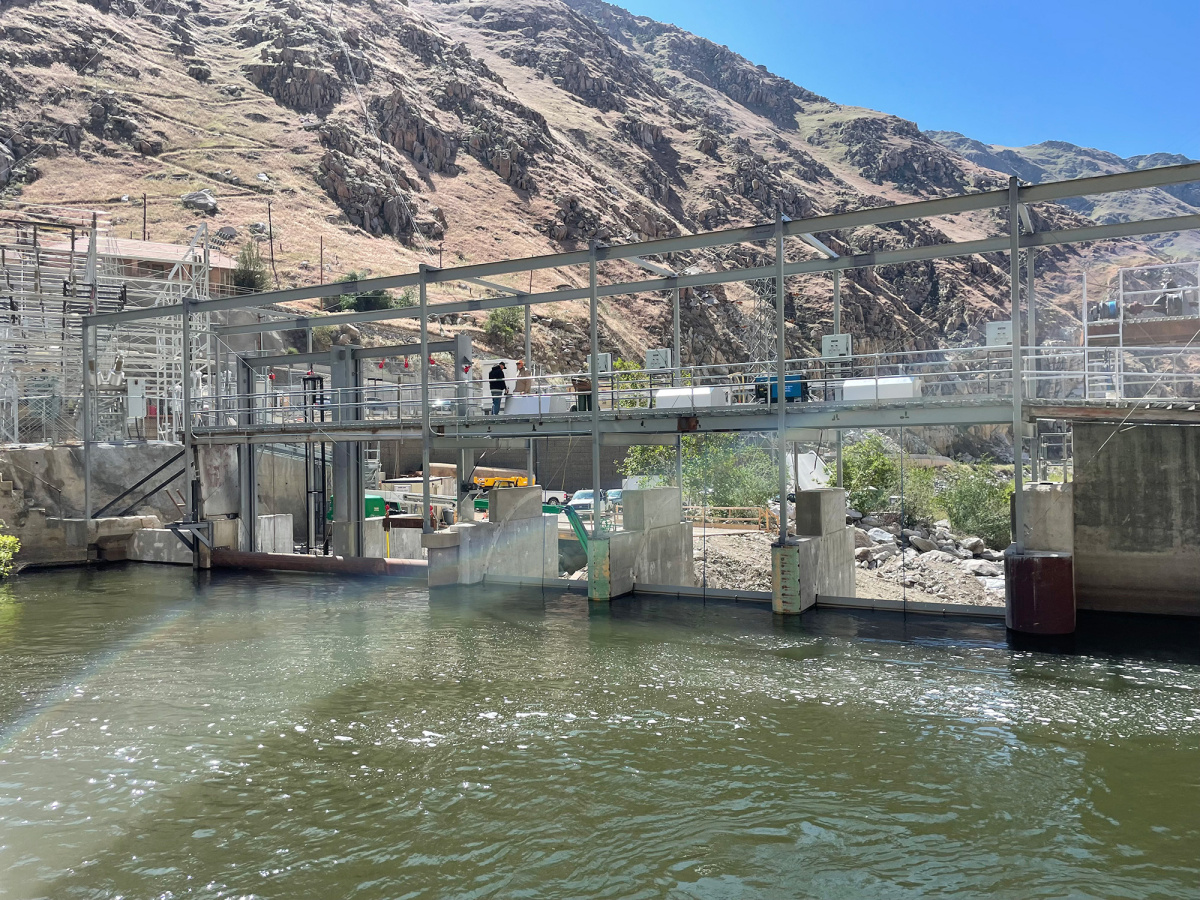
The facility was operational up until 2017, when a rockslide caused significant damage to the dam's gates and catwalk, prompting former owner, Pacific Gas and Electric, to determine it no longer made economic sense for the company to keep operating it. In 2020, Sorenson Engineering purchased the facility and spent two years rebuilding the dam to bring it back online.
The small family-owned company applied for funding through the hydroelectric incentives program, which helped support many of these repairs. In addition to rockfall protection measures and dam safety improvements, Sorenson Engineering also installed new high-efficiency turbine runners to increase power output. With continued improvements, Sorenson Engineering hopes to keep the Kern Canyon Hydro facility running for another 130 years.
Currently, the Kern Canyon Hydro facility generates more than 19 megawatts of power—enough to supply about 9,500 to 19,000 homes with electricity.
Green Lake
Sitka, Alaska
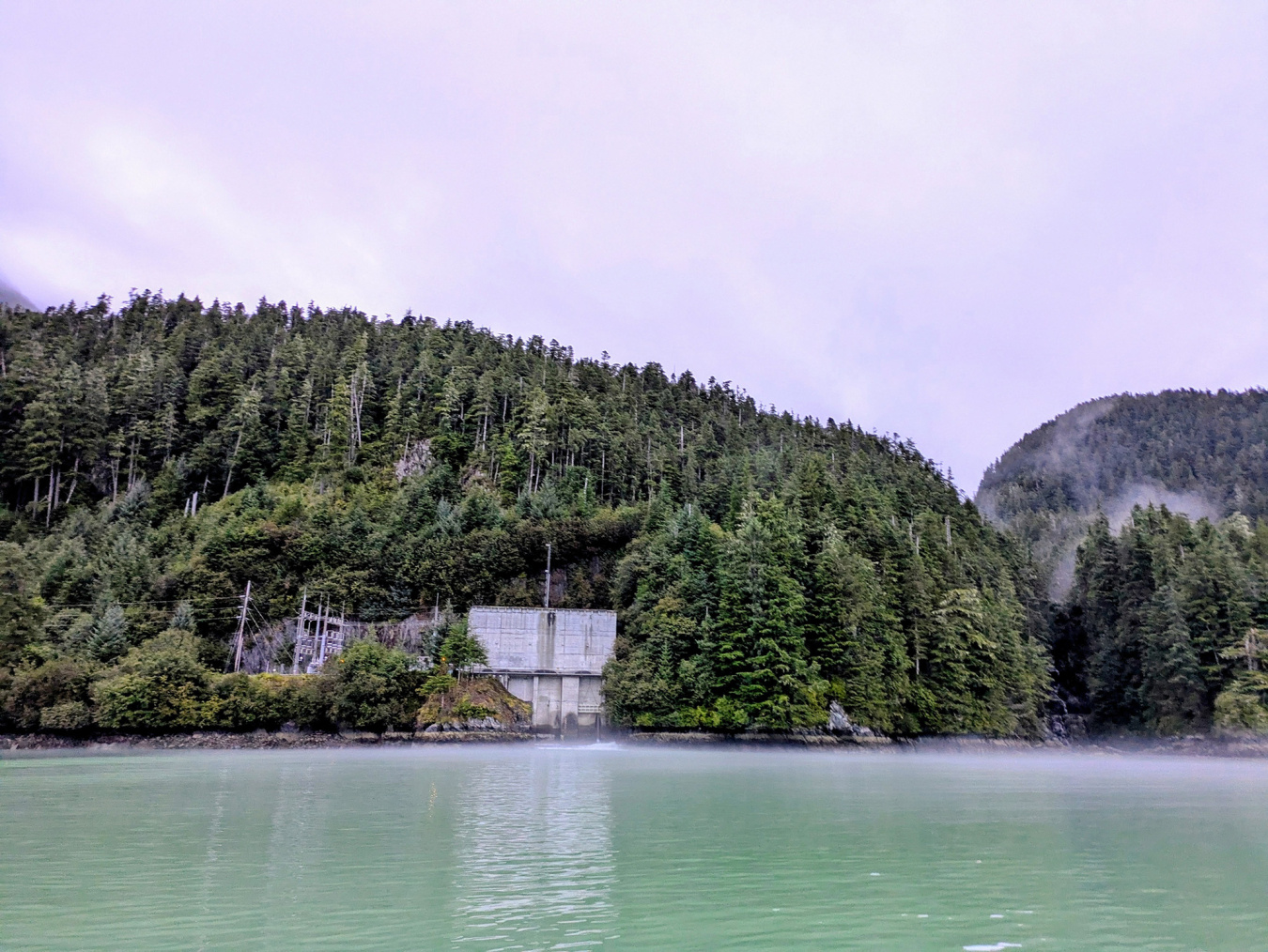
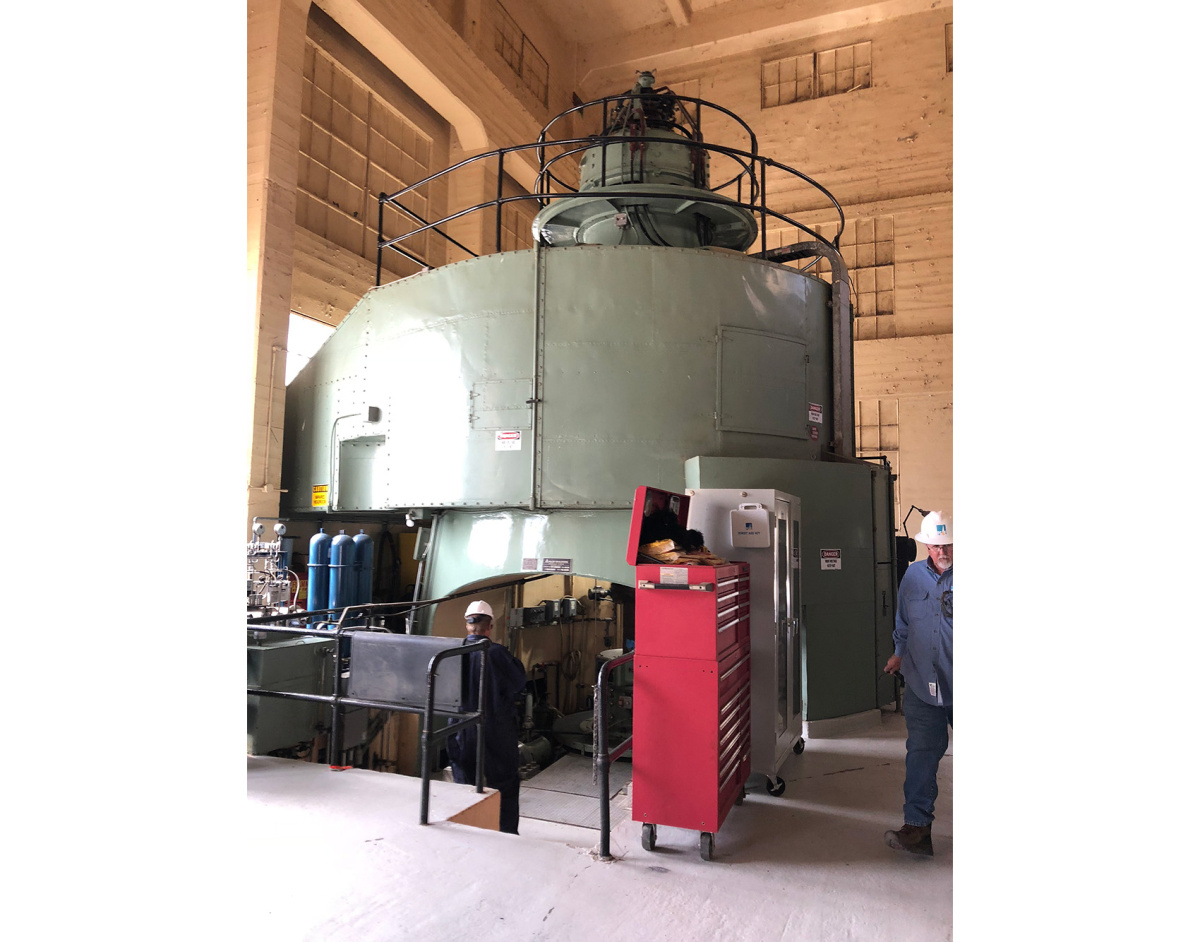
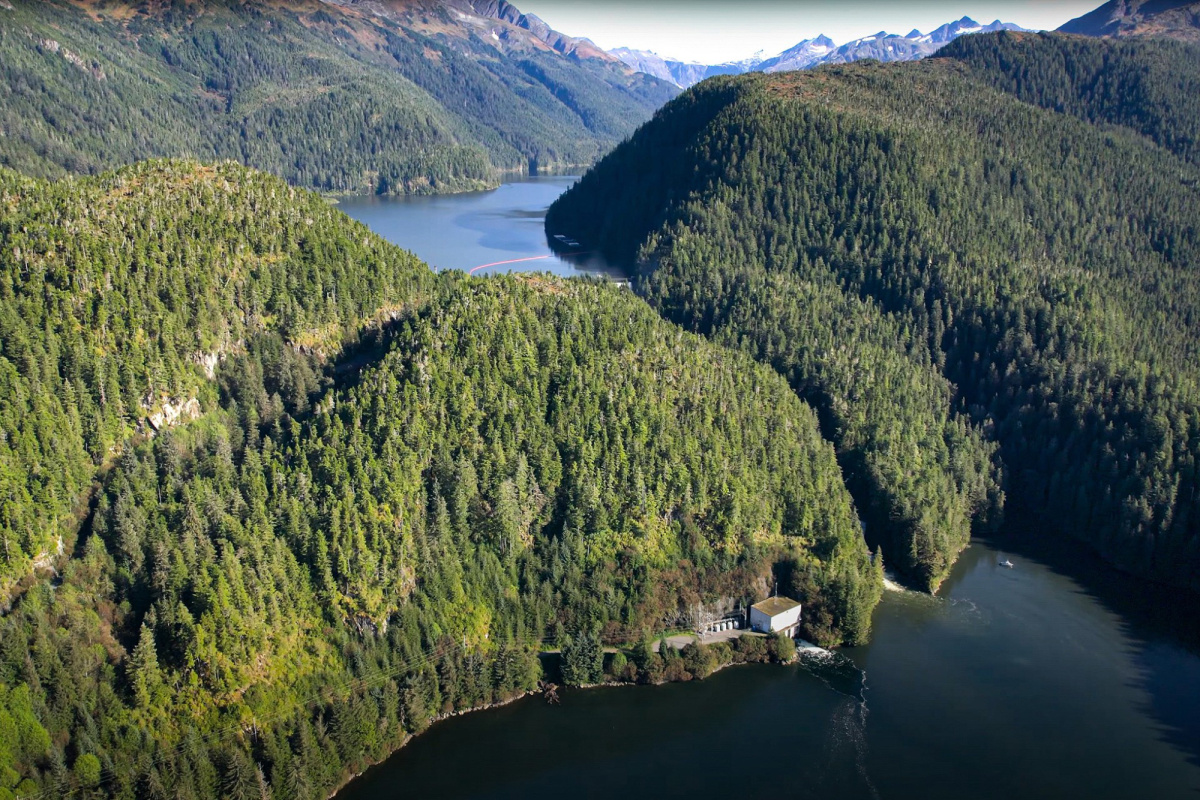
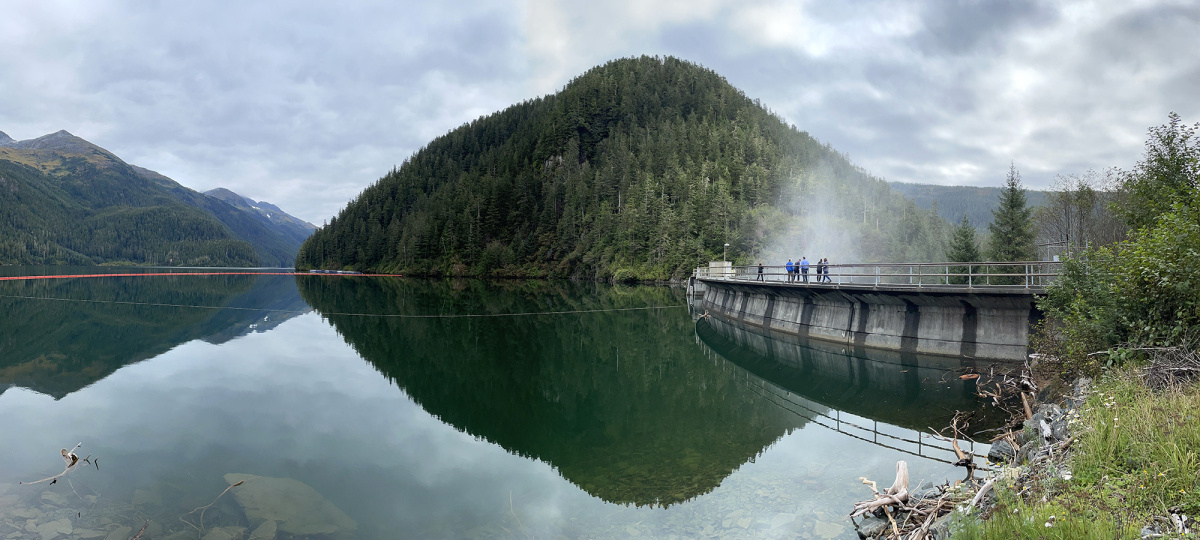
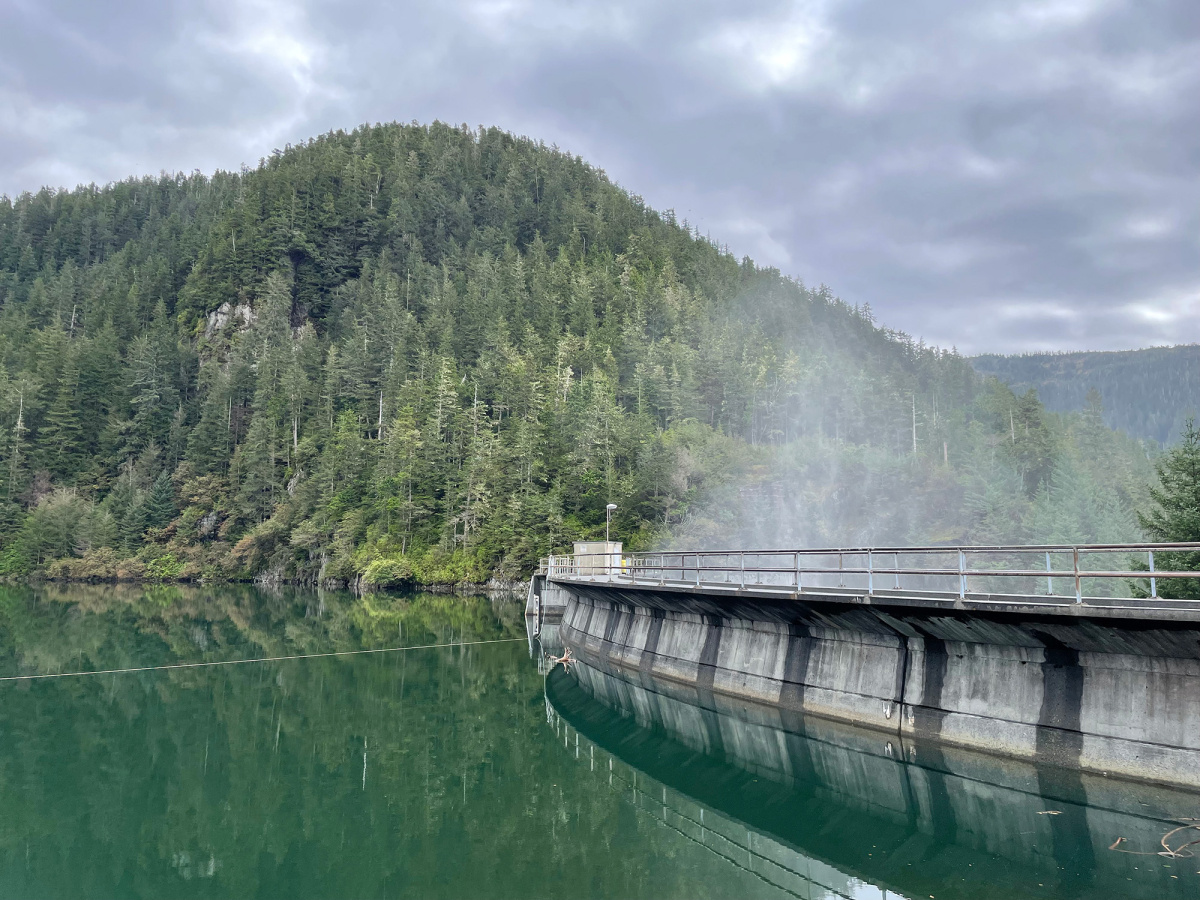
The Green Lake Hydroelectric Project started generating energy in 1982. Located on a major reservoir in Southeast Alaska, the Green Lake dam is one of two hydropower facilities that provides year-round electricity to Sitka’s residents. The island community is not connected to a mainland power grid, and hydropower is the town’s primary power source (backed up by emergency diesel generators). Because the Green Lake Hydroelectric Project provides plentiful, predictable, and low-cost energy, Sitka residents need this facility to remain in good working condition.
To help the Green Lake Hydroelectric facility continue operating reliably for its residents, the City and Borough of Sitka applied to receive funding through hydroelectric incentives. With this financial support, the municipally-owned facility performed robust turbine maintenance—disassembling turbines for cleaning, inspections, part replacements, and mechanical alignments. These repairs increase the longevity of the turbines while also improving their performance.
The project also used incentive funds to replace various components of the hydropower facility’s electrical system, which is responsible for sending electricity from the facility to homes and businesses. Electrical system upgrades are critical for maintaining grid health and reliability, ensuring a balance between energy supply and demand.
The Green Lake dam currently generates about 2 megawatts of power and works alongside the Blue Lake hydropower plant to provide continuous, affordable electricity to nearly 8,500 residents.
Projects like York Haven, Kern Canyon, and Green Lake are just a few examples of how strategic federal support can breathe new life into vital energy infrastructure. Through DOE’s hydroelectric incentives program, hydropower plants can make the upgrades they need—keeping the U.S. grid strong, reliable, and affordable for generations to come.
Stay in the know with H2O! Receive the latest information on funding opportunities, events, and other news by subscribing to the monthly Water Wire newsletter.
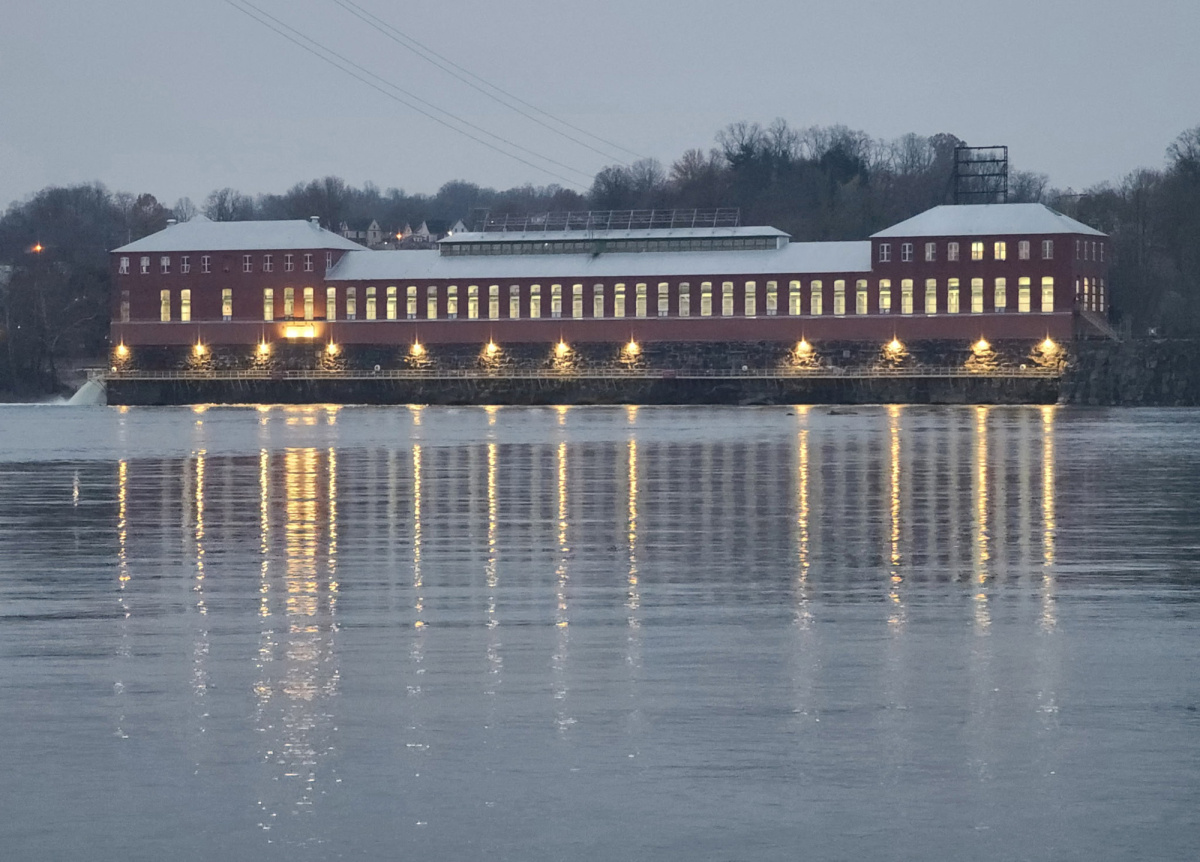
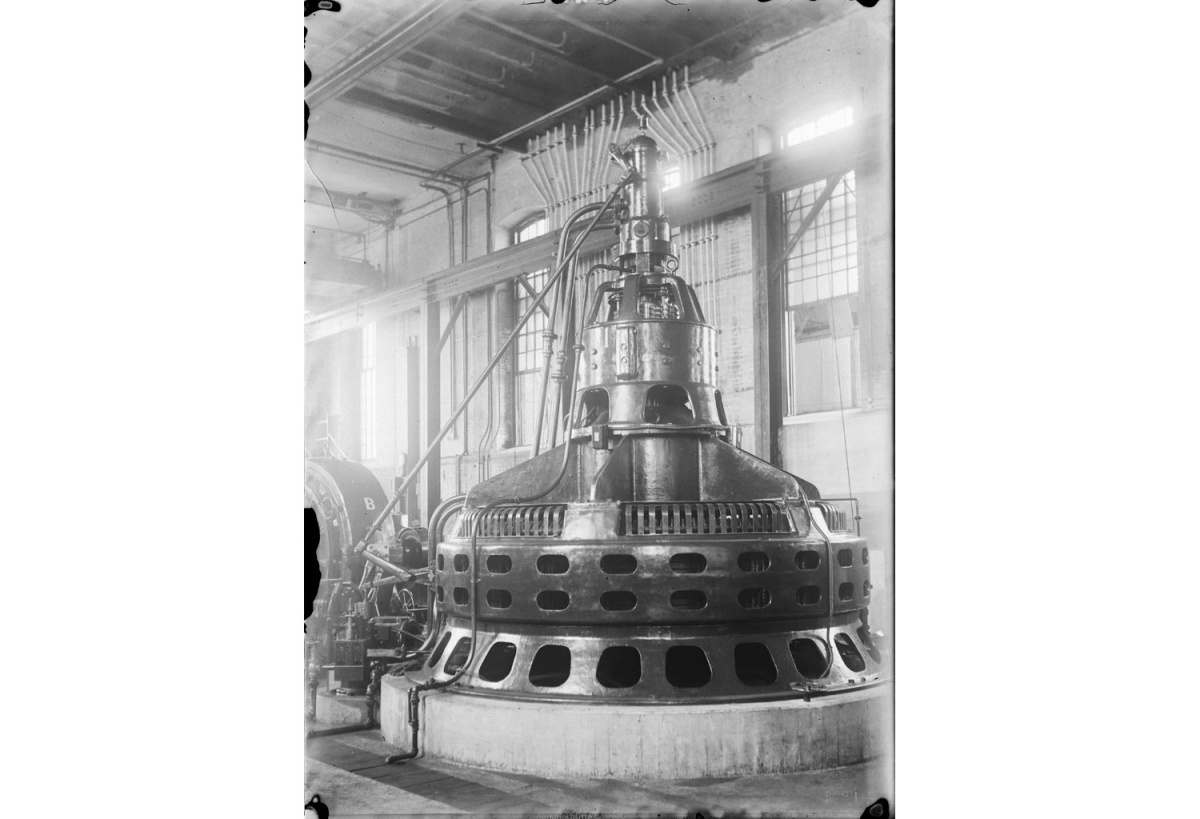
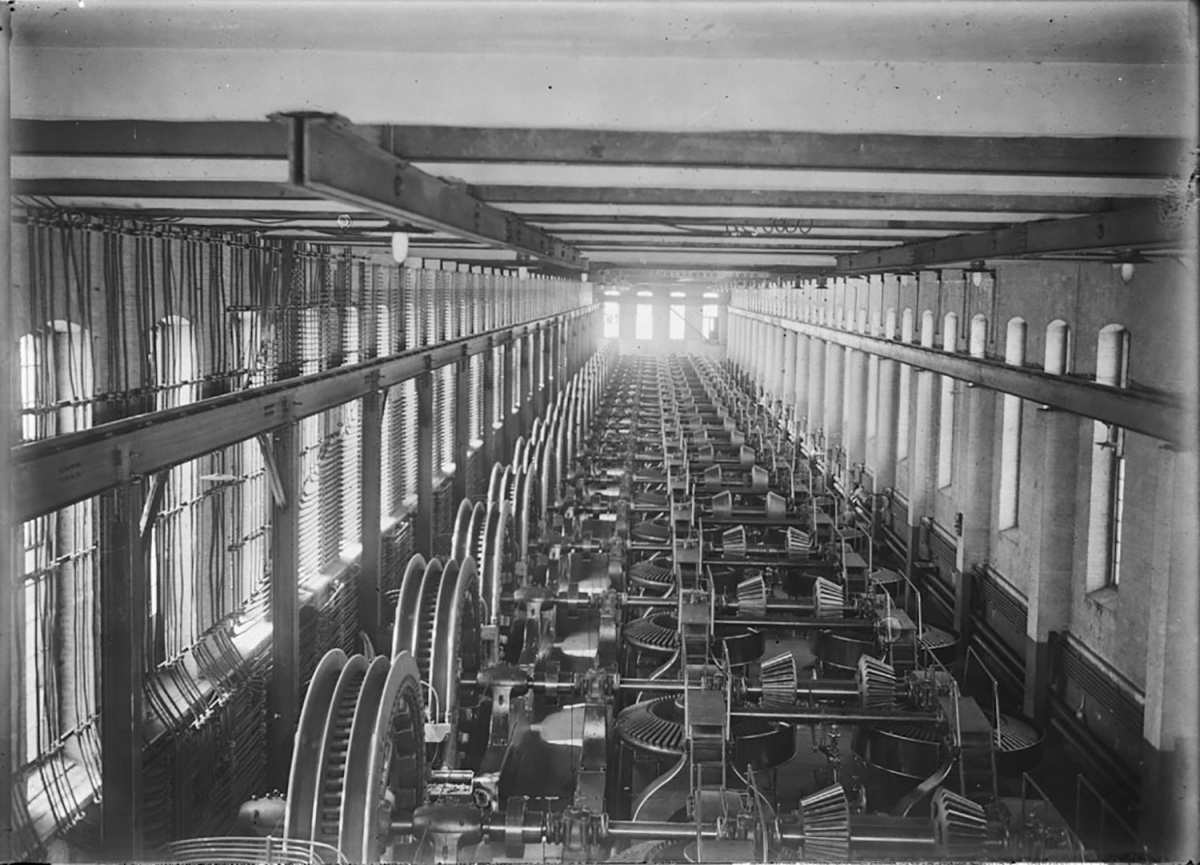
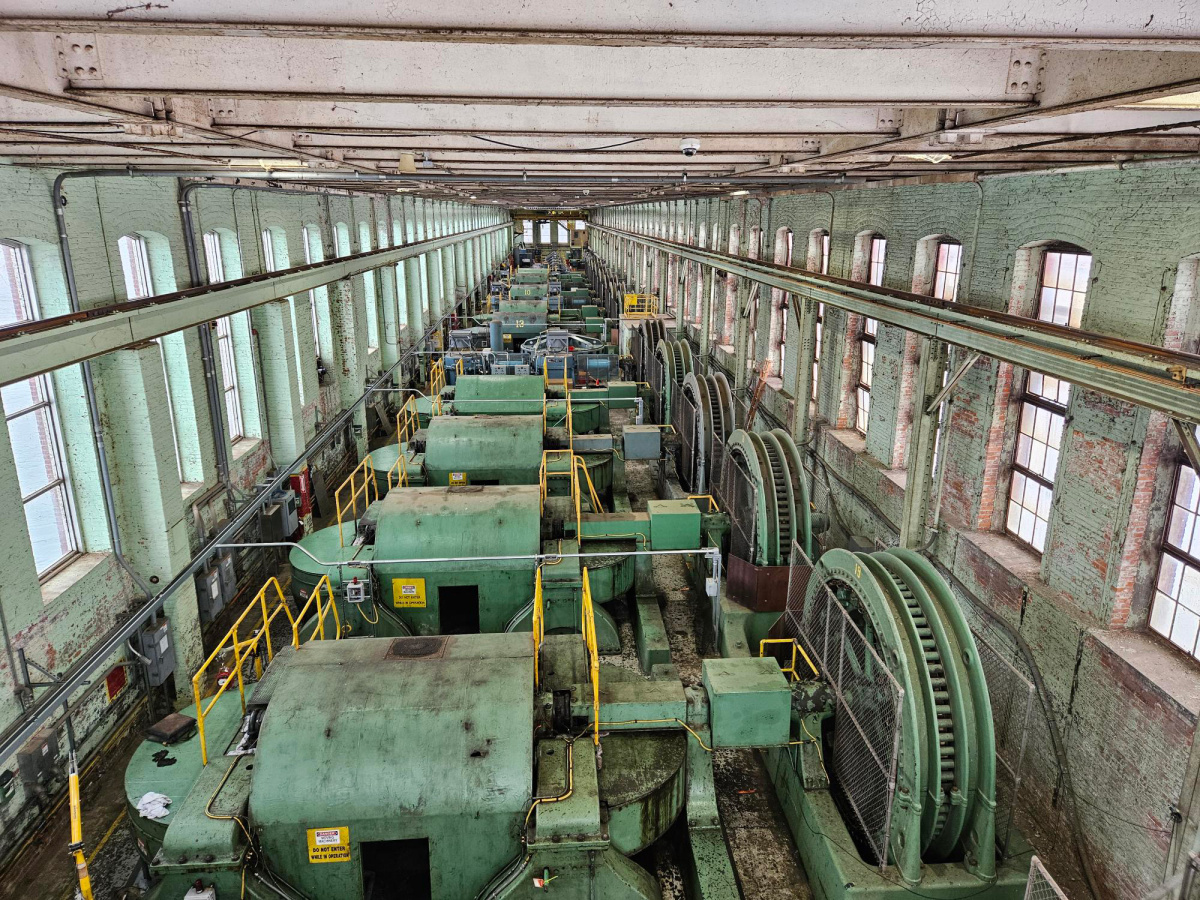
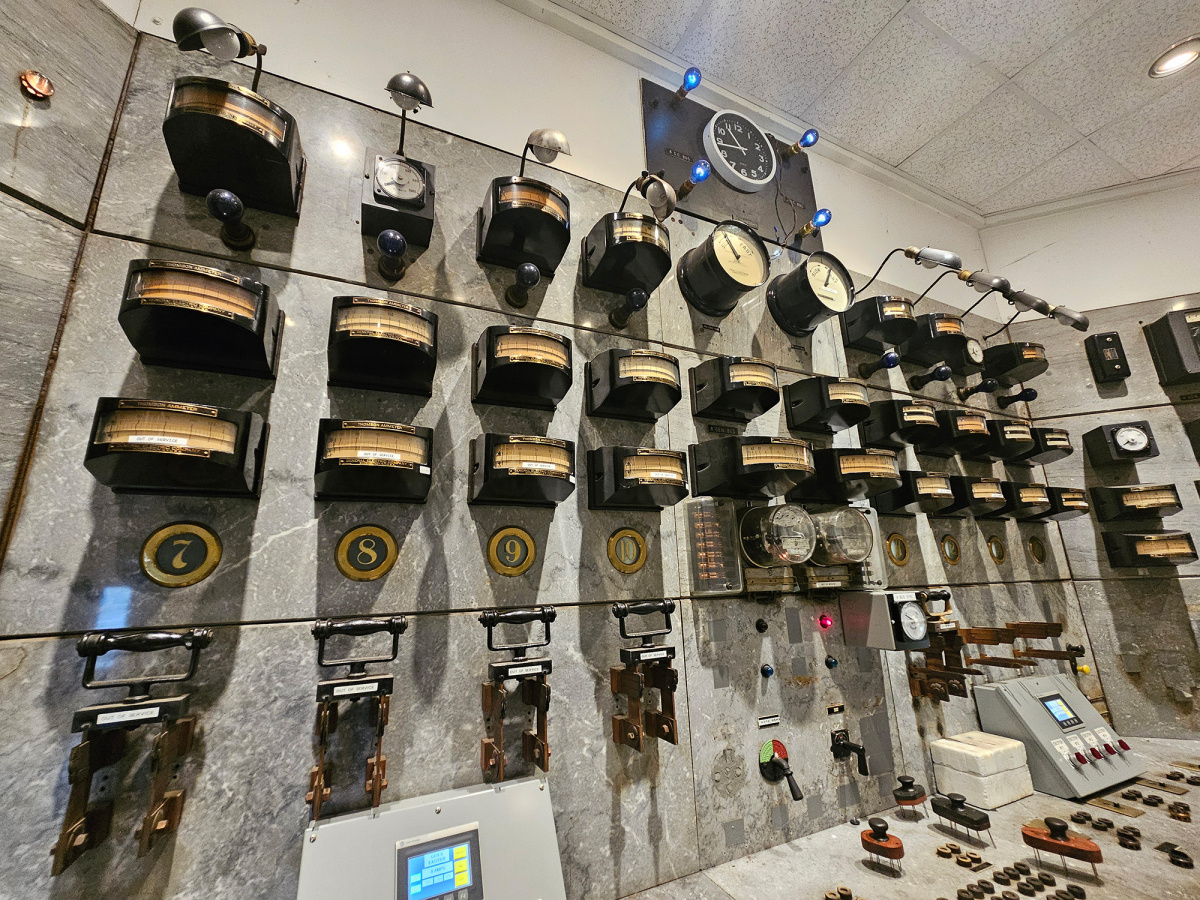
York Haven began commercial operations in 1901, making it one of the oldest hydroelectric projects in America.
Photo from Eagle Creek Renewable Energy
August 24, 2026