



The Oak Ridge Office of Environmental Management has completed a two-year data collection campaign measuring groundwater elevation levels, a crucial component to inform its Environmental Management Disposal Facility project. August 4, 2026
Office of Environmental Management
August 4, 2026 Estimated Read Time min
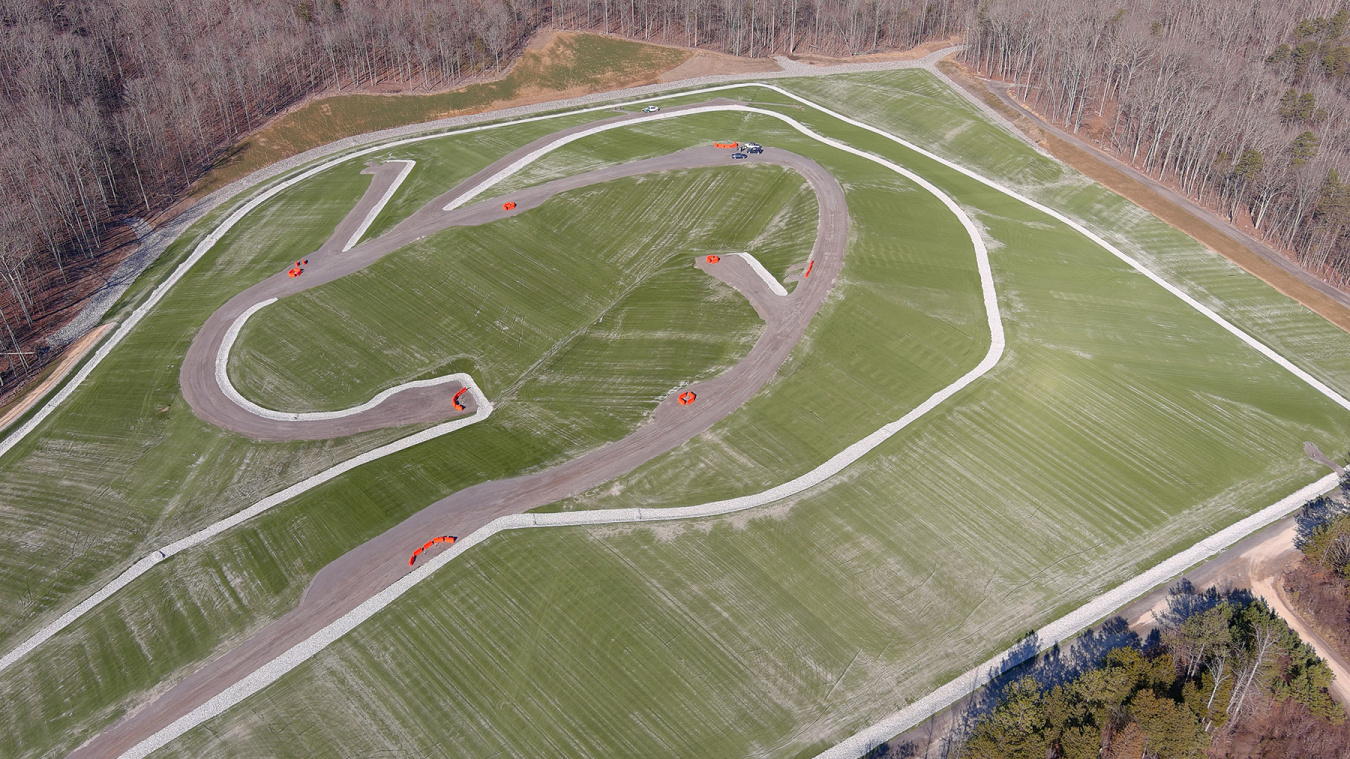
An aerial view of the Environmental Management Disposal Facility’s groundwater field demonstration study. Crews installed devices on the facility’s future footprint to measure groundwater elevation levels over two wet seasons.
OAK RIDGE, Tenn. — The Oak Ridge Office of Environmental Management (OREM) has completed a two-year data collection campaign measuring groundwater elevation levels, a crucial component to inform its Environmental Management Disposal Facility (EMDF) project.
When constructed, EMDF will provide the waste disposal capacity needed to continue OREM’s large scale cleanup projects at the Y-12 National Security Complex and Oak Ridge National Laboratory. OREM’s current onsite disposal facility is at 86% capacity.
Monitoring groundwater levels was part of a groundwater field demonstration study. This work allowed OREM and cleanup contractor United Cleanup Oak Ridge (UCOR) to gather information about how groundwater elevations change, providing valuable information for the landfill’s final design.
Groundwater elevation monitoring is required by the project’s record of decision approved by the U.S. Department of Energy, U.S. Environmental Protection Agency and Tennessee Department of Environment and Conservation. Protective safety measures require at least a 15-foot separation between waste and groundwater.
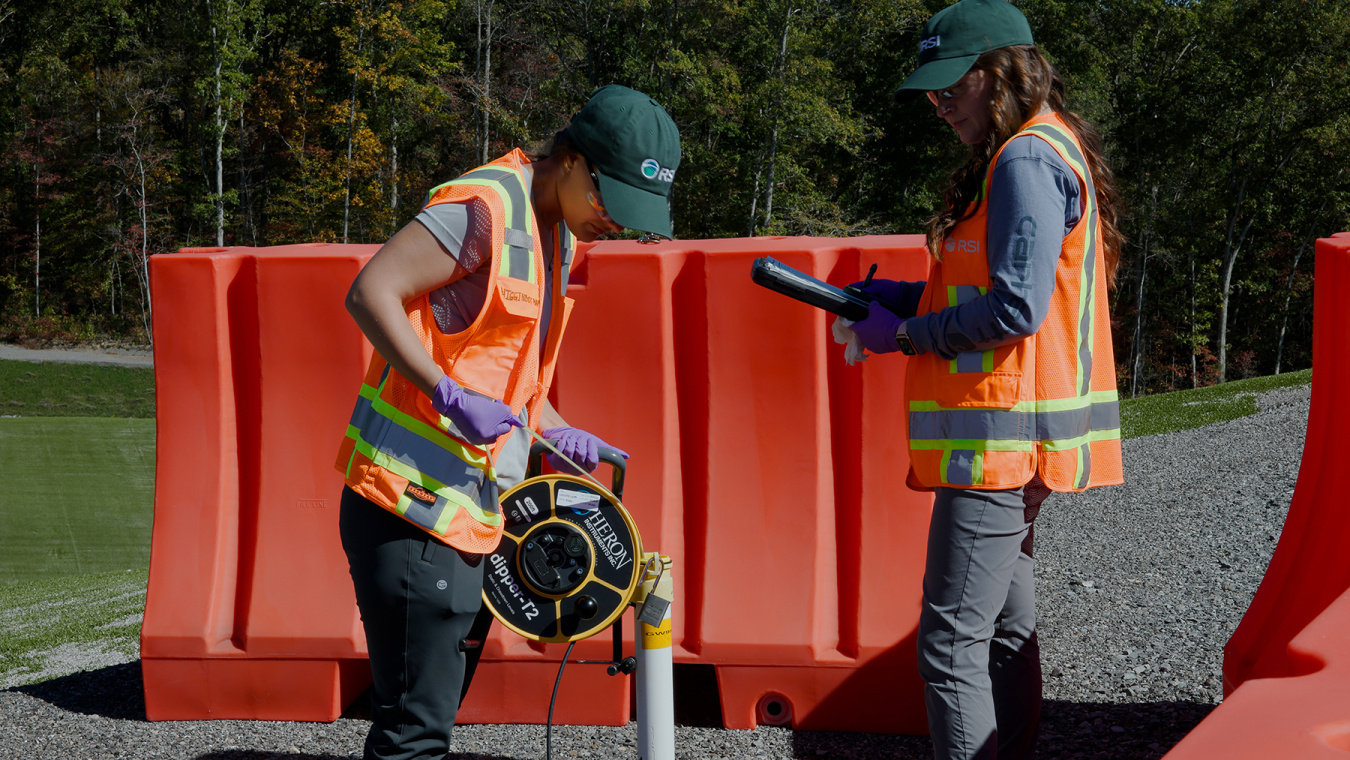
Oak Ridge Office of Environmental Management team members monitored groundwater levels in wells across the footprint of the future Environmental Management Disposal Facility over two years.
Gathering data during the wet seasons is important because that's when groundwater levels are highest. There’s more rain, and plants without foliage absorb less water. In east Tennessee, the wet season typically runs from December through March. Experts have been combing through the numbers since then.
The demonstration relied on a 30-acre impermeable cover system installed over a portion of the EMDF site to simulate the effect of the final landfill liner. It successfully blocked rain from soaking into the ground during the wettest months, which steadily lowered the underlying groundwater table.
While the field demonstration confirmed that groundwater levels dropped, the rate of the groundwater decline was slower than expected. Accounting for this data, engineers altered the design by slightly raising the floor of the first two disposal cells to ensure the EMDF adheres to the protective safety measures. This change prevents schedule delays and keeps the facility on track to begin operations by 2030.
"We had to make a practical engineering decision based on real-world hydrological data," said Mary Magleby, UCOR’s EMDF project manager. "By proactively raising the first two cells of the landfill, we ensure regulatory compliance while preventing what could have been a multi-month delay to our construction timeline."
With the groundwater data finalized, the project moves to the next major construction phase. Crews are scheduled to begin site grading, utility extensions and pouring foundations for support facilities this fall, paving the way for EMDF’s water treatment system.
-Contributor: Lindsay Hammill
To receive the latest news and updates about the Office of Environmental Management, submit your e-mail address.