



The U.S. Department of Energy’s Office of Environmental Management recently launched the demolition of a facility used in historic nuclear fuel reprocessing operations at the West Valley Demonstration Project. July 21, 2026
Office of Environmental Management
July 21, 2026 Estimated Read Time min
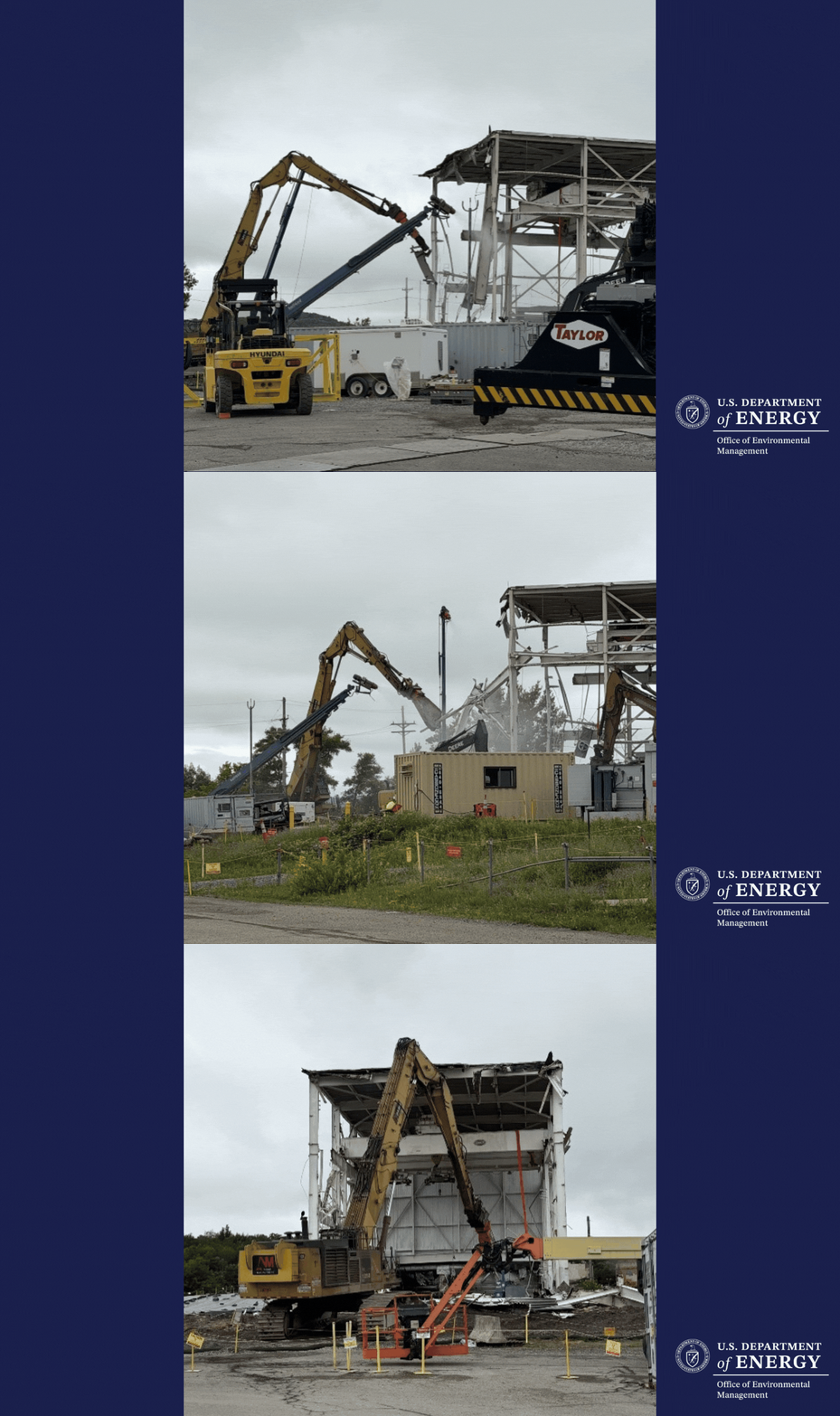
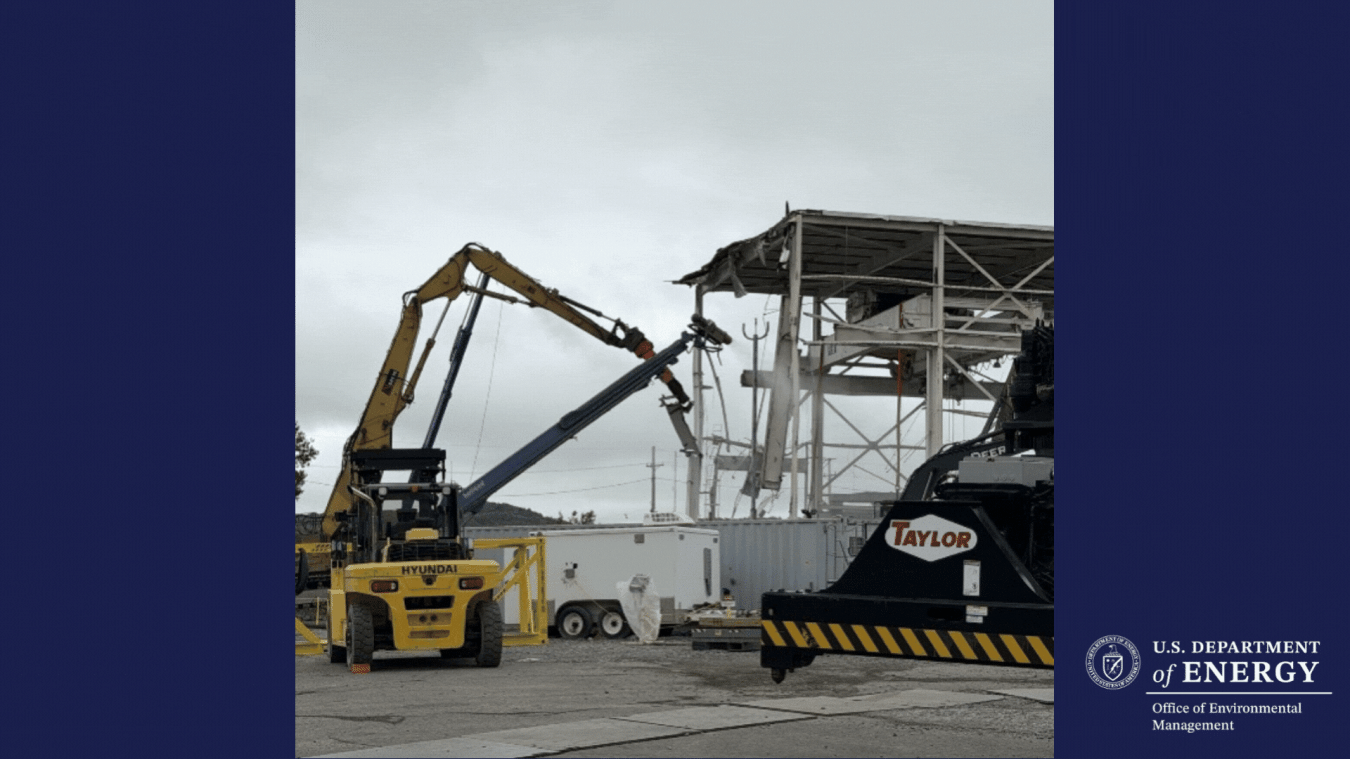
Views of the early stages of demolition of the Fuel Receiving and Storage Facility at the West Valley Demonstration Project.
WEST VALLEY, N.Y. — The U.S. Department of Energy’s Office of Environmental Management (EM) recently launched the demolition of a facility used in historic nuclear fuel reprocessing operations at the West Valley Demonstration Project.
Crews prepared for the teardown of the nearly 9,000-square-foot Fuel Receiving and Storage Facility over the past year by isolating utilities, removing hazardous materials and other tasks.
The project comes one year after workers safely completed the largest, most complex demolition of a radioactively contaminated facility at the site — the 35,100-square-foot Main Plant Process Building.
The Fuel Receiving and Storage Facility received and stored used nuclear fuel for reprocessing. The site served as the only commercial used nuclear fuel reprocessing plant in the U.S. from 1966 to 1972.
Inside the facility is a 100-ton crane that hoisted and lowered used fuel casks into a storage pool. In 2001, crews removed all fuel assemblies from the pool and processed the water.
Crews began the demolition by removing the facility’s metal exterior. They loaded the debris into intermodal containers for shipment offsite by rail for safe disposal. They will remove the crane before demolishing the remaining structure.
“Planning and preparation are crucial to ensuring a safe, compliant demolition,” West Valley Project Management Assistant Director Stephen Bousquet said. “It is important that our team doesn’t rush any step of the process, so we don’t risk our safety values in any way.”
He noted that a safe and compliant demolition allows for a safe environment and community. EM implemented a variety of safety measures to protect workers and the environment throughout the removal process. Machines continuously spray water to help eliminate dust and the spread of any potential contamination. Barriers and signs help ensure only authorized personnel are on the worksite. Radiation control technicians monitor the work area, including continuous air monitors that detect radioactive activity.
“Our employees have worked hard to reach this point,” said Jason Casper, president and program manager for EM contractor West Valley Cleanup Alliance. “It is exciting to see the workforce approaching another cleanup milestone.”
-Contributor: Sarah Morris
To receive the latest news and updates about the Office of Environmental Management, submit your e-mail address.