



Used Nuclear Fuel Management & Reprocessing
How EM's decades-long responsibility for the nation's used nuclear fuel is becoming a strategic foundation for the nuclear energy renaissance — fueling new reactors, advancing research and closing the nuclear fuel cycle
Every nuclear reactor, whether built during the Cold War or planned for the next decade, produces used nuclear fuel: assemblies of uranium that have completed their useful life inside a reactor but still contain enormous amounts of energy, valuable isotopes and, if not properly managed, long-term radiological risk. For almost four decades, EM has been entrusted with the safe receipt, storage, processing, and eventual disposition of thousands of tons of this material spread across multiple DOE sites.
That responsibility has historically been framed as a waste management challenge but today it is something more. As the Trump administration's May 2025 Executive Order Deploying Advanced Nuclear Reactor Technologies for National Security made clear, the uranium and plutonium contained within DOE's used fuel inventories are not simply liabilities to be managed, they are potential feedstocks for the next generation of American nuclear power. The executive order directed the Secretary of Energy to identify all useful uranium and plutonium material within DOE inventories that may be recycled or processed into nuclear fuel for reactors in the United States, placing EM's used fuel holdings at the center of the nation's nuclear energy strategy.
EXECUTIVE ORDER 14299 — MAY 23, 2025 "Within 90 days of the date of this order, the Secretary of Energy shall identify all useful uranium and plutonium material within the Department of Energy's inventories that may be recycled or processed into nuclear fuel for reactors in the United States." The order further directs DOE to release not less than 20 metric tons of high-assay low-enriched uranium from existing stockpiles to fuel advanced reactors deployed at DOE-owned sites to power AI infrastructure. |
Across multiple sites, most notably the Idaho National Laboratory Site and the Savannah River Site in South Carolina, EM has been advancing the technical, logistical, and regulatory frameworks needed to move used nuclear fuel safely and efficiently from storage toward reuse, research, and final disposition. The work happening today is directly enabling the nuclear fuel cycle of tomorrow.
The Idaho Cleanup Project (ICP) stands today as one of the most consequential contributors to the administration's nuclear energy agenda, not despite its cleanup mission, but because of it. EM's track record of meeting legally binding milestones at the Idaho National Laboratory Site is what transformed the site from a restricted legacy location into an active partner in the nation's nuclear renaissance.
When EM completed the transfer of all Idaho used nuclear fuel from wet to dry storage in 2023, nine months ahead of the legal deadline set by the 1995 Idaho Settlement Agreement, it was not simply a cleanup accomplishment. Processing of Experimental Breeder Reactor-II fuel during that campaign yielded uranium products recoverable as high-assay low-enriched uranium (HALEU), a critical material for the development and deployment of advanced reactors. That uranium recovery from legacy cleanup waste is precisely the kind of closed fuel cycle outcome Executive Order 14299 envisions at scale.
“Through our successful actions, we continue to underpin the importance of the Idaho Settlement Agreement, and in turn, benefit the INL's important work as the country's lead Nuclear Energy and Homeland Security laboratory.”
— Nick Balsmeier, DOE-Idaho Operations Office
That demonstrated reliability earned a significant reward. In April 2025, DOE and the state of Idaho signed a targeted waiver of the settlement agreement, unlocking the ability to bring research quantities of used nuclear fuel to INL for the first time in decades. The waiver enables INL to receive a high-burnup fuel cask from the North Anna Generating Station in Virginia — research data from that cask will provide the safety documentation that more than 50 nuclear sites in 28 states need to renew their dry storage licenses and continue operating. It also allows INL to accept small amounts of used fuel from domestic university research reactors, keeping those training facilities operational for the students who will build and operate tomorrow's nuclear fleet.
“Idaho National Laboratory is DOE's lead lab for nuclear energy research and development, and it is critical that we continue to grow this research capacity and maintain American competitiveness. This agreement between the state of Idaho and DOE ensures the lab can continue its cutting-edge research to advance nuclear technology, helping to meet President Trump's commitment to unleash American energy dominance.”
— U.S. Secretary of Energy Chris Wright
Alongside the new research missions, ICP is accelerating the work of preparing Idaho's existing used fuel inventory for permanent removal from the state. In July 2025, crews completed the first major modification to the Irradiated Fuel Storage Facility as part of the road ready demonstration project, installing a new transfer car insert capable of handling casks weighing up to 130 tons, enabling the repackaging of spent fuel into DOE-standard canisters certified for road transport. The same month, EM and the DOE Office of Nuclear Energy jointly demonstrated a first-of-kind automated closure welding system that seals loaded canisters and uses ultrasonic technology to verify each weld, ensuring the fuel meets all transport requirements for permanent disposition outside Idaho.
Together these announcements tell a unified story: ICP's cleanup discipline has made Idaho a credible partner for new nuclear energy research, while its road ready work ensures the site's long-term obligations are being met in parallel. The project is simultaneously honoring the commitments of the past and building the infrastructure for America's nuclear future.
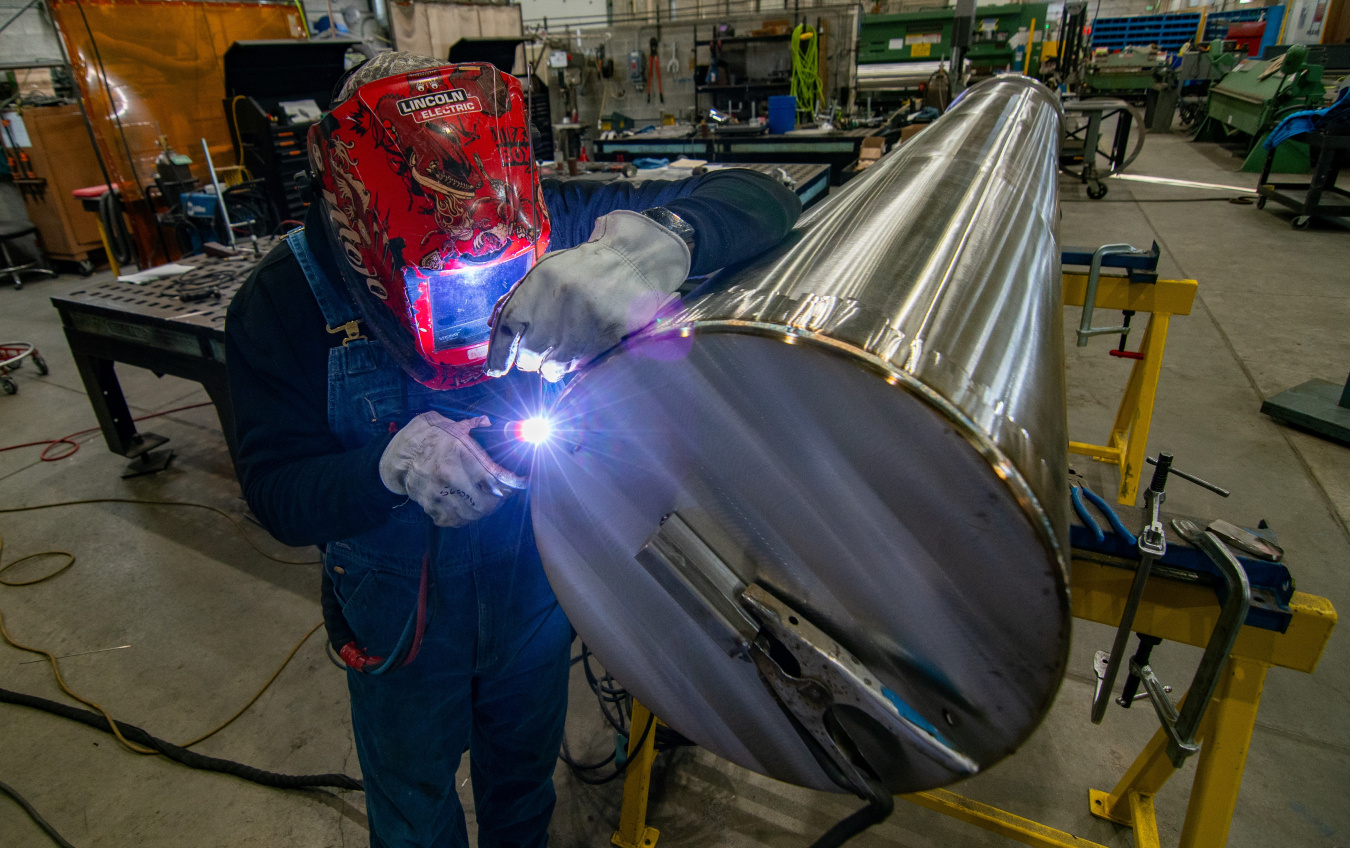 Idaho Cleanup Project crews use specialized tools to fabricate canisters designed to safely store Training, Research, Isotope, General Atomics used nuclear fuel.
At the Savannah River Site in South Carolina, EM operates H Canyon, the only large-scale, remotely operated chemical separations facility in the United States. No other facility in the country can process certain categories of used nuclear fuel and special nuclear materials for which H Canyon serves as the sole disposition pathway. That unique capability makes H Canyon both an EM cleanup asset and a strategic national resource.
In July 2025, SRS crews demonstrated the kind of practical ingenuity that defines EM's continuous-improvement culture. Workers designing a new carrier system for High Flux Isotope Reactor fuel, which has an unusually shaped cylindrical core, switched to a more easily dissolvable aluminum alloy for the bail component of the carrier. The seemingly modest engineering change is projected to meaningfully reduce the time needed to process each fuel assembly through H Canyon's dissolution equipment, compressing what would otherwise be years of additional processing time.
29
Metric tons of used nuclear fuel being processed at SRS through H Canyon
$4B+
Estimated savings from the SRS accelerated processing approach
50+
Nuclear sites in 28 states that need Idaho research data to renew storage licenses
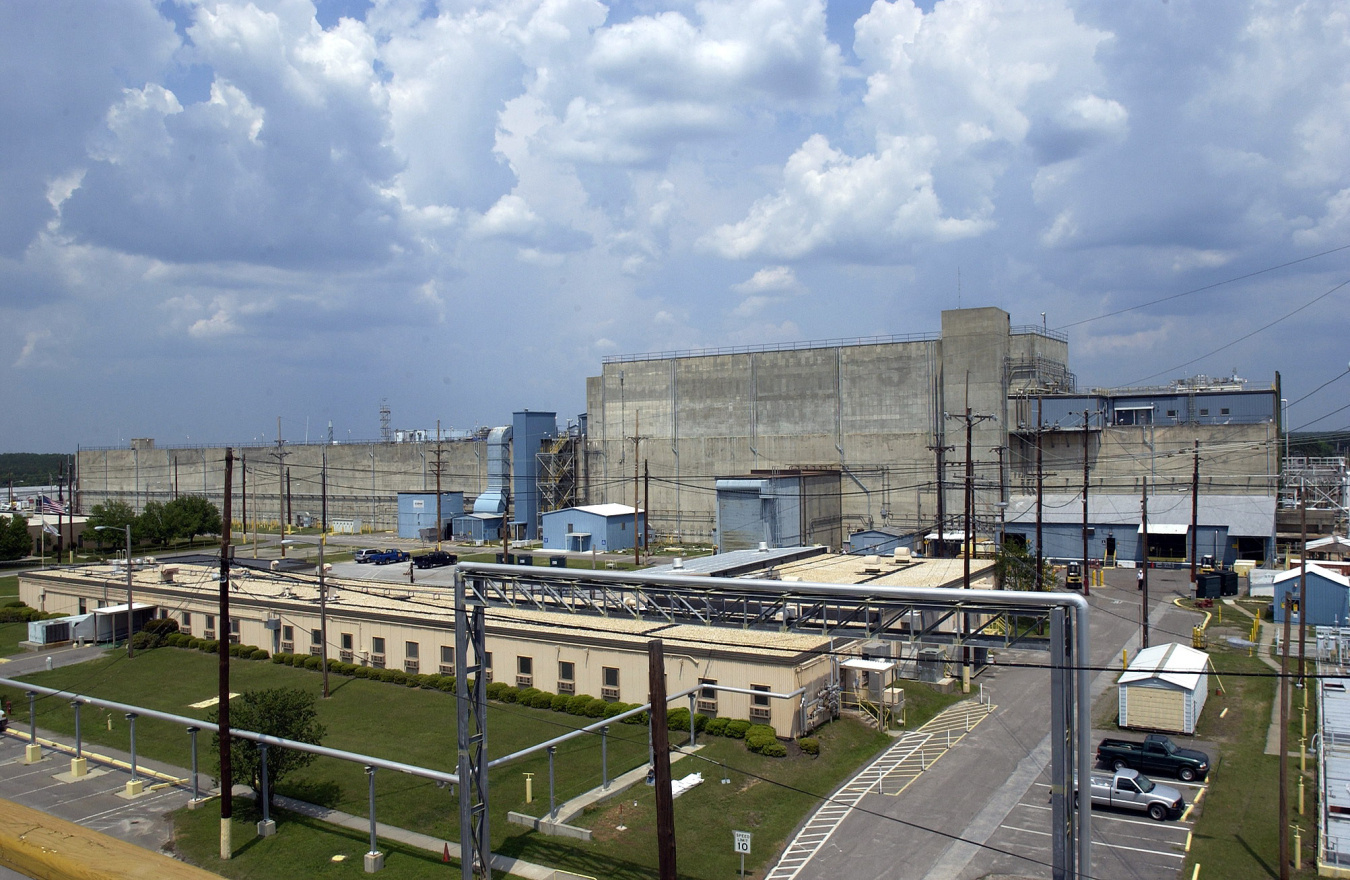 H-Canyon, the only chemical separations facility of its kind in the United States.