



RSS
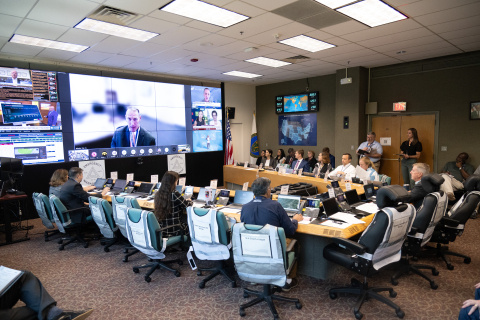
The Phoenix Ascent Exercise 2026 (PAX-26) was a two-day exercise that tested DOE/NNSA's emergency management structures, validated operating procedures, and evaluated its ability to sustain mission-essential functions during national emergencies.
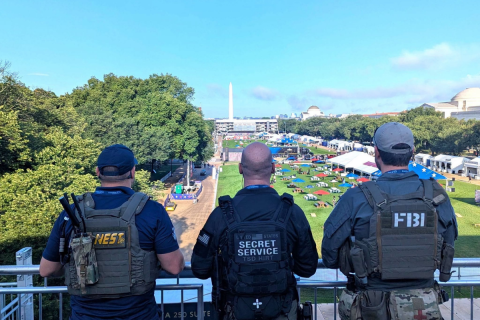
2026 has been a Hot NEST Summer! NNSA’s Nuclear Emergency Support Team spent the season monitoring threats from the air, in the crowds, and behind the scenes at major events all season. Quiet, professional, and keeping America safe all summer long.
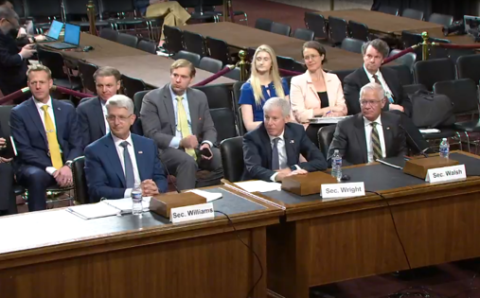
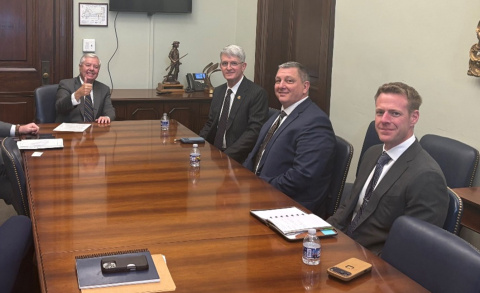
NNSA's Office of Congressional and Intergovernmental Affairs prepped for key budget hearings, coordinated with state and local partners, and facilitated visits to national laboratories and radiological cleanup operations.
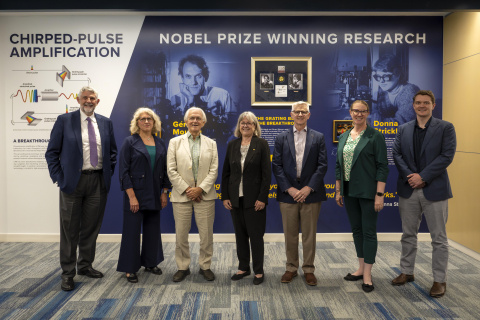
Leaders from NNSA’s Office of Research, Development, Test & Evaluation traveled to the University of Rochester in New York to celebrate the 50th anniversary of the Laboratory for Laser Energetics.
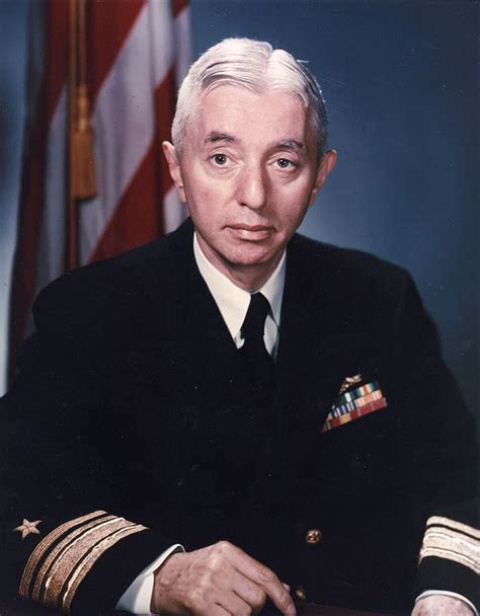
NNSA Administrator Brandon M. Williams pays tribute to Admiral Hyman G. Rickover, the pivotal figure in developing nuclear propulsion for the U.S. Navy recognized as the "Father of the Nuclear Navy", whose leadership and innovations significantly enhanced U.S. national security during the Cold War and beyond.
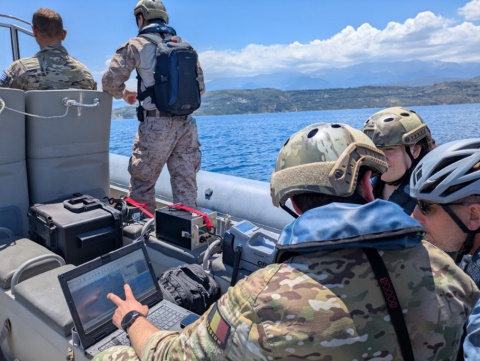
NNSA's Office of Counterterrorism and Counterproliferation conducts maritime radiological interdiction and consequence management training in Greece and Romania with NATO allies.
NNSA’s Office of Congressional and Intergovernmental Affairs’ Strategic Engagement is Driving Modernization, Partnership, and National Security in 2026
NNSA's Office of Nuclear Incident Policy and Cooperation and Chile’s CCHEN conducted the SPARCS Phase II Refresher Training and System Maintenance in Santiago, Chile, reinforcing the emergency preparedness, technical readiness, and international partnerships that help keep American citizens and the homeland safe from radiological threats and hazards.
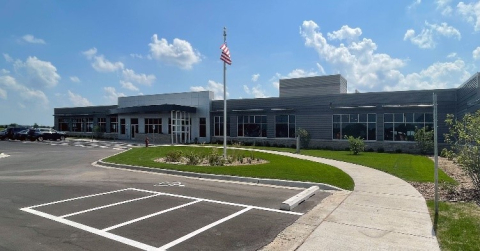
NNSA congratulates SHINE on this crucial next step in its nuclear technology evolution! NNSA is proud to have fostered the company's innovative process for manufacturing medical isotopes while keeping America safe from materials that could be used for nuclear weapons.
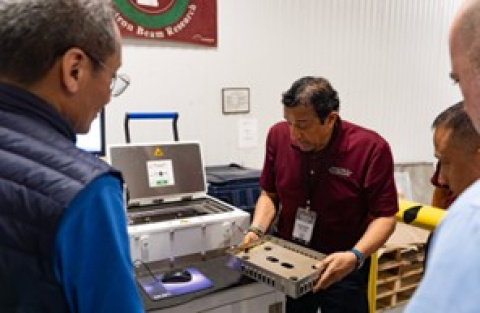
The NNSA-Texas A&M AgriLife Research partnership is moving things along on the treatment of environmental materials. Electron beam technology offers a safer way to process what's in wastewater, serving the environment and national security.