
An official website of the United States government
Here's how you know
Official websites use .gov
A .gov website belongs to an official government organization in the United States.
Secure .gov websites use HTTPS
A lock (
) or https:// means you’ve safely connected to the .gov website. Share sensitive information only on official, secure websites.
SNAP Program Photos
Photo
Photo Title
SNAP Reactor Test Experience Details
Caption
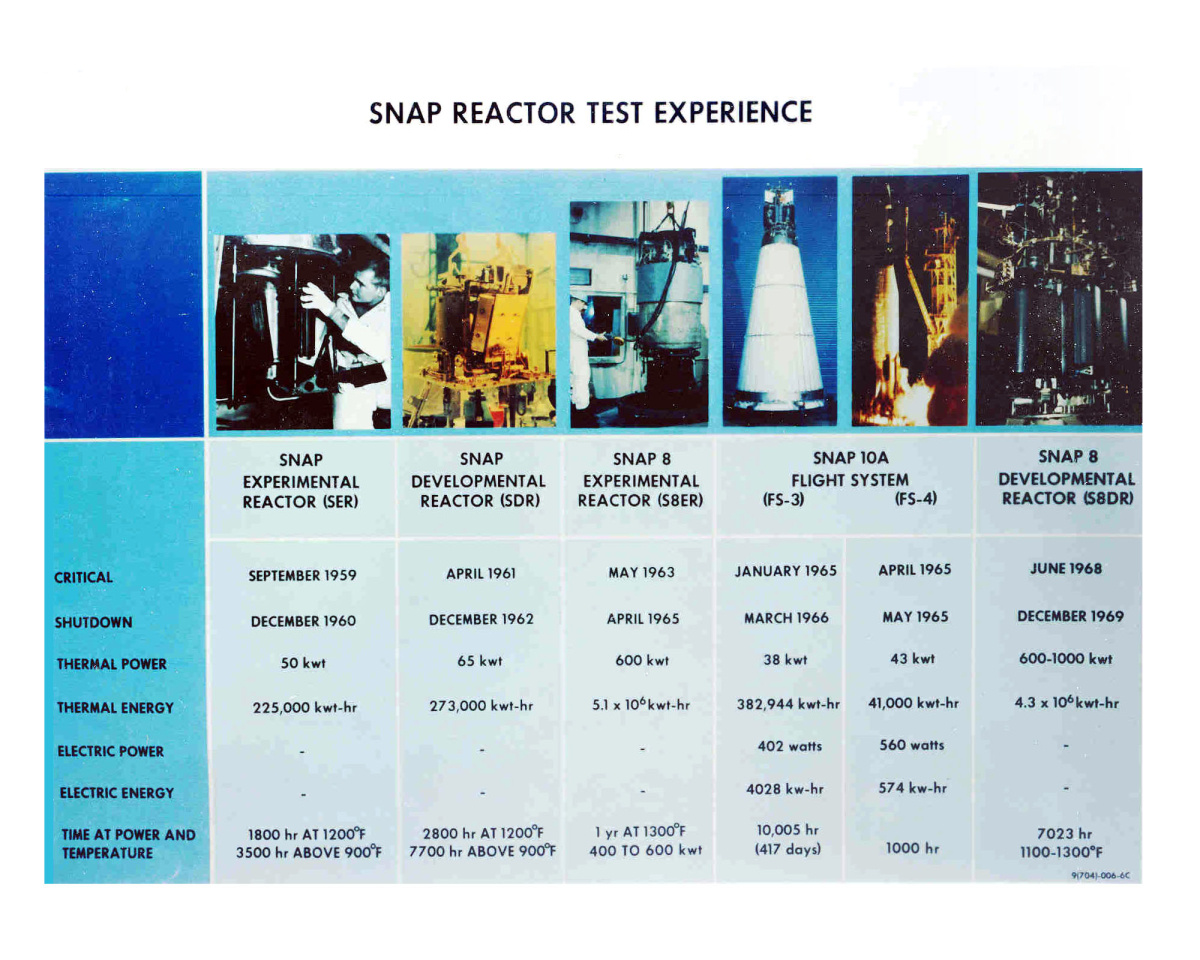
Details about the nuclear power reactors tested at the Engineering Technology Engineering Center (ETEC) as part of the Systems for Nuclear Auxiliary Program (SNAP). The program's goal was to develop compact, lightweight and reliable atomic electric devices—reactors—for use in space and sea and on land. Tests for these reactors were held primarily within six buildings at ETEC between 1956 and 1971, including the SNAP Environmental Test Facility (SETF), also known as Building 24 or 4024.
Photo
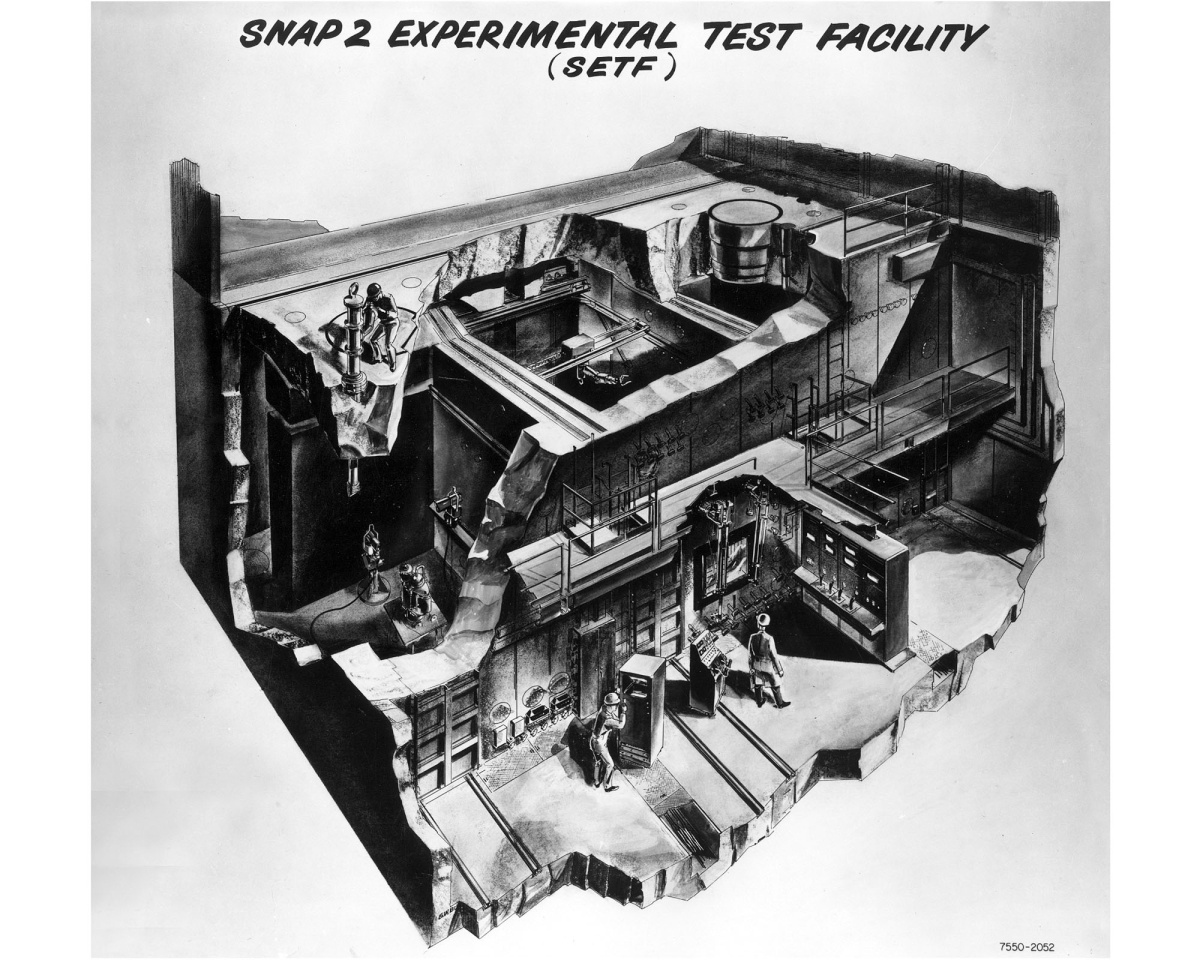
Photo Title
The SNAP Environmental Test Facility
Caption
The SNAP Environmental Test Facility, also known as Building 4024, had large vacuum chambers that replicated the near-zero pressure of space and were equipped with thermal shrouds and radiant heaters to simulate thermal extremes encountered in orbit. This allowed for the system-level testing of three fully assembled SNAP reactor prototypes, including SNAP-10.
Photo
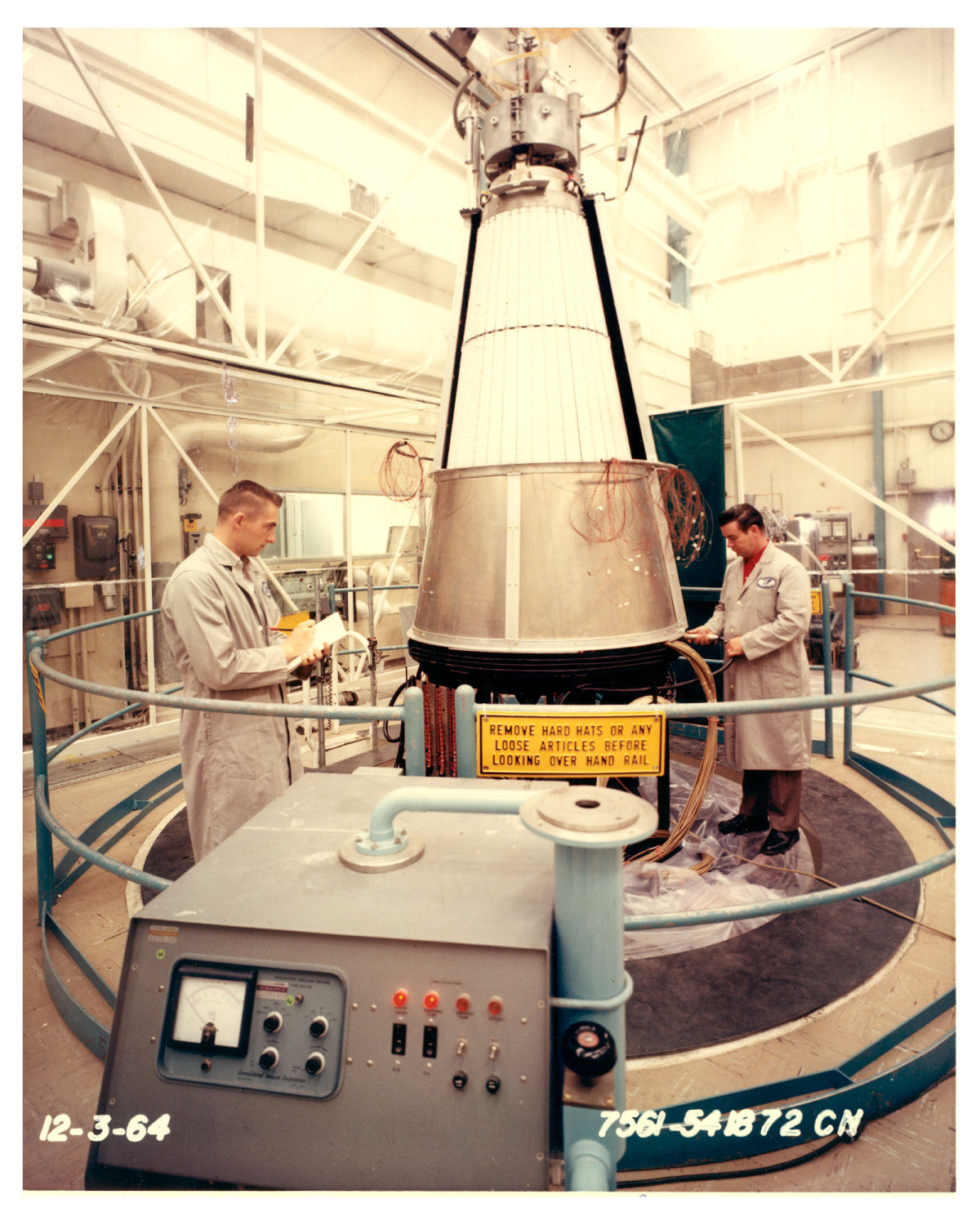
Photo Title
Conducting research on SNAP
Caption
Research and development for nuclear power reactors were conducted within six buildings at ETEC between 1956 and 1971, including the SNAP Environmental Test Facility (SETF), also known as Building 24 or 4024.
Photo
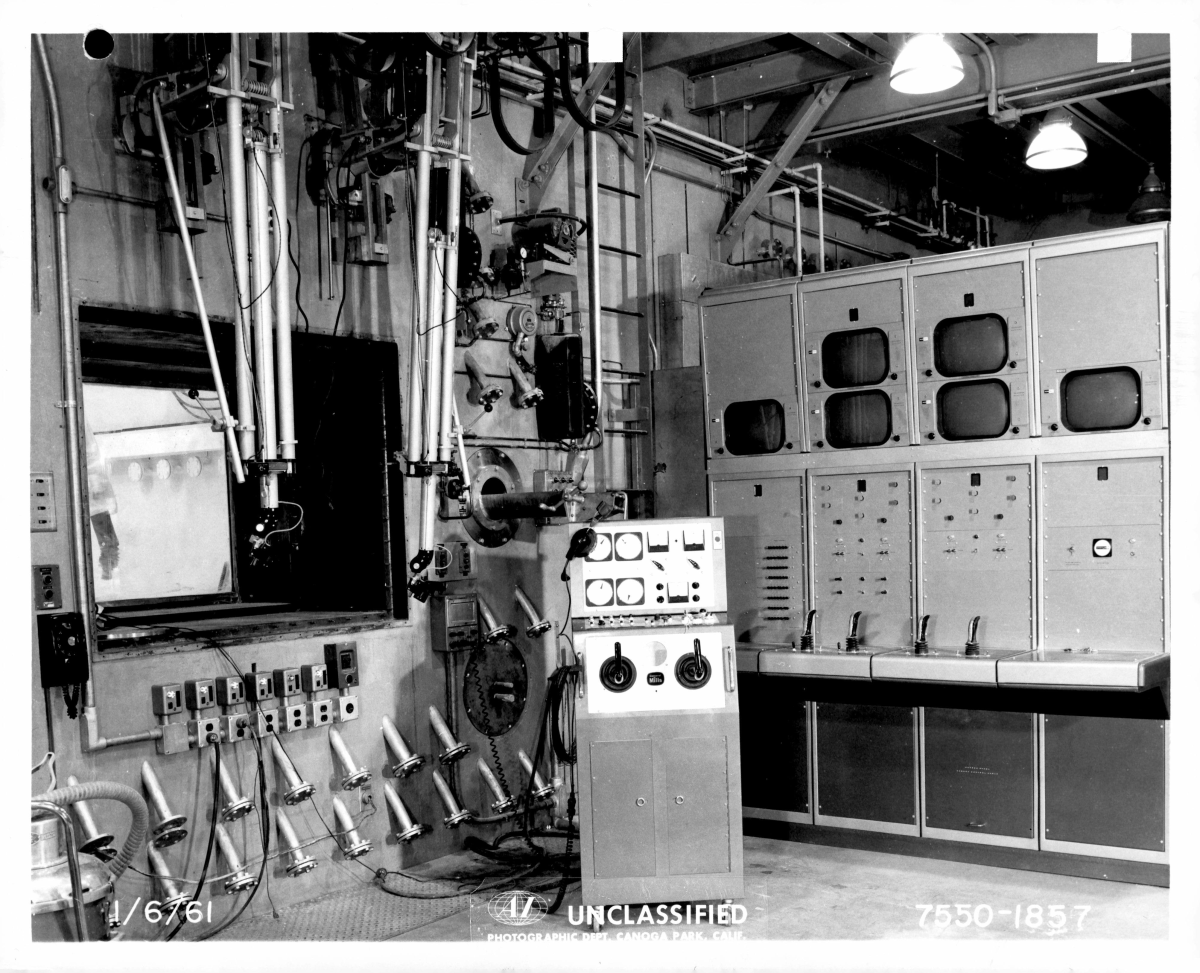
Photo Title
Testing and control center
Caption
Leaded windows allowed scientists to view tests for nuclear reactors in the SNAP Environmental Test Facility (Building 4024). Also shown is a control center with monitors.
Photo
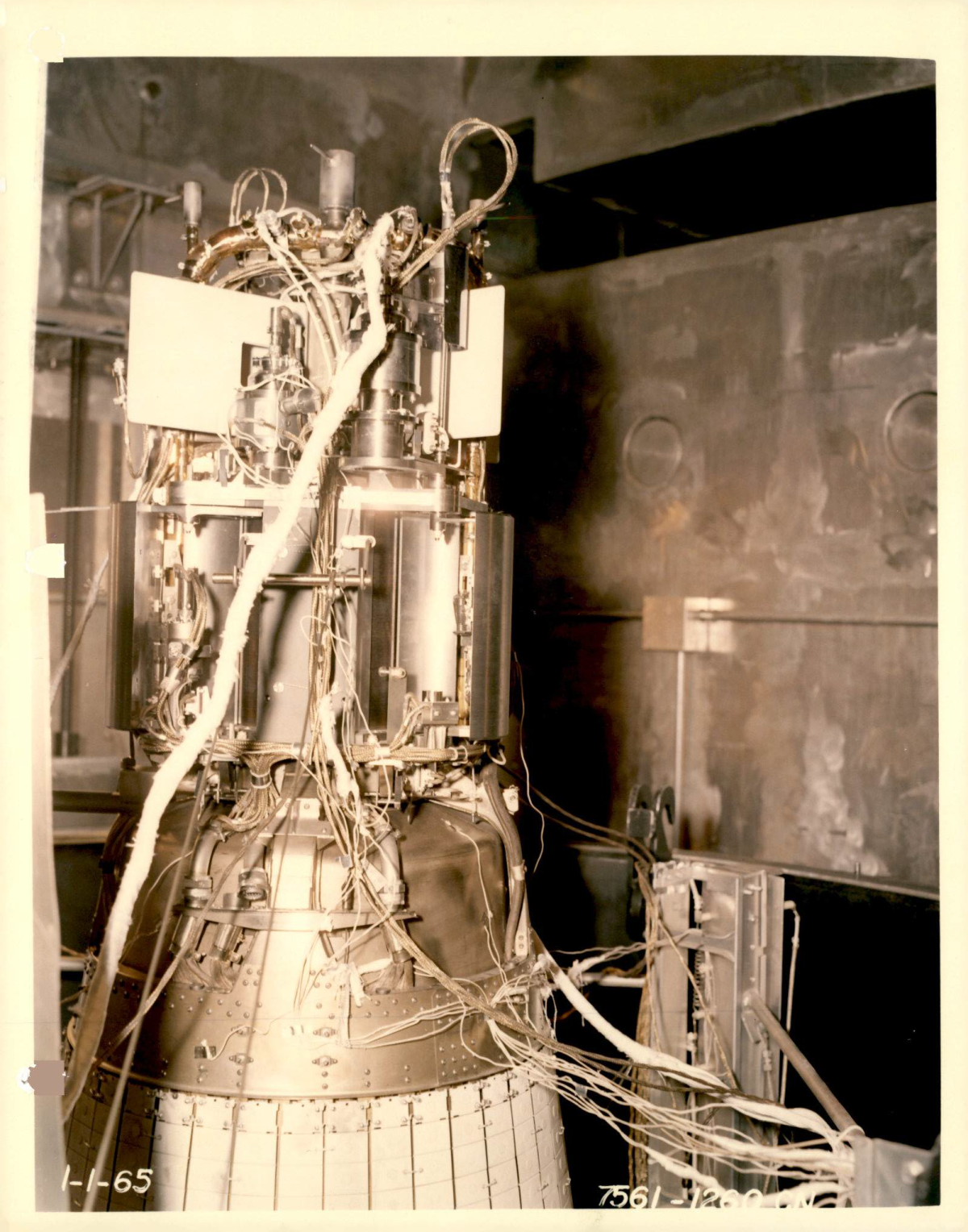
Photo Title
SNAP-10 up close
Caption
Close up of SNAP-10 reactor in one of the testing chambers in the SNAP Environmental Test Facility, also known as Building 4024.
Photo
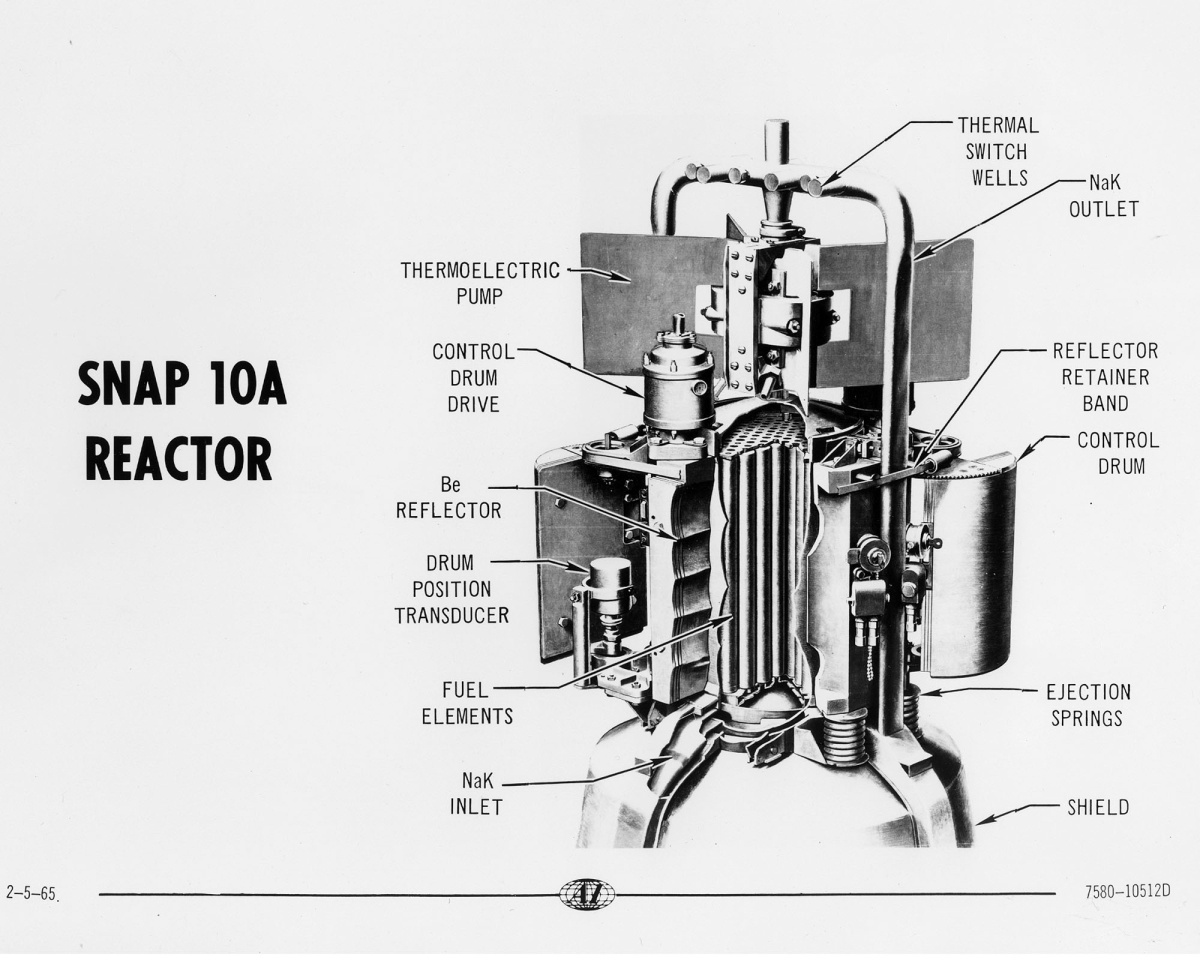
Photo Title
A look inside
Caption
A detailed view of the parts comprising the SNAP-10A reactor.
Photo
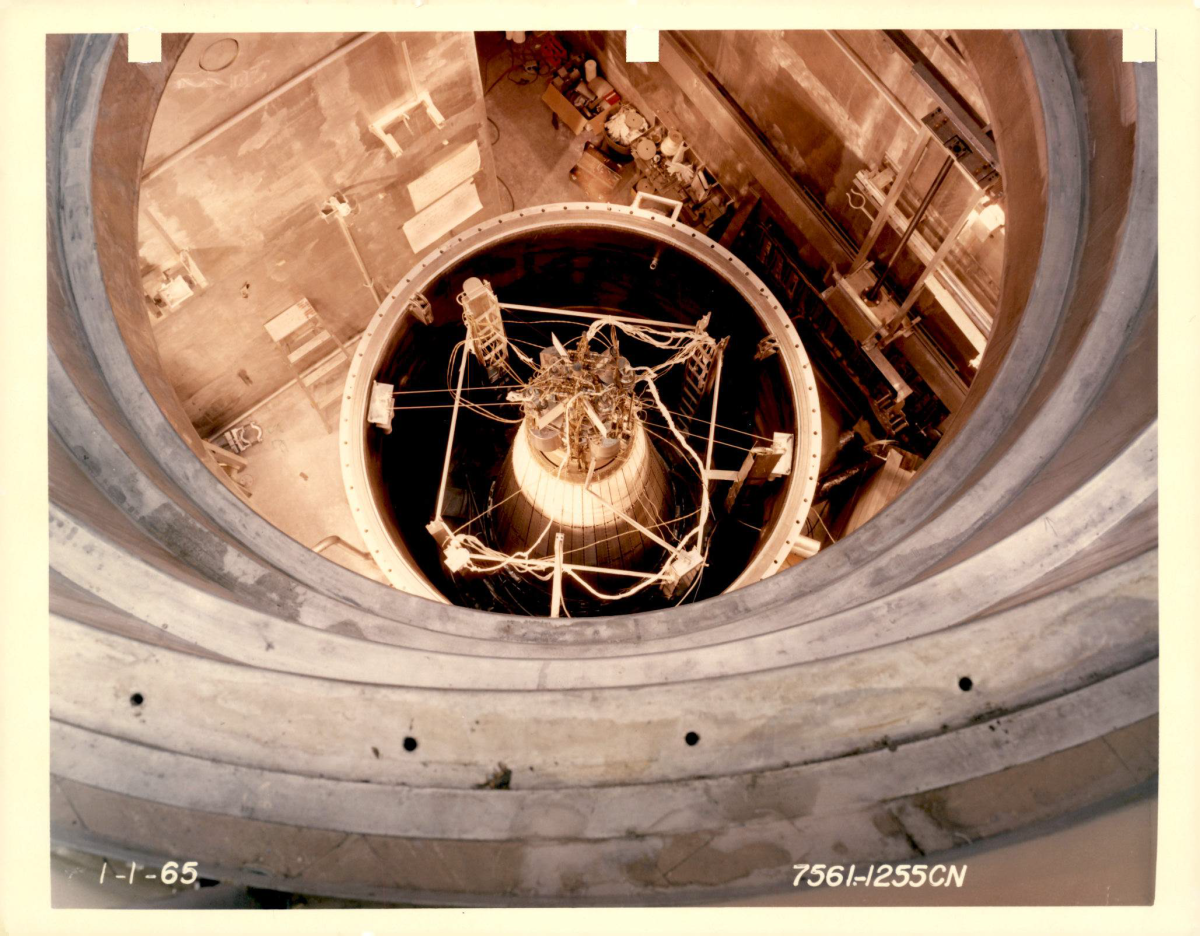
Photo Title
Observing SNAP-10
Caption
Overhead view of SNAP-10 reactor, looking down through the top of a testing chamber in the SNAP Environmental Test Facility (Building 4024). The hole would be plugged while testing was conducted on the reactor.
Photo
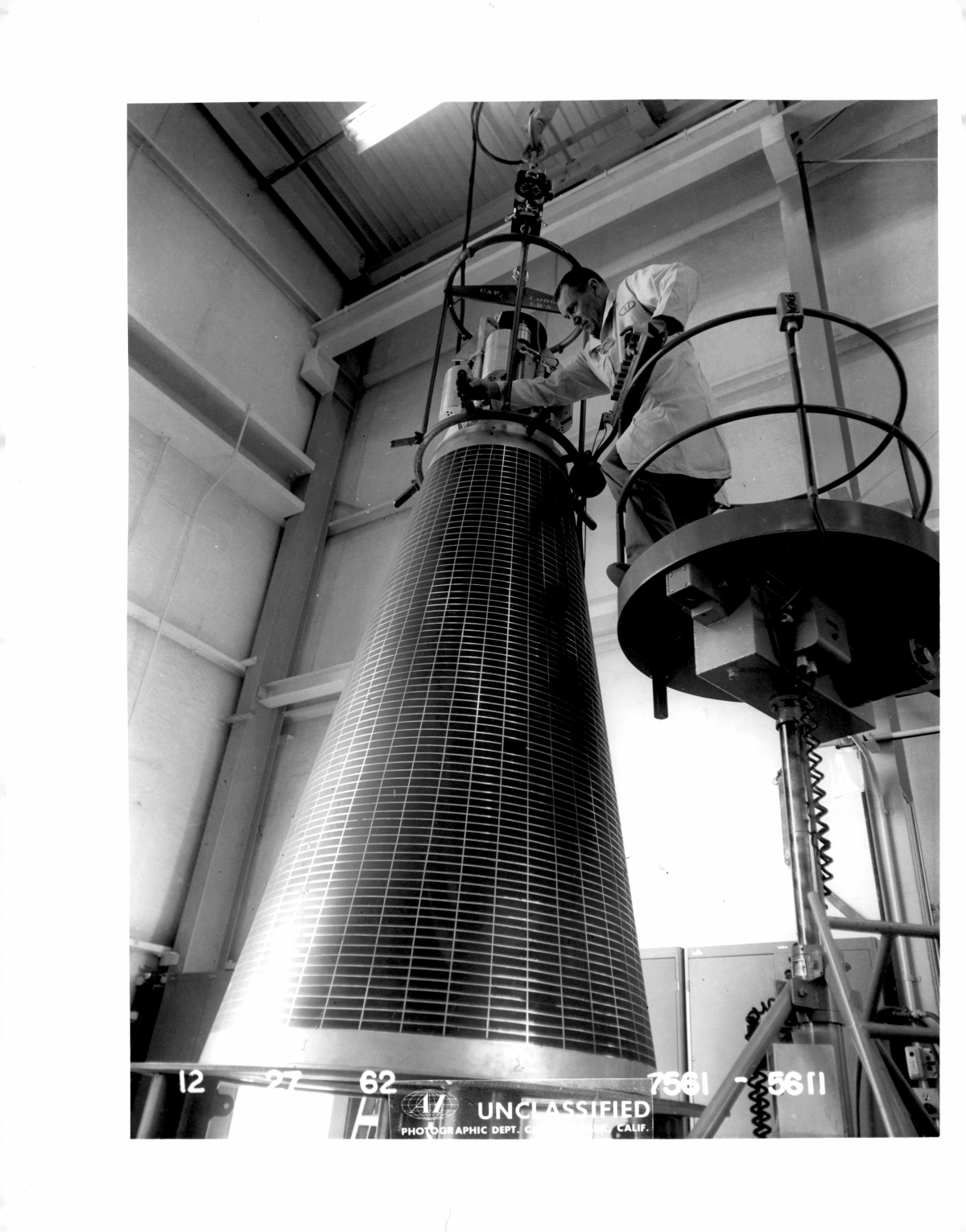
Photo Title
Working on SNAP-10
Caption
A scientist works on the nuclear reactor as part of the SNAP program at ETEC.
Photo
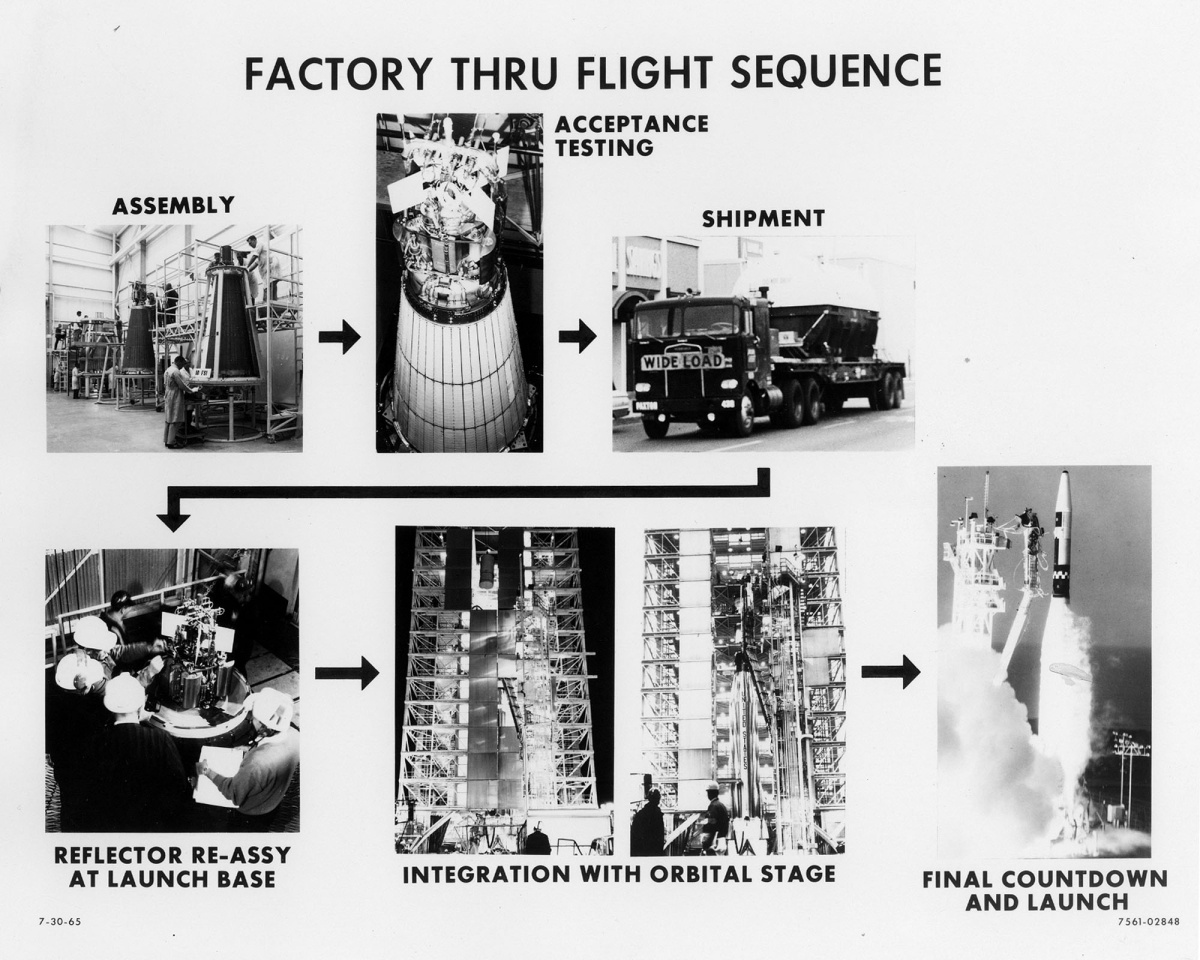
Photo Title
Assembly to launch
Caption
A timeline of SNAP-10A's assembly through its April 3, 1965, launch aboard an Atlas-Agena D rocket from Vandenburg Air Force Base in Lompoc, California.
Photo
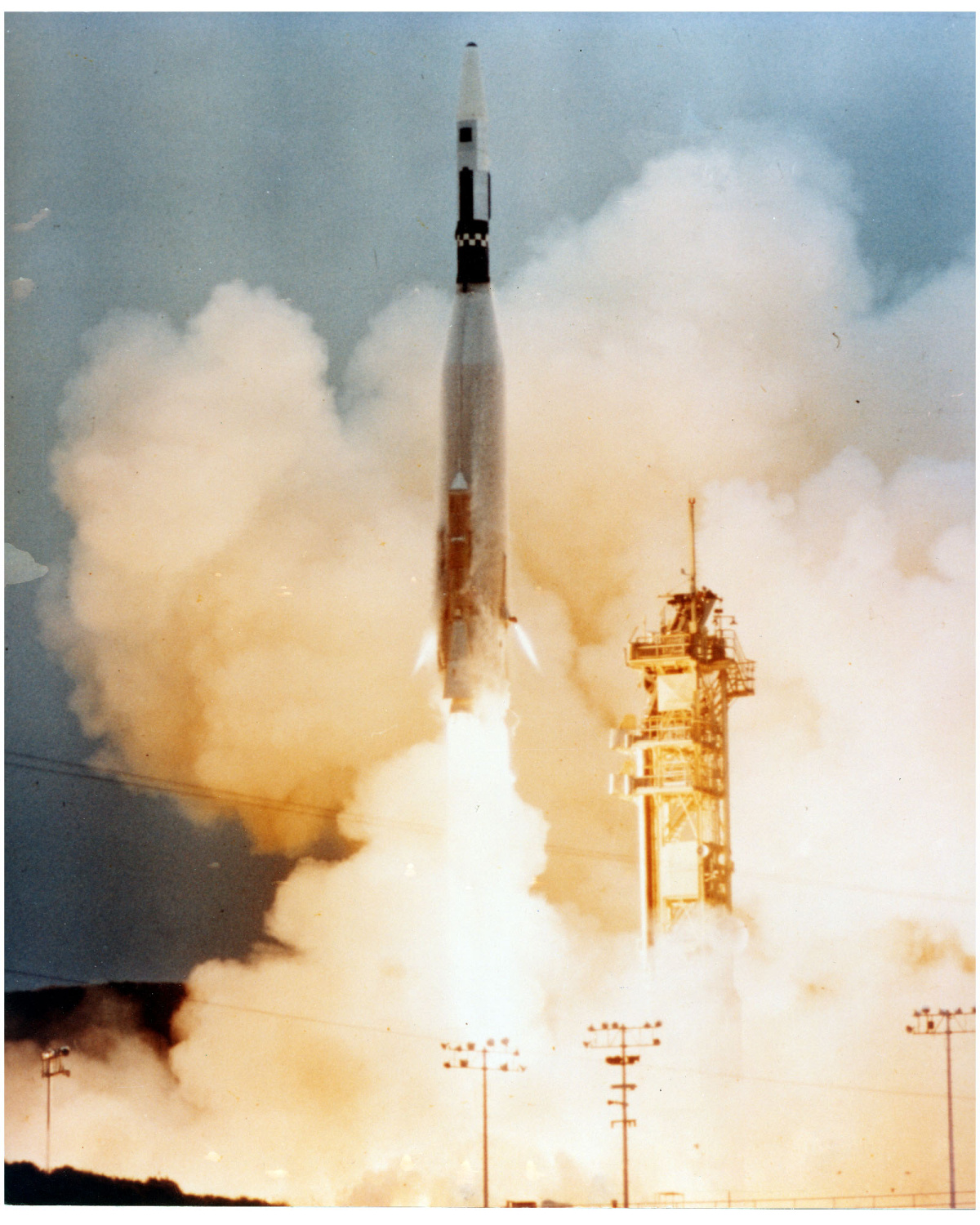
Photo Title
Launched into space
Caption
SNAP-10A was launched April 3, 1965, aboard an Atlas-Agena D rocket from Vandenburg Air Force Base in Lompoc, California, about 140 miles northeast of the Santa Susana Field Laboratory, where ETEC is located. This became the only nuclear reactor the U.S. successfully sent into space. Once in orbit, SNAP-10A provided power for 43 days before it unexpectedly shut down due to a voltage regulator not related to the reactor. The reactor remains safe, shut down and in a stable 4,000-year orbit.
Photo
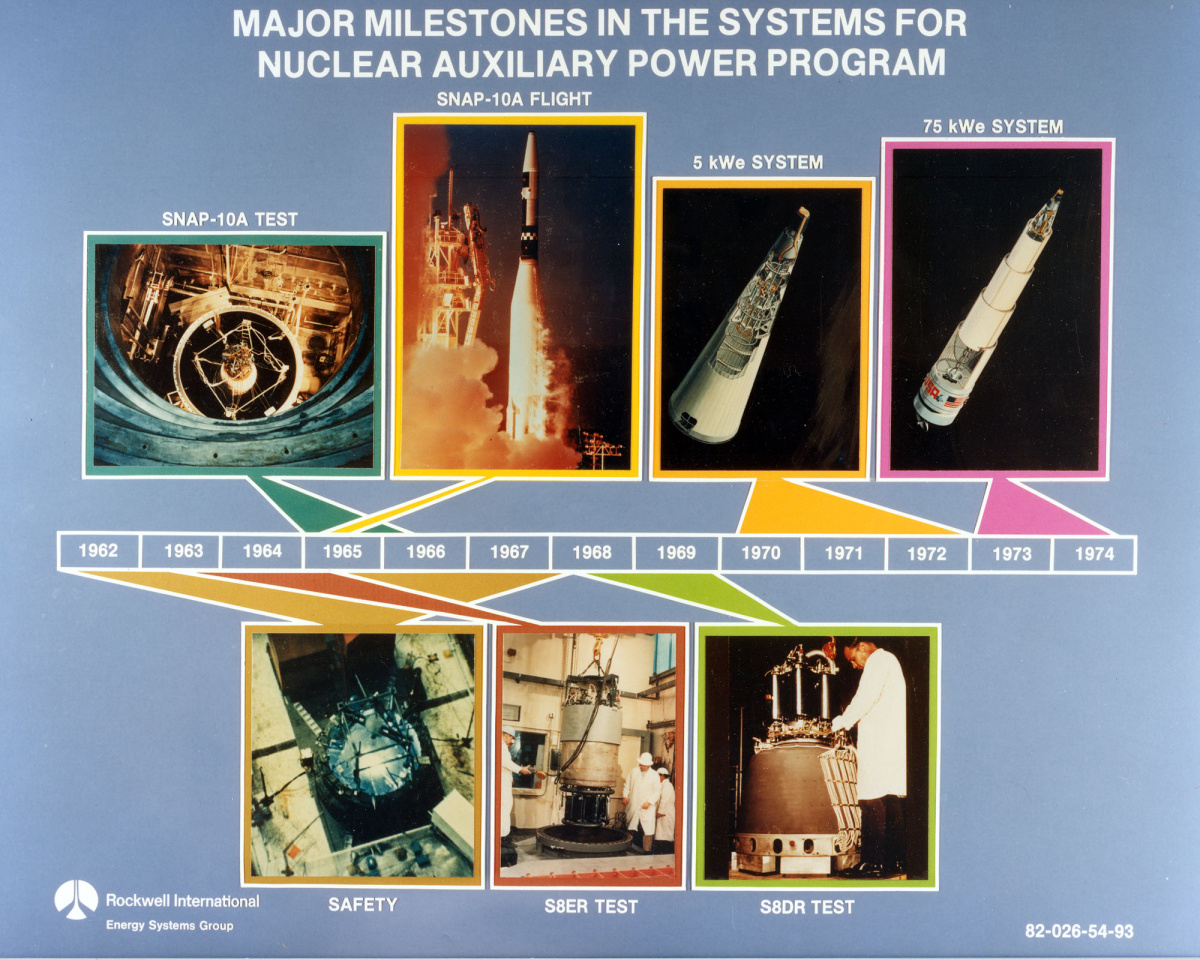
Photo Title
Major milestones
Caption
A timeline of milestones for the SNAP program, including the successful launch of SNAP-10A in 1965. Although it shut down 43 days after launch due to a voltage regulator unrelated to the reactor, SNAP-10A remains safe and in a stable 4,000-year orbit.
Photo
Photo Title
SNAP Reactor Test Experience Details
Caption
Details about the nuclear power reactors tested at the Engineering Technology Engineering Center (ETEC) as part of the Systems for Nuclear Auxiliary Program (SNAP). The program's goal was to develop compact, lightweight and reliable atomic electric devices—reactors—for use in space and sea and on land. Tests for these reactors were held primarily within six buildings at ETEC between 1956 and 1971, including the SNAP Environmental Test Facility (SETF), also known as Building 24 or 4024.
SNAP Reactor Test Experience Details
Details about the nuclear power reactors tested at the Engineering Technology Engineering Center (ETEC) as part of the Systems for Nuclear Auxiliary Program (SNAP). The program's goal was to develop compact, lightweight and reliable atomic electric devices—reactors—for use in space and sea and on land. Tests for these reactors were held primarily within six buildings at ETEC between 1956 and 1971, including the SNAP Environmental Test Facility (SETF), also known as Building 24 or 4024.
Photo
Photo Title
The SNAP Environmental Test Facility
Caption
The SNAP Environmental Test Facility, also known as Building 4024, had large vacuum chambers that replicated the near-zero pressure of space and were equipped with thermal shrouds and radiant heaters to simulate thermal extremes encountered in orbit. This allowed for the system-level testing of three fully assembled SNAP reactor prototypes, including SNAP-10.
The SNAP Environmental Test Facility
The SNAP Environmental Test Facility, also known as Building 4024, had large vacuum chambers that replicated the near-zero pressure of space and were equipped with thermal shrouds and radiant heaters to simulate thermal extremes encountered in orbit. This allowed for the system-level testing of three fully assembled SNAP reactor prototypes, including SNAP-10.
Photo
Photo Title
Conducting research on SNAP
Caption
Research and development for nuclear power reactors were conducted within six buildings at ETEC between 1956 and 1971, including the SNAP Environmental Test Facility (SETF), also known as Building 24 or 4024.
Conducting research on SNAP
Research and development for nuclear power reactors were conducted within six buildings at ETEC between 1956 and 1971, including the SNAP Environmental Test Facility (SETF), also known as Building 24 or 4024.
Photo
Photo Title
Testing and control center
Caption
Leaded windows allowed scientists to view tests for nuclear reactors in the SNAP Environmental Test Facility (Building 4024). Also shown is a control center with monitors.
Testing and control center
Leaded windows allowed scientists to view tests for nuclear reactors in the SNAP Environmental Test Facility (Building 4024). Also shown is a control center with monitors.
Photo
Photo Title
SNAP-10 up close
Caption
Close up of SNAP-10 reactor in one of the testing chambers in the SNAP Environmental Test Facility, also known as Building 4024.
SNAP-10 up close
Close up of SNAP-10 reactor in one of the testing chambers in the SNAP Environmental Test Facility, also known as Building 4024.
Photo
Photo Title
A look inside
Caption
A detailed view of the parts comprising the SNAP-10A reactor.
A look inside
A detailed view of the parts comprising the SNAP-10A reactor.
Photo
Photo Title
Observing SNAP-10
Caption
Overhead view of SNAP-10 reactor, looking down through the top of a testing chamber in the SNAP Environmental Test Facility (Building 4024). The hole would be plugged while testing was conducted on the reactor.
Observing SNAP-10
Overhead view of SNAP-10 reactor, looking down through the top of a testing chamber in the SNAP Environmental Test Facility (Building 4024). The hole would be plugged while testing was conducted on the reactor.
Photo
Photo Title
Working on SNAP-10
Caption
A scientist works on the nuclear reactor as part of the SNAP program at ETEC.
Working on SNAP-10
A scientist works on the nuclear reactor as part of the SNAP program at ETEC.
Photo
Photo Title
Assembly to launch
Caption
A timeline of SNAP-10A's assembly through its April 3, 1965, launch aboard an Atlas-Agena D rocket from Vandenburg Air Force Base in Lompoc, California.
Assembly to launch
A timeline of SNAP-10A's assembly through its April 3, 1965, launch aboard an Atlas-Agena D rocket from Vandenburg Air Force Base in Lompoc, California.
Photo
Photo Title
Launched into space
Caption
SNAP-10A was launched April 3, 1965, aboard an Atlas-Agena D rocket from Vandenburg Air Force Base in Lompoc, California, about 140 miles northeast of the Santa Susana Field Laboratory, where ETEC is located. This became the only nuclear reactor the U.S. successfully sent into space. Once in orbit, SNAP-10A provided power for 43 days before it unexpectedly shut down due to a voltage regulator not related to the reactor. The reactor remains safe, shut down and in a stable 4,000-year orbit.
Launched into space
SNAP-10A was launched April 3, 1965, aboard an Atlas-Agena D rocket from Vandenburg Air Force Base in Lompoc, California, about 140 miles northeast of the Santa Susana Field Laboratory, where ETEC is located. This became the only nuclear reactor the U.S. successfully sent into space. Once in orbit, SNAP-10A provided power for 43 days before it unexpectedly shut down due to a voltage regulator not related to the reactor. The reactor remains safe, shut down and in a stable 4,000-year orbit.
Photo
Photo Title
Major milestones
Caption
A timeline of milestones for the SNAP program, including the successful launch of SNAP-10A in 1965. Although it shut down 43 days after launch due to a voltage regulator unrelated to the reactor, SNAP-10A remains safe and in a stable 4,000-year orbit.
Major milestones
A timeline of milestones for the SNAP program, including the successful launch of SNAP-10A in 1965. Although it shut down 43 days after launch due to a voltage regulator unrelated to the reactor, SNAP-10A remains safe and in a stable 4,000-year orbit.