



What Are the Economic Benefits of Wind Energy?
In addition to its benefits, wind energy can be very good for the economy. The economic benefits of wind energy include:
- Job creation
- Revenue for farmers and ranchers
- Increased local tax revenue
- Lower electricity prices
- Financial compensation for impacted communities
- Wind energy tourism.
The money communities generate and save through wind energy development can then be used to support improvements to roads, emergency services, libraries, and more.
How Much Does It Cost to Set Up a Wind Energy Project?
The cost of setting up a wind energy project depends on several factors, including the size and number of turbines, as well as the location of the wind energy project.
Learn about the costs and financing processes associated with wind energy projects with:
- Our Economics page, which offers resources for estimating the costs associated with wind energy installations.
- The U.S. Department of Energy’s annual Wind Energy Market reports, which offer details on development, technology, cost, and performance trends for offshore, land-based, and distributed wind energy.
What Are Development Fees?
Host communities and project developers typically agree on development fees prior to wind energy project construction. The project developer may pay these fees before or during construction. The three most common types of development fee revenue streams are:
- Sales tax, a transaction-based, consumption tax at the state, county, and/or city level that is charged on an item at the time of purchase
- Use tax, which is applied to goods and materials purchased outside the community but consumed in the community where the wind energy project is located
- Building and permit fees, which can be used to compensate counties for the cost of reviewing and processing applications for a proposed wind energy project.
How Does Wind Energy Generate Local Revenue?
Wind energy projects can be a source of significant revenue for the communities that host them, particularly rural communities.
Revenue can be used to support activities related to a wind farm’s construction, such as reviewing permit applications or preparing the community for an influx of construction workers.
After construction, communities can use wind energy revenue to build new schools, roads, bridges, and other community infrastructure. Revenue from wind energy development can take the form of development fees and recurring long-term revenue.
What Is the Recurring Long-Term Revenue of an Operating Wind Farm?
This type of revenue, which refers to the tax payments that utility-scale wind energy projects make to state and local governments, is the most consistent and major economic benefit associated with wind energy. In fact, the U.S. wind energy industry paid an estimated $1 billion in state and local taxes in 2022.
Learn more about revenue from wind energy projects by visiting the Local Government Revenue Sources section of our Land-Based Wind Energy Economic Guide.
What Financial Incentives Are Offered for Investing in Wind Energy?
Financial incentives provided by governments can impact overall project economics and are an integral part of the successful implementation of distributed and utility-scale wind energy. Visit our Financial Considerations page to learn about federal, state, local, and utility financial incentives for wind projects.
How Does Wind Energy Create Jobs?
Wind energy remains one of America’s fastest-growing energy sources and a generator of high-quality jobs. In fact, employment in the United States wind energy industry reached a new record of over 125,000 workers in 2022.
Wind energy projects can create many kinds of employment opportunities for the communities that host them, both during construction and after a wind farm is operational. These jobs may include:
- Turbine technicians and engineers
- Component manufacturers
- Project developers
- Financial analysts
- Supply chain managers.
A wind energy project can also create job opportunities not directly related to the project itself. For example, an influx of workers to an area can result in more spending at local hotels and restaurants, creating an increased demand for service industry workers.
How Do Communities and Landowners Benefit?
Wind energy companies often lease land from landowners, creating an additional revenue stream for those landowners. In fact, during 2022, wind energy projects on private land provided around $935 million in land lease payments to rural landowners.
In addition, because wind turbines have a small physical footprint, they can easily share land with crops and livestock, sustaining rural landowners and allowing them to enjoy both sources of revenue at the same time.
Landowners can get involved with wind farms in a few different ways, including being:
- A participating landowner who hosts or allows access to wind turbines or wind power infrastructure (like transmission lines).
- A corporate landowner who hosts or allows access to turbines or infrastructure.
- A government landowner, which involves additional steps covered on our page about siting wind power projects on public lands.
Land lease agreement payments are typically structured in one of three ways, including:
- Fixed payments, in which the wind energy company negotiates a fixed amount they will pay to the landowner on an annual basis, for a fixed period of time.
- Revenue-based payments, in which the wind energy company pays the landowner a percentage of gross revenues from the wind farm.
- A combination of fixed payments and revenue-based payments.
Wind energy project developers might prefer to negotiate a certain payment structure with landowners based on the economic considerations of a particular wind energy project.Landowner compensation can vary among individual projects, depending on their terms of agreement.
Typically, a wind energy project developer would reach out to you to discuss evaluation of and potential use of your land. Even before lease payments (see above) begin, reconstruction and construction stages can include agreements that involve compensation to secure rights and cover potential impacts, respectively.
If you believe your land offers valuable wind resources and are interested in the benefits of hosting a wind farm (provided on this page), you could also reach out to developers yourself.
Check out our Site Selection page to gain a better understanding of the wind project planning and site-selection processes. You may also refer to the United States Geological Survey’s U.S. Wind Turbine Database Map to see if there is wind energy development in your area.
Research shows that wind farms can attract travelers who are interested in wind and renewable energy development—or who simply want to see the biggest rotating devices on the planet in person.
Several offshore wind sites in the Baltic and North Seas offer wind energy tourism opportunities in the form of boat tours, onshore viewing platforms, and virtual experiences. Here in the United States, researchers at the University of Rhode Island found that tourism near Rhode Island’s Block Island Wind Farm increased following the construction of the wind farm. These cases support the idea that wind energy projects are an opportunity for communities to build energy awareness.
Sign up to receive updates about WINDExchange and other topics from the Integrated Energy Systems Office.
Related Topics
-
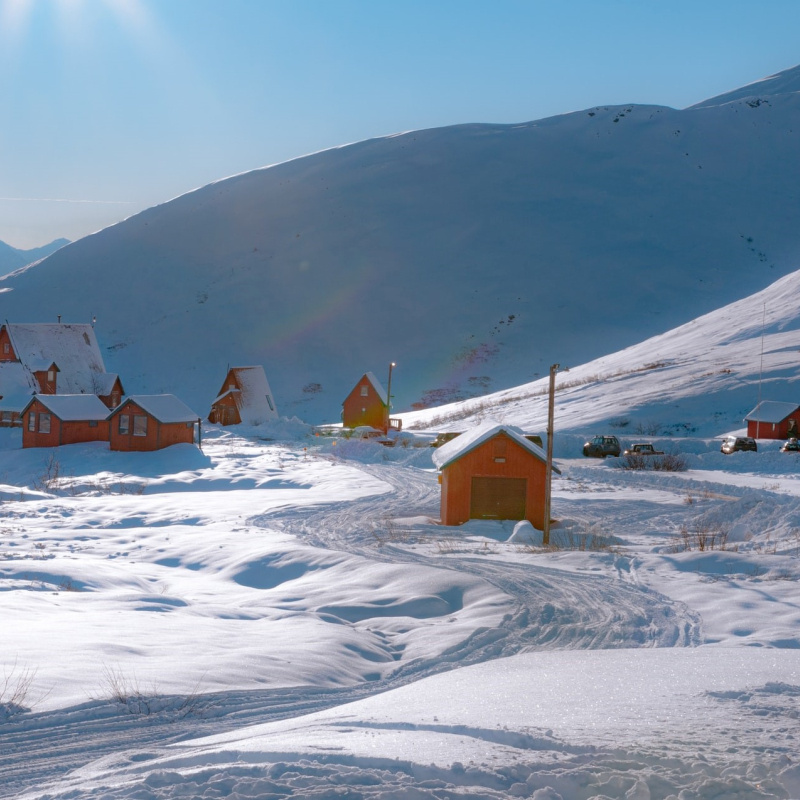 Project analyzes the many benefits of distributed wind for communities across the United States.
 -
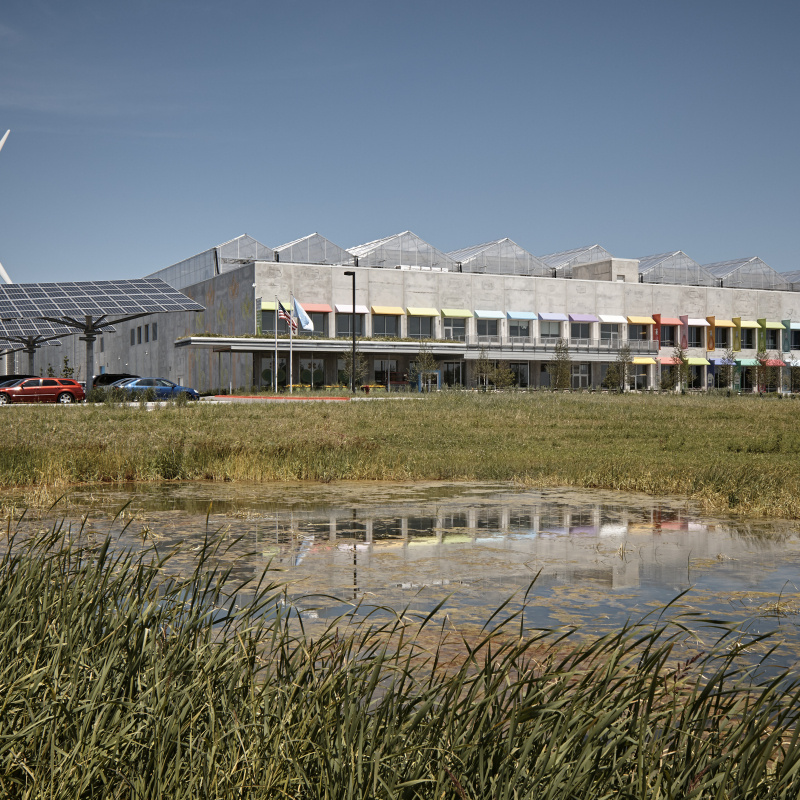 New DOE report on wind energy shows distributed wind energy—wind turbines that provide power for nearby consumers—is expanding across the nation, benefiting a wide range of organizations and communities, from large corporations to remote villages.