



How Does Wind Energy Affect Wildlife and the Environment?
Wind energy has many positive impacts. It provides affordable, electricity for homes, businesses, and more. In addition, wind energy contributes to job creation, energy independence, and a secure power grid.
However, in some circumstances, wind energy projects can negatively impact the surrounding environment and the animals who live there. These impacts vary by location and species, but birds and bats, as well as marine mammals and other marine life in the case of offshore wind energy, are of high concern when it comes to wind energy development.
Reducing impacts to area wildlife is an important part of responsible wind energy development, whether land-based or offshore. Therefore, wind energy project developers and site operators must work to understand, avoid, and/or minimize these potential effects during all phases of a project’s life.
Minimizing Wildlife Impacts
During a prospective wind energy site’s development phase, project developers are required to screen the site to help determine the potential for impacts to local wildlife. Based on their desktop analysis, wind energy project developers will actively monitor the site for wildlife that may impacted by a wind energy facility. Emerging monitoring technologies are making it easier to identify the type and number of animals present at a potential wind energy site, as well as when the animals are present and how they behave.
Scientists use a tiered approach with a variety of methods to screen a potential site for wind energy development. To screen a site, they begin with a review of surveys, satellite imagery, and models of predicted animal locations. Based on this desktop analysis, developers will actively monitor the site for wildlife that may be impacted by a wind energy facility. Emerging monitoring technologies are making it easier to identify the type and number of animals present at a potential wind energy site, as well as when animals are present and how they behave.
For guidance on what wildlife and environmental conservation measures to take when developing, installing, and operating land-based wind energy projects, refer to WINDExchange’s Land-Based Wind Energy Siting resource and the U.S. Fish and Wildlife Service’s Land-Based Wind Energy Guidelines.
For similar questions related to developing, installing and operating offshore wind energy projects, explore the Bureau of Ocean Energy Management (BOEM)’s National And Regional Guidelines For Renewable Energy Activities.
During both land-based and offshore wind farm construction, developers continue to monitor the site for the presence of sensitive species and adjust their activities to minimize impacts.
For example, at land-based and distributed wind energy sites, developers strive to avoid construction activities during mating or breeding seasons for grouse and other ground-nesting birds, as the increased presence of people, traffic, and loud noises may disrupt the birds’ normal reproductive behavior.
In some cases, construction activities may pause if wildlife are present.
For example, if an offshore wind energy construction site sits within a known whale migration corridor, workers may halt activities, like monopile (foundation) installation, during migration season in order to reduce noise impacts to migrating whales.
Once a wind energy site is up and running, site operators can use several strategies to minimize impacts on wildlife. These strategies, which vary from species to species, include:
- Continued monitoring for the presence of and any impacts to area wildlife.
- Curtailing, meaning slowing or stopping the blades on any or all wind turbines when animals are present or expected to be present.
- Using deterrent technology to discourage animals from approaching spinning turbine blades.
For at least one year after a wind energy facility begins operations, the operator monitors the site to measure actual impacts to birds and bats and to determine whether additional conservation measures, such as curtailment and/or deterrents, are needed. The U.S. Geological Survey’s GenEst tool, which provides estimates of bird and bat impacts at wind energy sites, can support this stage of the screening process. Wind energy facility operators should also consider environmental and wildlife impacts when replacing old turbine parts with more current technology (a process known as repowering) and after the facility is decommissioned. Refer to WINDExchange’sWind Energy End-of-Service Guide for information on wind facility repowering and decommissioning processes.
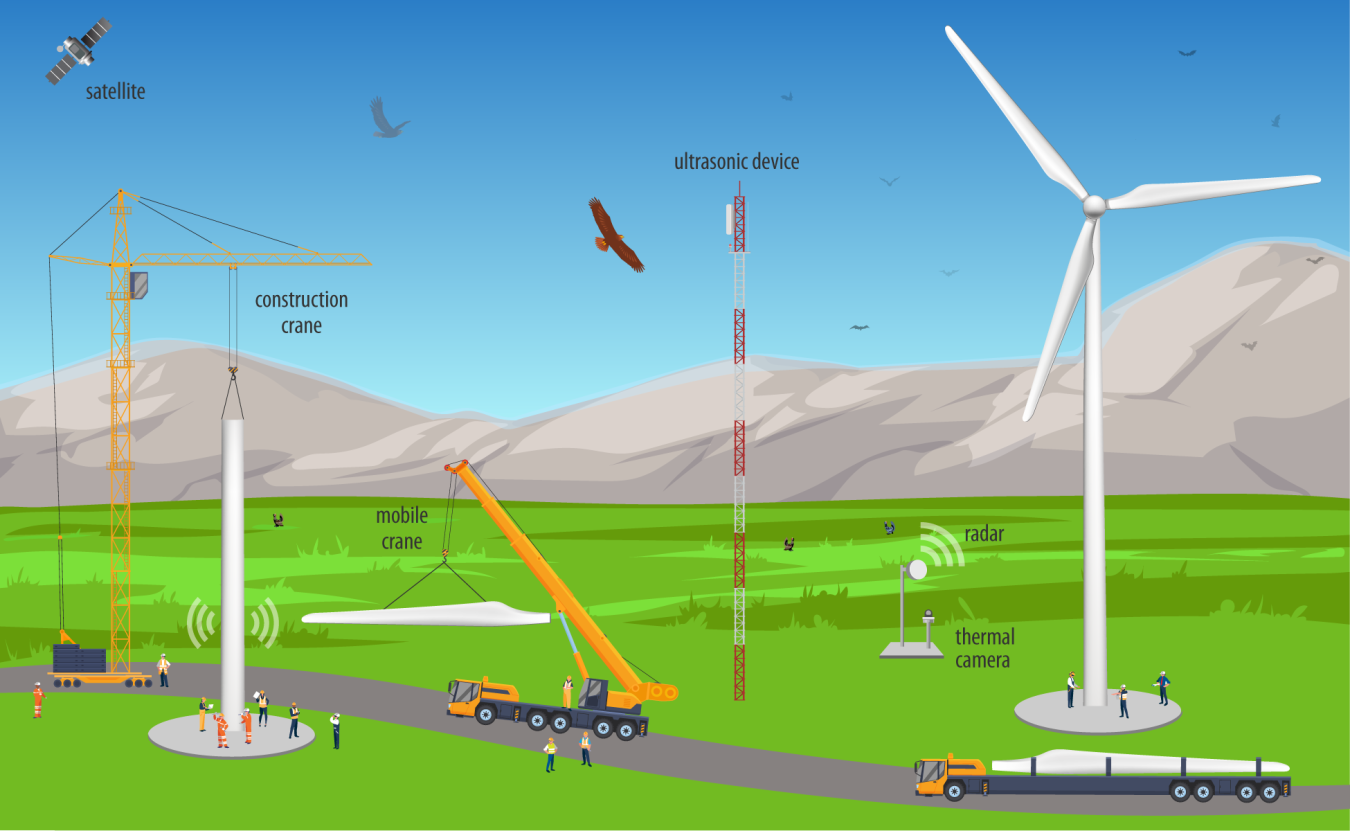
Land-based wind farm site developers and operators follow several protocols to minimize wind energy’s environmental impact. These can include using radar and thermal cameras to monitor bird and bat activity, pausing construction when wildlife is present, and installing ultrasonic acoustic devices to discourage bats from approaching turbines. (Note: The graphic above is not to scale.)
Species-Specific Considerations and Efforts
-
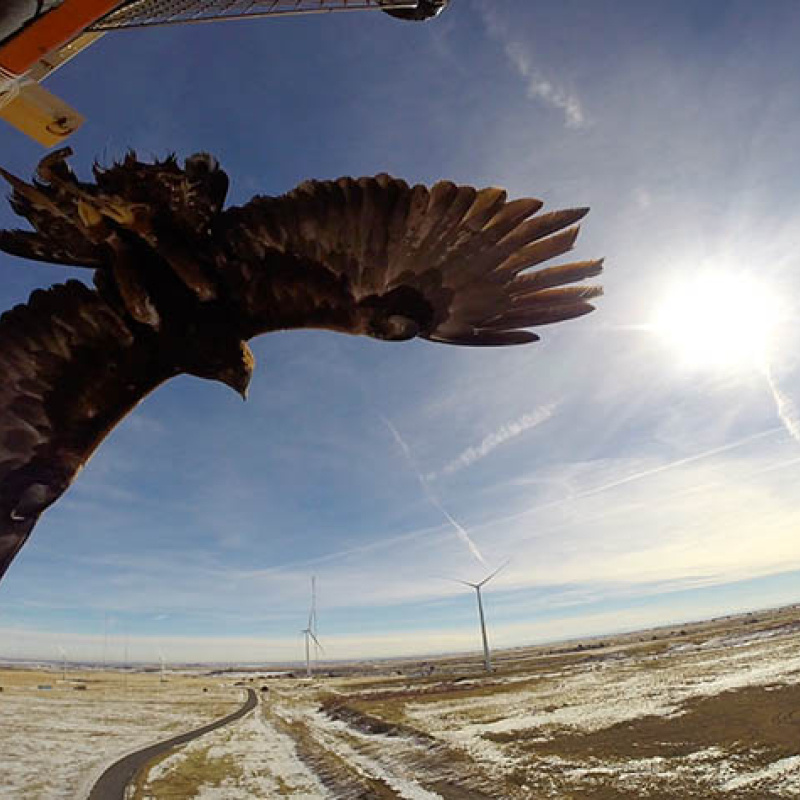 Researchers are working to mitigate impacts of wind energy on birds and bats.August 10, 2026
 -
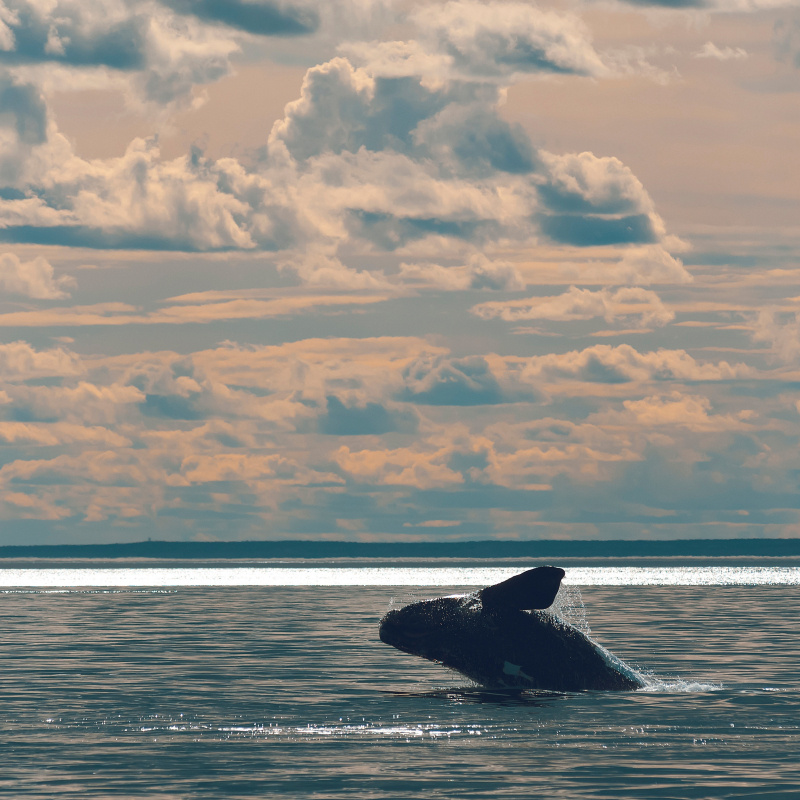 Researchers are developing mitigation strategies to protect marine wildlife.August 10, 2026
How Do We Improve the Coexistence of Wildlife with Wind Energy?
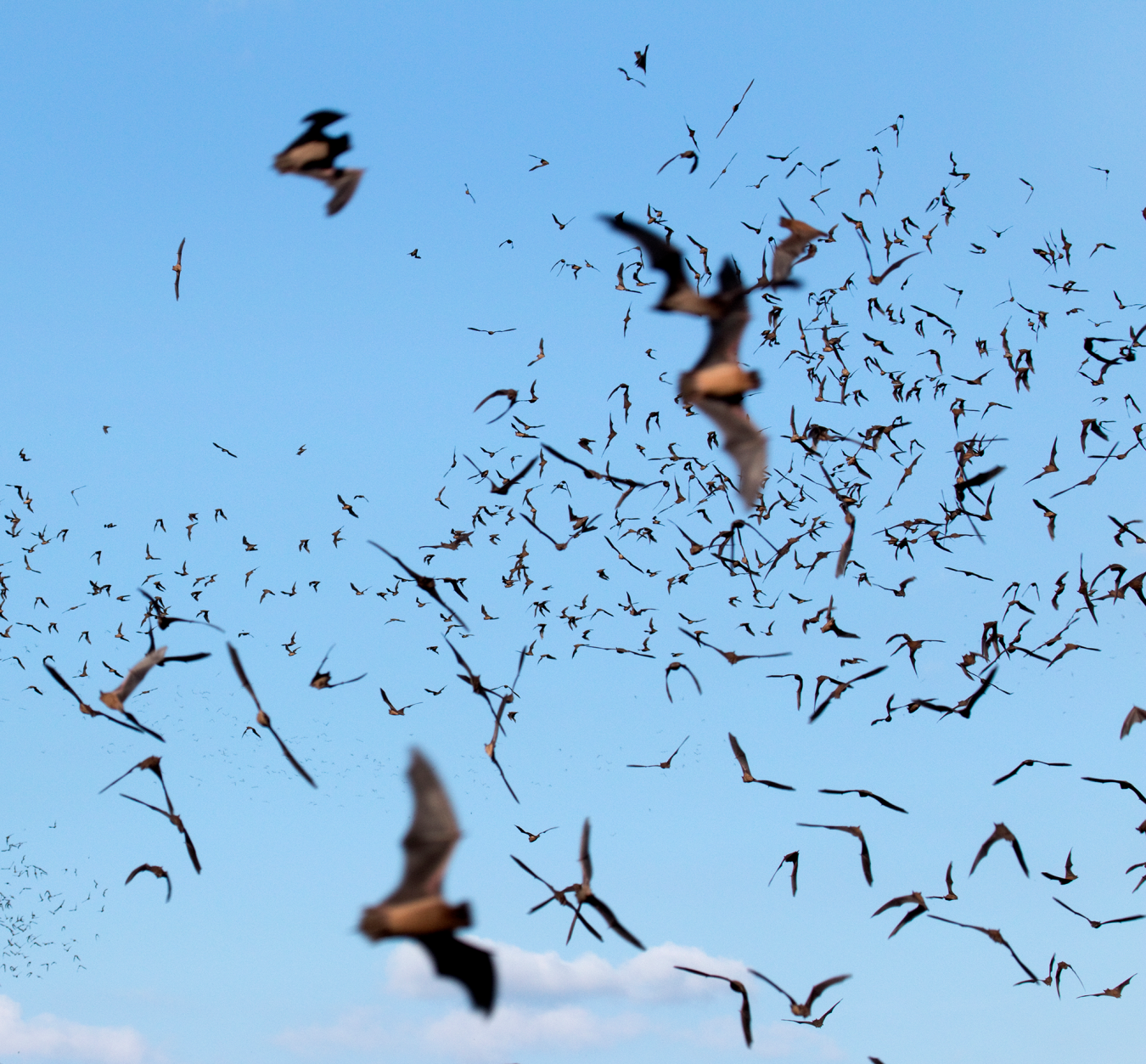
The U.S. Department of Energy’s (DOE’s) Wind Energy Technologies Office (WETO) supports efforts to assess and mitigate wind energy’s environmental impacts.
Some of these efforts are carried out through research at DOE’s national laboratories. Some efforts are carried out through collaborations with other organizations, like the Renewable Energy Wildlife Institute. In addition, DOE and its national laboratories collaborate with other countries to identify solutions to the environmental impacts of wind energy development.
With WETO’s support, research like this helps advance wind energy deployment while minimizing adverse effects on wildlife and the environment. See Pacific Northwest National Laboratory's Tethys database.
Sign up to receive updates about WINDExchange and other topics from the Integrated Energy Systems Office.
Related Topics
-
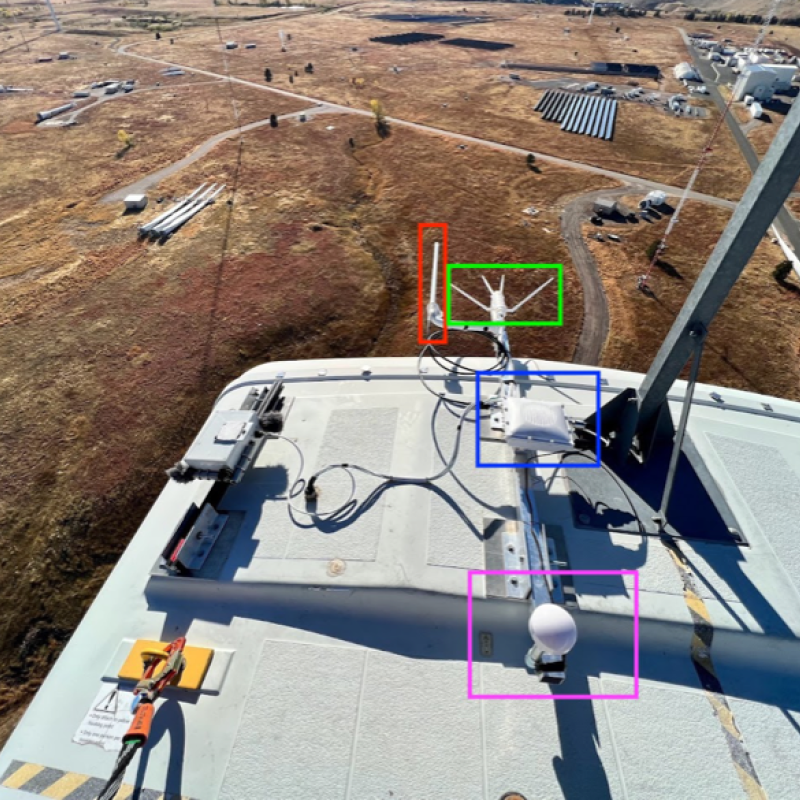 With funding from the Wind Energy Technologies Office, Oregon State University is developing a wildlife detection platform for land-based and offshore wind turbines.
 -
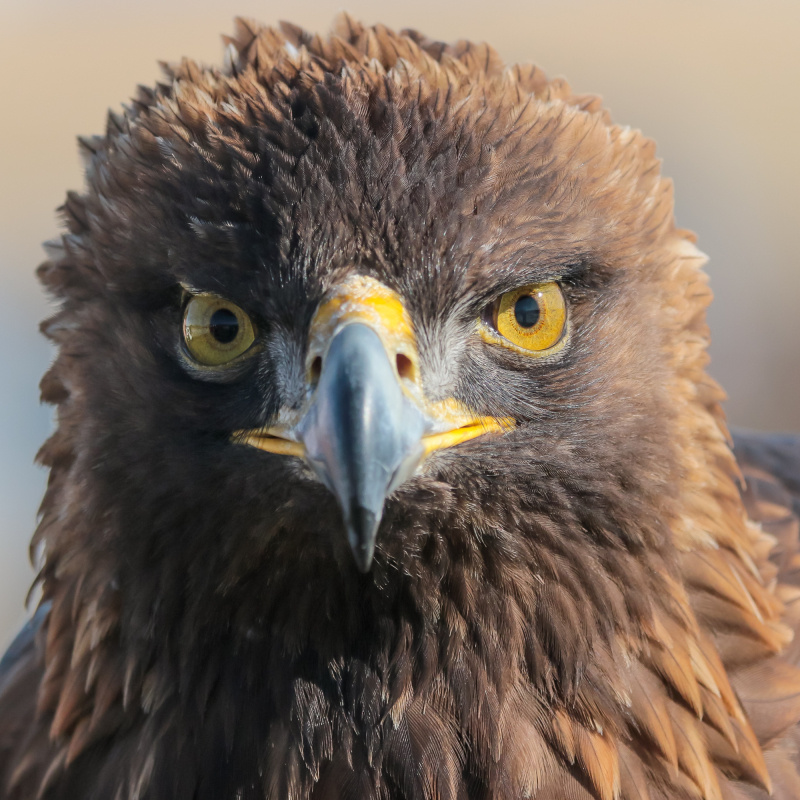 For more than 30 years, research funded by the Wind Energy Technologies Office has addressed wind energy’s effects on wildlife and the environment.
 -
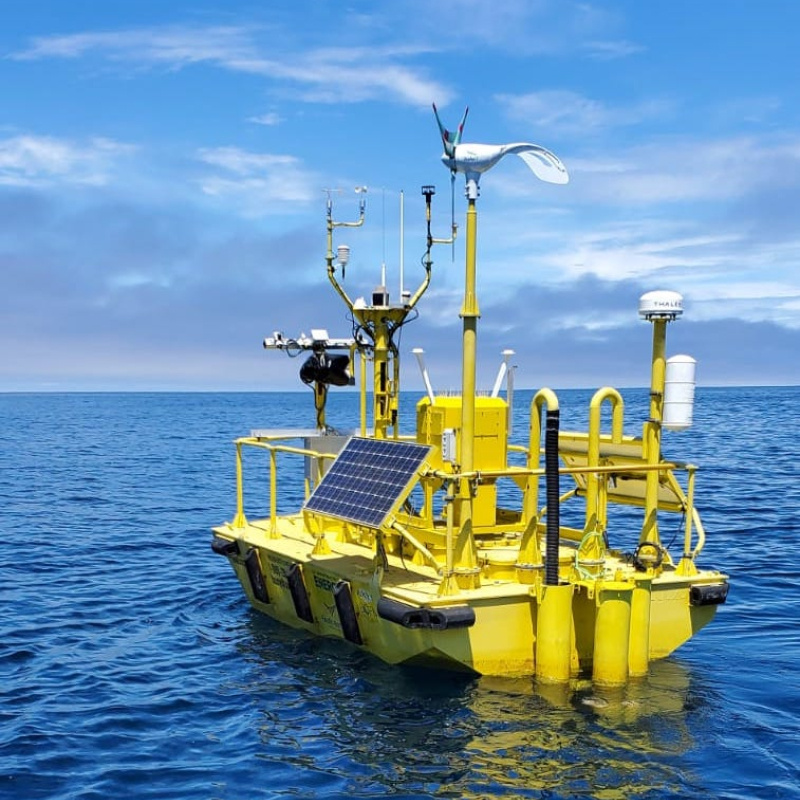 This innovative system collects behavioral data for birds and bats in the vicinity of wind turbines to help the wind industry meet monitoring requirements for development of proposed wind farm sites.