



Energy is essential to our daily lives and economy, but how does fuel move through pipelines and how is the demand for electric power met?
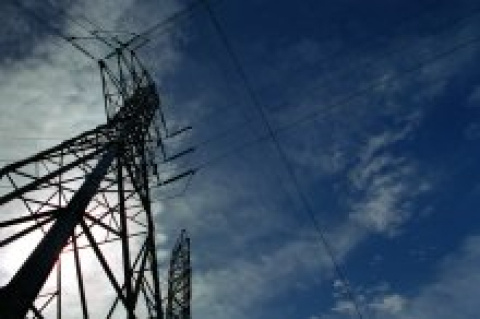
When critical functions like energy transmission and delivery are too important for the safety and security of our nation to fail, these systems take every precaution to defensively prevent cyberattacks from happening.

CESER’s Risk Management Tools & Technologies (RMT) division had the pleasure of hosting two interns this summer.
New Research Effort Enhances Transparency, Will Make It Easier for Consumers and Users of Technology to Evaluate Security and Make Informed Purchases
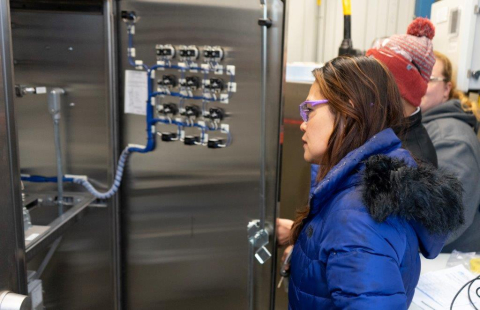
The best cybersecurity measures are those that prevent attacks from ever happening.

As states face more severe and frequent threats to energy systems, it is important that government officials are prepared to respond to emergencies and coordinate energy restoration.
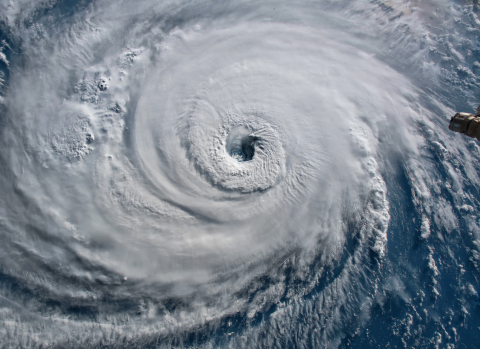
June 1 marks the first day of hurricane season in the U.S., which runs until November 30. Prediction models forecast an active hurricane season in 2023, with around 2-3 hurricanes expected to reach Category 3 status.
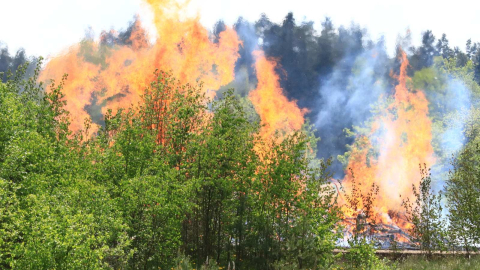
May is Wildfire Awareness Month, and we’re shedding light on the damaging impact of wildfires, how to prevent them, and how to protect yourself this upcoming wildfire season.
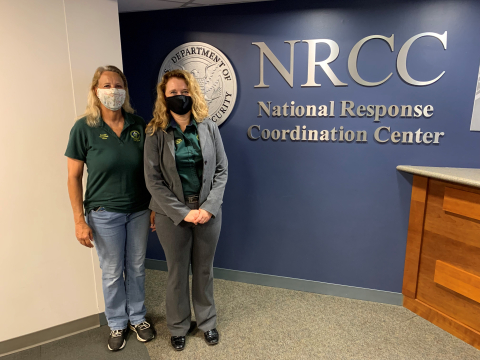
Throughout 2022, CESER’s ESF #12 response teams managed numerous rapid deployments and engaged in training and preparedness exercises to stay on top of best practices.
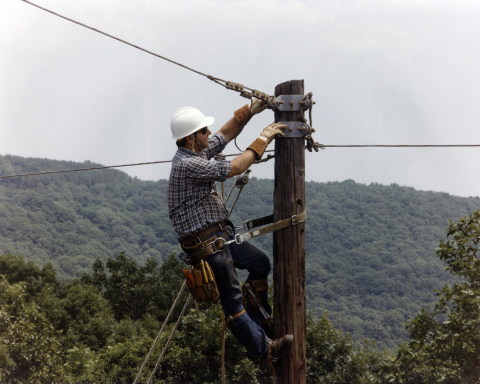
Within CESER, one expert working at the cyber/energy nexus is poised to help advance infrastructure security in America from the ground up.