



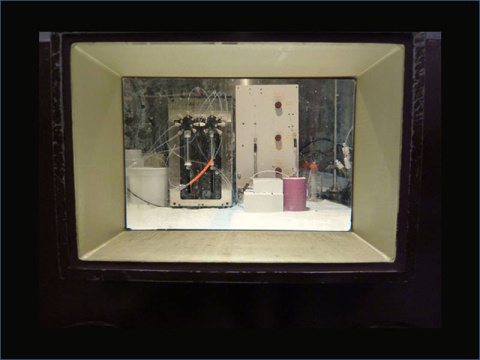
New method produces high-purity zirconium-89, a diagnostic radionuclide used to image cancerous tumors.
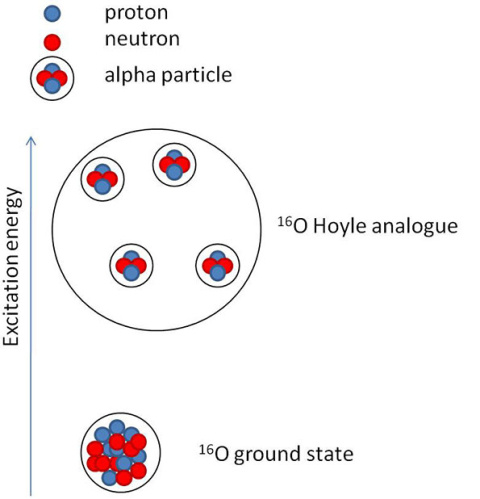
Yes. Such condensates, analogous to those in carbon-12, in heavier nuclei could change how we describe certain elements.
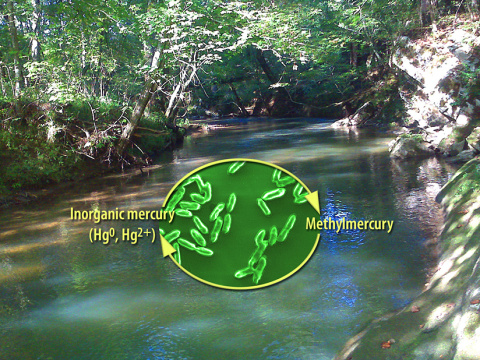
Mercury is a toxic element that occurs naturally and as an anthropogenic pollutant in the environment. The neurotoxin monomethylmercury (MMHg) is a
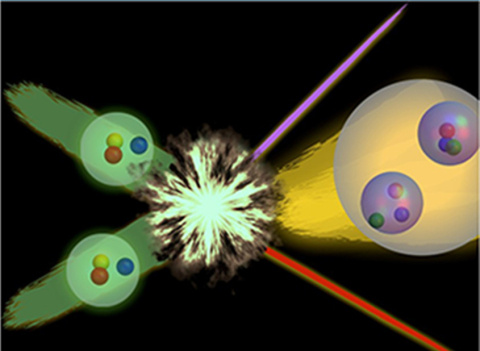
The Nuclear Physics with Lattice Quantum Chromodynamics Collaboration (NPLQCD), under the umbrella of the U.S. Quantum Chromodynamics Collaboration
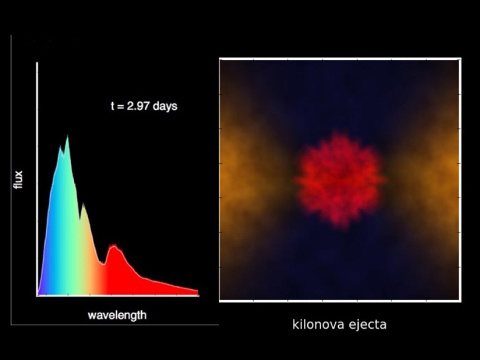
GW170817 was the first gravitational wave detection involving objects with masses typical of neutron stars. Gamma-rays from it were observed by the
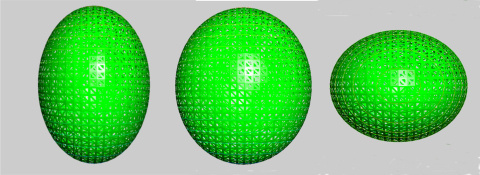
The research team devised a new way to study the shape of atomic nuclei using a particle accelerator and pure electromagnetic interactions. At

Up until now, the big story in characterizing the quark-gluon plasma is that it’s a hot fluid that expands explosively and flows easily. But
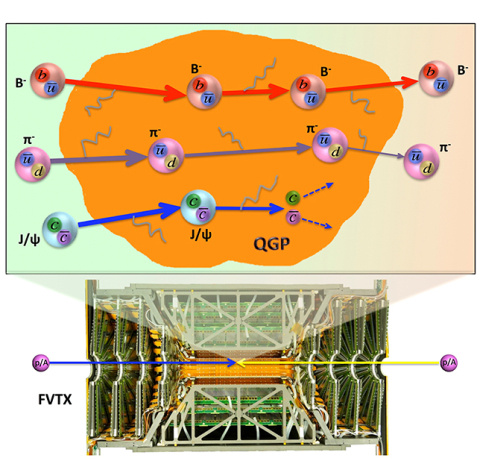
Quarks are the fundamental building blocks of matter and have family members with different masses. The up and down quarks, which make up neutrons
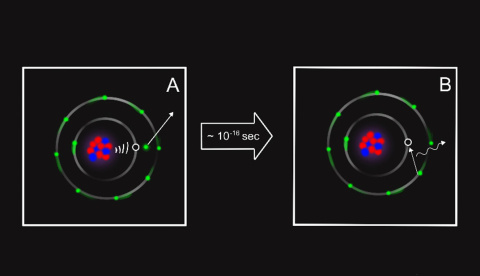
The probability of electron emission relative to that of gamma-ray emission is called the internal conversion coefficient (ICC). The new ICC
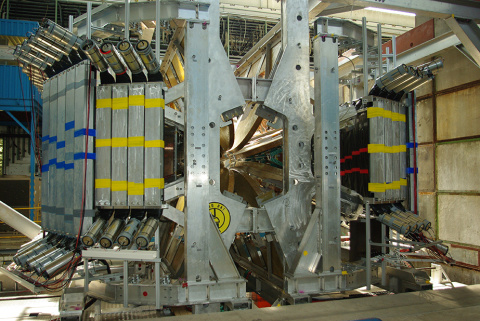
The OLYMPUS experiment was conceived at the Massachusetts Institute of Technology (MIT) in 2007 and carried out by an international collaboration