



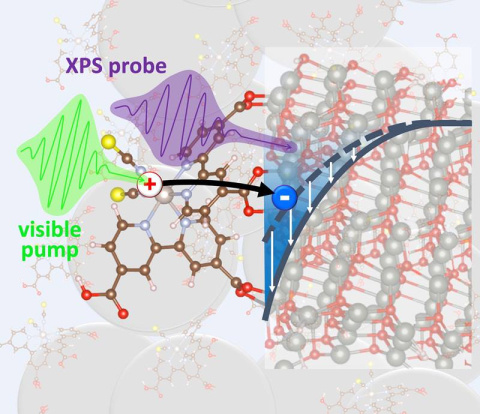
Monitoring photo-excited electrons in real time with nanometer sensitivity reveals strengths and weaknesses in a common light-harvesting material.

Researchers enable real-time adjustments to communication among three remote nodes in a quantum network.
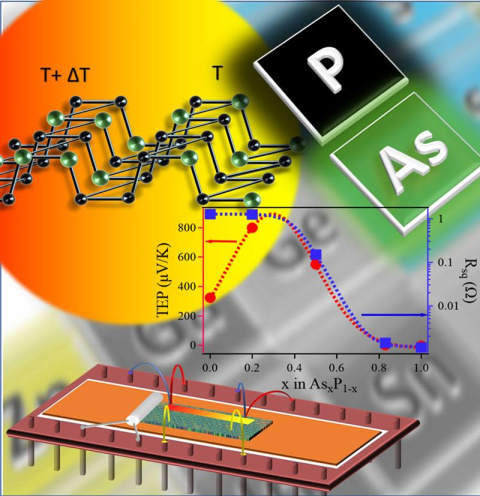
Arsenic doping dramatically improves the ability of black phosphorous to convert heat into electricity.
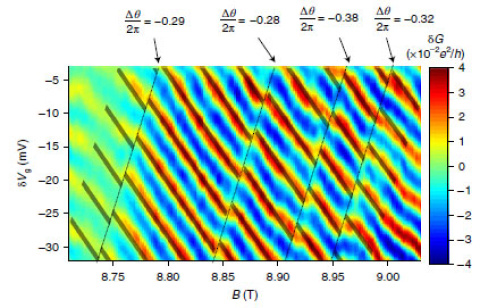
New experiment finds evidence of a collective behavior of electrons to form particle-like quantum objects called “anyons.”
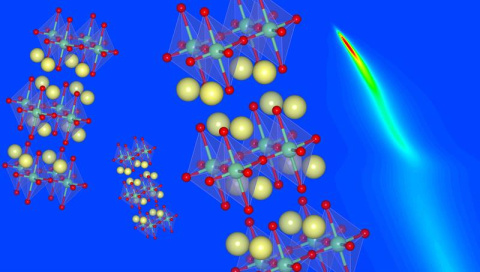
Physicists use the Summit supercomputer to better understand a family of superconductors.

Researchers have improved understanding of the photodissociation of pyruvic acid in the atmosphere.
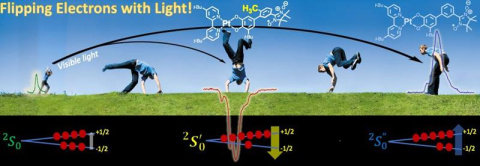
Molecular design and light can control electron spin, resulting in fast orientation of the spin direction relative to an applied magnetic field.
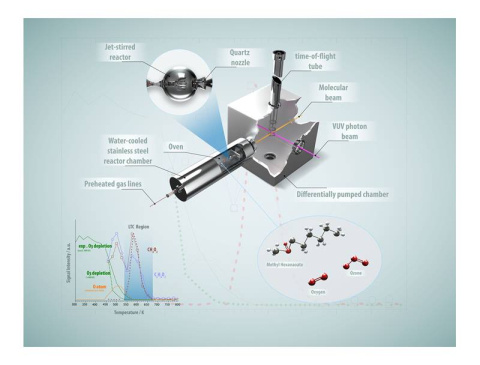
Ozone injection may lead to cleaner, more efficient internal combustion engines.
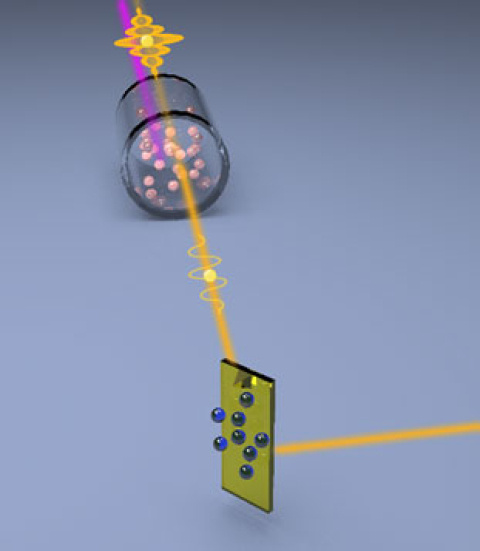
Scientists use quantum entangled light for a new form of microscopy able to detect signals normally hidden by quantum noise.
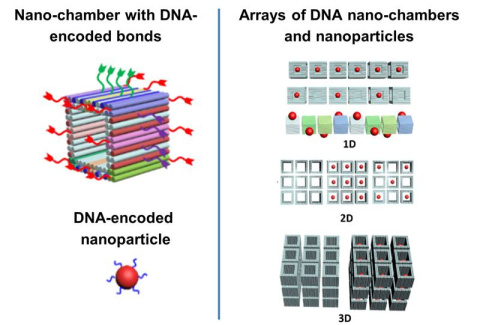
Researchers create DNA nano-chambers with bonds that can control the assembly of targeted nanoparticle structures.