



What is Wind Energy?
Wind turbines—once called windmills—collect kinetic energy produced by wind and convert it to electricity. Wind technology has advanced significantly over the past ten years, with the United States increasing its wind power capacity 30% year over year.
Wind energy is actually a byproduct of the sun. The sun’s uneven heating of the atmosphere, the earth’s irregular surfaces (mountains and valleys), and the planet's revolution around the sun all combine to create wind. As long as the sun heats the planet, wind will be in plentiful supply.
In addition, wind energy creates jobs in communities around the country. Currently, there are utility-scale wind plants in 41 states that have created more than 130,000 jobs for Americans, according to the 2025 United States Energy & Employment Report.
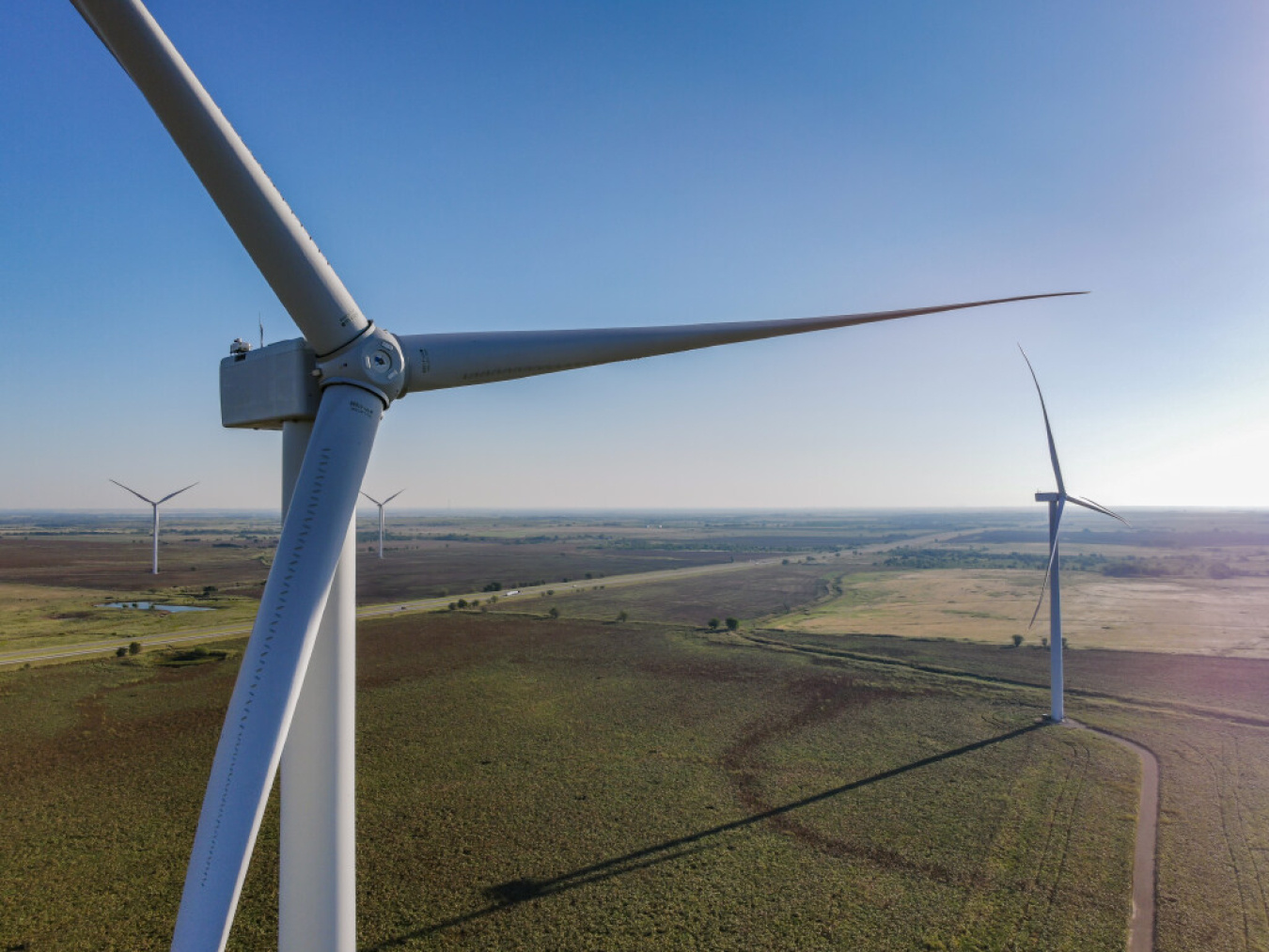
This aerial view of a wind turbine plant shows how a group of wind turbines can make electricity for the utility grid. The electricity is sent through transmission and distribution lines to homes, businesses, schools, and so on. Explore a Wind Turbine.
How Does Wind Energy Work?
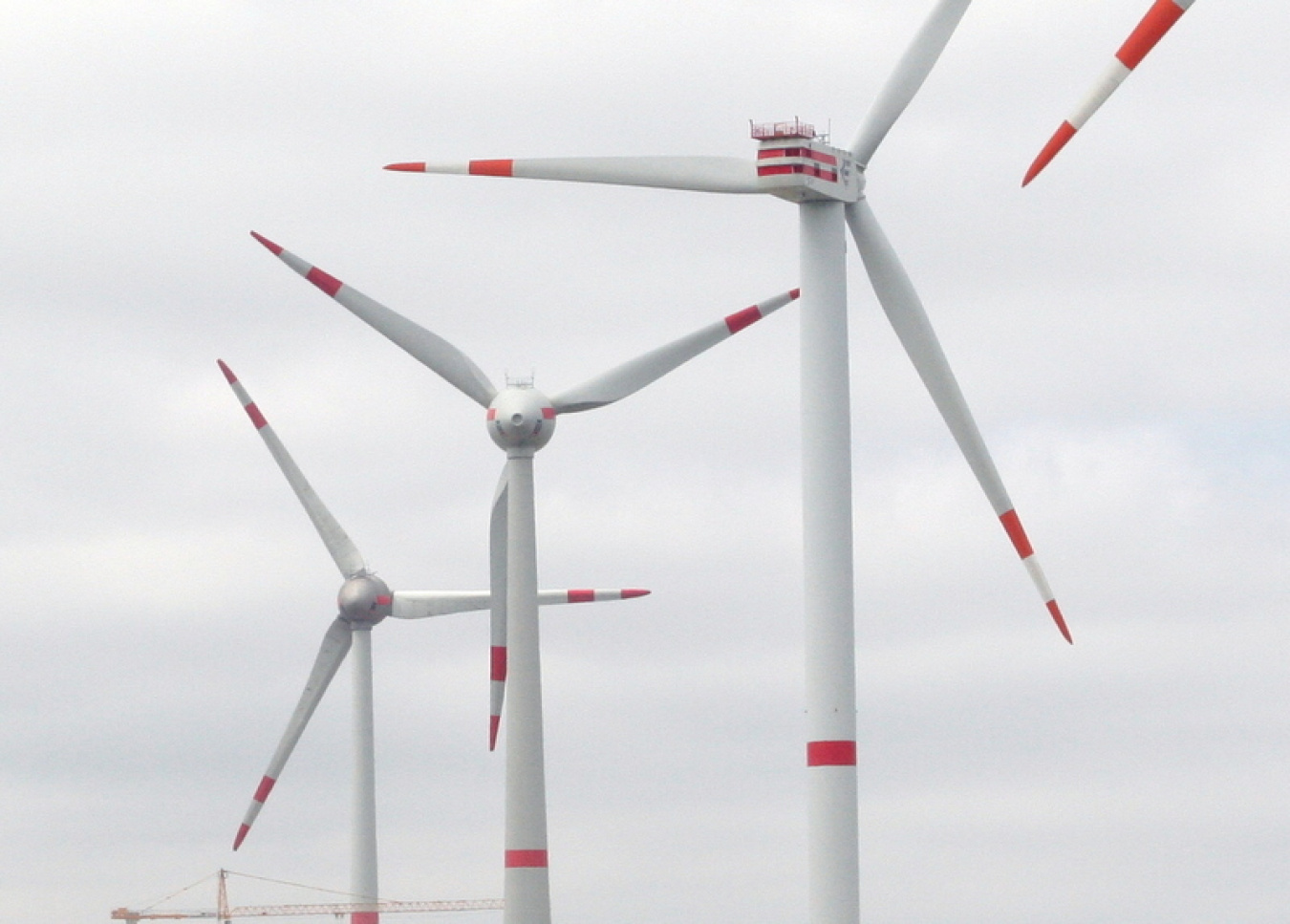
A wind turbine turns wind energy into electricity using the aerodynamic force from the rotor blades, which work like an airplane wing or helicopter rotor blade. When wind flows across the blade, the air pressure on one side of the blade decreases. The difference in air pressure across the two sides of the blade creates both lift and drag. The force of the lift is stronger than the drag and this causes the rotor to spin. The rotor connects to the generator, either directly (if it’s a direct drive turbine) or through a shaft and a series of gears (a gearbox) that speed up the rotation and allow for a physically smaller generator. This translation of aerodynamic force to rotation of a generator creates electricity.
History of Wind Energy
From windmills of the past to high-tech wind turbines of today, discover how wind power has advanced over the last two centuries. See the History of U.S. Wind Energy.
DOE Accomplishments in Wind Energy
The U.S. Department of Energy (DOE) has been integral to the advancement of wind energy in the United States. Below are a series of case studies that highlight DOE’s historic contributions to wind energy.
- Smart Transmission Tools Modernize America’s Power Grid
- Exploring Wind Energy’s Impacts on Wildlife
- Airfoils, Where the Turbine Meets the Wind
- How Wind Energy Became Integral to the Modern Grid
- Bends, Twists, and Flat Edges Change the Game for Wind Energy
- Modeling the Future of Wind Energy
- Public–Private Collaboration Paves the Way for Commercial Wind Power Growth
- From 1970s Pioneers to Today’s Wind Industry, Aerospace Researchers Championed Wind Energy
- International Agreements on Wind Energy Standards
- Blade and Drivetrain Testing Advance Wind Turbine Efficiency and Reliability