



NNSA’s Office of Congressional and Intergovernmental Affairs works with Congress, state, tribal, and local governments across the country to ensure successful delivery on President Trump's peace through strength agenda
National Nuclear Security Administration
January 29, 2026 Estimated Read Time min
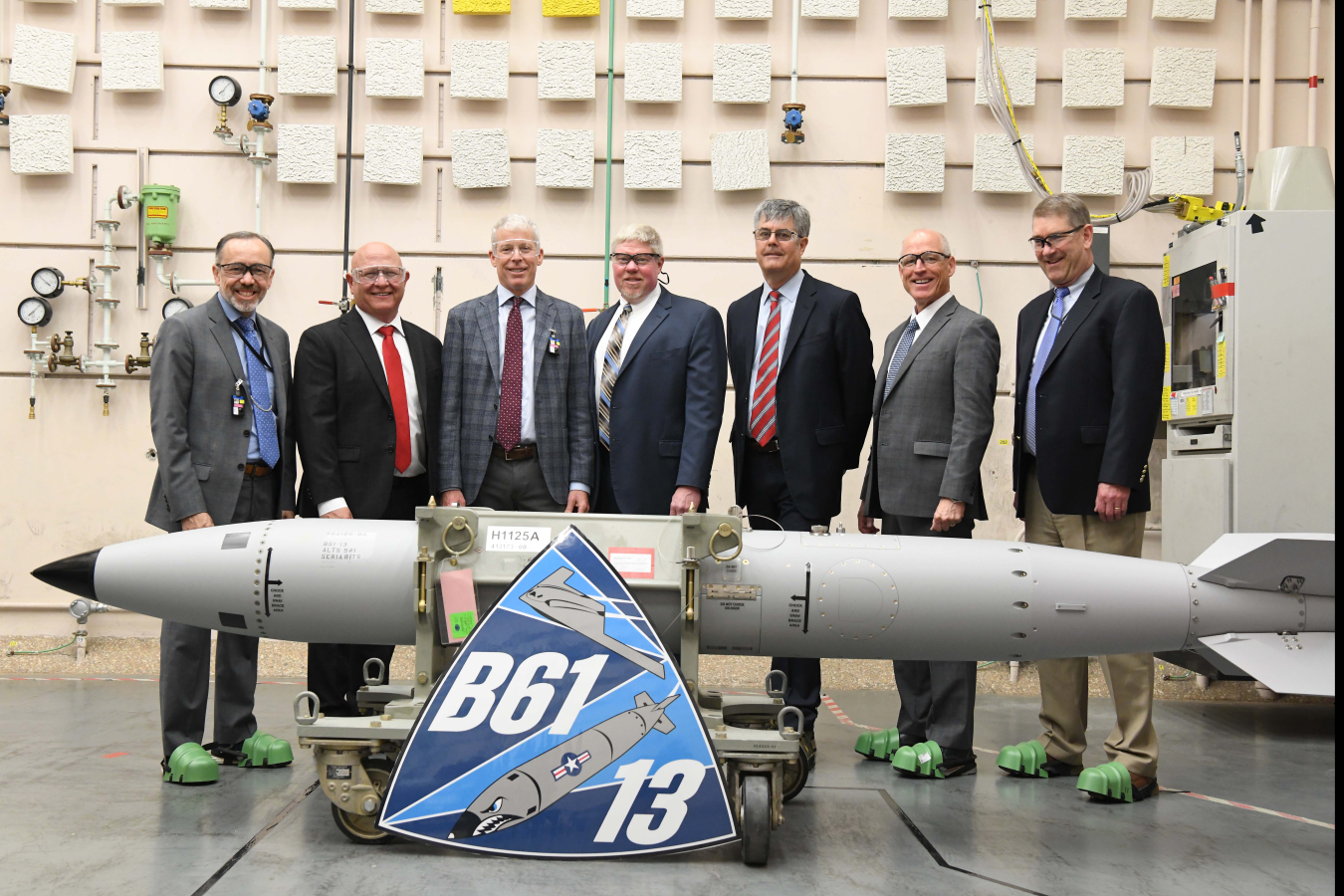
NNSA’s Office of Congressional and Intergovernmental Affairs (CI) plays a pivotal role in strengthening nuclear security. By fostering support for critical infrastructure development, reducing radiological risks, and safeguarding American communities, CI maintains the congressional, state, local, and tribal relationships essential for advancing NNSA’s missions.
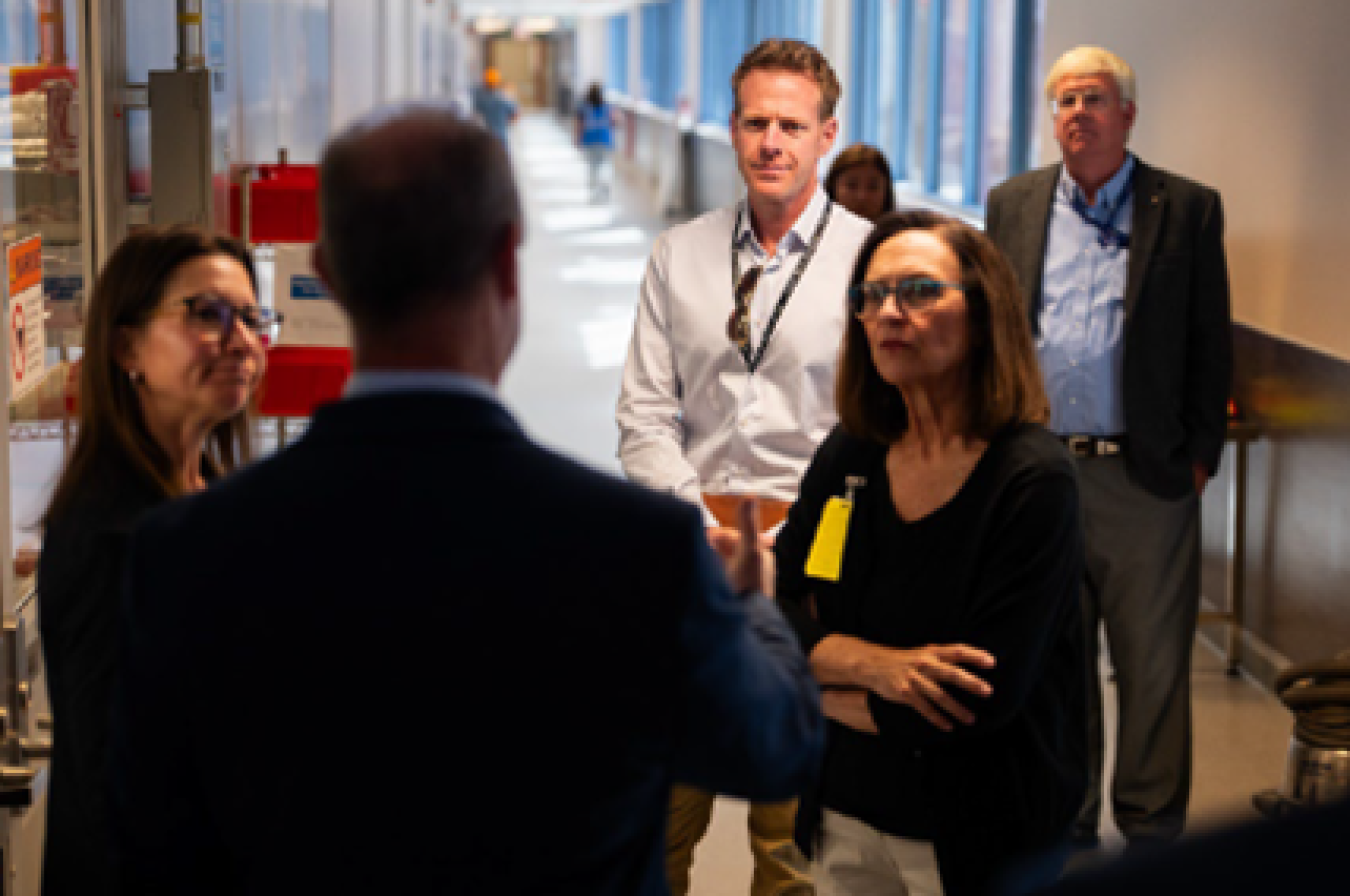
In 2025, NNSA advanced its commitment to reduce radiological risks, making substantial progress toward the 2027 cesium-137 irradiator replacement goal outlined in the 2019 National Defense Authorization Act (NDAA). The CI team collaborated with the Office of Radiological Security, engaging a broad spectrum of stakeholders from hospitals to state officials. This outreach helped facilitate the replacement of cesium-137 irradiators with safer alternatives, culminating in a major milestone for the Cesium Irradiator Elimination Program (CIRP): the complete removal of all such irradiators from Kansas, Iowa, Nevada, and Oklahoma, bringing the count to 12 U.S. states and territories, underscoring NNSA’s role in preventing “dirty bomb” proliferation and enhancing national security.
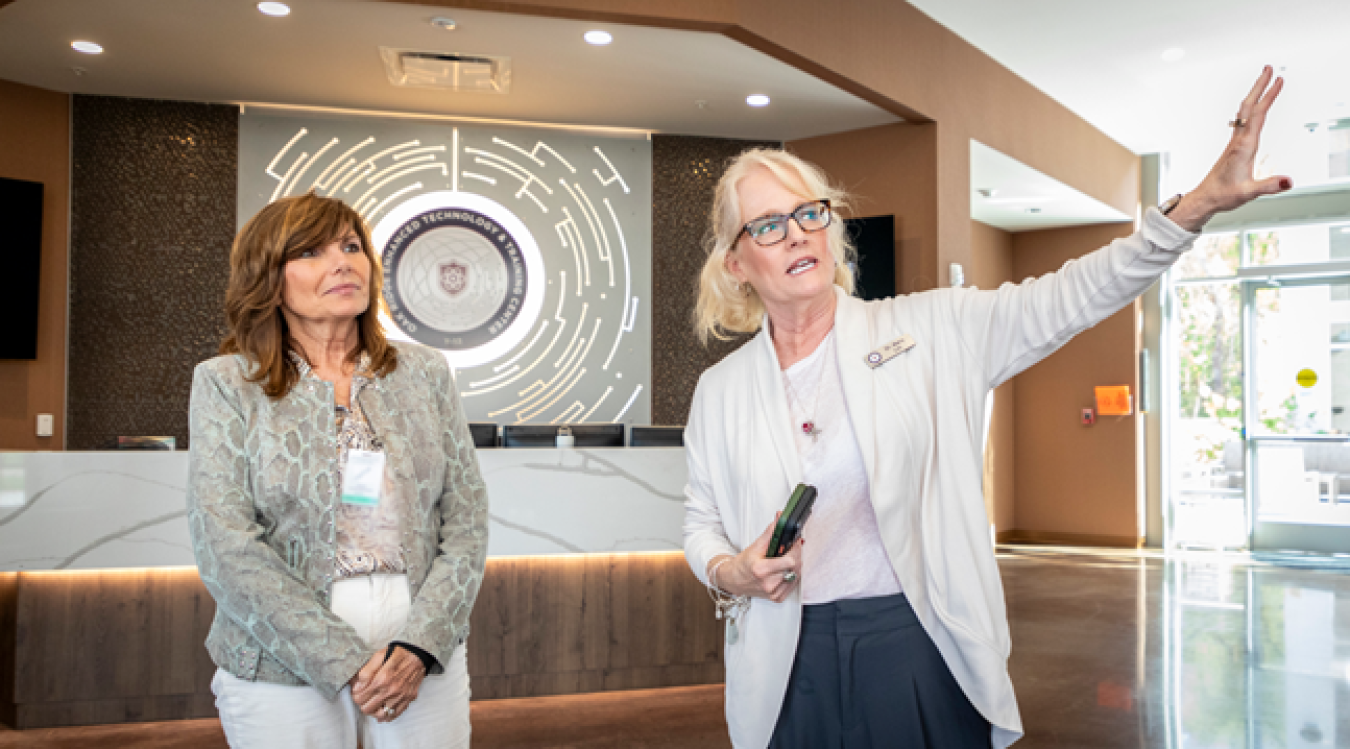
Beyond these efforts, CI also plays a crucial role in educating members of Congress about NNSA’s vital work and plays an instrumental role in advancing NNSA priorities through legislation.
President Trump signed the NDAA in December which contained several key authorizations: Section 3113 mandates a rapid capabilities program for agile threat response; Section 3114 expands Counter-Unmanned Aircraft Systems (also known as drones) authority to all NNSA sites, enhancing facility security; and Section 3127 classifies most NNSA positions as essential to national security. These directives provide clearer guidance, expanded capabilities, and enhanced oversight, empowering NNSA to continue safeguarding the nation.
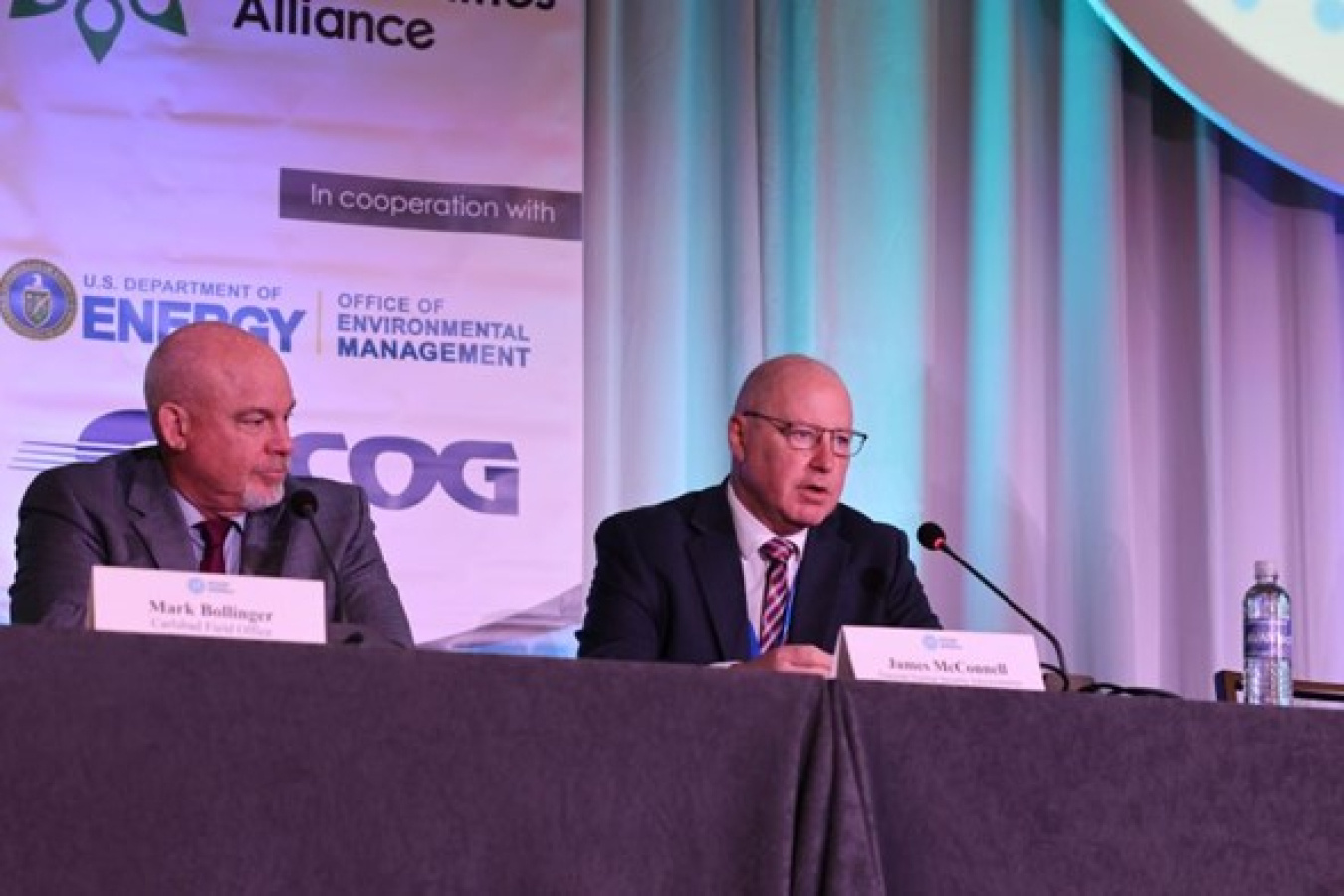
Beyond Capitol Hill, CI cultivates relationships with state and local stakeholders, tribal leaders, and communities adjacent to the Nuclear Security Enterprise. These engagements enhance NNSA's understanding of local economic, political, and environmental concerns. In 2025, the intergovernmental affairs team coordinated over 26 tribal briefings, consultations, and meetings; supported NNSA principals at six stakeholder events; and organized three public meetings: the Kansas City Community Stakeholder Event, the Savannah River Site AI Data Center Industry Day, and an Intergovernmental Organization Roundtable. They also conducted consultations for Site-Wide Environmental Impact Statements into early 2026 with several Pueblo communities, including Cochiti, Tesuque, San Ildefonso, Jemez, Santa Clara, Pojoaque, and San Felipe. These activities demonstrate a NNSA’s commitment to transparent and respectful engagement.
Looking ahead, CI remains dedicated to its engagement strategy, ensuring that NNSA's missions are understood and supported across all levels of government and in its communities. The office’s approach, rooted in collaboration and communication, is key to the future of the Nuclear Security Enterprise.