



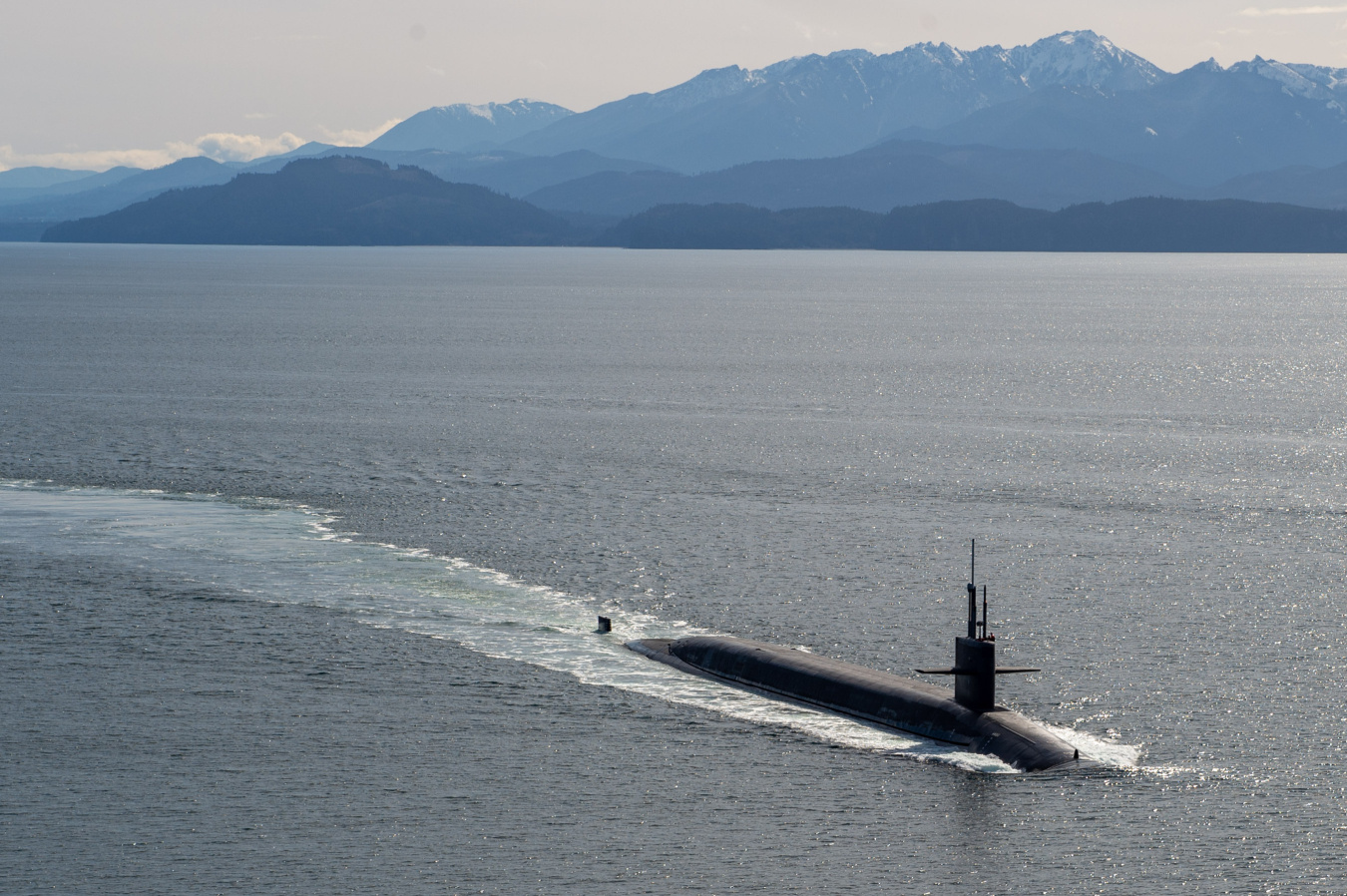
For more than 75 years, the U.S. Naval Nuclear Propulsion Program has powered maritime dominance -- harnessing the atom to safely, reliably, and affordably power a global fleet that enables unrivaled responsiveness, endurance, stealth, and warfighting capability. The U.S. Naval Nuclear Propulsion Program is a joint Department of Energy and Department of Navy organization overseeing all aspects of naval nuclear propulsion, including the design, development, and operational support required to provide a U.S. Navy fleet that dominates the maritime domain with unmatched power and propulsion.
The Naval Nuclear Propulsion Program provides a U.S. Navy fleet that dominates the maritime domain with unmatched power and propulsion. The mission is to harness the atom to safely, reliably, and affordably power a global fleet that enables unrivaled responsiveness, endurance, stealth, and warfighting capability. Meeting the mission requires the combination of fully trained U.S. Navy men and women with ships that excel in endurance, stealth, speed, and independence from supply chains.
Naval Reactors’ organic statutes, 10 U.S.C. § 6201 and 50 U.S.C. § 2406, codify Presidential Executive Order 12344 and set forth the total responsibility of Naval Reactors for all aspects of the Navy's nuclear propulsion, including research, design, construction, testing, operation, maintenance, and ultimate disposition of naval nuclear propulsion plants.
The Program's responsibility includes all related facilities, radiological controls, environmental safety, and health matters, as well as selection, training, and assignment of personnel. All of this work is accomplished by a lean network of dedicated research laboratories, nuclear-capable shipyards, equipment contractors and suppliers, and training facilities which are centrally controlled by a small headquarters staff. The Director of Naval Reactors also serves as a Deputy Administrator in NNSA.
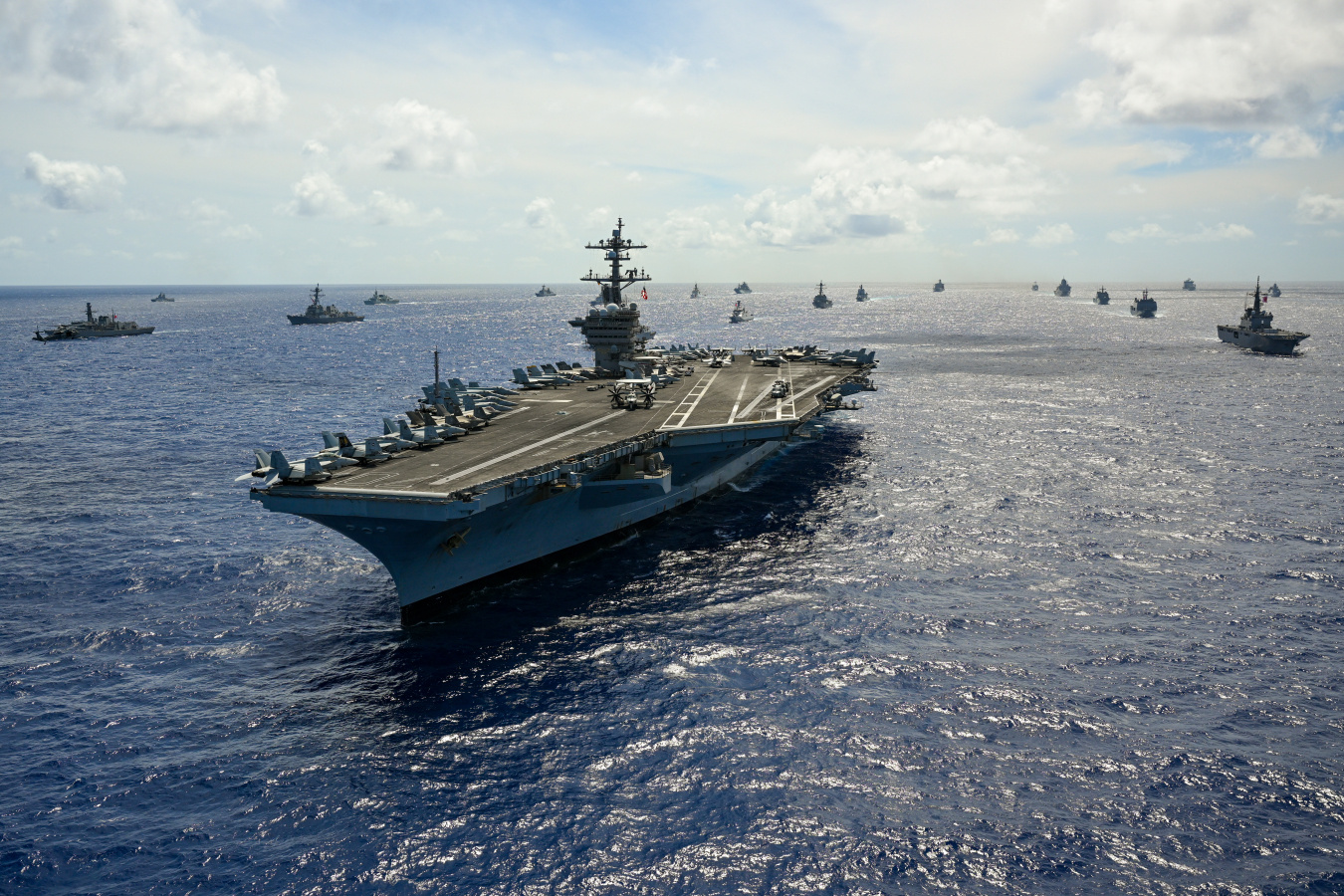
The Naval Nuclear Propulsion Program comprises the military and civilian personnel who design, build, operate, maintain, and manage the U.S. Navy's nuclear-powered ships and the many facilities that support the nuclear-powered naval fleet. The Program has cradle-to-grave responsibility for all naval nuclear propulsion matters.
Program responsibilities are delineated in Presidential Executive Order 12344 of February 1, 1982, and prescribed by Public Laws 98-525 of October 19, 1984 (42 USC 7158), and 106-65 of October 5, 1999 (50 USC 2406). Program elements include: the nuclear fleet; nuclear-capable shipyards; and all related facilities, including training facilities and schools, as well as dedicated laboratories and prime contractors.
The Naval Nuclear Laboratory (NNL) consists of four government-owned/contractor-operated sits supporting the Program:
- The government-owned/contractor-operated Bettis and Knolls Atomic Power Laboratories are research and engineering facilities devoted solely to naval nuclear propulsion work. With combined staffs of nearly 8,000 engineers, scientists, technicians, and support personnel, their mission is to develop the most advanced naval nuclear propulsion technology and to provide technical support for the continued safe, reliable operation of all existing naval reactors. Knolls Atomic Power Laboratory operates prototype nuclear propulsion plants in New York for the operational testing of new designs and promising new technologies under typical operating conditions before introducing them into the fleet. Both Bettis and Knoll offer postgraduate research opportunities through the Naval Nuclear Propulsion Fellowship Program.
- The government-owned/contractor-operated Naval Reactors Facility, located within the Idaho National Laboratory, examines naval spent nuclear fuel and irradiated test specimens. The data derived from these examinations are used to develop new technology and to improve the cost-effectiveness of existing designs.
- The combined efforts of the Program's research, development, and support labs have led to tremendous advances in naval reactor technology. For example, the first submarine core endurance was about 62,000 miles; today, submarine and aircraft carrier cores have an endurance of over 1 million miles.
Since the late 1950s, the Naval Nuclear Propulsion Program has had dedicated prime contractor support to provide engineering, procurement, and technical oversight of naval nuclear components. Currently, the prime contractor is Bechtel Plant Machinery, Inc. (BPMI), with locations in Pittsburgh, Pennsylvania, and Schenectady, New York. BPMI is involved in the design, purchase, quality control, and delivery of major propulsion plant components for installation in nuclear-powered aircraft carriers, submarines, and prototype plants.
A number of privately owned companies throughout the United States perform the actual design and fabrication of the major propulsion plant components. Manufacturing the heavy components used in naval reactors requires 4-8 years of precision machining, welding, grinding, heat treatment, and nondestructive testing of large specialty metal forgings, under carefully controlled conditions. Standards for naval applications are more rigorous and stringent than those required for civilian nuclear reactors because components on warships must be designed and built to accommodate battle shock; radiated noise limits; crew proximity to the reactor; and frequent, rapid changes in reactor power. Many of these equipment manufacturers have been supplying the Program for several decades.
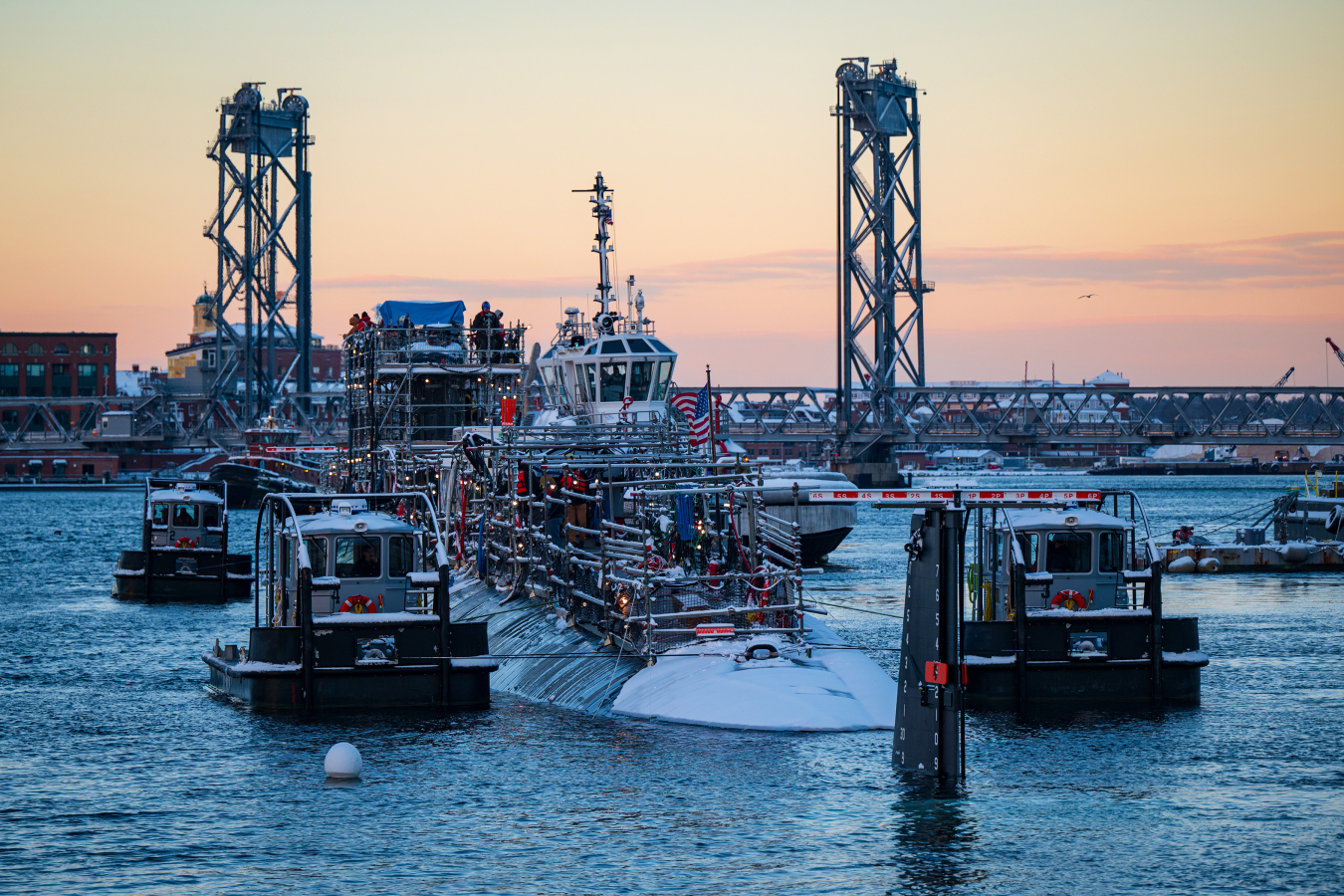
Two private shipyards build all U.S. nuclear-powered ships. These two shipyards, together with four public shipyards, provide the nation’s capability to overhaul, repair, refuel, inactivate, and nuclear-powered ships.
These complicated tasks require an experienced and skilled workforce specifically trained to do naval nuclear propulsion work. With approximately 70,000 employees, these six shipyards are unique industrial assets with capabilities found nowhere else in the United States.
Shipyard Sector Location Electric Boat Private Groton, Connecticut Norfolk Naval Shipyard Public Portsmouth, Virginia Newport News Shipbuilding Private Newport News, Virginia Pearl Harbor Naval Shipyard and Intermediate Maintenance Facility Public Pearl Harbor, Hawaii Portsmouth Naval Shipyard Public Kittery, Maine Puget Sound Naval Shipyard and Intermediate Maintenance Facility Public Bremerton, Washington Deployed tenders and support facilities at major bases perform maintenance and repair on nuclear-powered ships outside of major shipyard availability periods. Staffed by specially trained personnel, these facilities provide upkeep and resupply support for the fleet. The tenders are themselves seagoing naval vessels that routinely perform their missions while deployed all over the world. Thus, the ability of the nuclear-powered fleet to remain on station is further enhanced by our ability to forward-deploy repair and maintenance activities.
The Naval Nuclear Propulsion Program’s unique training requirements are met by special-purpose training facilities staffed by highly qualified instructors. These facilities include the Nuclear Field “A” School and the Nuclear Power School in Charleston, South Carolina; and moored training ships and land-based prototypes which provide hands-on training and ensure that before their first sea tour, all operators have qualified on an operating naval nuclear propulsion plant.
With the repeal of the Combat Exclusion Law in the 1994 Defense Authorization Act and the Navy decision to open combatant ships to women, the Program began accepting women into the training pipeline to be propulsion plant operators aboard nuclear-powered surface combatants.
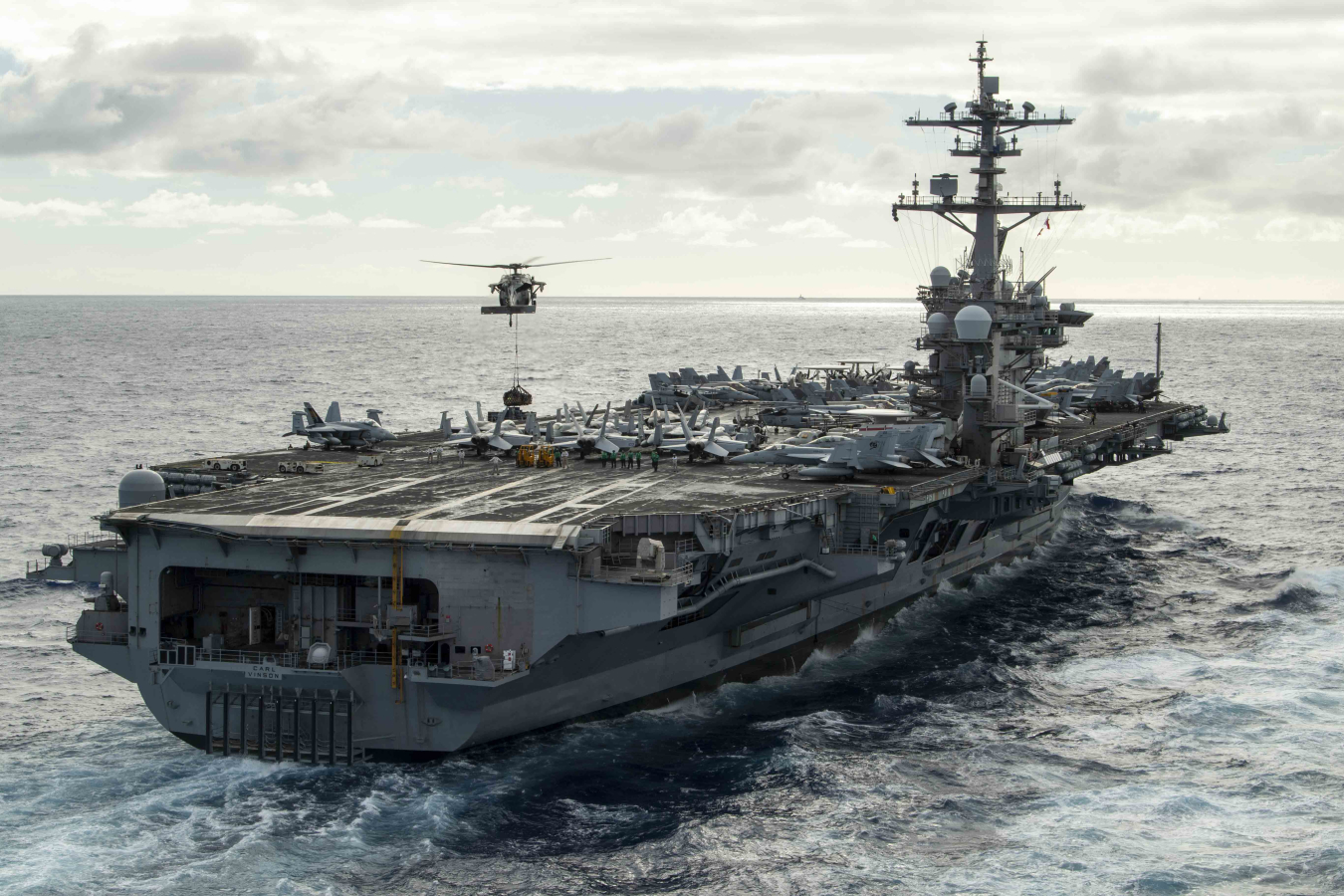
Naval Nuclear Propulsion Program Headquarters provides oversight and direction for all Program elements.
Because of the highly complex nature of nuclear technology, all major technical decisions regarding design, procurement, operations, maintenance, training, and logistics are made by a Headquarters staff with expertise in nuclear technology. Headquarters engineers set standards and specifications for all Program work, while onsite headquarters representatives monitor the work at the laboratories, prototypes, shipyards, and prime contractors.
Based on more than 75 years of engineering experience in nuclear propulsion, the headquarters organization exercises exacting control over all aspects of the Program, demanding technical excellence and unparalleled discipline.
The policy of the U.S. Naval Nuclear Propulsion Program is to reduce personnel exposure to ionizing radiation associated with naval nuclear propulsion plants to the lowest level reasonably achievable. In carrying out this policy, the Program has consistently maintained personnel radiation exposure standards more stringent than those in the civilian nuclear power industry or in other government nuclear programs.
No civilian or military personnel in the Naval Nuclear Propulsion Program have ever exceeded the federal lifetime radiation exposure limit or the federal annual limit in effect at the time. Since 1968, no personnel have exceeded 5 rem per year, which was the Program’s self-imposed limit until it became the federal limit in 1994. In recent years, the average annual radiation exposure for operators has dropped to about one-tenth of the average annual exposure a member of the American public receives from natural background radiation and medical sources.
The principles of personal responsibility, technical knowledge, rigorous training, and auditing have been applied to achieve the Program’s strong nuclear safety record. These same principles are also applied to Occupational Safety, Health, and Occupational Medical programs. Workers are provided comprehensive safety and health training, carefully engineered procedures, close supervision, and work-team backup. Oversight and feedback mechanisms provide a safer working environment, as witnessed at the Program's laboratories and prototype training facilities, where injury and illness incidence rates and lost workdays rates are about one-fourth of the rates of general industry.
Long before protection of the environment became a prevalent endeavor, it was a high priority in the Naval Nuclear Propulsion Program. From the beginning, the Program recognized that the environmental safety of operating U.S. nuclear-powered ships would be key to their acceptance at home and abroad.
The Program maintains the same rigorous attitude toward the control of radioactivity and protection of the environment as it does toward reactor design, testing, operation, and servicing. As a result, the Program has a well-documented record showing the absence of any adverse environmental effect from the operation of U.S. nuclear-powered warships. Because of this record, these ships are welcome in over 150 ports in more than 50 countries and dependencies, as well as in U.S. ports.
Environmental releases, both airborne and waterborne, are strictly controlled. As a result, the annual releases of long-lived gamma radioactivity from all Program activities are comparable to the annual releases from a typical U.S. commercial nuclear reactor operating in accordance with its NRC license. Throughout the Program’s history there has never been a reactor accident, nor any release of radioactivity that has had an adverse effect on human health or the quality of the environment. The Program’s standards and record surpass those of any other national or international nuclear program.
The Program has a comprehensive environmental monitoring program at each of its major installations and facilities, including nuclear-capable shipyards and the homeports of nuclear-powered ships. This monitoring program consists of analyzing water, sediment, air, and marine samples for radioactivity to verify that Program operations have not had an adverse effect on the environment. Independent surveys conducted by the EPA and by state and local governments confirm that U.S. naval nuclear-powered ships and support facilities have had no discernible effect on the radioactivity of the environment.
Ensuring proper environmental performance has also been a priority at Program Department of Energy facilities, which are responsible for non-nuclear as well as nuclear environmental matters. Regular inspection of the Program’s laboratory and prototype sites by the EPA and state officials in accordance with the Clean Air Act, the Resource Conservation and Recovery Act (RCRA), and the Clean Water Act, has shown no significant problems.
The Program’s stewardship of the environment does not end when a facility ceases operations. For example, the Program has successfully released three former shipyards for unrestricted future use with respect to Program radioactivity: Ingalls Shipbuilding’s radiological facilities in Pascagoula, Mississippi (1982), and the Charleston and Mare Island Naval Shipyards in South Carolina and California (1996). These facilities’ unrestricted releases from Program radiological controls were independently verified and agreed to by the respective states and EPA. The successful inactivation and closure of these radiological facilities demonstrates that the stringent control exercised by the Program since its inception has been successful in protecting human health and the environment.
In 2006, the Program commemorated the first-ever unrestricted release of a U.S. nuclear power reactor site, based on the absence of both chemical and radiological constituents. After operating for 34 years and training over 14,000 sailors, the Department of Energy S1C Prototype Reactor Site in Windsor, Connecticut, was returned to “green field” conditions. Program personnel and contractors worked in cooperation with the Connecticut Department of Environmental Protection, the EPA, the town of Windsor, and the public to complete this project.
Finally, the Program maintains its environmental responsibilities from “cradle to grave”—from nuclear-powered warship design to ultimate disposal. The U.S. Navy’s program to safely dispose of decommissioned nuclear-powered submarines and cruisers is an example. It involves defueling the reactor(s), inactivating the ship, removing the reactor compartment for land disposal, recycling the remainder of the vessel to the maximum extent practical, and disposing of the remaining non-recyclable materials. The spent nuclear fuel removed from nuclear-powered warships constitutes about 0.05 percent of all spent nuclear fuel in the United States today. Also, it is ruggedly designed to withstand combat conditions, and can be safely stored pending ultimate placement in a geologic repository.
Naval Reactors annual reports
Annual reports from NNSA's Office of Naval Reactors.