



Tribe Marks Latest Stepping Stone on Its Path to Energy Security and Sovereignty
Office of Indian Energy Policy and Programs
February 20, 2026 Estimated Read Time min
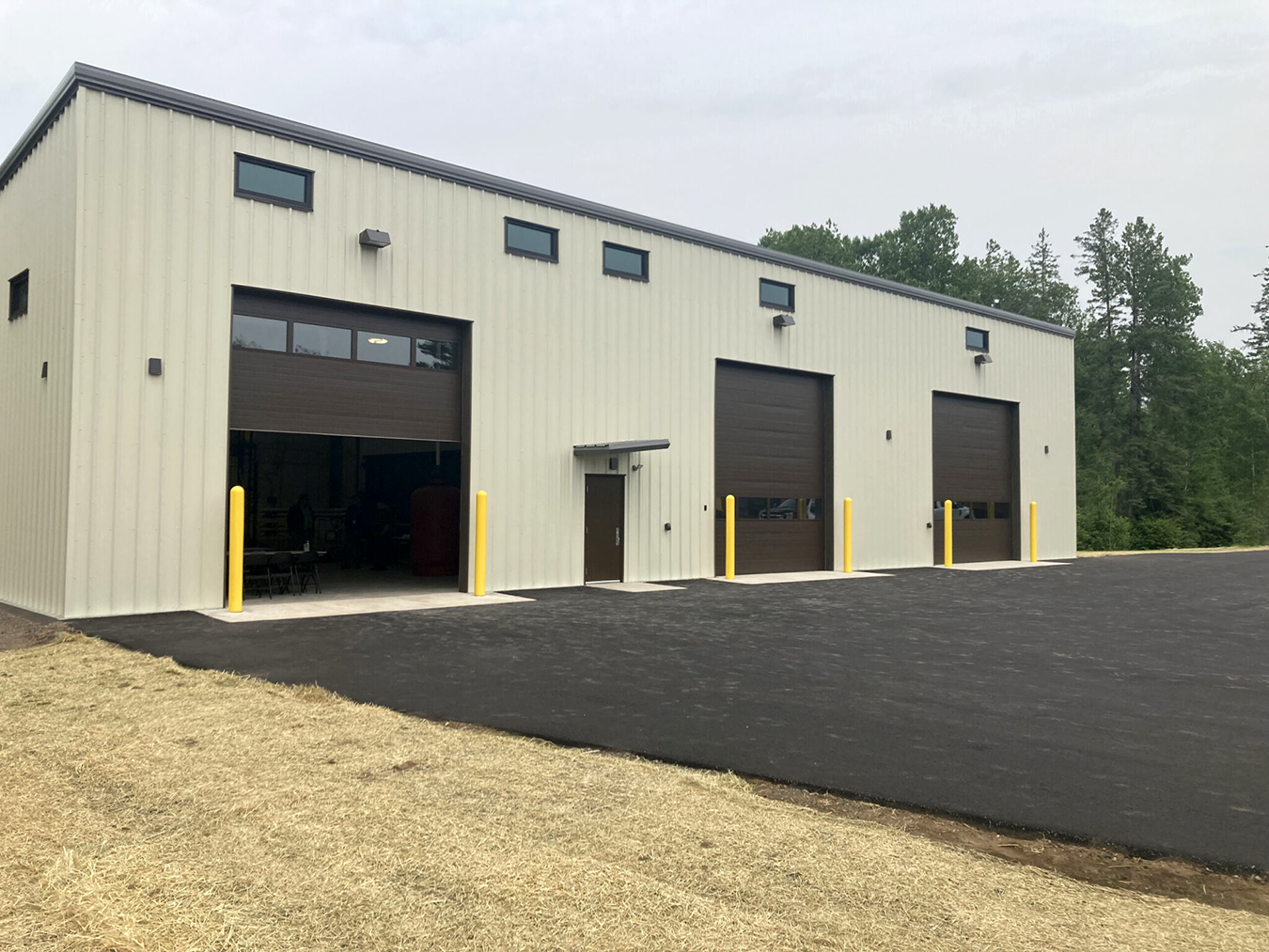
The Fond du Lac (FDL) Band of Lake Superior Chippewa has long relied on its vast forest resources for fuel to sustain its people through the frigid winters of the Upper Midwest. The Tribe’s newest biomass heating facility represents a next-level adaptation of that time-honored tradition.
The FDL Band’s heavily forested land base lies 25 miles southwest of Duluth, Minnesota, near where the St. Louis River empties into the coldest of the Great Lakes. In January, the coldest month on the FDL Reservation, the average low temperature is 2.5ºF—significantly below the U.S. average January low of 25ºF. And the winters are long and dark, driving a sustained high demand for heating.
Along with wood, propane has largely served that heating demand for a variety of cultural and practical reasons, from tradition and availability to resilience and sovereignty. But relying on propane to heat community buildings leaves the community vulnerable to supply disruptions, market volatility, and other impacts—risks the Tribe’s long-term strategic energy plan aims to avoid.
On June 12, 2025, the FDL Band unveiled the latest manifestation of that plan at a ribbon-cutting ceremony celebrating the grand opening of its $3.1 million Brookston Community Center Biomass Heating System. Funded in part by a $2,492,216 grant from the U.S. Department of Energy (DOE) Office of Indian Energy, this system is projected to save approximately $31,000 annually, improving energy affordability.
Using locally sourced hardwood as fuel, the system features automated fuel handling technology that feeds wood chips sourced from a regional forestry operation into the combustion chamber of the boiler, which heats water circulated throughout the 25,400-ft2 facility.
Tribe Leads Charge To Capture Far-Reaching Benefits
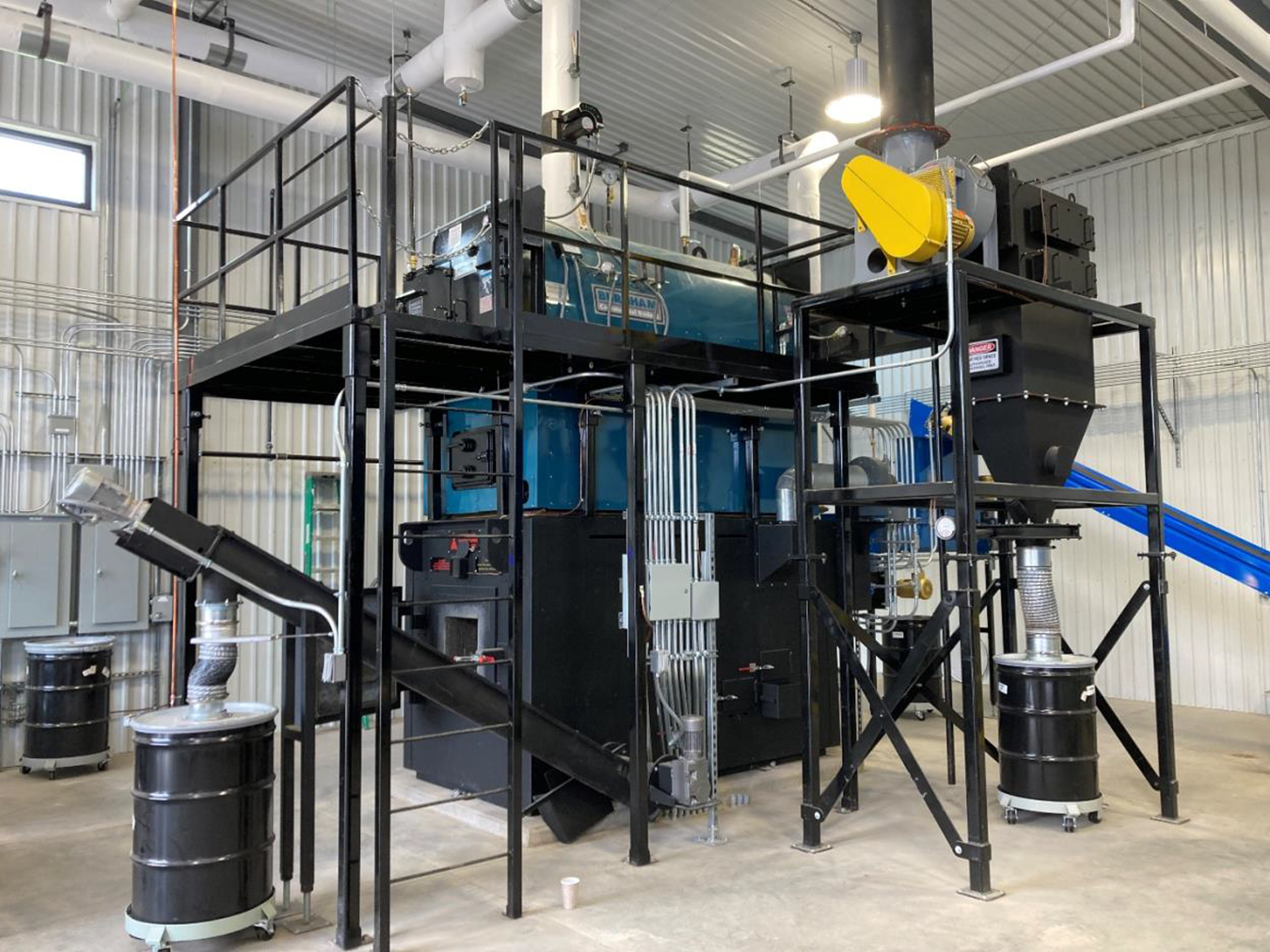
For the Brookston project, the FDL Band selected a commercially proven technology made in the United States, which complements an existing backup propane generator to ensure energy reliability during power outages.
The Band estimates that the new Brookston system will offset 16,442 gallons of propane used to heat the Brookston Community Center each year, cutting energy costs by more than $31,000 annually and saving millions over its expected lifetime.
“This is a win on every level: economic, environmental, and cultural,” said Bruno Zagar, FDL environmental specialist and energy projects manager. “We’re also investing in the people, the land, and the future.”
The Brookston facility was designed and built collaboratively by a cohort of Tribal leadership, engineers, and local contractors. Prior to receiving DOE funding, project development activities for the Brookston facility—including biomass resource assessments, engineering design, and Tribal utility formation—were funded through the Bureau of Indian Affairs Division of Energy and Mineral Development. Tribal staff oversaw the full development process, from design reviews to daily construction inspections. The project also provided Tribal members with construction jobs.
Visionary Goals Rooted in Respect for the Land
“This is truly a community-built facility, from engineering to boots-on-the-ground construction,” Zagar said. “It shows what’s possible when we invest in our own strengths.”
In addition to the two biomass heating systems installed to date, which together will save the FDL Band more than $56,000 annually, the Band previously installed multiple energy generation systems and implemented communitywide cost savings through building energy performance improvements. Together, these efforts have yielded annual savings of more than $1 million, which the Tribe has reinvested to advance community and economic development.
“Along with boosting energy affordability and reliability, this project creates the potential for other community benefits, maximizing the value to the Tribe in alignment with the Office of Indian Energy’s mission,” said Eric Mahroum, Director of the Office of Indian Energy.
The Band’s forestry staff procures woodchip fuel for the Brookston system from wood byproducts of Tribal timber sales and a local pallet manufacturing facility, supporting workforce and economic development. And the system’s design allows for future expansion to heat nearly 50 homes in the Band’s elderly housing complex.
“This isn’t just a building with a boiler,” said Zach Zuk, FDL senior construction project manager. “It’s a symbol of what’s possible when we lead with our values. It represents our capacity to innovate and honor our connection to the land at the same time.”