Video describes how performance contracting works and how the Federal Energy Management Program offers to help agencies move projects forward.
Federal Energy Management Program
December 4, 2025 Estimated Read Time min
Learn how federal agencies use performance contracting to save energy, reduce costs, and upgrade facilities with no upfront funding. In this video, Federal Energy Management Program (FEMP) experts explain how energy savings performance contracts work and how energy service companies identify improvements that are paid for through long term utility savings. It also provides a brief look at the guidance, tools, and technical assistance FEMP offers to help agencies move projects forward.
[MUSIC PLAYING]
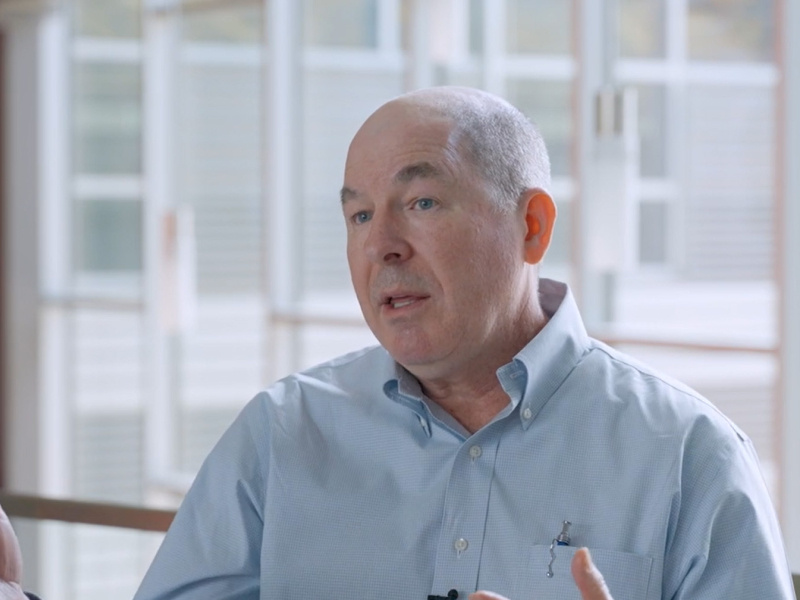
KURMIT ROCKWELL: So what is performance contracting? It's pretty simple. I mean, basically we partner with a utility, or an Energy Service Company, or ESCO we call them. And they come in, and under their nickel, they look at where to find the savings. They come and provide a proposal to upgrade facilities and get paid out of savings.
MARY SOTOS: So we work closely with the private sector, public-private partnerships to be able to bring expertise as well as third-party finance into agencies portfolios. So as FEMP, we help run the actual contracting vehicle for agencies to take advantage of these services, and we also provide technical assistance, a second set of eyes, analytical support to make sure agencies are making smart investments.
KURMIT ROCKWELL: Performance contracts are funded out of the savings generated by the energy and water conservation measures that are installed by your energy service providers.
PRIYA STILLER: The purpose of an ESPC is just energy and water cost savings, but there are other benefits associated with them. You can address deferred maintenance, resilience, and just other agency needs.
KURMIT ROCKWELL: A successful performance contract is measured by the energy and water cost savings that are generated to help pay for all the costs the ESCO expended. And a successful project will not only reduce costs to pay for the upgrades, it also creates jobs. There's excellent jobs in design and manufacturing jobs. There's requirements to purchase equipment made in America, the BAA requirement - Buy America Act.
And then for the long term, there's service agreements to make sure equipment is operating, it's optimized and running, and providing the savings, and it's persistent throughout the contract term, which can be up to 25 years.
PRIYA STILLER: ESPC's reduce your utility bill, and so agencies will cut their utility bill. A portion of that payment will go to the contractor. But after the ESPC is done, they will have a reduced utility bill.
KURMIT ROCKWELL: If you are on the fence about starting a performance contract, be confident that FEMP has really improved the program over the last two decades with our training, our technical resources, and guidances that you find online will help guide you through these projects to have successful financial projects that meet your needs.