



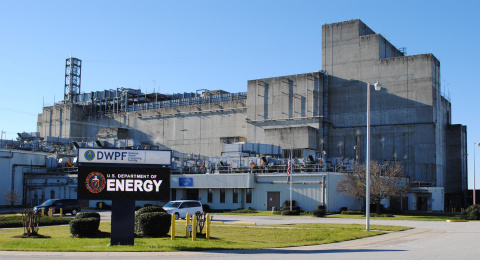
For the last 30 years, the waste vitrification plant at Savannah River Site has been transforming the nation’s most radioactive liquid material into a solid form safe for long term storage. March 10, 2026
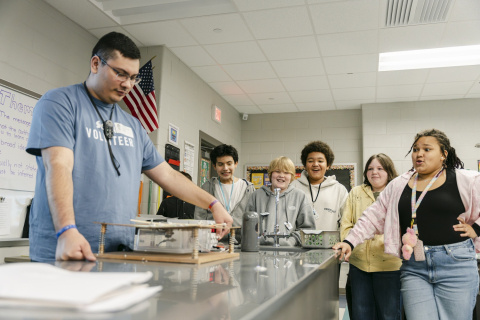
Fifty engineers from the Savannah River Site engaged over 2,600 students from area middle schools in hands-on activities during Discover Engineering week earlier this year, demonstrating how engineering shapes everyday life. March 10, 2026
The U.S. Department of Energy’s (DOE) Office of Environmental Management (EM) today announced the decision to restart HB-Line operations at the Savannah River Site (SRS) in South Carolina. Restarting HB-Line provides the capability to power America’s nuclear future by recycling surplus plutonium and partnering with industry to produce uranium-plutonium mixed oxide (MOX) fuel for advanced nuclear reactors. The facility is an integral part of H-Canyon, the only chemical separations facility of its kind in the United States.
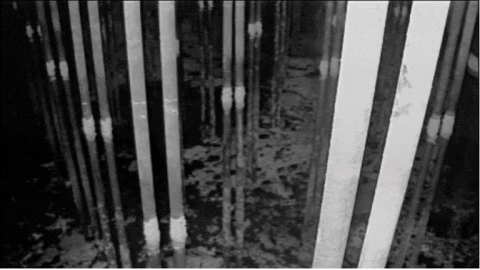
The U.S. Department of Energy Office of Environmental Management and its liquid waste contractor at the Savannah River Site are reconfiguring camera systems used to make inspections of waste tanks, diversion boxes and pump pits available in a matter of minutes. March 3, 2026
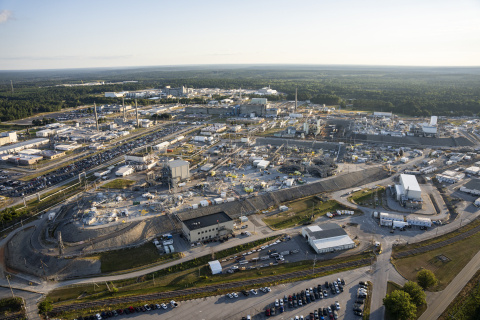
A record amount of radioactivity has been reduced in Savannah River Site legacy radioactive tank waste over the past four years. February 25, 2026
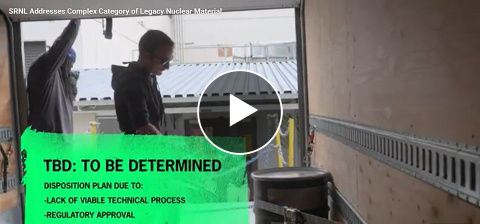
The U.S. Department of Energy keeps a detailed inventory of legacy nuclear materials housed across its complex, including disposition pathways for the materials. February 17, 2026
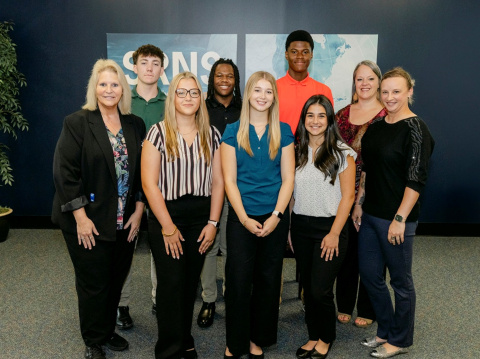
Six youth apprentices are making a meaningful impact this year as part of the Savannah River Site’s Youth Apprenticeship Program. February 17, 2026
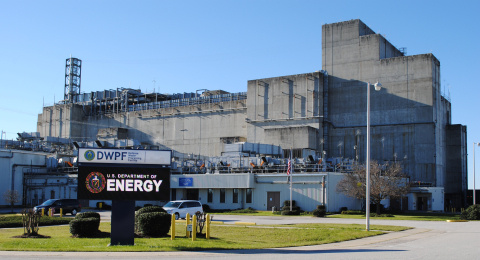
The U.S. Department of Energy Office of Environmental Management and its liquid waste contractor at Savannah River Site have implemented an agile, innovative toolset that expands near-term planning capabilities enabling optimized facility integration that improves the overall schedule for treating radioactive waste. February 17, 2026
Strengthening America’s Nuclear Energy Independence

Savannah River National Laboratory has appointed Roderick Jackson as associate laboratory director for the Science, Energy and Innovation Directorate. January 27, 2026