



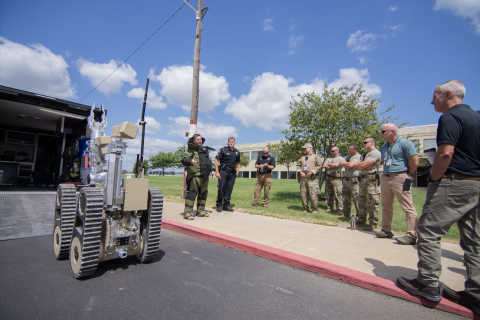
The Paducah Site is continuing its commitment to safety and security by bolstering collaboration with local law enforcement.
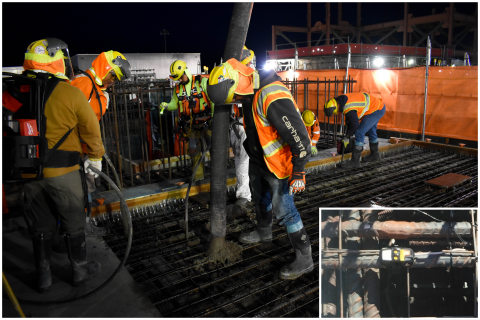
Construction crews recently created two concrete placements using new wireless temperature sensors at the Hanford Site Waste Treatment and Immobilization Plant’s High-Level Waste Facility.
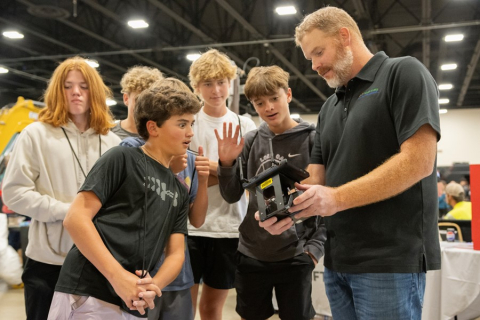
A study in the International Journal of STEM Education identified the importance of role models encouraging students to see themselves as capable of succeeding in science, technology, engineering and math career fields.

Engineers at the U.S. Department of Energy Office of Environmental Management Paducah Site are making strides in implementing new technology by using drones to survey the site’s sanitary landfill.
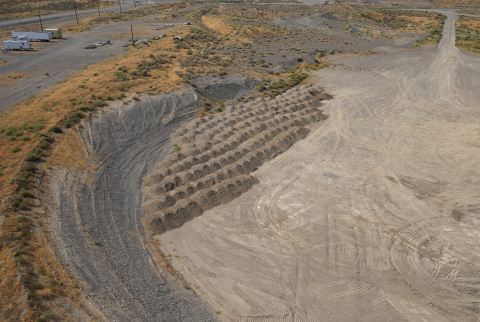
Stretching across 580 square miles in southeastern Washington, the U.S. Department of Energy Office of Environmental Management’s Hanford Site is home to natural resources like gravel rock and sand — essential materials for the site's ongoing construction and remediation efforts.
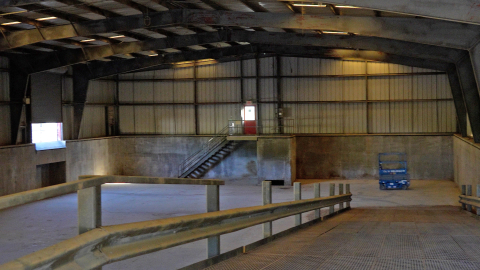
The Oak Ridge Office of Environmental Management and its contractors are seeking new and innovative methods to tackle the challenges involved with addressing aging, contaminated structures that date back to the Manhattan Project and Cold War.

A U.S. Department of Energy Office of Environmental Management contractor recently introduced an innovative, sustainable solution to the Savannah River Site by installing a solar-powered pump system to manage water that infiltrates underground valve pits.
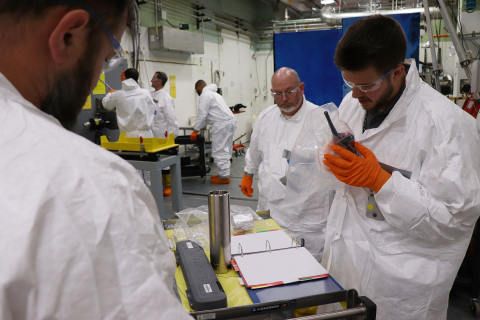
One of the Oak Ridge Office of Environmental Management’s highest priority cleanup projects continues to advance efforts to develop and make available a promising form of next generation cancer treatment.
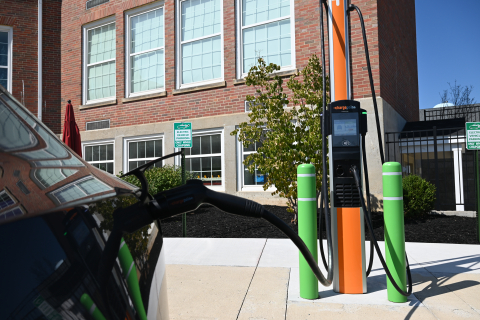
The U.S. Department of Energy Office of Environmental Management’s Portsmouth Paducah Project Office recently installed Pike County’s first publicly available electric vehicle charging stations using DOE grant funding received as part of the Green Fleet Award.
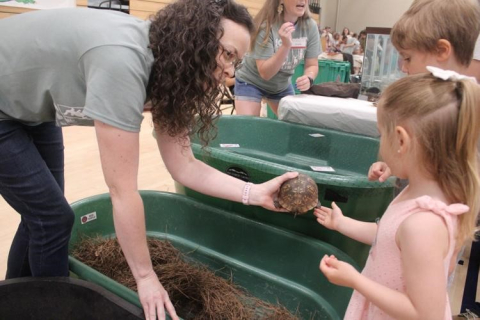
The University of Georgia’s Savannah River Ecology Laboratory recently hosted its annual community engagement event, where more than 1,700 area residents engaged with research conducted by the laboratory’s researchers, staff and graduate students on the Savannah River Site.