



Idaho Cleanup Project efforts have improved the water quality of the Snake River Plain Aquifer for over 35 years. January 20, 2026
Office of Environmental Management
January 20, 2026 Estimated Read Time min
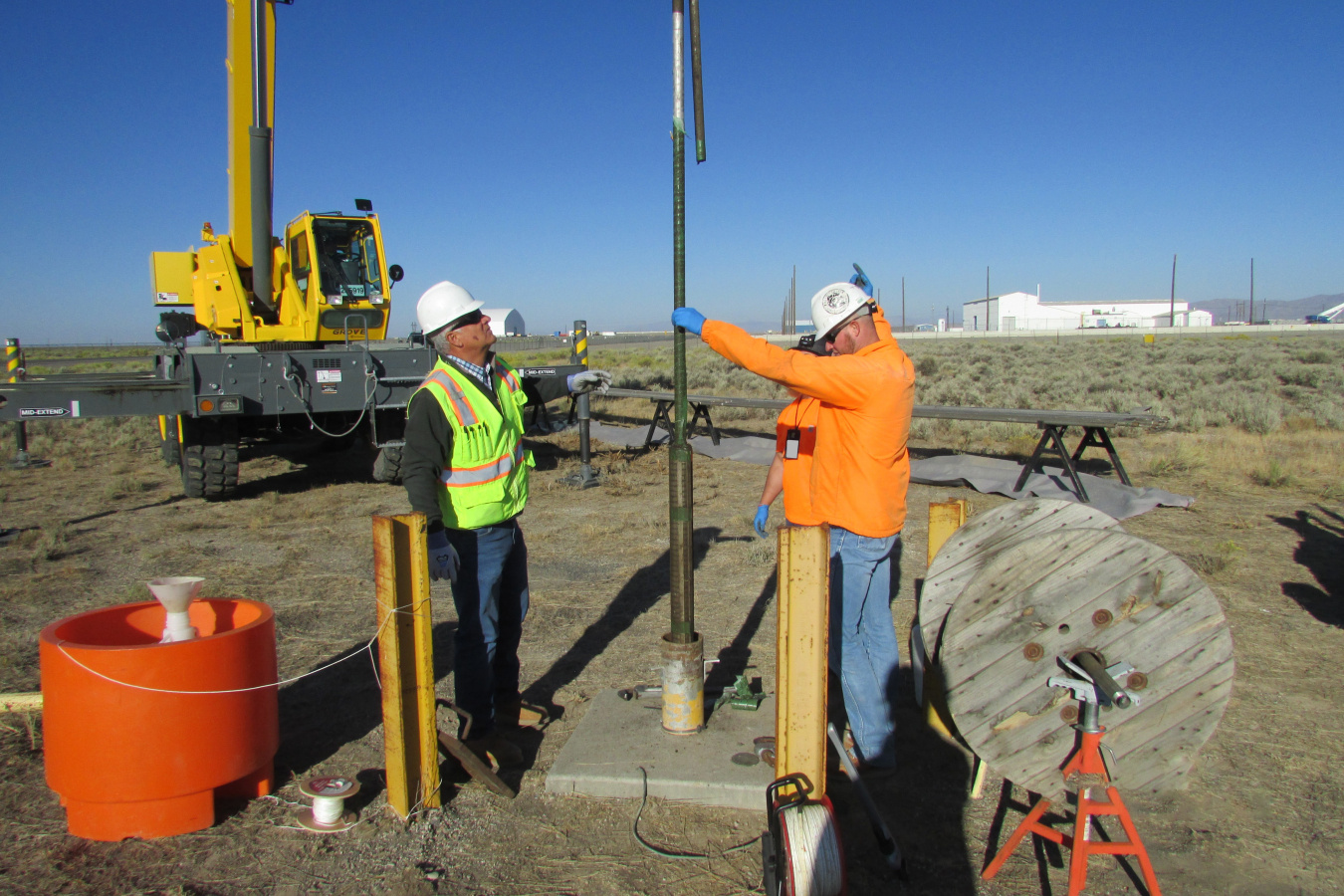
Dan Smith, left, Groundwater Sampling lead for cleanup contractor Idaho Environmental Coalition (IEC) at the Idaho Cleanup Project, and Hayden Lambert, IEC Waste Operations equipment operator, are shown replacing a pump in a groundwater monitoring well at the Idaho National Laboratory Site.
IDAHO FALLS, Idaho — Idaho Cleanup Project (ICP) efforts have improved the water quality of the Snake River Plain Aquifer for over 35 years.
The U.S. Department of Energy Office of Environmental Management and its contractors have been diligent about groundwater monitoring, helping ensure the aquifer’s continued protection.
Dan Smith is the Environmental Services – Groundwater Sampling lead with contractor Idaho Environmental Coalition (IEC). He has worked in ICP environmental programs for 35 years and has seen the cleanup progress firsthand.
Smith routinely travels much of the 890-square-mile Idaho National Laboratory (INL) Site while performing his work scope. Environmental Services teams conduct groundwater sampling, water level measurement, well maintenance and other activities. Crews took about 72,500 groundwater samples from April 1991 through October. IEC currently monitors 228 wells across the INL Site.
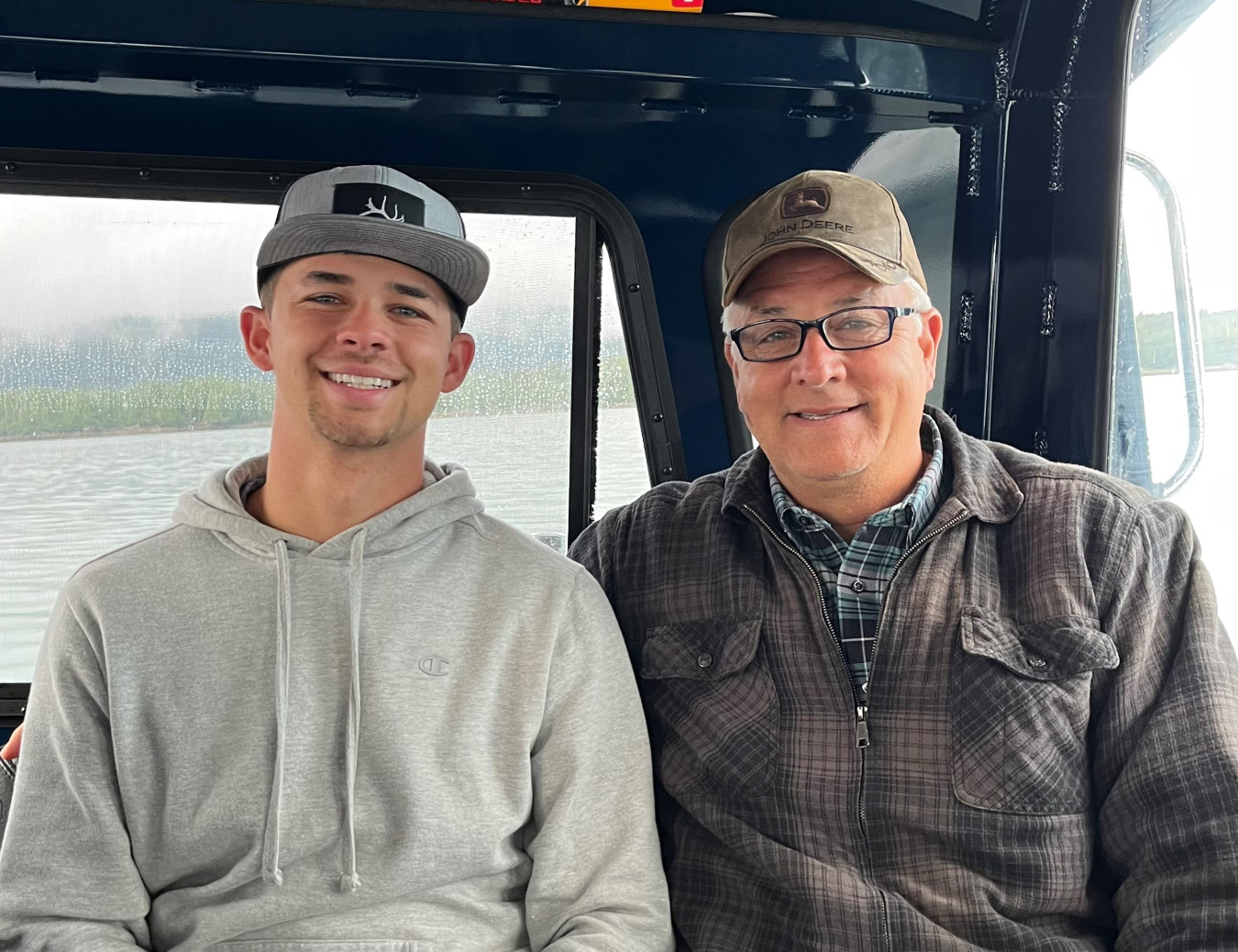
Dan Smith, right, Groundwater Sampling lead for cleanup contractor Idaho Environmental Coalition at the Idaho Cleanup Project, and Kolter Smith, his son, enjoy the outdoors together.
Smith shared insight from his time in ICP environmental programs in a Q&A with EM Update:
How have you seen cleanup work progress over your time on the ICP?
For most waste area groups, remedial actions have been completed, and the only ongoing sampling activity is monitoring. As monitoring continues, wells and specific chemical constituents, such as metals, organic solvents, radionuclides, etc. are often removed from the monitoring plan as contaminant trends decline. For instance, if previous contaminants of concern are well below the maximum contaminant levels or are no longer detected, sampling frequencies are reduced.
What are some of your favorite things about the area you live in and your job?
This western United States area we live in offers us so many outdoor opportunities and adventures, be it hunting, camping, boating, hiking, floating rivers, and of course fishing. My wife and I are very fortunate to have two boys to share these experiences with. As for my job, I get to see all the seasonal changes the INL has to offer. When we receive enough snow, the Big Lost River flows on the site; when spring and early summer is wet enough, flowers bloom across the site. All year long this INL desert has a menagerie of wildlife living on it.
What is the best advice you have been given about working in your field?
Enjoy what you do. Life is way too short not to enjoy your work.
Is there anything else you’d like to share?
It doesn’t matter where I have been or what facility we are in. There are a tremendous number of outstanding people I have been very privileged to work with. I would like to say to all my co-workers in environmental services and site-wide, a very sincere “Thank you.”
-Contributor: Leamarie Mitchell
To receive the latest news and updates about the Office of Environmental Management, submit your e-mail address.