



Marine energy uses natural energy from moving water to produce renewable power. This energy can come from waves, tides, and river or ocean currents. The power coursing through oceans and rivers could meet nearly 60% of the United States’ total electricity needs. Even if only a small portion of the energy from these waterways is harvested, marine energy could still make significant contributions to the nation’s energy needs and provide millions of Americans with locally-sourced, reliable, and affordable energy.
Marine energy also offers opportunities to provide energy to remote and island communities and to power ocean-based industries such as ocean observation technology and desalination devices.
To maximize the potential of marine energy, the Hydropower and Hydrokinetic Office's (H2O's) Marine Energy Program conducts research and development and supports demonstration efforts to advance the development of cost-effective marine energy technologies and reduce barriers to testing these devices. The program comprises four core R&D activity areas that follow a strategic approach to addressing the challenges facing U.S. marine energy stakeholders:
2) Technology-Specific System Design & Validation
Featured Work
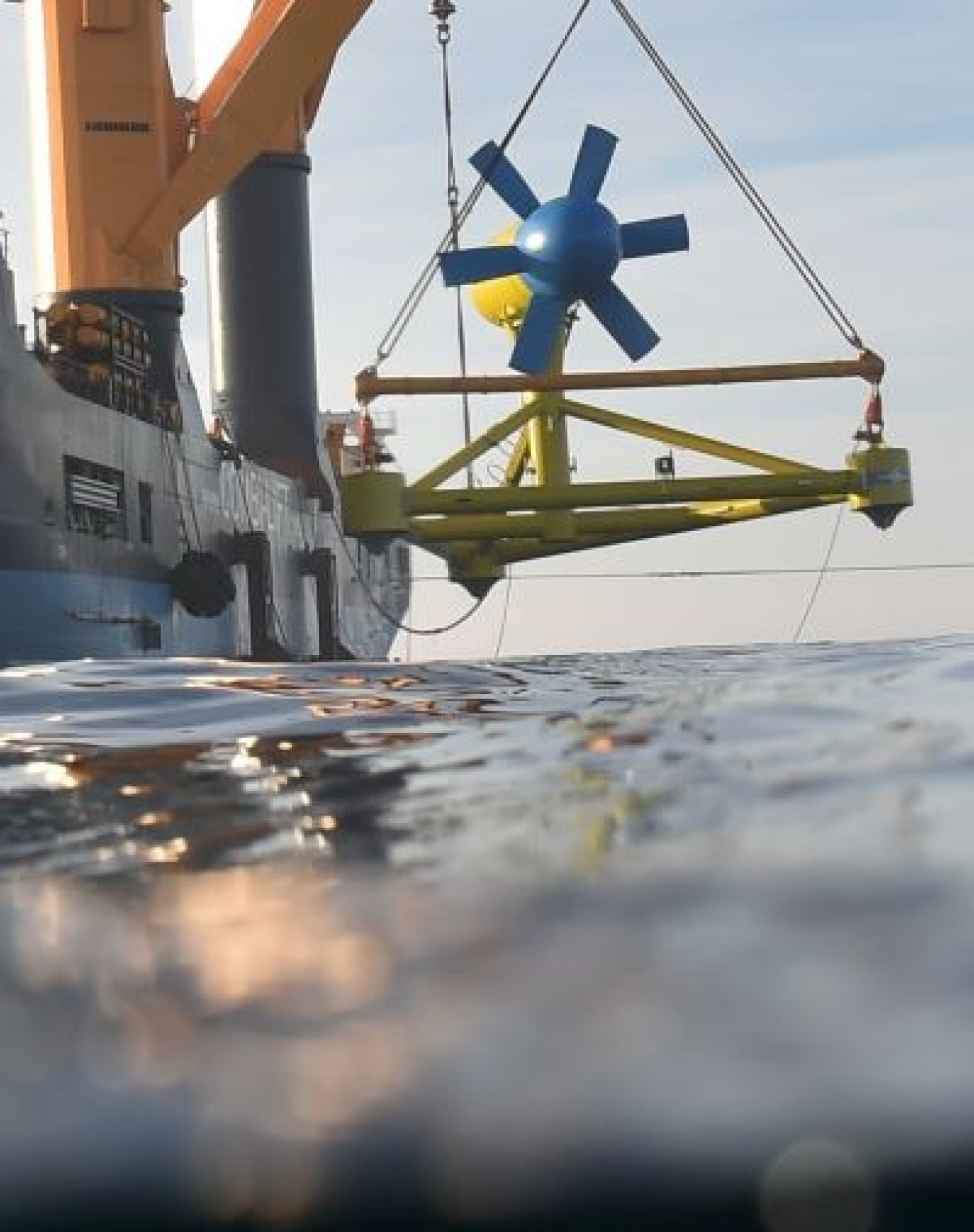
PRIMRE
The Portal and Repository for Information on Marine Renewable Energy (PRIMRE) is a network of knowledge hubs that provides information on engineering and technologies, resource characterization, device performance, and the environmental effects of marine energy projects.
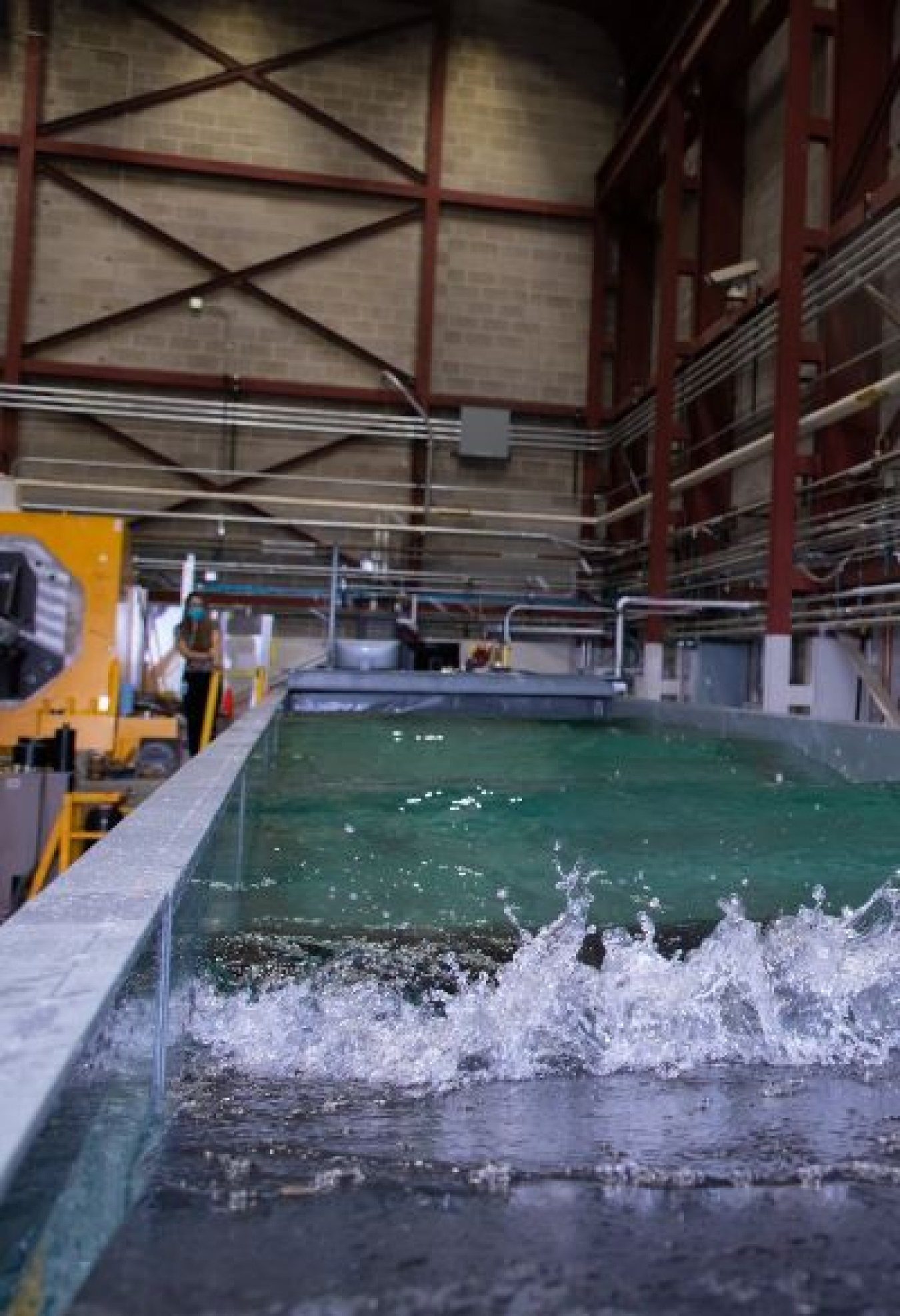
TEAMER
The Testing Expertise and Access for Marine Energy Research (TEAMER) program is designed to provide marine energy technology developers and researchers with access to U.S.-based test facilities and technical expertise.
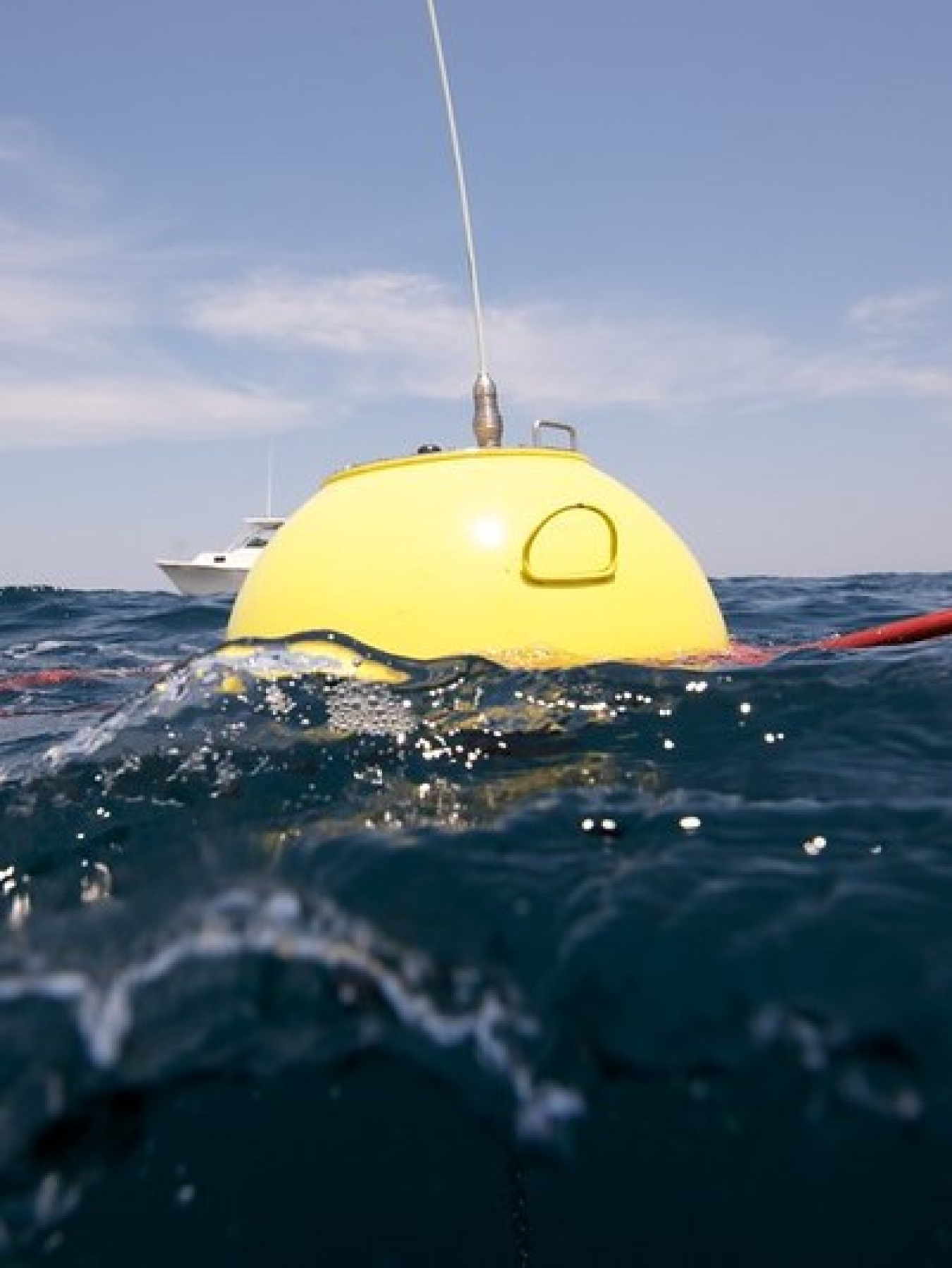
Marine Energy Collegiate Competition
The Marine Energy Collegiate Competition challenges multidisciplinary collegiate teams to design solutions that can help power sectors in the blue economy, offering students hands-on experience in the marine energy sector.
Marine Energy News
Marine Energy Images
Check out H2O's marine energy image library to learn more about marine energy technologies.
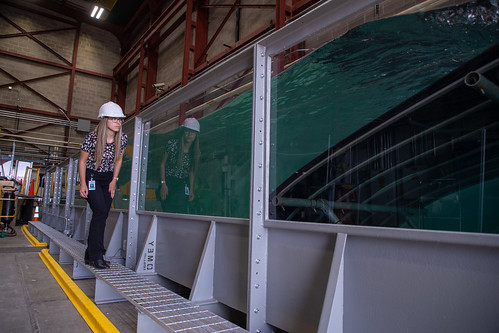
Marine Energy Newsletters
To stay up to date on the latest marine energy news and funding opportunities, subscribe to H2O's Water Wire newsletter for the latest water power-related news, events, funding opportunities and more.