



What Are Hydrothermal Resources?
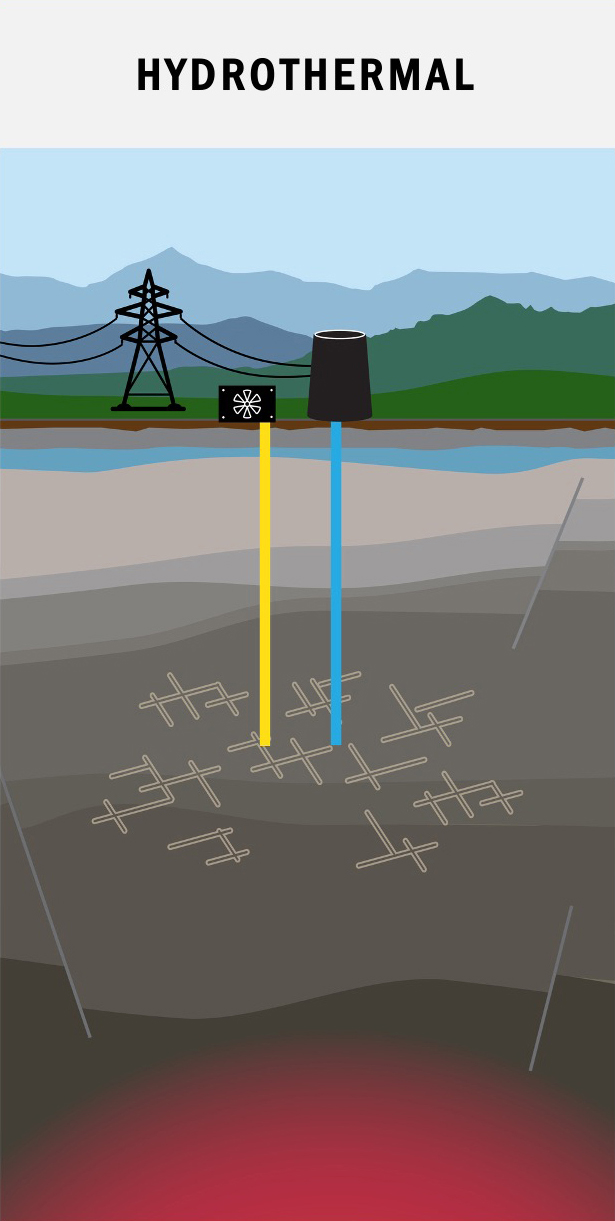
The natural formation of a hydrothermal resource requires three principal elements: heat, water, and permeability. When water is heated in the earth, hot water or steam is trapped in porous and fractured rocks beneath a layer of relatively impermeable caprock, resulting in the formation of a hydrothermal reservoir.
If the conditions underground are right, humans can harness that geothermal hot water or steam by drilling and then bring it to the surface to generate electricity. These types of geothermal systems typically occur close to tectonic plate boundaries, like in the western portions of the United States. Sometimes the resource is easy to find because of indicators on the surface like hot springs. Other times, conventional geothermal resources are “hidden,” with no signs of the underground reservoir on the surface.
Hydrothermal resources are considered conventional geothermal resources because they can be developed using existing technologies and do not require creation of human-made reservoirs as needed with enhanced geothermal systems.
To learn more, view Geothermal Basics, Geothermal Electricity Generation, Geothermal FAQs, and the Lithium Storymap.
Office of Geothermal Research on Hydrothermal Resources
Looking for and accessing hydrothermal resources—even those with surface expressions—can be challenging and expensive. The Office of Geothermal (OG) funds research, development, and demonstration of tools and methodologies to reduce the costs and risks of exploring and drilling for hydrothermal resources.
OG’s hydrothermal resources efforts focus on improving geothermal exploration, subsurface characterization, and drilling to reduce overall geothermal deployment costs, as well as researching value-added activities, such as the extraction of valuable critical materials like lithium from geothermal fluids.
View OG's funding opportunities.
Initiatives
Regional Partnerships for Geothermal Data
Past Initiatives
Geothermal Lithium Extraction Prize
Drilling Demonstrations
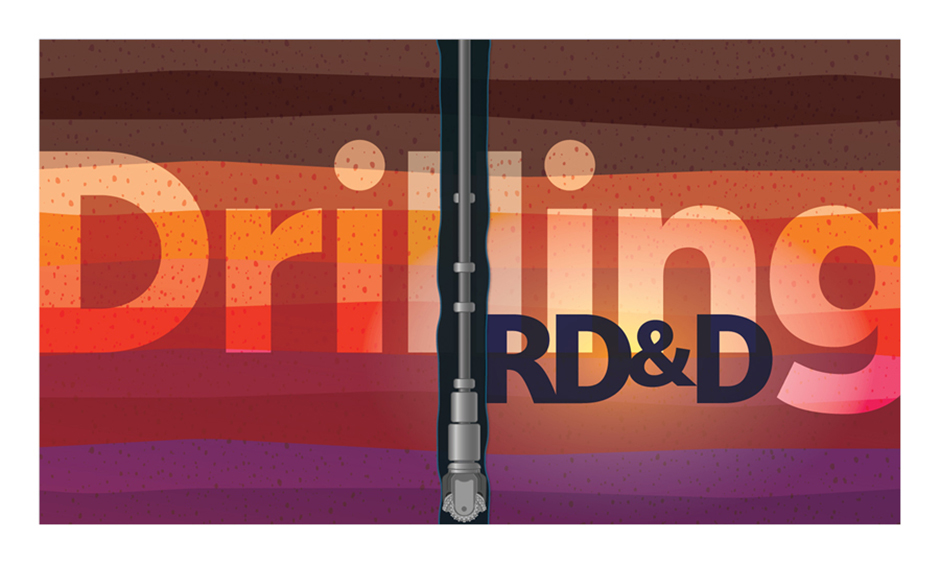
Accessing Earth’s abundant underground geothermal resources requires drilling, which can represent more than half of the total costs of a geothermal project. In the Drilling Demonstrations initiative, OG is funding two projects to reduce the cost of developing geothermal energy by improving drilling rates.
Hidden Systems
The Hidden Systems initiative sponsors integrated research, development, and deployment focused on moving hidden geothermal resources (or geothermal sources without obvious markers such as hot springs) through the phases of project development where risk is highest: pre-survey, exploration, and test drilling. These phases strongly influence a developer’s accuracy in well targeting and the probability of success during more advanced drilling phases.
GeoFlight

The GeoFlight initiative, a joint effort between OG and the Department of the Interior’s U.S. Geological Survey (USGS) seeks to capture surface and near-surface geologic data in the Salton Sea region to identify new geothermal energy prospects and areas of highest potential for mineral recovery, especially lithium.
Regional Partnerships for Geothermal Data
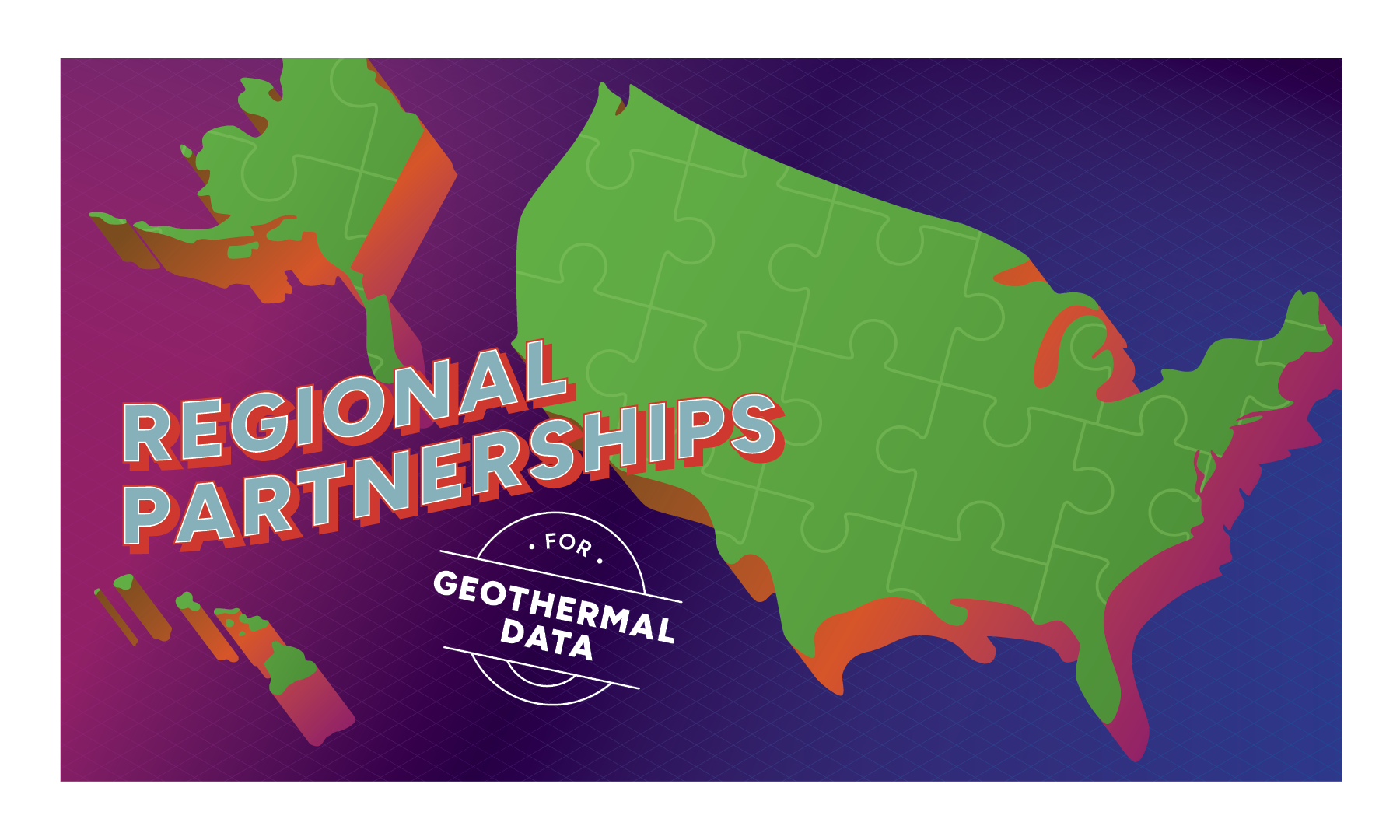
The Regional Partnerships for Geothermal Data initiative funds field data collection, including geophysics and exploratory drilling, in order to advance geothermal resource assessment and exploration, improve engagement, and help build a pipeline of energy projects. The partnerships selected under this effort will support regional data acquisition, resource characterization, and data dissemination.
Lithium
OG-funded research is investigating how geothermal brines brought up to Earth’s surface as part of geothermal power production may also be a critical resource for future lithium supply. A secure, domestic supply of this critical mineral is essential to the economic and national security of the United States.
Play Fairway Analysis
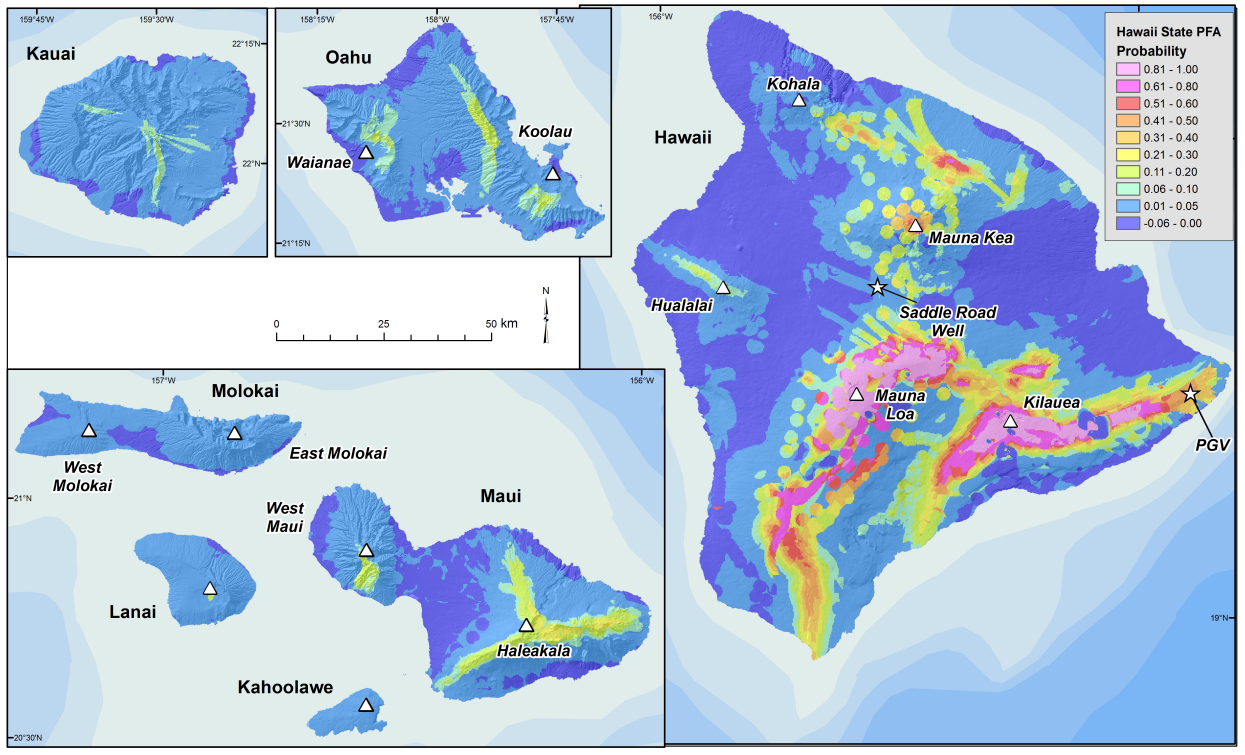
Hidden geothermal systems comprise sizeable potential for the United States, with the capability to significantly increase electricity generation, direct use, and other geothermal applications. OG’s Play Fairway Analysis initiative supported projects to advance and adapt PFA for geothermal energy across the country, resulting in regional, basin-scale maps to help quantify and reduce uncertainty for geothermal energy exploration.
Machine Learning
Machine learning offers substantial opportunities for technology advancement and cost reduction throughout the geothermal project lifecycle, from resource exploration to power plant operations. Starting in 2018, OG funded early-stage research and development applications in machine learning to develop technology improvements in exploration and operational improvements for geothermal resources.
Geothermal Lithium Extraction Prize
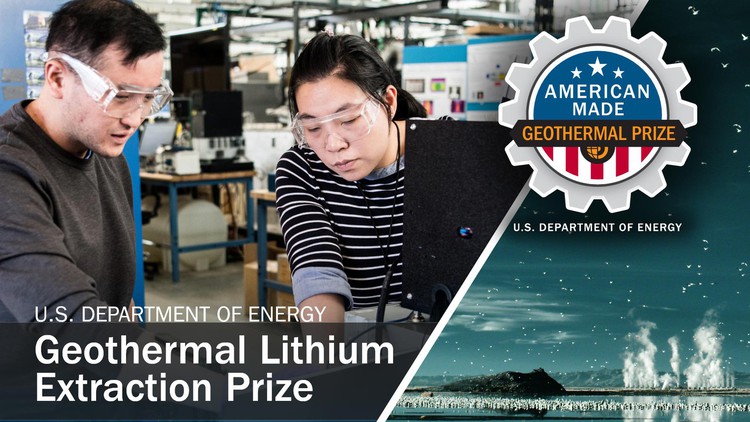 OG’s American-Made Geothermal Lithium Extraction Prize launched in 2021 to drive forward the development of economic direct lithium extraction (DLE) from the hot water used to produce geothermal energy, known as geothermal brines, found in the Salton Sea/Imperial Valley area of Southern California. Competitors developed a concept for a prototyped innovation to directly extract lithium from these brines, and over the course of two years advanced through three competition phases—moving from concepts developed in phase 1, through a design stage in phase 2, and in the final phase fabricating and testing prototypes.
OG emails bring funding opportunities, events, publications, and activities directly to your inbox.