



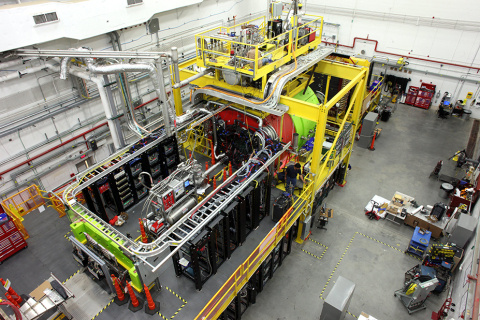
The first experimental result has been published from the newly upgraded Continuous Electron Beam Accelerator Facility (CEBAF). The 12-GeV CEBAF
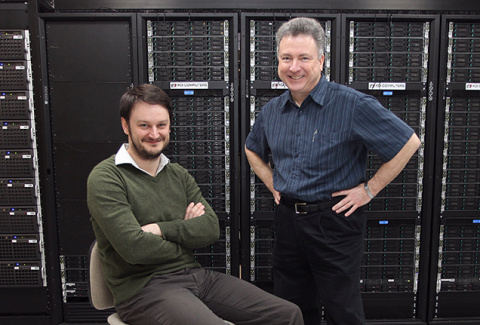
Much like two friendly neighbors getting together to chat over a cup of coffee, the minuscule particles in our subatomic world also come together
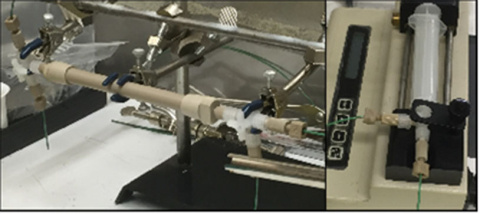
Positron emission tomography (PET) typically relies on relatively short-lived positron emitters, i.e., radioisotopes that decay with the emission
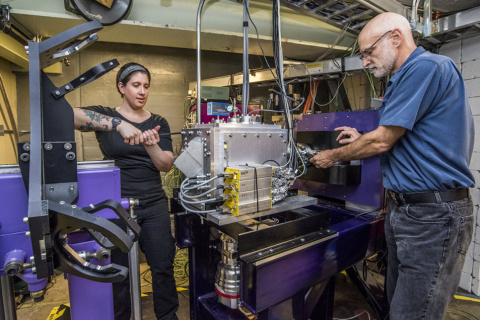
FIONA was installed in November 2016 at Berkeley Lab’s 88-inch Cyclotron. FIONA is an enhancement to a long-running machine called the
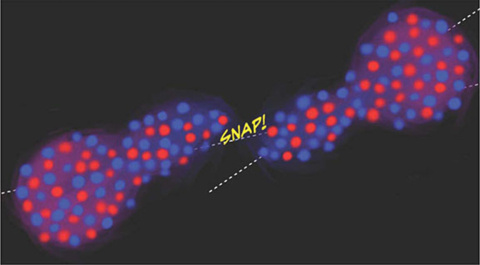
By colliding 70Zn projectiles moving at one quarter the speed of light with stationary 70Zn nuclei, nuclear physics
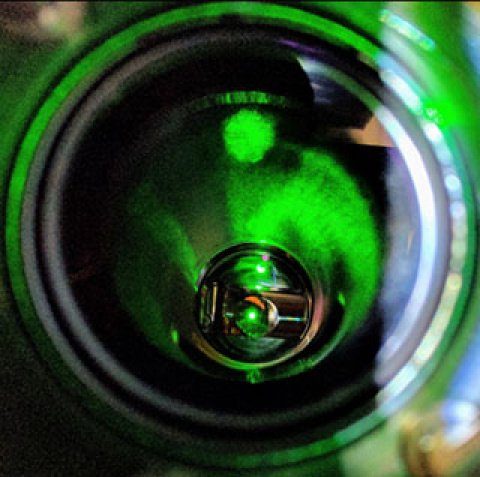
Keeping ion beams cool keeps the particles tightly packed, so more ions collide to generate data. RHIC physicists will use relatively cool
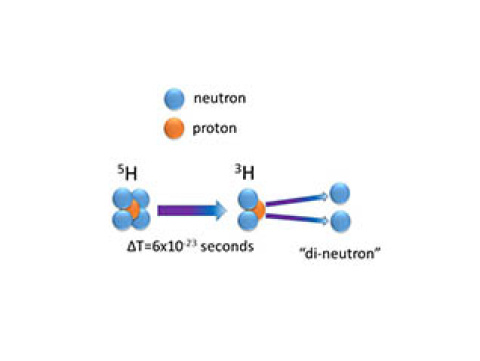
To make 5H, the researchers used a reaction that removed a single proton from energetic 6He nuclei produced by the National
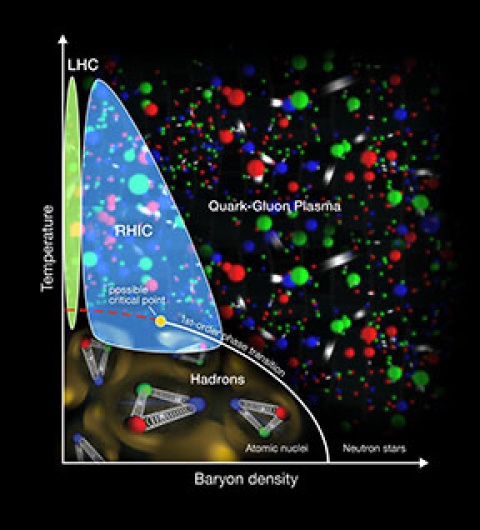
By tracking particles that emerge from nuclear collisions at the Relativistic Heavy Ion Collider (RHIC), a U.S. Department of Energy Office of
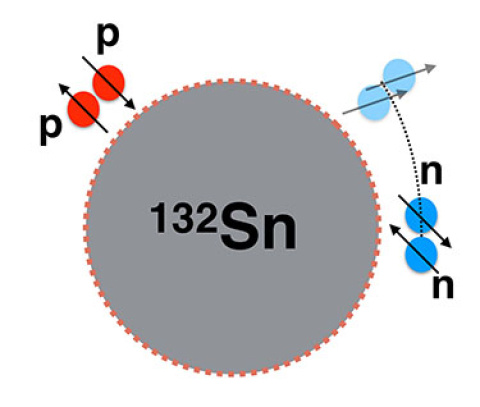
Atomic nuclei are finite many-body quantum systems that exhibit increased stability or “shell structure” when the proton and/or neutron
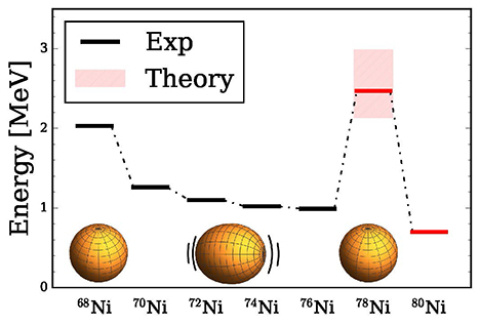
Using the supercomputer Titan at Oak Ridge National Laboratory, scientists performed first-principles computations of the structure of 78