



In a significant achievement years in the making, workers with U.S. Department of Energy Office of Environmental Management contractor Central Plateau Cleanup Company recently moved the first of 18 concrete casks loaded with radioactive cesium capsules out of the Waste Encapsulation and Storage Facility to a nearby dry storage pad at the Hanford Site. February 3, 2026
Office of Environmental Management
February 3, 2026 Estimated Read Time min
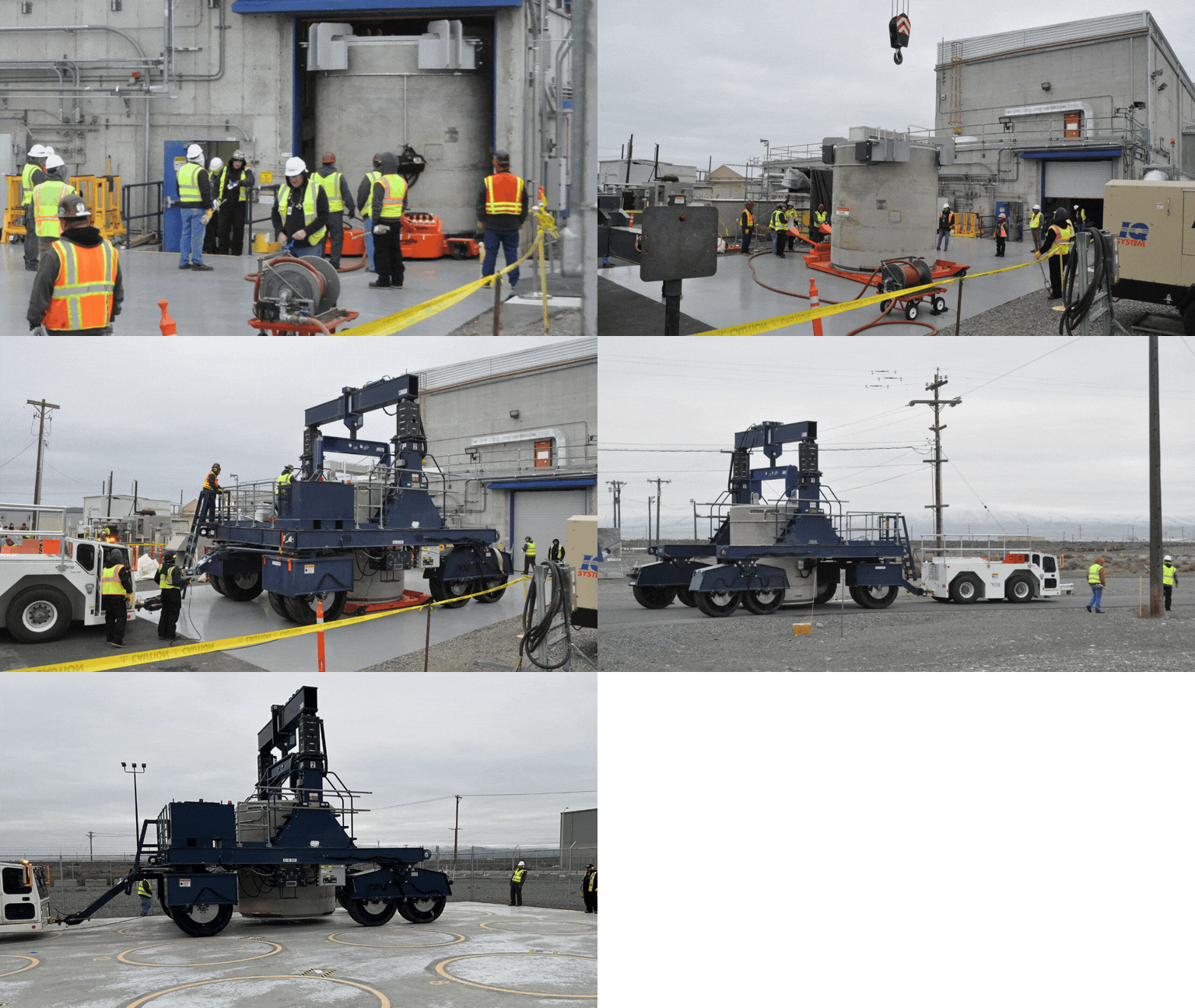
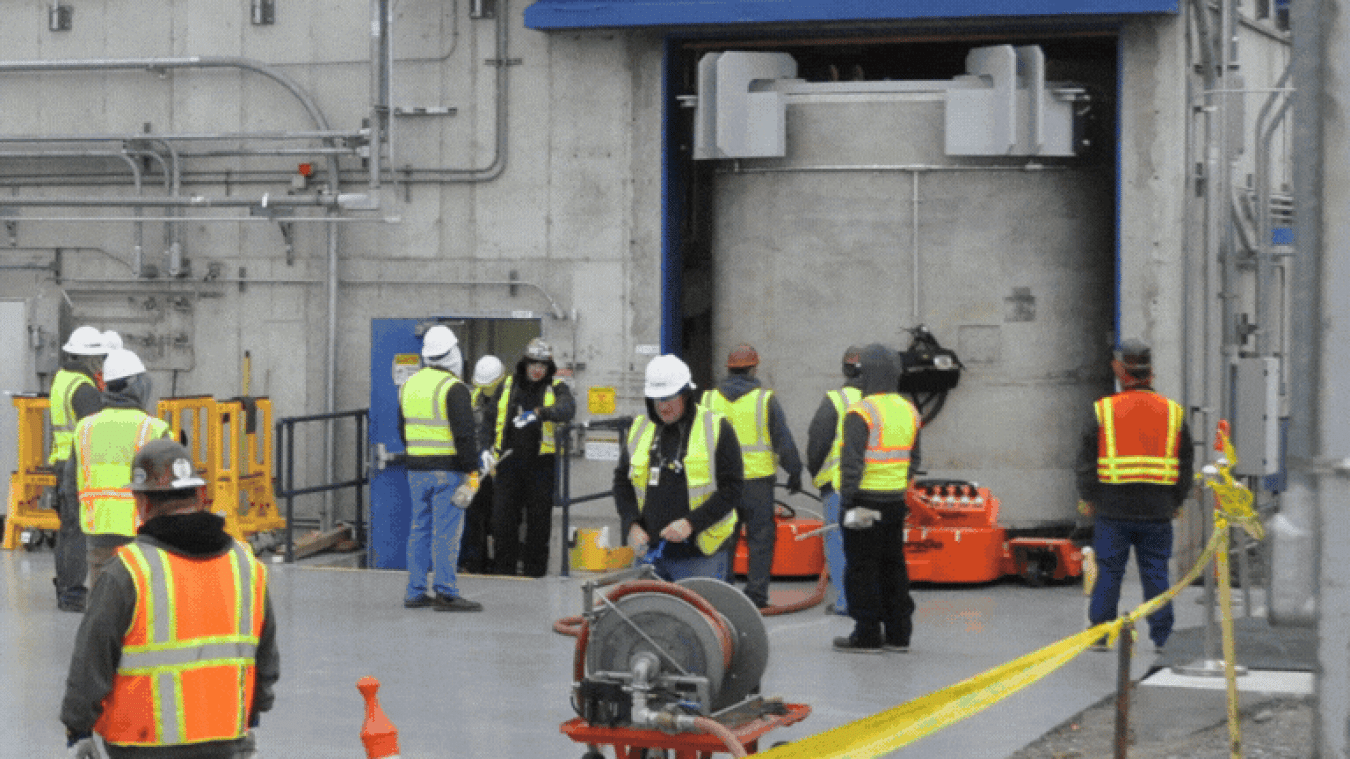
Hanford Capsules on the Move: The first engineered concrete cask filled with radioactive capsules — weighing about 160,000 pounds — is moved out of the Hanford Site’s Waste Encapsulation and Storage Facility and on to the truck port pad, where it is loaded on a transporter for the quarter-mile journey to the Capsule Storage Area. There, it is placed for safe, long term interim storage until a final disposition pathway is determined.
RICHLAND, Wash. — In a significant achievement years in the making, workers with U.S. Department of Energy Office of Environmental Management contractor Central Plateau Cleanup Company (CPCCo) recently moved the first of 18 concrete casks loaded with radioactive cesium capsules out of the Waste Encapsulation and Storage Facility (WESF) to a nearby dry storage pad at the Hanford Site.
The nearly 2,000 stainless steel double-walled capsules have been stored under 13 feet of water in WESF to protect workers from radiation exposure. The cesium and strontium were removed from Hanford’s underground waste storage tanks in the 1970s to reduce the temperature in the tanks. Collectively, the 1,335 cesium capsules and 601 strontium capsules hold about one-third of the radioactivity on the Hanford Site.
“The safe transfer of these capsules to dry storage is truly a historic accomplishment in Hanford’s cleanup mission,” said Gary Pyles, Hanford Field Office federal project director. “Moving the capsules out of WESF eliminates a significant risk on the site and will allow for the eventual deactivation of the aging facility.”
Each concrete cask can hold up to 132 capsules and weighs about 160,000 pounds fully loaded. The remote transfer of the capsules from underwater storage to the engineered cask storage system and then to the dry storage pad will continue for the next several years, with completion expected by late summer 2029.
“Moving the first cask to dry storage has been a long time coming, and I couldn’t be more proud of our team,” said CPCCo President Bob Wilkinson. “We look forward to continuing to safely advance this high-priority risk-reduction project throughout the next few years.”
To receive the latest news and updates about the Office of Environmental Management, submit your e-mail address.